Colorado Hunting Outfitters Near Durango
Finding the perfect hunting outfitter in Colorado, especially when you're targeting a specific, sought-after area like Durango, can feel like searching for a needle in a haystack. There are so many options, so many promises, and it’s hard to know who genuinely delivers a quality experience and who’s just trying to fill their books. This guide is here to cut through the noise, offering a comprehensive look at what to expect and how to find the right Colorado hunting outfitter near Durango to make your dream hunt a reality.
Why Durango is a Prime Hub for Hunting Outfitters
Durango isn't just a picturesque mountain town; it's a genuine gateway to some of Colorado's most rugged and game-rich wilderness. Nestled in the southwestern corner of the state, it serves as a jumping-off point for vast stretches of public land, including portions of the San Juan National Forest and the iconic Weminuche Wilderness. This abundance of prime habitat means that the area naturally attracts a higher concentration of reputable outfitters catering to various hunting styles and species.
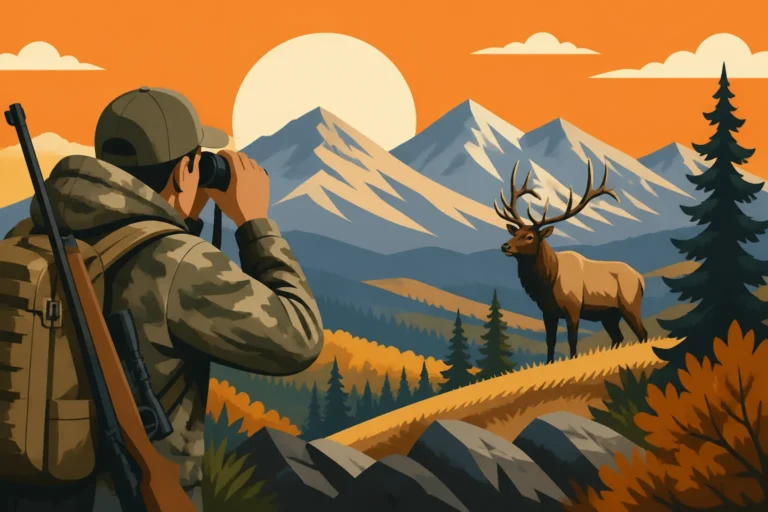
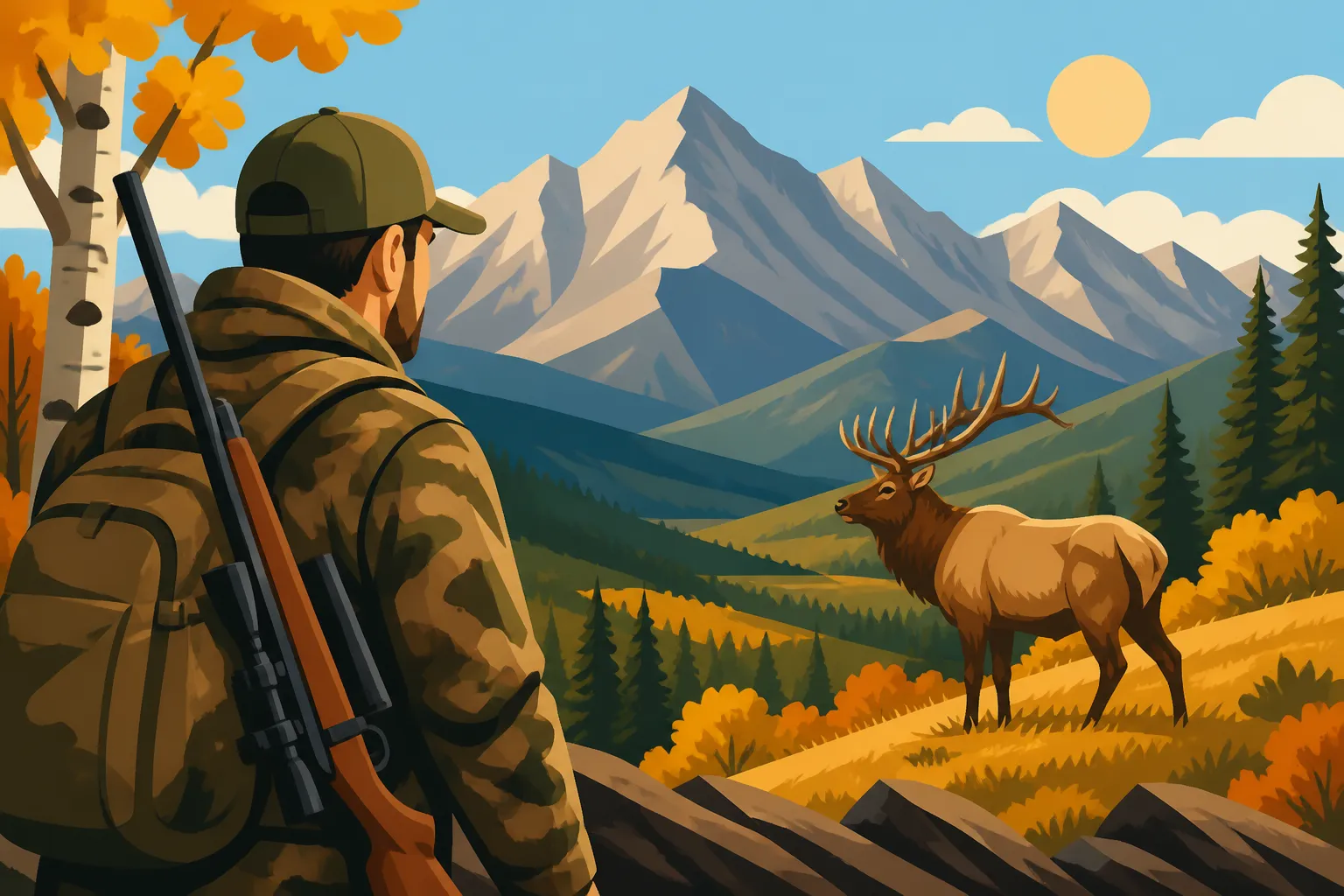
The diverse topography surrounding Durango offers incredible opportunities for hunters. You've got everything from high-elevation alpine basins and dark timber to steep canyons and aspen groves. This varied terrain supports robust populations of elk and mule deer, the two most popular big game species hunted in this region. If you're looking to chase bugling bulls during the rut or stalk a trophy mule deer buck, the country around Durango provides the challenge and the potential for success that many hunters dream of.
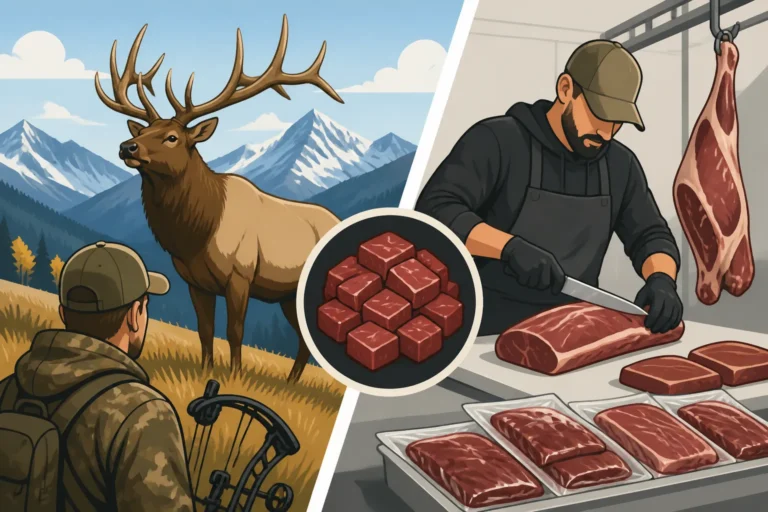
Beyond the sheer volume of game and diverse landscapes, Durango's infrastructure also makes it an attractive base camp. It's accessible, has plenty of lodging and dining options, and provides essential services like gear shops, meat processors, and taxidermists. This combination of prime habitat, healthy game populations, and supporting services makes the decision to hunt near Durango an excellent one, drawing both resident and non-resident hunters year after year. Understanding the lay of the land, both in terms of geography and hunting culture, is your first step toward a successful hunt.
Understanding the Local Hunting Landscape
The area around Durango is primarily dominated by the San Juan Mountains, known for their steep pitches, dense timber, and breathtaking views. This isn't flatland hunting; it's physically demanding, high-altitude hunting that often requires a significant investment in preparation, both physically and mentally. Outfitters operating here are well-versed in the challenges of mountain hunting and can provide invaluable assistance, whether it's through experienced guides who know the terrain intimately or logistics like horse packing into remote areas.
Many of the Game Management Units (GMUs) accessible from Durango, such as GMUs 74, 75, 751, 77, and 78, are renowned for their elk and mule deer hunting. Some of these units are limited draw, meaning you'll need preference points to draw a coveted tag, while others might offer over-the-counter (OTC) opportunities, particularly for archery elk or in later rifle seasons. A good outfitter will be intimately familiar with the draw odds, unit regulations, and the specific characteristics of each GMU, helping you navigate the complexities of Colorado Hunting Seasons Explained and Colorado Draw System and Preference Points.
The specific species you're targeting will also dictate the type of outfitter you'll need. While elk and mule deer are the stars of the show, there are also opportunities for black bear, particularly during the fall hunting seasons. An outfitter specializing in bear hunting will have different strategies and locations than one focused solely on elk, often incorporating baiting (where legal and permitted) or specific spot-and-stalk tactics. Knowing your target species helps narrow down the field of potential partners for your hunt.
Popular Hunting Seasons and Game in the Region
Durango offers fantastic opportunities across multiple seasons. The archery season, especially during the peak of the rut in September, is incredibly popular for elk. Imagine bugling a bull into bow range amidst the changing aspen leaves – it's an experience many hunters live for. Archery hunters often seek out outfitters who excel in calling and navigating the dense timber quietly. You can learn more about specific tactics in our Colorado Archery Elk Hunting Guide.
Rifle seasons, particularly the second and third seasons, often coincide with the tail end of the elk rut or early migration patterns, making them excellent times for a Colorado Rifle Elk Hunting Guide. These seasons also tend to have more pressure, so a local outfitter's knowledge of sanctuary areas and travel corridors becomes even more critical. Muzzleloader season, typically a shorter window in mid-September, offers a unique challenge and can be very rewarding for those seeking an early rifle-like experience with traditional firearms.
Mule deer hunting in the Durango area can also be exceptional, especially during the late archery seasons and later rifle seasons when bucks are more active and visible during their rut. A dedicated mule deer outfitter will focus on glassing vast landscapes and executing precise spot-and-stalk maneuvers, often in steep, open country. Whether you're after a majestic bull elk or a wide-racked mule deer, the Durango region provides the habitat and the guides to help you pursue your goal.
Types of Hunting Outfitters Serving the Durango Area
When you're looking at outfitters near Durango, you'll quickly realize there's a spectrum of services available, each designed to fit different budgets, experience levels, and desired comfort. Understanding these distinctions is crucial, as what one outfitter calls "fully guided" might be another's "semi-guided" experience. It’s not just about the cost; it's about matching the outfitter's offerings with your expectations and how much you want to "do it yourself."
The key types you'll encounter are fully guided hunts, semi-guided hunts, and drop camps. Each has its own set of advantages and disadvantages, and the best choice really depends on what kind of adventure you're after. For a comprehensive overview, you might also want to check out our Colorado Elk Hunting Outfitters Guide.
Fully Guided Hunts: The All-Inclusive Experience
A fully guided hunt is often considered the gold standard for those seeking maximum support and a higher chance of success, especially for non-resident hunters or those new to mountain hunting. With a fully guided hunt, typically everything is taken care of: your guide will scout for game, call for you (if elk hunting), lead you to prime hunting spots, help with field dressing, and often assist with packing out your animal. Accommodations, meals, and transportation within the hunting area are usually included.
Imagine waking up in a comfortable wall tent or lodge, a hot breakfast waiting, and your guide already discussing the day's strategy. You head out, often on horseback or via ATV to a trailhead, then hike into the chosen area. Your guide is there every step of the way, interpreting sign, identifying animals, and giving shooting advice. After a successful harvest, they'll pitch in with the hard work of quartering and preparing the animal for the pack out. This level of service is ideal for hunters who want to focus solely on the hunt itself without the logistical headaches, or those who are less experienced with the specific challenges of hunting at high elevation.
While the price tag for a fully guided hunt is significantly higher, many hunters find the value in the reduced stress, increased comfort, and improved odds of success. It's often the choice for a once-in-a-lifetime trip or for those who simply want a true "vacation" hunt where they don't have to worry about anything except pulling the trigger. When evaluating a fully guided outfitter, make sure to ask about guide-to-hunter ratios, typical success rates, and what exactly is (and isn't) included in the price.
Semi-Guided Hunts: A Blend of Independence and Support
Semi-guided hunts offer a fantastic middle ground for hunters who want some independence but still appreciate a helping hand. In a semi-guided scenario, an outfitter might provide a camp setup, food, and maps, and point you in the right direction each day, but you're largely responsible for your own hunting. They might offer advice, tell you where they've seen game, and provide transportation to a general area, but they won't typically be with you actively hunting.
For instance, an outfitter might drop you off at a trailhead in the morning, pick you up in the evening, and process any game you harvest. They might even pack a lunch for you. This option is perfect for experienced hunters who are confident in their stalking and calling abilities but might not have the knowledge of the local terrain, access to horses, or the equipment to set up a remote camp themselves. It’s also generally more affordable than a fully guided hunt.
The key benefit here is flexibility. You get to hunt at your own pace and pursue your own strategies, but with the peace of mind that comes from having a local expert providing insights and logistical support. It's a great option for hunters who enjoy the challenge of figuring things out in the field but recognize the advantages of local knowledge. When researching semi-guided options, be clear about what level of "support" is truly provided; some outfits offer more hands-on assistance than others.
Drop Camps: DIY with a Backcountry Boost
Drop camps are arguably the most adventurous option offered by Durango-area outfitters, catering to the true do-it-yourself (DIY) hunter who just needs a little boost into the backcountry. With a drop camp, the outfitter uses horses or ATVs to pack you, your gear, and your food into a pre-established camp in a remote area, then picks you up at a predetermined date. You are entirely on your own for the duration of the hunt, from setting up your sleep system to cooking your meals and, of course, finding and packing out your game.
This option is significantly less expensive than guided hunts and is a popular choice for experienced backcountry hunters who thrive on self-reliance. It allows you to access remote wilderness areas that would be incredibly difficult, if not impossible, to reach on your own. Many hunters combine this with an E-Scouting strategy using tools like GoHunt to pinpoint promising areas before they even arrive. If you're considering this, our Colorado Backcountry Hunting Guide is an invaluable resource.
Outfitters typically provide a tent (often a sturdy wall tent with a wood stove), cots, and possibly some basic cooking equipment. You'll bring your personal gear, sleeping bag, food, and hunting equipment. The responsibility for navigating, hunting, field dressing, and packing out your animal is entirely yours. This means you need to be proficient in all aspects of backcountry survival and hunting. If you're looking to challenge yourself and experience true wilderness hunting, a drop camp near Durango can be an unforgettable adventure.
| Outfitter Type | Key Services Provided | Ideal Hunter Profile | Typical Price Range (Per Person) |
|---|---|---|---|
| Fully Guided | Guide, lodging, meals, transportation, game retrieval | Novice to intermediate, high success focus, minimal logistics | $$$$ (e.g., $5,000 – $10,000+) |
| Semi-Guided | Camp, some meals, area advice, transportation to/from hunting area, game retrieval | Experienced, independent, values local insight, some logistics | $$$ (e.g., $3,000 – $6,000) |
| Drop Camp | Transportation to/from remote camp, basic camp setup (tent, stove) | Highly experienced, DIY enthusiast, self-reliant, remote access | $$ (e.g., $1,500 – $3,000) |
Note: Prices are illustrative and vary widely based on duration, species, and outfitter reputation.
Key Considerations When Choosing a Durango Outfitter
Selecting the right outfitter near Durango is more than just picking a name off a list; it's about finding a partner who aligns with your hunting goals, experience level, and personal values. It’s a significant investment, both financially and in terms of your time and effort, so doing your homework thoroughly is paramount. Don't rush this decision – a great outfitter can make your hunt, while a poor one can sour the entire experience.
You'll want to dig into their experience, reputation, what's actually included in their packages, and, of course, the financial aspects. This isn't just about finding an outfitter, it's about finding the best outfitter for you. For more general advice on this, check out our guide on How to Choose a Colorado Hunting Outfitter.
Experience and Reputation
The longevity and reputation of an outfitter are often good indicators of their quality. How long have they been operating in the Durango area? Do they have a consistent track record? A reputable outfitter will have years, if not decades, of experience navigating the local terrain, understanding game movements, and adapting to changing conditions. They'll also typically have a solid base of repeat clients and positive testimonials.
Don't just take their word for it, though. Ask for references, specifically from hunters who hunted with them in the past one to three years. This ensures the references are current and reflect their recent operations. When you call these references, ask detailed questions: "Did the outfitter deliver on their promises?" "How was the communication?" "Were the guides knowledgeable and personable?" "What was the camp like?" "How did they handle challenging situations or bad weather?" Pay attention to consistency in responses – multiple similar stories, good or bad, can reveal a lot.
Another critical aspect of reputation is safety. Colorado's mountains can be unforgiving. A good outfitter prioritizes safety, has clear emergency protocols, and ensures their guides are trained in first aid and backcountry navigation. Don't be shy about asking about their safety record and what measures they take to protect their clients.
Services Included and Exclusions
Before you sign on the dotted line, get an exhaustive list of what's included and, just as importantly, what's not included in your hunt package. This is where hidden costs can ambush unsuspecting hunters. A base price might sound appealing, but then you find out transportation from the airport, meat processing, taxidermy, or even certain meals are extra.
For fully guided hunts, clarify the guide-to-hunter ratio. A 1:1 ratio offers maximum attention, while a 2:1 or even 3:1 ratio means your guide is splitting their time. For drop camps, confirm what camp gear is provided and what you need to bring. Are cots included? A cooking stove? Firewood? These small details can significantly impact your packing list and overall comfort. Also, always clarify game retrieval policies. Will they pack your animal all the way to your vehicle, or just to a central collection point? This can be a huge physical undertaking in rugged terrain, and knowing the plan upfront is vital.
It’s also important to discuss the species and sex of the animal you're hunting. Are you hunting for a bull elk, cow elk, or either-sex? Some outfitters might specialize in trophy hunts, while others focus on meat hunts. Ensure the outfitter's goals align with your own. Some outfitters also offer combined species hunts, allowing you to pursue mule deer if you've already filled your elk tag. If you're interested in multiple species, confirm this is an option and what the associated costs are.
Cost and Payment Structure
Let's be realistic: hunting in Colorado, especially with an outfitter, is an investment. Colorado Guided Elk Hunt Cost can vary widely. Don't let sticker shock deter you, but also don't assume the cheapest option is the best value. Quality guiding, good equipment, experienced staff, and access to prime hunting areas all come at a price.
Most outfitters require a non-refundable deposit to book your hunt, with the balance due closer to the hunt date. Understand their cancellation policy thoroughly. What happens if you need to cancel? What if they need to cancel due to unforeseen circumstances (e.g., fire closures, guide illness)? Some outfitters offer trip insurance, which can be a wise investment, especially for non-residents traveling a long distance.
Finally, factor in expected gratuities for your guides and camp staff. Tipping is customary in the outfitting world, and it's a significant part of a guide's income. Ask the outfitter what their standard tipping recommendations are so you can budget appropriately. A good rule of thumb is 10-20% of the hunt cost, depending on the service. Our article on Tipping a Colorado Hunting Guide provides more insights.
How to Research and Connect with Durango Outfitters
With your priorities in mind, it's time to start actively researching and making connections. This phase is crucial and requires a proactive approach. Don't just send out a dozen generic emails; tailor your inquiries and be prepared with specific questions. Remember, you're not just buying a service; you're vetting a potential partner for a significant outdoor adventure.
Utilize all available resources, from online directories to hunting forums and word-of-mouth recommendations. The more diverse your sources, the more comprehensive your understanding will be.
Utilizing Online Platforms and Directories
The internet has made finding outfitters easier than ever. Websites like BookYourHunt are excellent resources, acting as comprehensive directories where you can filter by species, location (like Durango), hunt type, and even specific dates. These platforms often include detailed descriptions of services, pricing, photos, and, crucially, client reviews. Reading reviews from previous hunters can give you invaluable insights into an outfitter's strengths and weaknesses.
Another useful online tool, especially for those who like to do their own detailed research, is GoHunt. While primarily focused on draw odds and unit analysis, GoHunt's forums and articles can often lead you to discussions about specific outfitters or regions, giving you a broader understanding of the hunting landscape around Durango. Use these resources to compile a shortlist of 3-5 potential outfitters that seem like a good fit.
Beyond dedicated hunting platforms, a simple Google search for "Colorado hunting outfitters Durango" will yield results. Always check the outfitter's direct website. A professional, up-to-date website often reflects a well-run operation. Look for detailed FAQs, clear descriptions of their hunts, and contact information. Be wary of websites that are outdated, sparse on details, or difficult to navigate.
Direct Communication and Key Questions
Once you have your shortlist, it's time to pick up the phone. While email is good for initial contact, a phone call allows for a more personal connection and provides an opportunity to gauge the outfitter's responsiveness, professionalism, and passion. Pay attention to how they answer your questions – are they patient and thorough, or do they seem rushed and evasive?
Here are some key questions to ask:
- "What GMU(s) do you primarily operate in for my desired species and season?" (This ties into your tag strategy and research).
- "What's your typical success rate, and what constitutes a 'successful' hunt in your eyes?" (Be realistic; a 100% kill rate is highly suspect).
- "Can you provide references from hunters who hunted with you last season?" (And follow through on calling them!)
- "What's the physical demand of this hunt, and what kind of shape should I be in?" (Durango hunting can be strenuous; be honest about your fitness). Our guide on How to Physically Prepare for Colorado Elk might help.
- "How do you handle unforeseen circumstances like extreme weather, wildfires, or injury?"
- "What gear should I bring, and what do you provide?" (Get a detailed packing list). For ideas, check out our Colorado Backcountry Hunting Gear List.
- "What's your policy on wounded game?" (A responsible outfitter will have a clear, ethical approach).
- "What's the average size of animals harvested on your hunts?" (If trophy size is important to you).
- "How many hunters will be in camp at one time, and what's the guide-to-hunter ratio?"
This direct communication isn't just about getting answers; it's about building a rapport. A good outfitter-client relationship is built on trust and clear communication from the start.
Checking Licenses and Insurance
Finally, and this is a non-negotiable step: verify the outfitter's credentials. In Colorado, all hunting outfitters must be licensed by the Colorado Outfitter Registration Board. This ensures they meet certain professional standards and carry liability insurance. Don't hesitate to ask for their Colorado Outfitter License Number. You can often verify this information directly through the Colorado Department of Regulatory Agencies (DORA) website.
This step protects you from unscrupulous operators and ensures you're dealing with a legitimate business that adheres to state regulations. It also speaks to their professionalism and commitment to ethical practices. A reputable outfitter will be happy to provide this information without hesitation. Don't risk your hard-earned money and precious hunting time with an unlicensed or uninsured operation.
Disclaimer
Hunting is an inherently dangerous activity. This article provides general information and recommendations, but individual situations and conditions may vary. Always prioritize safety, adhere to all local, state, and federal hunting regulations, and consider seeking professional guidance and training. The author and publisher are not responsible for any accidents, injuries, or legal issues that may arise from hunting activities. Always check the most current regulations with Colorado Parks and Wildlife before planning any hunt.