Colorado Meat Processing and Outfitters
After the thrill of a successful hunt in Colorado, a new kind of challenge often sets in: how to properly process and get that hard-earned wild game meat home. Many hunters, especially those traveling from out of state, grapple with the logistics of field dressing, cooling, butchering, and transportation. This comprehensive guide aims to demystify how Colorado outfitters handle meat processing and what every hunter, guided or DIY, needs to know to ensure their harvest is handled with care.
The Post-Harvest Reality: Why Meat Processing is Critical
Bringing down a majestic elk or a formidable mule deer in the Colorado mountains is only the beginning of the journey. The real work, the work that preserves your trophy and provides sustenance, starts immediately. Neglecting proper meat care in the field can quickly turn a successful hunt into a heartbreaking loss, spoiling valuable meat. The rugged terrain and variable weather of Colorado add unique complexities to this essential task.
Field Care: The First and Most Important Step
The moment an animal is down, the clock starts ticking. Proper field care is the absolute cornerstone of good meat preservation. This isn't just about getting the guts out; it's about rapidly reducing the carcass temperature to prevent bacterial growth. In the high country, temperatures can be surprisingly warm, even in early archery or muzzleloader seasons, making speed and efficiency paramount.
For many hunters, especially those new to large game, the sheer size of a Colorado elk can be daunting. You need to be prepared with a sharp knife, game bags, and a plan. The goal is to remove the entrails as quickly and cleanly as possible, then get air circulating around the meat. This often means skinning the animal, quartering it, and getting it into game bags, ideally hanging it to cool. Outfitters shine here, as they typically have the experience and equipment to perform these tasks swiftly and correctly, even in challenging conditions. They understand the nuances of the terrain and the urgency of proper cooling.
Transporting Your Harvest from the Field
Once field dressed, the next hurdle is extraction. This is where the physical demands of Colorado hunting truly come into play. A mature bull elk can weigh upwards of 700-1000 pounds live, and even quartered, the meat can easily exceed 200-300 pounds. Dragging an animal whole is rarely an option, especially in the steep, roadless areas common across Colorado's national forests and wilderness areas.
Outfitters often employ various strategies for transport, depending on the terrain and the remoteness of the kill. For hunters on a horseback hunt, pack horses are the traditional and most efficient method for moving large game from deep within the backcountry. For areas with more lenient regulations, ATVs or side-by-sides might be used on designated trails. Even with motorized assistance, there's still a significant amount of strenuous work involved in getting the quarters loaded. Understanding how to Pack Out an Elk in Colorado is crucial, whether you're working with an outfitter or tackling a DIY adventure.
The Colorado Climate's Impact on Meat Preservation
Colorado's climate is a double-edged sword for hunters. While the crisp, cool air of late fall rifle seasons can be your best friend for cooling meat, the early archery and muzzleloader seasons can present real challenges. Daytime temperatures in September can easily hit the 70s or even 80s in lower elevations, while nights might dip into the 30s. This wide temperature swing means that meat left unaddressed can spoil quickly.
Moisture and heat are the enemies of fresh game meat. In warmer conditions, bacterial growth accelerates rapidly, leading to souring. This is why immediate cooling is non-negotiable. An outfitter, with their local knowledge and logistical network, often has strategies in place to manage these conditions, whether it's by immediately transporting meat to a cooler or employing specific field care techniques that optimize cooling even in adverse weather. Knowing How to Keep Elk Meat Cool in Warm Weather is a skill every hunter needs to master.
How Colorado Outfitters Handle Meat Processing
When you book a hunt with a Colorado outfitter, understanding their meat processing services is a key part of the overall experience. These services can vary widely depending on the type of hunt you choose, from fully guided to a basic drop camp. It's vital to clarify these details upfront so there are no surprises after your animal is on the ground.
Full-Service Outfitter Models: From Field to Freezer
A truly "full-service" outfitter often means they take care of almost everything from the moment your animal is down until your meat is ready for transport. This usually includes field dressing, skinning, quartering, and then packing the meat out of the field. Many outfitters have arrangements with local meat processors in nearby towns, acting as a liaison to get your meat from their base camp to the butcher shop. Towns like Craig, Meeker, Montrose, or Walden are common hubs with reputable processors that outfitters frequent.
For instance, an outfitter operating out of the White River National Forest might have a standing agreement with a processor in Rifle or Meeker. They will transport the quarters to the processor, where it will be expertly cut, wrapped, and frozen to your specifications. Some larger outfits might even have their own dedicated walk-in coolers at their base camp, allowing them to hang and cool meat properly before taking it to a commercial facility, or even having an on-site butcher. This level of service removes a huge logistical burden from the hunter, allowing them to focus on the hunt itself and then simply pick up their finished product. Platforms like BookYourHunt can be a great resource for finding outfitters who explicitly list these kinds of comprehensive services, helping you compare options.
Drop Camp and Semi-Guided Expectations for Meat
Drop camp hunts and semi-guided hunts offer a different experience, and with it, a different set of expectations regarding meat processing. These options are generally more budget-friendly but place more responsibility on the hunter. In a drop camp, an outfitter will typically pack you and your gear into a remote camp and then pick you up at a predetermined time. If you harvest an animal, it's primarily your responsibility to field dress, quarter, and pack the meat back to the drop camp.
While the outfitter will often pack your meat out of the drop camp when they come to retrieve you, the initial processing and transportation to camp falls squarely on your shoulders. You might need to make multiple trips to pack out an elk, which can be incredibly physically demanding. Similarly, with a semi-guided hunt, the outfitter might assist with initial field care or provide advice, but the bulk of the processing beyond the initial recovery is typically the hunter's job. This is where knowing How to Quarter an Elk in the Field becomes an indispensable skill. Always clarify these details with your outfitter well in advance; don't assume anything.
Understanding the Costs and Logistics of Outfitter Services
It's crucial to have a clear understanding of what's included in your outfitter's hunt package versus what will incur additional costs. Meat processing services, particularly the actual butchering at a commercial facility, are almost always an extra expense. This fee is paid directly to the processor, not the outfitter. However, the outfitter might charge a fee for packing the meat out of the field, especially if it requires extra effort, horses, or dedicated personnel.
A typical elk processing fee in Colorado can range from $250 to $500 or more, depending on the weight of the animal, the cuts you request, and any specialty products like sausage or jerky. Mule deer will be less, often in the $150-$300 range. Transporting the meat from the field to a processor might be included in a full-service package, but for drop camps or extra-difficult recoveries, there could be an additional charge. Always ask your outfitter for a detailed breakdown of potential costs related to meat handling and processing. Websites like GoHunt can be helpful for researching different outfitter packages and getting a sense of the associated costs before you even pick up the phone. Transparency is key here, so don't hesitate to ask every question that comes to mind.
DIY Hunter's Guide to Colorado Meat Processing (and Outfitter Alternatives)
For the independent DIY hunter tackling Colorado's public lands, meat processing is entirely your responsibility. This means planning for every stage, from the moment of the shot to the moment that delicious wild game is safely in your freezer back home. It's a significant undertaking, but incredibly rewarding.
Preparing Your Meat for a Commercial Processor
As a DIY hunter, you are the first and most critical link in the meat processing chain. After field dressing, the goal is to get the carcass cooled down as quickly as possible. This typically involves skinning and quartering the animal. Learning How to Pack Out an Elk in Colorado effectively, often alone or with a partner, is essential. Each quarter should be placed in breathable game bags, such as those made by Kuiu, Argali, or TAG, to protect the meat from flies, dirt, and debris while allowing air circulation.
Once quartered, the meat needs to be packed out of the field. This can be a multi-day effort if you're deep in the backcountry, requiring spike camps and careful planning. As you transport the meat, prioritize keeping it cool. During warmer early seasons, this might mean packing it out at night or in the early morning, or even bringing portable cooling systems if you're vehicle-accessible. When you arrive at the processor, the meat should be clean, free of excess hair and dirt, and properly cooled. Many processors prefer bone-in quarters as it helps the meat cool evenly and can make hanging and aging easier, but always check their specific requirements beforehand.
Finding a Local Colorado Meat Processor
Before you even leave for your hunt, it's a smart move to research and contact meat processors in the area you plan to hunt. Colorado has numerous excellent wild game processors, especially in towns near popular hunting units. Places like Montrose, Rifle, Craig, Walden, Salida, and Gunnison often have highly-rated options.
It's highly recommended to call processors well in advance to inquire about their services, pricing, and, most importantly, their capacity during hunting season. Many processors operate on a first-come, first-served basis, but some might require appointments. They can fill up incredibly fast during the peak rifle seasons (October/November). Confirm their hours of operation, what they require (bone-in or boneless, whole animal vs. quarters), and the turnaround time. Some popular options include Custom Quality Meats in Rifle, Meeker Processing in Meeker, or Wild Country Meats in Montrose. These facilities often offer custom cuts, vacuum sealing, and specialty products like sausage, jerky, or summer sausage, adding even more value to your harvest.
Transporting Your Processed Meat Home
Once your meat is processed, the final step is getting it home safely. This requires careful planning, especially if you're traveling a long distance or flying. For hunters driving, large coolers are indispensable. It's a good idea to bring several large coolers, such as YETI or RTIC, and plan to fill them with ice, or even better, dry ice for extended travel. Dry ice keeps meat frozen solid for much longer than regular ice. Make sure your processed meat is double-bagged and well-sealed to prevent any leaks as it thaws.
If you're flying, the logistics are a bit more complex. Most airlines allow frozen game meat as checked baggage, provided it's properly packaged and within weight limits (usually 50 lbs per cooler). You'll want to use sturdy, insulated coolers (like heavy-duty styrofoam or high-end roto-molded coolers) and pack the meat frozen solid, ideally with dry ice if allowed by the airline. Always check your specific airline's regulations for shipping frozen game meat and dry ice well in advance. Alternatively, some processors offer shipping services, where they will box up your frozen meat and ship it directly to your home via FedEx or UPS, though this can be a more expensive option.
Comparison of Outfitter Service Levels and Hunter Responsibilities
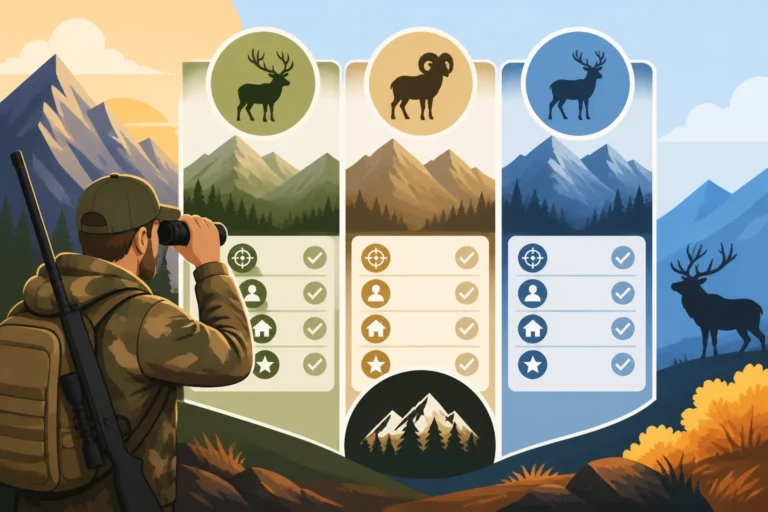
To help clarify the differences, here's a table outlining general expectations for meat processing based on the type of hunting experience you choose:
| Service Level | Outfitter's Meat Processing Role | Hunter's Meat Processing Responsibility | Typical Costs |
|---|---|---|---|
| Fully Guided | Handles field dressing, skinning, quartering, and packing out of the field. Often transports meat to a commercial processor (local fee not included). May have on-site cooling/aging facilities. | Field care: Minimal to none (outfitter takes lead). Transport: None (outfitter manages). Butcher shop: Chooses cuts, pays processor directly. Takes possession of finished meat. | Included in hunt price (field care/pack out). Additional: Commercial processing fee ($250-$500+ elk). |
| Semi-Guided | Provides advice and direction. May assist with initial field dressing or recovery to a certain point. May assist with packing out if accessible. | Field care: Primarily hunter's responsibility (gut, skin, quarter). Transport: Largely hunter's responsibility to get to a pickup point. Butcher shop: Finds processor, chooses cuts, pays directly. Transport finished meat home. | Hunt price. Additional: Potential pack-out fees, commercial processing fee ($250-$500+ elk). |
| Drop Camp | Packs hunter, gear, and supplies into a remote camp. Packs hunter and harvested meat out from the camp to the trailhead at a pre-arranged time. | Field care: Full responsibility (gut, skin, quarter, cool in field). Transport: Full responsibility to get meat from kill site back to drop camp. Butcher shop: Finds processor, chooses cuts, pays directly. Transport finished meat home. | Hunt price. Additional: Commercial processing fee ($250-$500+ elk). Pack-out from kill site to camp. |
| DIY (Do-It-Yourself) | None. | Field care: Full responsibility (gut, skin, quarter, cool in field). Transport: Full responsibility to get meat from kill site to vehicle. Butcher shop: Finds processor, chooses cuts, pays directly. Transport finished meat home. | Only commercial processing fee ($250-$500+ elk) and personal transport costs. |
Remember, clear communication with your chosen outfitter is paramount. Discuss their specific services, potential extra costs, and your responsibilities regarding meat processing long before you ever set foot in the field. This way, you can ensure that your ethical responsibility to the animal, and your freezer, is met with success. Whether you're planning a Colorado DIY Elk Hunting Guide adventure or looking at Colorado Elk Hunting Outfitters Guide, understanding the meat handling process is a critical piece of the puzzle.
Disclaimer
Please remember that hunting regulations, fees, and operational practices for outfitters and meat processors in Colorado can change. Always consult the most current Colorado Parks and Wildlife (CPW) regulations and directly contact outfitters and processors for the most up-to-date information before making any plans. This guide is for informational purposes only and should not replace official sources.