Best Colorado Outfitters for Spring Bear
Embarking on a spring bear hunt in Colorado offers an incredibly unique and challenging experience, far different from hunts in many other states. If you're feeling overwhelmed trying to sift through countless options and uncertain regulations to find a reputable guide, you're not alone. This comprehensive guide will illuminate the specific aspects of Colorado spring bear hunting and help you identify and secure the best outfitters to make your hunting adventure a success.
Navigating the Nuances of Colorado Spring Bear Hunting
Colorado's approach to bear hunting sets it apart, especially for spring seasons. Unlike many Western states, Colorado prohibits the use of bait and hounds for bear hunting. This isn't just a minor regulation; it fundamentally changes the hunting strategy and, consequently, what makes a successful outfitter. Understanding these distinctions is crucial before you even start looking for a guide.
The "No Bait, No Hounds" Reality
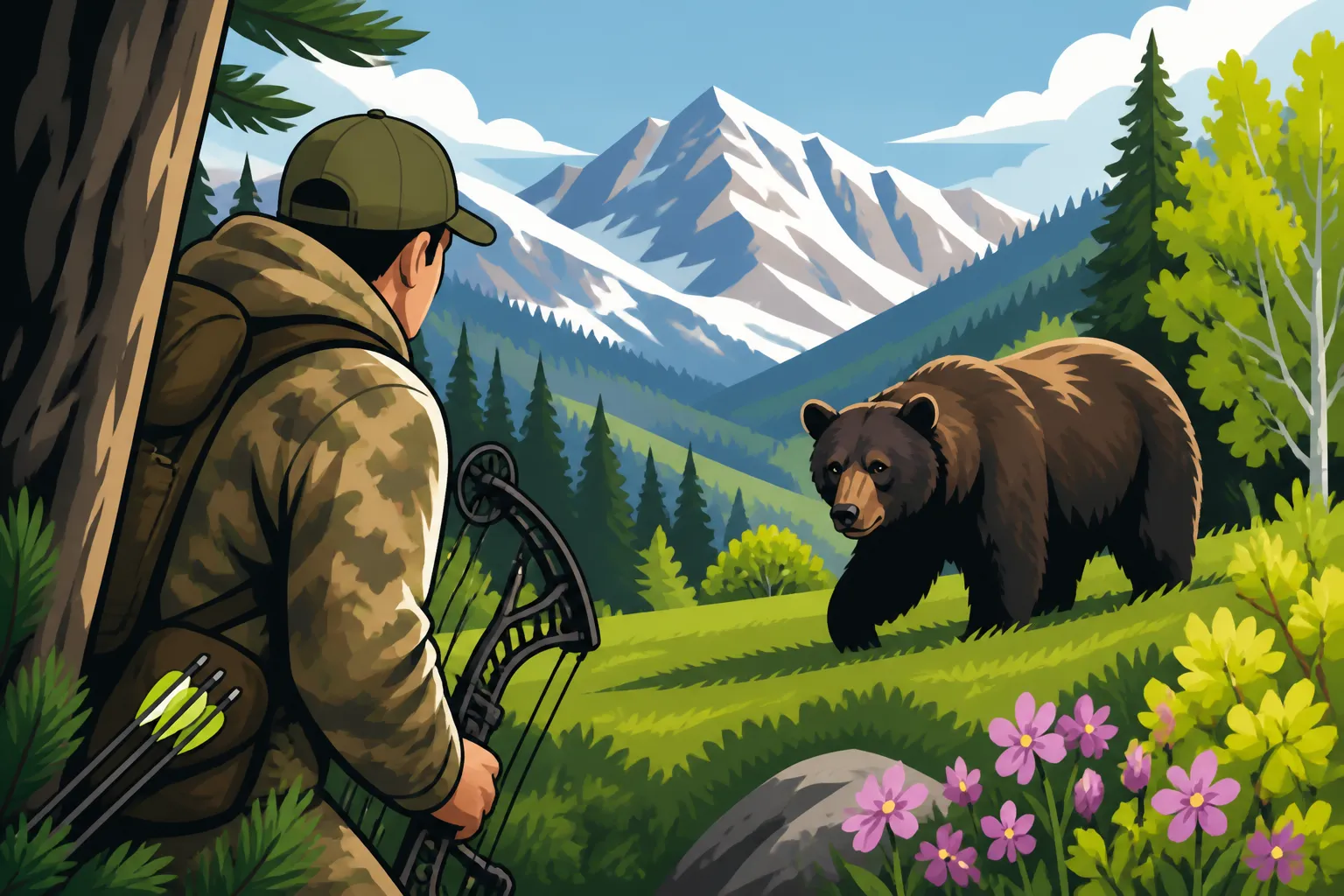
This regulation means that spring bear hunting in Colorado is predominantly a spot-and-stalk game. Bears emerging from hibernation in the spring are hungry and actively seeking food, often concentrating on south-facing slopes where green-up happens first, or in areas rich with new vegetation. This requires hunters and their guides to be exceptionally skilled at glassing vast landscapes and executing precise stalks in challenging mountain terrain.
Think about it: you can't just set up over a barrel of donuts or release a pack of dogs on a track. Your outfitter needs to be an expert at identifying prime bear habitat, understanding bear behavior during this specific time of year, and then getting you into a position for a shot. This is a far more active and physically demanding style of hunting, often involving long days behind optics and significant hiking. If you're interested in learning more about the specific tactics, our guide on How to Spot-and-Stalk Colorado Bears offers valuable insights.
Season Timing and Overlap
Colorado's spring bear season usually runs in conjunction with the spring turkey seasons, typically from early to late April or even into early June, depending on the specific Game Management Unit (GMU) and year. This timing is critical because it dictates bear activity. Bears are often just emerging from their dens, and their feeding patterns are heavily influenced by the availability of new forage. Your outfitter needs to know exactly when and where bears are likely to be active in their concession areas based on elevation, snowmelt, and vegetation growth.
For instance, early spring might find bears lower in elevation or on sun-drenched slopes, while later in the season, they might move higher as snow recedes and new food sources become available. A good outfitter will have a deep understanding of these seasonal movements and can adapt their strategies accordingly. They should be able to articulate how the specific dates of your hunt align with expected bear behavior in their hunting grounds. Our guide on Best Time to Hunt Black Bear in Colorado delves deeper into these seasonal considerations.
Key Qualities of Exceptional Colorado Spring Bear Outfitters
When you're looking for a spring bear outfitter in Colorado, you're not just looking for someone with a license. You're looking for a true mountain expert who understands bear behavior, local terrain, and the unique challenges of a no-bait, no-hound hunt. These specific attributes distinguish the best from the rest.
Expertise in Spot-and-Stalk and Glassing Techniques
Given Colorado's regulations, an outfitter's proficiency in spot-and-stalk hunting is paramount. This isn't just about walking quietly; it's about knowing where to glass, how to glass effectively, and when to initiate a stalk. The best guides spend countless hours scouting and have an intimate knowledge of drainages, clear-cuts, old burns, and south-facing slopes that bears frequent in the spring. They understand how thermals work in the mountains and how to use them to their advantage during a stalk.
A top outfitter will also possess premium optics and know how to use them to their fullest potential. We're talking about high-quality spotting scopes, binoculars, and rangefinders that can cut through haze and identify a bear from miles away. They should be able to teach you how to effectively glass, patiently searching for that tell-tale black blob or patch of fur against a distant hillside. This skill set is foundational to success in Colorado's spring bear season. For a deeper dive into these techniques, check out our piece on How to Glass Big Colorado Basins.
Intimate Knowledge of Bear Habitat and Movement Patterns
Colorado is a vast state, and bear habitat varies significantly. A stellar spring bear outfitter will have a profound understanding of where bears are likely to be found in their specific hunting units during the spring. This includes knowing which elevations, aspects, and vegetation types provide the earliest green-up, which are crucial food sources for emerging bears. They'll also know common travel corridors, denning areas, and preferred bedding spots.
This isn't generic knowledge; it's specific to the mountains they hunt. For example, some areas might be dominated by oak brush that provides excellent forage, while others might rely on specific berry bushes that haven't even bloomed in spring. They should be able to articulate why they plan to hunt certain areas based on current conditions and historical bear activity. Their expertise here is what can turn a scouting trip into a successful hunt. Our guide on Colorado Bear Population and Range can provide more background on where bears tend to be found.
Physical Conditioning and Mountain Savvy
Colorado's terrain is rugged. A successful spring bear hunt often means covering significant ground at high altitudes, navigating steep inclines, and enduring unpredictable mountain weather. The best outfitters are not only physically fit themselves but also realistic about their clients' capabilities. They'll help you prepare for the physical demands of the hunt and tailor the experience to your fitness level while still maximizing your chances of success.
They should know safe travel routes, how to read weather patterns, and how to react to sudden changes. This includes being prepared for snow, rain, and strong winds, which are all common in the Colorado mountains in spring. An outfitter who prioritizes safety and has a solid plan for potential emergencies is invaluable. Their ability to handle the elements and navigate rough country ensures not just success, but also a safe and enjoyable experience. If you're looking to get ready, consider checking out our article on How to Physically Prepare for Colorado Elk – many of the same principles apply to bear hunting.
Choosing Your Ideal Outfitter: A Step-by-Step Approach
Finding the perfect Colorado spring bear outfitter requires more than just a quick Google search. It involves thorough research, asking the right questions, and understanding what you truly want from your hunt.
Leveraging Online Platforms and Resources
The digital age has made connecting with outfitters easier than ever. Platforms like BookYourHunt and GoHunt are excellent starting points for researching potential guides. These sites often feature profiles, customer reviews, and detailed descriptions of services offered. They can provide a valuable initial screening process, allowing you to filter by species, location, and even specific hunting methods.
When using these platforms, pay close attention to reviews specifically mentioning spring bear hunts in Colorado. Are clients talking about successful spot-and-stalk opportunities? Do they praise the guide's knowledge of the terrain and bear behavior? Be wary of overly generic reviews or those that don't directly address the unique challenges of Colorado's regulations. While these platforms are great for initial discovery, remember that direct communication and verification are still crucial.
Essential Questions to Ask Potential Outfitters
Once you've narrowed down your list, it's time to start asking tough questions. A reputable outfitter will be transparent and happy to provide detailed answers.
- Experience Specific to Spring Bear: "How many spring bear hunts do you guide each year in Colorado?" "What is your success rate specifically for spring bear, and what contributes to it?" "Can you describe a typical spring bear hunting day with your operation?"
- Hunting Methods: "Since baiting and hounds are prohibited, what are your primary hunting methods for spring bear?" "How much time is spent glassing versus stalking?" "What type of terrain will we be hunting, and what are the physical demands?"
- Logistics and Support: "What is included in the hunt price (food, lodging, transportation, field care of game)?" "What equipment do I need to bring?" "What happens in case of unfavorable weather or if we don't find a bear?"
- References and Licensing: "Can you provide references from past spring bear clients?" "What are your Colorado Outfitter License numbers and insurance details?"
A good outfitter won't shy away from these questions. In fact, their answers will give you a clear picture of their operation and whether it aligns with your expectations. For a comprehensive list of what to ask, consult our guide on Questions to Ask a Colorado Outfitter.
Understanding Costs and What's Included
The cost of a guided Colorado spring bear hunt can vary significantly, typically ranging from a few thousand dollars for a semi-guided experience to upwards of $6,000-$8,000 for a fully outfitted, one-on-one hunt. These prices usually cover the guide's services, lodging (which might be a wall tent, cabin, or motel), meals, and transportation during the hunt. However, tags, licenses, meat processing, taxidermy, and tips are almost always extra.
It's vital to get a clear, itemized breakdown of costs. Don't assume anything. Some outfitters might offer a "pack-in" camp which involves horses to reach remote areas, increasing the cost but also potentially offering access to less-pressured bears. Others might operate from a lodge with daily drives. Make sure you understand the total financial commitment and what value you're getting for your investment.
Here's a generalized table comparing services:
| Service Level | Typical Cost Range (Excl. Tags/License) | Inclusions | Best For |
|---|---|---|---|
| Fully Guided | $4,500 – $8,000+ | 1:1 or 2:1 guide ratio, lodging, all meals, in-field transportation, field care, guide's expertise, packing out game. | First-time hunters, those seeking high success, less experienced. |
| Semi-Guided | $2,500 – $4,500 | Guide provides maps, unit advice, potential bear locations, retrieves game, camp spot (sometimes), but less direct hunting assistance. | Experienced hunters comfortable with DIY, but want support. |
| Drop Camp | $1,500 – $3,000 | Transportation to/from camp, camp setup (tent, cots, cooking gear), but no guide present during the hunt. | Highly self-sufficient hunters, seeking remote access. |
Remember, these are estimates, and prices fluctuate based on the outfitter's reputation, area, and specific offerings. Our article on How Much Is a Guided Black Bear Hunt in Colorado offers even more detailed budgeting advice.
Maximizing Your Spring Bear Hunting Success with an Outfitter
Beyond just finding an outfitter, it's about making the most of the experience. Your preparation and communication with your guide are crucial for turning a hopeful trip into a successful hunt.
Pre-Hunt Preparation and Communication
The best hunts start long before you arrive in Colorado. Once you've booked an outfitter, maintain open lines of communication. Ask about recommended gear, clothing layers for unpredictable spring weather, and any specific physical training they suggest. Many guides will provide a detailed packing list, but don't hesitate to ask for clarification on anything.
This is also an excellent time to share your expectations for the hunt. Are you looking for a trophy bear, or is filling the freezer your main goal? Being clear about your objectives helps your guide tailor the hunt to your preferences. A good outfitter, like those featured on platforms such as BookYourHunt, will appreciate this proactive approach and work to manage expectations realistically. Consider reviewing our Colorado Backcountry Hunting Gear List for comprehensive packing advice, as much of it applies to spring bear.
Ethical Considerations and Game Recovery
A truly professional outfitter will prioritize ethical hunting practices and efficient game recovery. This means ensuring you have a clear, ethical shot opportunity and being prepared for thorough tracking and retrieval of any harvested animal. Given Colorado's steep and often thick terrain, a wounded bear can be incredibly difficult and dangerous to recover.
Discuss the outfitter's approach to shot placement and recovery. Do they use dogs for tracking after a shot (this is legal for recovery, but not for hunting)? How do they handle difficult recoveries in rugged terrain? Their answers will reflect their commitment to ethical hunting and responsible game management. This commitment is a hallmark of the best outfitters, helping to ensure a respectful and responsible hunt.
Post-Harvest Logistics
What happens after you successfully harvest a bear? A top-tier outfitter will have a clear plan for field dressing, packing out the meat and hide, and transporting it to a processor or taxidermist. Spring temperatures can be warmer than fall, making proper and rapid cooling of the meat even more critical.
Enquire about their process for quartering, caping, and packing out the bear. Do they have facilities to keep the meat cool? Can they recommend local processors or taxidermists? Some outfitters even offer services to deliver the meat and hide to specific locations after the hunt. Understanding these logistics beforehand ensures that your hard-earned harvest is handled properly from the field all the way home.
Disclaimer
Please note that hunting regulations, season dates, and license requirements in Colorado can change. Always consult the most current Colorado Parks and Wildlife (CPW) regulations before planning any hunt. This guide is for informational purposes only and should not be considered legal advice or a substitute for official CPW resources.