Colorado Elk Habitat by Elevation
Figuring out where the elk actually are in Colorado's immense, varied landscape can feel like trying to find a needle in a haystack, especially when you're staring at a topo map with elevation lines climbing endlessly. It’s a common frustration, trying to decipher if they're up high in the summer heat, down low in the thick stuff, or somewhere in between. This comprehensive guide will break down how Colorado elk utilize different elevations throughout the year, helping you understand their movements and giving you a clearer picture of where to focus your efforts.
Understanding Colorado's Diverse Landscapes for Elk
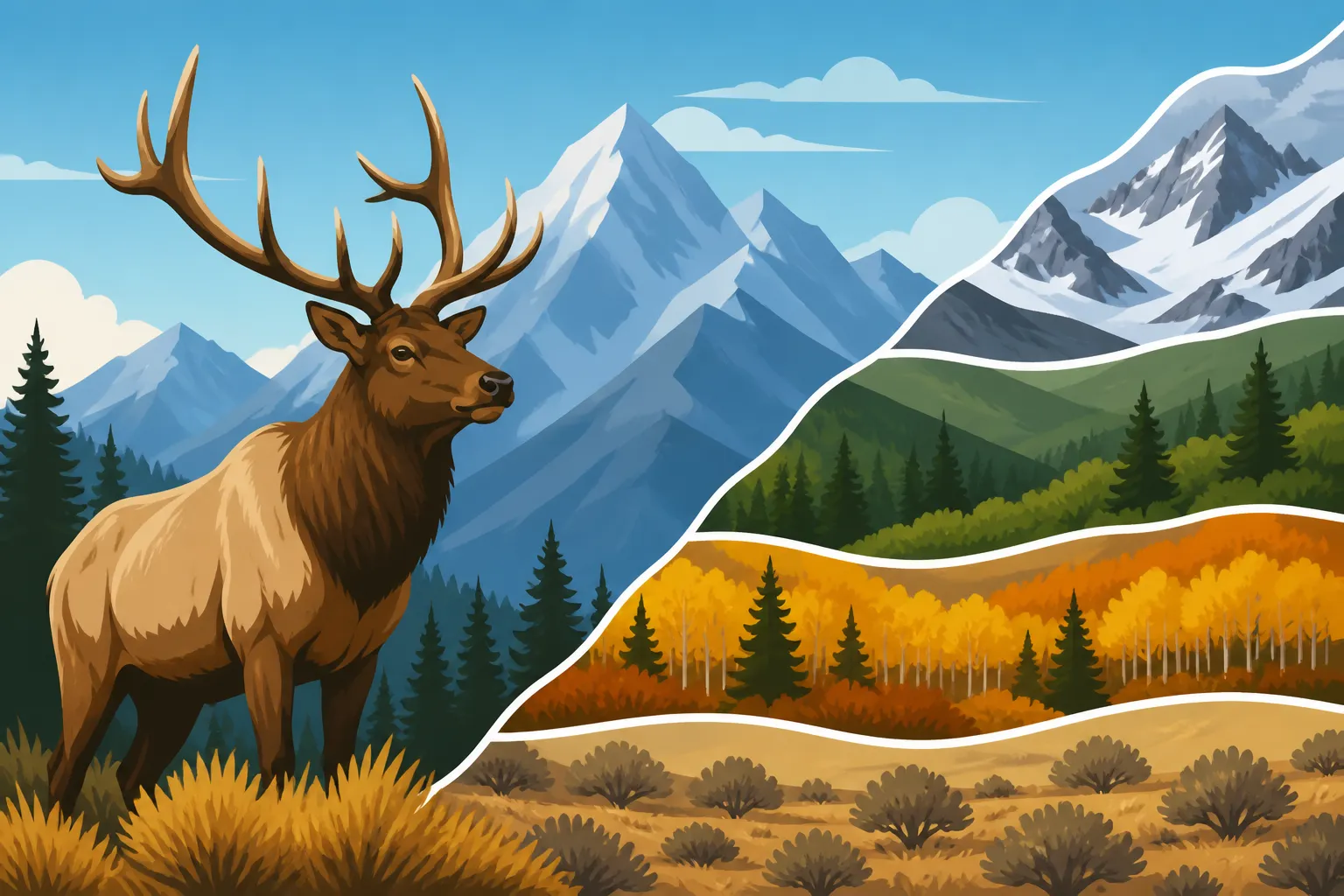
Colorado isn't just one big mountain; it’s a tapestry of environments, from sagebrush flats to towering peaks, and each one plays a role in an elk's life cycle. The sheer scale and variety can be overwhelming for any hunter, but understanding how these landscapes are stratified by elevation is the first step in unlocking the mysteries of elk movement.
The Basics of Elk Movement and Habitat Needs
Elk are creatures of habit, driven by fundamental needs: food, water, and security. They're constantly evaluating these factors, and their decisions dictate their location, often more than any other single element. Forage availability changes dramatically with elevation and season; what’s green and lush at 10,000 feet in July might be buried under five feet of snow in November. Water sources, from gurgling mountain streams to hidden seeps, are non-negotiable for elk, and they'll never be too far from a reliable drink. And when it comes to security, those big bulls and even herd cows are masters of finding thick cover, whether it's dense timber, dark canyons, or wide-open spaces far from human disturbance. Their survival depends on their ability to adapt to these changing conditions.
How Elevation Influences Seasonal Elk Patterns
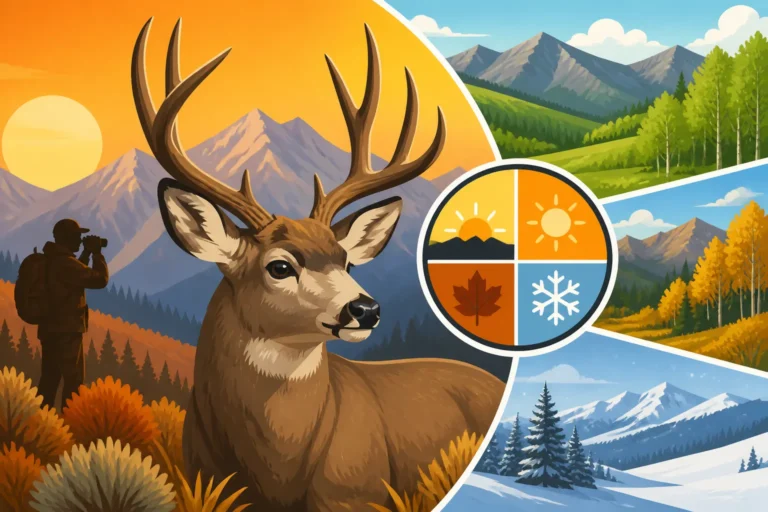
Think of elk like mountain climbers with a keen sense of timing. As the seasons shift, so do their preferred elevation bands. In the spring, as the snow melts and green shoots emerge, elk follow the receding snowline upwards, chasing fresh growth to replenish from winter's lean months. This is their journey to their summer high-country pastures. As fall approaches and temperatures drop, they begin to reverse course, descending to lower elevations where forage is still accessible, and the snow isn't quite as deep. This vertical migration is a critical aspect of their survival strategy, making a huge difference in where you'll find them during archery, muzzleloader, or rifle seasons. It’s not just a casual stroll; it’s a strategic movement to optimize their chances of survival and reproduction, and for us hunters, it’s the primary clue for where to start our search.
Elk Habitat Across Different Elevation Bands
Colorado's vast landscape offers distinct ecological zones, each with its own characteristics that appeal to elk at various times. Knowing these zones is paramount for a successful hunt.
Low Elevations: Foothills and Winter Range (5,000-8,000 feet)
When the snow starts piling up in the high country, usually late fall or early winter, elk begin their inevitable descent into these lower elevation zones. This is their primary winter range, crucial for their survival. Here, you'll typically find a mix of pinyon-juniper woodlands, sagebrush flats, and aspen groves interspersed with scattered ponderosa pine. The milder climate and shallower snow depths make forage more accessible, though often less nutritious than their summer diet. Think of areas like the lower reaches near Meeker, Craig, or the Piceance Basin in northwest Colorado, or even some of the transitional zones on the eastern slopes of the Front Range. While these areas hold elk in late seasons, they often see heavy hunting pressure due to easier access. Hunting these lower, often more open areas requires different tactics than the timbered slopes, often involving more glassing and longer shots. Don't underestimate the elk's ability to disappear in what seems like sparse cover; they've spent generations honing that skill.
Mid-Elevations: Montane Forests and Transitional Zones (8,000-10,000 feet)
This elevation band is where much of the classic Colorado elk hunting happens, especially during the archery and early rifle seasons when the rut is often in full swing. These montane forests are characterized by a diverse mix of aspens, Douglas fir, lodgepole pine, and spruce, creating a mosaic of dense cover and open parks. Water is generally abundant, and the forage quality is excellent, supporting large numbers of elk. This is prime breeding and feeding habitat. During the rut, you'll often hear bulls bugling their challenges across these valleys and ridges. Many accessible public lands, like those within the White River National Forest or Routt National Forest, fall within this band. Elk in these areas might be found feeding in open meadows at dawn and dusk, then retreating to the thickest timber patches during the day. Understanding How to Hunt Elk in the Dark Timber is particularly valuable here, as elk often seek refuge from hunters and warm midday sun in these dense stands.
High Elevations: Alpine Basins and Summer Range (10,000+ feet)
Above the timberline or just below it, you'll find Colorado's spectacular high-country habitat, often utilized by elk primarily in the summer and early archery season. This is where the biggest bulls go to escape pressure and grow massive antlers on the nutrient-rich forage of alpine meadows and subalpine parks. Elevations here can reach up to 12,000-13,000 feet, making for physically demanding hunting. Vegetation includes lush alpine grasses, forbs, and scattered stunted spruce and fir. Water is plentiful, often fed by snowmelt. Hunting in these areas demands exceptional physical conditioning and specific strategies, as detailed in our guide on How to Hunt Elk at High Elevation. Elk can be found grazing in open basins, but they'll quickly duck into small timber pockets or steep, rocky drainages when pressured. Think about the Sangre de Cristos, the Weminuche Wilderness, or the Flat Tops Wilderness; these areas are rugged, remote, and often hold fewer hunters willing to make the trek. You'll need to master How to Glass Big Colorado Basins to effectively locate animals in this expansive terrain.
Key Factors Beyond Elevation Influencing Elk Location
While elevation provides a fundamental framework for understanding elk habitat, it’s far from the only variable. Elk are dynamic animals, and their exact whereabouts are influenced by a complex interplay of environmental conditions and human factors.
Food, Water, and Thermal Cover
These three elements are the non-negotiable cornerstones of elk survival, regardless of the specific elevation. Elk constantly seek a balance of these needs. Food sources, like tender grasses, forbs, and aspen shoots, dictate where they spend their feeding hours. In dry years, elk will gravitate towards reliable water sources such as perennial streams, springs, or even small, muddy How to Hunt Elk Water Holes. If you want to dive deeper, you can also learn about How to Hunt Elk Wallows in Colorado, which often double as water sources and social hubs. Thermal cover, whether it’s a dense stand of pines on a north-facing slope that provides shade on a hot day or a thick oak brush patch that breaks the wind during a snowstorm, is critical for regulating their body temperature and providing a sense of security. Identifying these micro-habitats within any elevation band is key to finding elk, even when they seem to have vanished.
Pressure, Weather, and Time of Year
Elk are acutely sensitive to disturbance. Human hunting pressure, especially on public land, can drastically alter their patterns. If an area gets hit hard on opening weekend, those elk are often going to retreat to the thickest, nastiest, most inaccessible timber they can find, or they'll move to private land. They become experts at evading hunters, often moving mostly at night or holding tight in cover during daylight hours. Similarly, weather acts as a powerful driver of elk movement. A sudden cold front or a heavy snowfall can initiate migration to lower elevations, pushing elk out of their high-country summer haunts. Conversely, a warm, dry spell can keep them higher longer, especially if water is scarce lower down. The specific time of year, tied to the biological calendar (rut, calving, wintering), also dictates their behavior and preferred habitats, as explored in our comprehensive guide to Colorado Elk Hunting Methods Explained. A bull during the peak of the rut will be more focused on breeding than avoiding hunters, making calling tactics more effective, while post-rut bulls will shift back to feeding heavily to recover lost weight.
Using E-Scouting Tools and Technology
In today's hunting world, leveraging technology for pre-season scouting is a game-changer. Tools like GoHunt offer invaluable insights into unit statistics, draw odds, and most importantly for our topic, detailed topographic maps and satellite imagery. Before you ever set foot in the woods, you can use these platforms to analyze elevation changes, identify potential bedding areas, locate water sources, and pinpoint probable travel corridors. This digital legwork, often referred to as How to E-Scout Before a Colorado Hunt, allows you to create a detailed game plan, marking waypoints for glassing points, saddles, and potential kill zones. You can also layer on public/private land boundaries, historical burn areas, and forest service roads. Programs like BaseMap or onX Hunt are also incredibly useful for real-time navigation and marking observations once you're on the ground. They are truly indispensable for understanding the intricate relationship between elevation and elk movement, helping you to strategize your approach to Colorado Public Land Hunting Guide.
Elk Elevation, Habitat, and Hunting Considerations
| Elevation Band | Typical Range (feet) | Key Habitat Characteristics | Time of Year (Primary) | Hunting Considerations |
|---|---|---|---|---|
| Low Elevations | 5,000 – 8,000 | Pinyon-juniper, sagebrush, ponderosa pine, oak brush, open valleys. Drier, less snow. | Late Fall / Winter (Dec-March) | Can be crowded, easier access. Elk are concentrated on winter range. Focus on thermal cover, south-facing slopes. Longer shots possible. Requires patience and stealth. |
| Mid-Elevations | 8,000 – 10,000 | Mixed conifer (Douglas fir, lodgepole, spruce), aspen groves, open meadows, abundant water. | Early Fall (Sept-Nov) | Prime rutting grounds. Good blend of cover and forage. Active bugling. Often holds highest elk densities. Can be steep; fitness important. Learn How to Call Elk in Colorado. |
| High Elevations | 10,000 – 13,000+ | Alpine meadows, subalpine parks, krummholz spruce/fir, rocky terrain. Lush summer forage. | Summer / Early Fall (July-Sept) | Physically demanding, remote. Less pressure early in the season. Requires significant fitness and navigation skills. Glassing is key. Elk may be scattered or in small pockets. Best for Colorado Backcountry Hunting Guide. |
| Transitional Zones | Varies with season | Between bands, often along south-facing slopes. | Spring / Late Fall (April-May, Nov) | Elk are moving between ranges. Can be hard to pinpoint exact location. Focus on pinch points, saddles, and benches used for migration, especially when snow pushes them down or receding snow pulls them up. Understand Colorado Elk Migration Patterns. |
Disclaimer
Hunting in Colorado involves inherent risks, including but not limited to adverse weather conditions, rugged terrain, and encounters with wildlife. Always prioritize safety, understand and follow all Colorado Parks and Wildlife regulations, and be prepared for emergencies. The information provided in this guide is for informational purposes only and does not guarantee hunting success or safety. Always perform your own thorough research and scouting.