Colorado Black Bear Color Phases
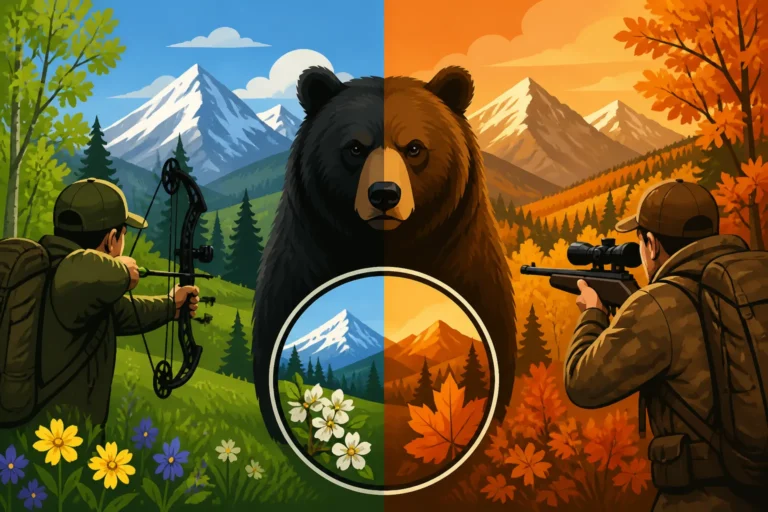
It’s a truly surprising moment for many hunters in Colorado when they spot what they assume is a black bear, only to see it sporting a coat of rich brown, golden blonde, or even a striking cinnamon hue. This common misconception often leads to confusion and raises questions about bear identification in the field. This comprehensive guide aims to shed light on the incredible diversity of black bear color phases found across Colorado, helping you confidently identify these magnificent animals and appreciate their unique appearances.
The Fascinating Genetics Behind Black Bear Color Variations
When we talk about "black bears," the name itself is a bit of a misnomer, especially here in the Western states. While many bears are indeed black, a significant portion exhibits a stunning array of other colors. This isn't just random; it's all thanks to the fascinating world of genetics and the pigments that give their fur its characteristic shade.
The Science Behind Bear Colors
At its core, a bear's fur color is determined by melanin, the same pigment responsible for hair and skin color in humans. There are two main types of melanin: eumelanin, which produces black and brown shades, and pheomelanin, responsible for red and yellow tones. In black bears, a specific gene called the MC1R gene plays a crucial role in controlling the production and distribution of these pigments. Variations or mutations in this gene can lead to a reduced production of eumelanin, resulting in lighter fur colors. This is a common genetic trait found in many Western black bear populations, including those in Colorado. It’s not about them being a different species; it’s simply a genetic switch that leads to a different coat color. Imagine a litter of puppies from the same parents; you might get a black one, a brown one, and a brindle one, all from the same breed. It’s a similar, natural phenomenon in black bears.
How Environment Might Influence Shade and Prevalence
While genetics are the primary driver of a bear's color phase, environmental factors can subtly influence the shade or richness of that color, and also where certain color phases might be more prevalent. For example, a bear spending a lot of time in direct sunlight might experience some bleaching of its fur, making a brown bear appear a bit more faded or "sun-kissed." Diet and overall health can also affect the luster and condition of the coat, making colors appear more vibrant or dull. What's truly interesting, however, is the regional prevalence of certain color phases. In some parts of Colorado, particularly in the western slope and southern regions, non-black color phases are quite common, even dominant. This is thought to be an evolutionary advantage in more open or arid environments, where lighter colors might provide better camouflage against rocky outcrops, light-colored timber, or even offer some thermal regulation benefits by absorbing less heat from the sun compared to a true black coat. When you're planning a hunt and using tools like GoHunt to scout specific units, it’s worth remembering that the prevalence of these different color phases can vary widely depending on the region's genetics and habitat type.
Common Color Phases Seen in Colorado's Black Bears
Colorado's black bear population is a vibrant tapestry of colors, making them one of the most visually diverse populations in North America. Forget the idea that all black bears are simply black; that couldn't be further from the truth in our state. Understanding these variations is key for any hunter or wildlife enthusiast.
Black as Night: The Classic Phase
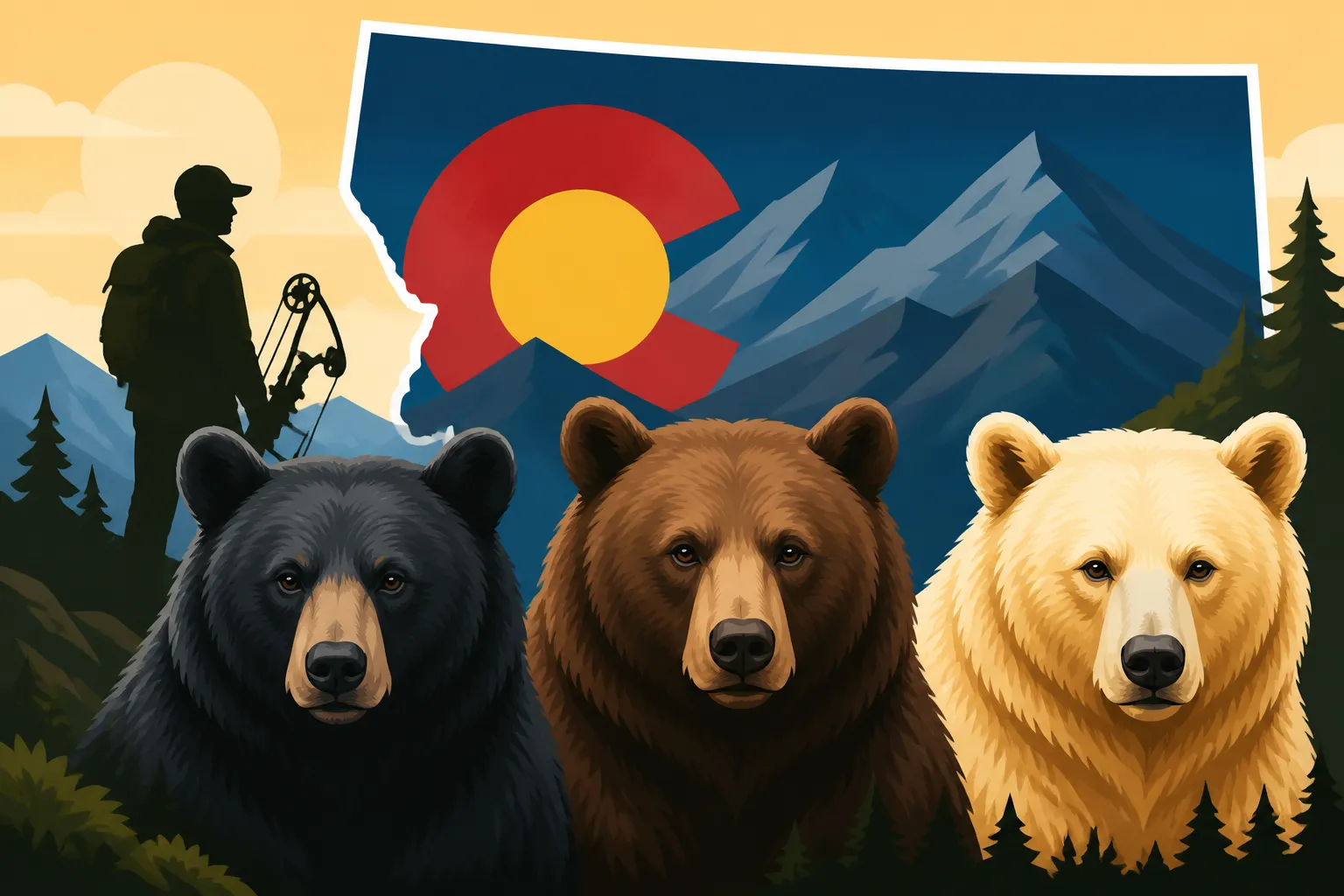
Of course, the classic "black" phase is still very much present and often what most people picture when they think of a black bear. These bears have fur that ranges from a deep, glossy black to a slightly faded, smoky charcoal. Their muzzle might be a lighter brown, and they often have a tan or light-colored patch on their chest, which is sometimes called a "chest blaze" or "collar." These truly black bears tend to be more common in the dense, dark timbered areas of northern and eastern Colorado, though they can be found statewide. When you're in thick stands of spruce and fir, a black bear can disappear into the shadows almost instantly. Their dark coats offer excellent camouflage in these environments, allowing them to move silently and remain undetected. Spotting a truly black bear moving through a dark, wet canyon is a classic Colorado hunting experience, and it's always a thrill to see that iconic silhouette.
Cinnamon and Brown: A Widespread Variation
The cinnamon and various brown phases are incredibly common throughout much of Colorado, particularly in the central and western mountainous regions. These bears showcase a spectrum of warm tones, from a reddish-brown that reminds you of a spice rack to a deeper, rich chocolate brown. Often, a cinnamon bear might have lighter frosting on its shoulders or hindquarters, giving it a somewhat grizzled appearance. Their faces might also be a lighter shade of brown, contrasting with their darker eyes. Identifying these bears correctly is crucial, as their color can sometimes lead to confusion with grizzly bears, which do not inhabit Colorado. However, a quick look at other characteristics, like their facial profile (more Roman nose on a black bear versus a dished face on a grizzly) and the absence of a shoulder hump, will usually clear up any doubt. When you’re spending hours glassing open hillsides in areas like the San Juan Mountains or the Flat Tops Wilderness, you’ll often find these brown and cinnamon bears blending seamlessly with the dry grass and timbered slopes. Learning to differentiate them from the rocks or fallen logs is a skill in itself!
Blonde and Light Shades: The Rarer Beauties
While less common than black or cinnamon, blonde and even yellowish-white color phases do exist in Colorado's black bear population. These lighter bears are truly stunning and can be quite a sight to behold. Their fur can range from a pale cream or flaxen blonde to a brighter, almost golden hue. Just like their darker counterparts, they still retain the classic black bear physical characteristics, such as a relatively straight facial profile and taller, pointed ears compared to a grizzly. Encountering a blonde phase black bear is often a once-in-a-lifetime experience for many hunters, as they stand out dramatically against the darker landscapes. Their rarity can make them particularly memorable, and sometimes even more challenging to judge effectively at a distance if you're not used to seeing such a light-colored bear. Understanding the full range of these Colorado Black Bear Color Phases is an essential part of becoming a well-rounded hunter and wildlife observer in our state. Using resources like GoHunt to research specific game management units (GMUs) can give you insights into general bear populations, though predicting the exact color phase you'll encounter is always part of the mountain's surprise.
Why Color Phases Matter for Hunters
Beyond the sheer aesthetic appeal, understanding black bear color phases is actually quite important for ethical and successful hunting in Colorado. It boils down to proper identification, preventing misidentification, and making accurate field judgments.
Identification and Ethical Considerations
The most critical reason for recognizing color phases is accurate species identification. While Colorado does not have grizzly bears, hunters in neighboring states do, and knowing the difference between a brown-phase black bear and a grizzly is paramount. Even here in Colorado, a misidentified animal, or one that a hunter is unsure about, should never be shot. This is where understanding the subtle differences that go beyond just color becomes vital. A black bear, regardless of its color, will generally have a more pointed muzzle, larger and more prominent ears, and lack the pronounced shoulder hump and dished face characteristic of a grizzly. Moreover, antler point restrictions are a common management tool for elk and deer, but with bears, it's often about sex and size. If you're targeting a boar (male) and mistakenly shoot a sow (female), especially one with cubs, it's an ethical violation and can lead to legal repercussions. Knowing that a "brown bear" is still a black bear helps you focus on other key identification features, like body size, head shape, and behavior, to ensure you're making a responsible decision in the field. This foundation of knowledge is crucial for a responsible hunting experience, contributing to sound wildlife management.
Judging Size and Age with Varying Hues
Color phases can also subtly affect how you judge a bear's size and age in the field. For instance, a very dark, black bear can sometimes appear larger than it actually is because its uniform color can make it harder to distinguish individual body contours and musculature, especially in low light. Conversely, a lighter-colored bear, like a blonde or cinnamon, might have more visible muscle definition and highlights, which can make it easier to discern body condition and overall mass. This is particularly true if you are trying to estimate the age of a bear, as older bears might develop a more pronounced pot belly, broader shoulders, or a thicker neck, features that can be accentuated or obscured by different fur colors.
Consider a scenario where you're trying to determine if a bear is a mature boar. A dark bear in the shadows might look like a huge, mature animal, but once it steps into the light, you might realize it's a smaller, younger bear. A lighter bear, however, might reveal its true size and condition more readily. It’s a common frustration when glassing long distances in the mountains – the light changes constantly, and what looks like a big bear might just be an optical illusion. Learning to account for the impact of color on perceived size comes with experience and by carefully observing multiple bears in different lighting conditions. Using high-quality optics and patiently observing a bear’s movements and proportions are far more reliable than relying solely on its color for judgment.
Here's a quick reference table for common black bear color phases in Colorado:
| Color Phase | Description | Prevalence in Colorado (Approx.) | Key Distinguishing Features for Hunters |
|---|---|---|---|
| Black | Deep, glossy black to charcoal gray | ~50-60% | Classic appearance, can look larger in low light. Often has a lighter brown muzzle or chest patch. |
| Cinnamon | Reddish-brown, light to dark | ~20-30% | Very common, especially in Western CO. Distinct reddish tint. Good camouflage in dry, timbered areas. |
| Brown | Chocolate brown to medium brown | ~10-15% | Varies widely in shade. Blends well with dirt, rocks, and timber. Can have lighter frosting. |
| Blonde/Tan | Pale cream, light golden, or yellowish-white | ~<5% | Least common. Stands out clearly. Easier to discern body details in good light. |
Dispelling Myths and Misconceptions About Bear Colors
There are a lot of old wives' tales and misunderstandings when it comes to bear identification, especially concerning their fur color. Let's clear up some of the most common ones that can lead to confusion in the field.
Not All Black Bears Are Black
This is perhaps the most widespread misconception, and it’s why so many hunters are surprised when they encounter a brown or cinnamon bear in Colorado and are told it's a "black bear." The species name Ursus americanus refers to the American black bear, and this species encompasses all the color variations we've discussed. It's not like deer, where whitetails are one species and mule deer are another. With black bears, the color is just a phenotypic expression, like hair color in humans. You wouldn't call a redhead a different species from a blonde, right? It's the same principle here.
The prevalence of non-black color phases is actually quite high in Western states, including Colorado. In some areas, up to 70% or more of the black bear population might be brown, cinnamon, or blonde. This is a crucial piece of information for anyone heading into the Colorado backcountry, especially if you're trying to determine if you're looking at a bear you can legally harvest. Relying solely on the name "black bear" to dictate color expectations is a recipe for misidentification. Instead, focus on the anatomical features like ear size, snout profile, and the absence of a shoulder hump, which remain consistent across all color phases of black bears. Tools like the Colorado Hunting Atlas can show you bear habitat, but only your keen observation skills will reveal the bear's true color.
Color vs. Species Confusion
Another persistent myth is that a bear's color automatically designates its species. For example, some people mistakenly believe that any "brown bear" is a grizzly, or that if it's not black, it must be a different kind of bear altogether. This is flat-out incorrect, and it's a dangerous assumption if you're hunting in areas where grizzlies might still exist (which, thankfully, isn't the case in Colorado anymore, with the last confirmed grizzly sighting decades ago). The term "brown bear" is often used interchangeably with grizzly bear, particularly in Alaska and other northern territories, but it specifically refers to a subspecies of Ursus arctos. Black bears, Ursus americanus, can be any color from black to blonde.
To avoid this confusion, remember that in Colorado, all bears are black bears, regardless of their coat color. There are no grizzlies in our state. So, if you see a bear, whether it's black, cinnamon, chocolate, or blonde, you're looking at a black bear. The identification process should always focus on morphology – the physical characteristics of the animal – rather than just its color. This is especially true for hunters who want to avoid mistakes. Knowing how to field judge a Colorado bear, considering its body size, head shape, and behavior, is far more important than the color of its fur. If you're looking to apply for a bear tag, understanding the rules for Colorado Black Bear Hunting Guide will be essential. You'll want to thoroughly research Colorado Fall Bear Season and Tags or Colorado Spring Bear Season and Tags to align with your hunting goals. For pre-season planning and research, especially on bear behavior, resources like GoHunt can provide valuable data on historical harvest rates and general population trends, allowing you to focus your scouting efforts on promising units.
Ultimately, appreciating the diverse color phases of Colorado's black bears adds another layer of wonder to our incredible wildlife. It challenges our preconceived notions and encourages us to be more observant, knowledgeable, and respectful stewards of the wild. Whether you're hunting, hiking, or just enjoying the scenery, keeping an eye out for these colorful variations will make your time in the mountains even more rewarding. Learning How to Spot-and-Stalk Colorado Bears can be greatly enhanced by understanding how different colors might stand out or blend in with the environment. For detailed strategies on hunting methods, you might also find our guide on Best Method to Hunt Colorado Black Bear helpful. And if you're keen on ethical hunting, don't miss our insights on Colorado Black Bear Field Judging Tips.
Disclaimer
This guide is intended for informational purposes only and does not replace official regulations or professional guidance. Always consult the latest Colorado Parks and Wildlife (CPW) regulations before planning any hunting activity. Hunting is a serious endeavor that requires adherence to laws, ethical practices, and safety protocols.