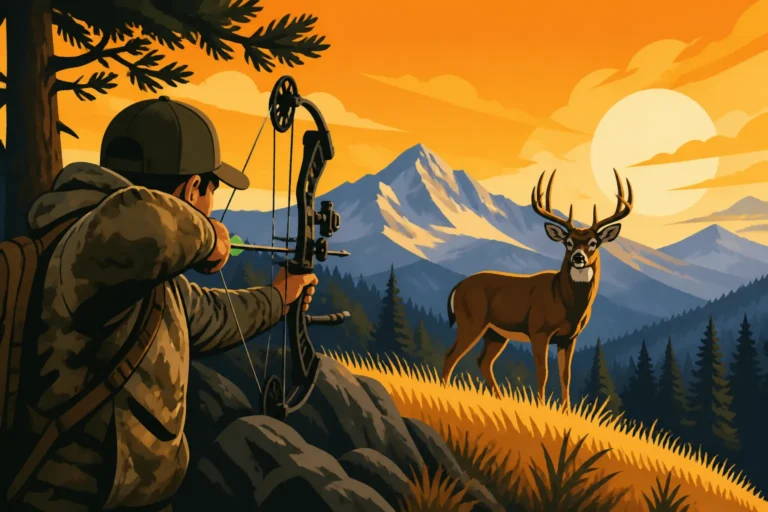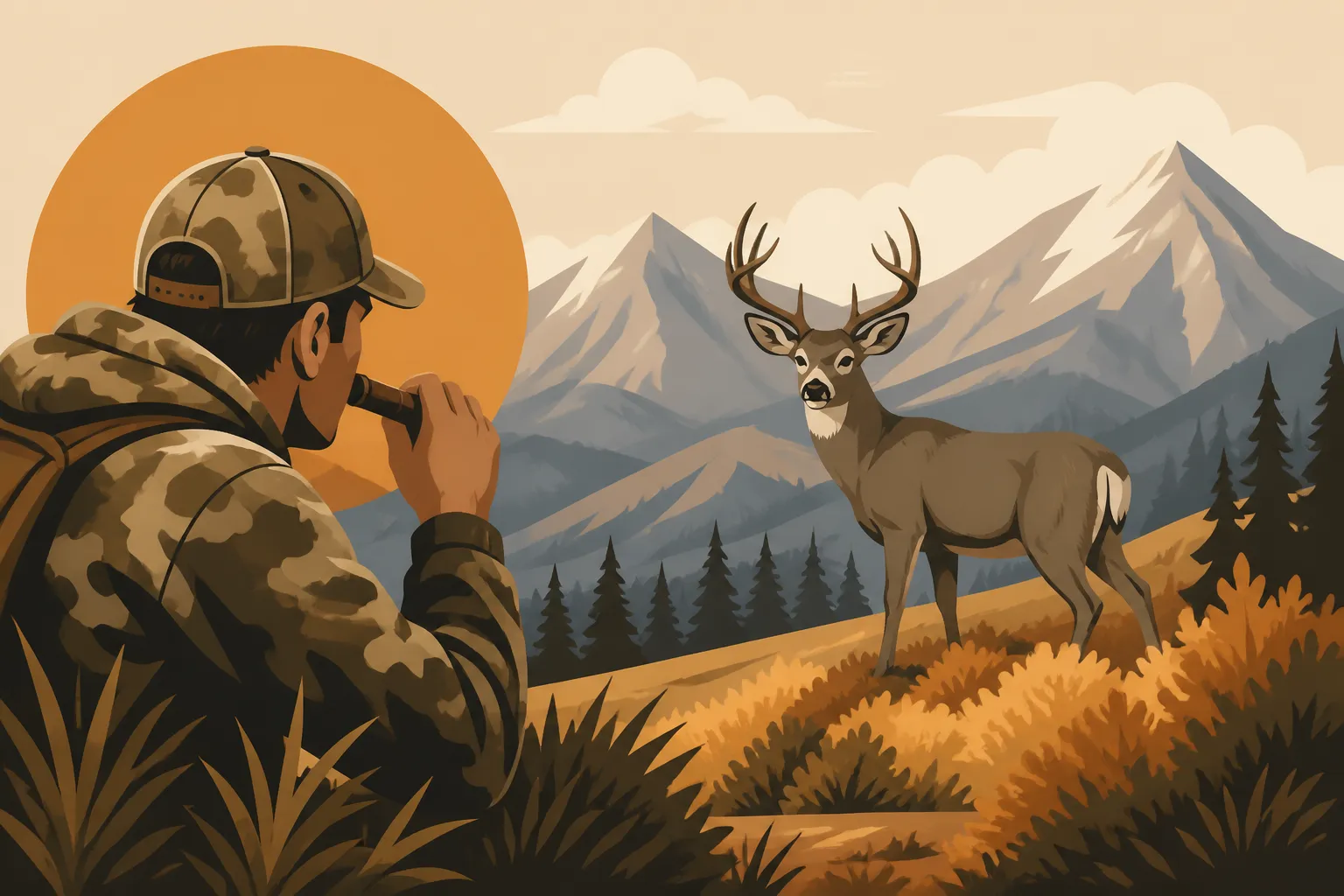
Colorado Mule Deer Hunting: Calling Tactics
It’s easy to get caught up thinking about elk bugles and cow calls when you plan a Colorado hunt, but when it comes to mule deer, many hunters assume calling isn't really a thing. You might have tried a bleat can once or twice with no luck, leaving you feeling like mule deer are just too wary or silent to respond. But that’s not entirely true! While they’re certainly not as vocal as elk, mule deer can and do respond to calls, especially when used correctly and at the right time. This guide is all about diving deep into effective calling tactics for Colorado mule deer, helping you add another powerful tool to your hunting arsenal.
Understanding Mule Deer Communication
Let's be honest, mule deer aren't the chatty type. Unlike their whitetail cousins or the incredibly vocal elk, mule deer tend to be pretty quiet. This often leads hunters to believe they don't vocalize much at all, but that's a misconception. Their communication is just more subtle, typically reserved for specific situations. Understanding this subtlety is the first step to knowing when and how to call effectively.
The Limited Vocal Repertoire of Mule Deer
Mule deer rely heavily on their incredible eyesight and keen sense of smell to communicate and detect danger. Their vocalizations are generally short-range and low-key, often designed to convey warnings or simple interactions rather than broadcast their presence across vast canyons. You won't hear a mule deer "bugle" in the same way you'd hear a bull elk challenge another. Instead, their sounds are more focused:
- Bleats: These are soft, almost sheep-like sounds made by does and fawns. They express contentment, alarm, or a fawn seeking its mother.
- Grunts: Bucks, especially during the rut, might emit guttural grunts, usually in pursuit of a doe or in a challenge display. These are typically short, deep, and not very loud.
- Snorts/Blows: These are universal alarm signals, often accompanied by a foot stomp, indicating a deer has detected danger and is warning others. These are not calls you'd try to imitate!
Because their vocal repertoire is so limited and used mostly for close-quarter communication, trying to "call in" a mule deer requires a different mindset than, say, trying to call in a bull elk. It's about triggering a natural response, often an emotional one, like curiosity or a maternal instinct.
When Mule Deer Vocalize
The timing and context of mule deer vocalizations are crucial for understanding when your calls might be most effective. They don't just randomly vocalize.
- Fawn distress: A fawn separated from its mother, or in danger, will emit high-pitched, pleading bleats. This is one of the most reliable calls because it taps into a doe's strong maternal instinct and can also draw in curious bucks who might be in the area, or even predators.
- Doe-fawn interaction: Does use soft bleats to communicate with their fawns, ensuring they stay close or come to feed. These are usually very subtle sounds.
- Rutting activity: During the peak of the rut, bucks become more vocal, grunting as they chase does or square off against rival bucks. Does may also bleat more frequently as they are pursued. Understanding the Colorado Mule Deer Rut Explained can give you a significant advantage in timing your calling efforts.
- Alarm: As mentioned, snorts and blows are clear alarm signals. If you hear these, you've likely been busted, and it's time to re-evaluate your approach.
For a hunter, this means that while calling might not always be your primary tactic, it can be incredibly effective when used judiciously and in scenarios where these natural vocalizations would occur. It's often more about creating a situation that might elicit a response rather than aggressively "calling" like you would for elk.
Types of Calls for Mule Deer
When it comes to mule deer, simplicity is often key. You don't need a huge arsenal of calls, but rather a good understanding of how and when to deploy the few effective ones. The most common and successful calls mimic sounds related to social interactions or distress.
Fawn Distress Calls
This is arguably the most potent call in a mule deer hunter's bag of tricks. A fawn distress call mimics the sound of a young deer in trouble – perhaps caught by a predator or separated from its mother. This sound triggers a powerful instinctual response in adult does, who will often come to investigate, ready to defend. But here’s the cool part: curious bucks will often respond too. They might be looking for a potential predator (which could lead them to a vulnerable doe), or just checking out the commotion.
- How it works: The high-pitched, frantic bleating of a fawn distress call cuts through the air. You're trying to evoke a strong protective or inquisitive reaction.
- When to use it: This call can be effective throughout most of the hunting season, from early archery to late rifle. It’s particularly good when deer are not actively rutting and might be harder to locate. If you've just
Spotted-and-Stalked Colorado Mule Deerinto a thicket and lost sight of them, a fawn distress call might just bring them out or stop them for a shot. - Technique: Start with a few short, sharp bleats, then pause. Mimic genuine distress: not too rhythmic, vary the intensity. If nothing, wait a few minutes and try again. Sometimes, a deer will circle downwind, so always be ready for one to appear from an unexpected direction.
Doe Bleats and Grunts
These calls are a bit more nuanced than fawn distress calls, and they require a deeper understanding of Colorado Mule Deer Behavior in the Rut.
- Doe Bleats: A soft doe bleat can imitate a receptive doe looking for a buck, or simply a deer moving through the woods.
- How it works: During the rut, a doe bleat can attract bucks looking for a mate. Outside the rut, it might appeal to a buck's curiosity, or a doe might respond if she thinks it’s another deer in her territory.
- When to use it: Most effective during the rut, particularly for drawing in a buck that might be trailing a real doe or looking for companionship. It can also be used subtly when still-hunting through timber to simulate natural deer sounds, as discussed in How to Move Quietly Through Colorado Timber.
- Technique: Keep it soft and infrequent. A short, quiet bleat followed by a long pause is often better than aggressive calling. Overdoing it can make deer suspicious.
- Buck Grunts: These deeper, guttural sounds are generally made by bucks during the rut.
- How it works: A grunt can challenge another buck or signal dominance, potentially drawing in rival bucks.
- When to use it: Exclusively during the rut. A buck grunt outside of the rut would be highly unnatural and likely spook deer.
- Technique: Use sparingly. A few short, deep grunts can work, but again, don't overdo it. Pair it with rattling for maximum effect.
Rattling and Antler Clashing
Rattling is one of those tactics often associated with whitetails, but it can absolutely work for mule deer, especially during the peak rut. You're mimicking the sound of two bucks fighting or sparring.
- How it works: The sound of antlers clashing can draw in dominant bucks eager to assert themselves or curious bucks looking to see who's fighting. Smaller bucks might come in to watch, while bigger, more mature bucks might come in to break up a fight and claim any nearby does.
- When to use it: The prime time for rattling mule deer is during the rut, generally from mid-November through early December in many parts of Colorado. This is when bucks are most competitive and territorial. Before the rut, light sparring might occur, but aggressive rattling is less effective.
- Technique:
- Start soft: Begin with a light tickling of antlers, mimicking sparring. Build up to more aggressive clashing, grinding, and pushing, as if two bucks are truly fighting.
- Duration: Clash antlers for 30-60 seconds, then pause for several minutes. Bucks won't always come running in, so patience is key. A buck might take 10-15 minutes or more to commit.
- Visuals (optional but helpful): If you can, set up in a way where a deer can't immediately see you but can hear the sound coming from a thicket. Some hunters even use a decoy, though this adds complexity.
- Wind: Always be mindful of the wind. A mule deer will almost always try to circle downwind to get a scent check before committing, so position yourself to intercept them or have a shooter ready in that direction.
Strategic Calling Scenarios and Techniques
Successfully calling mule deer isn't just about making the right sound; it's about making the right sound at the right time and in the right place. Mule deer are incredibly wary, and the mountains of Colorado offer them plenty of escape routes. Your strategy needs to account for their behavior, the season, and the terrain.
Calling During the Rut
The rut is undoubtedly the best window for calling mule deer, specifically with doe bleats and rattling. Bucks are focused on breeding, less cautious, and more prone to investigate sounds related to rival bucks or receptive does.
- Understanding Rutting Behavior: As the Colorado Mule Deer Rut Explained details, bucks will be actively searching for does, chasing them, and sometimes sparring with other bucks. This heightened activity makes them more susceptible to calls.
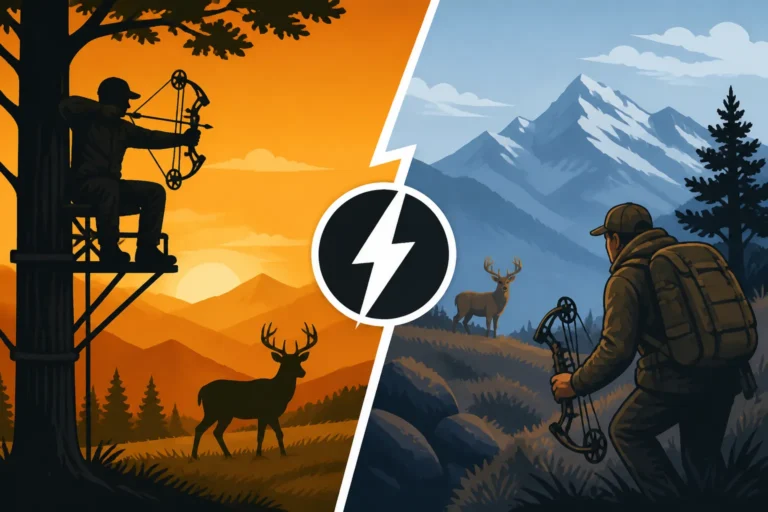
- Using Doe Bleats: If you spot a buck that's on the move, or if you're in an area where you know bucks are cruising for does, a soft, infrequent doe bleat can sometimes stop a buck in his tracks, or even draw him in closer. Picture this: you've been glassing a big basin, perhaps in areas near Gunnison or Durango, and you see a lone buck working his way across. A soft bleat could pique his interest and bring him into range, especially if you're set up for Colorado Mule Deer Hunting: Rifle Tactics or Colorado Mule Deer Hunting: Archery Tactics.
- Aggressive Rattling: When you know bucks are sparring and competing, aggressive rattling can be incredibly effective. Set up in a thick area with good visibility around you, but where a buck can't immediately pinpoint your exact location. Crash those antlers together, then wait. Be prepared for a buck to come in fast and silently. They might not come straight to the sound; often they'll circle to get a visual or scent. This is where a good hunting buddy can be invaluable, watching different approaches.
Calling Outside the Rut (Early Season/Late Season)
While the rut is prime time, you're not completely out of luck during other seasons. The key is to switch your focus from breeding-related calls to other instinctual responses.
- Early Archery Season: During the early archery season, bucks are often still in bachelor groups and haven't ramped up their rutting behavior. Does are with fawns. This is a great time for fawn distress calls. If you're hunting high-country bucks in velvet, or even hard-horned bucks in September, and you suspect deer are bedded nearby or just out of sight, a fawn distress call can bring a curious doe or buck to investigate. It also works well if you've bumped deer and want to try and stop them or bring them back.
- Late Season Hunts: In the late rifle seasons, deer might be migrating or focused heavily on feeding before winter. Rutting activity has died down. Again, fawn distress can work, especially if there are still fawns with does. A soft doe bleat might also work if a buck is lonely or looking for any remaining receptive does, but it's much less reliable than during the peak rut. Focus more on traditional hunting methods like Colorado Mule Deer Hunting: Spot-and-Stalk Tactics and using calls to complement, not replace, those efforts.
Combining Calling with Spot-and-Stalk
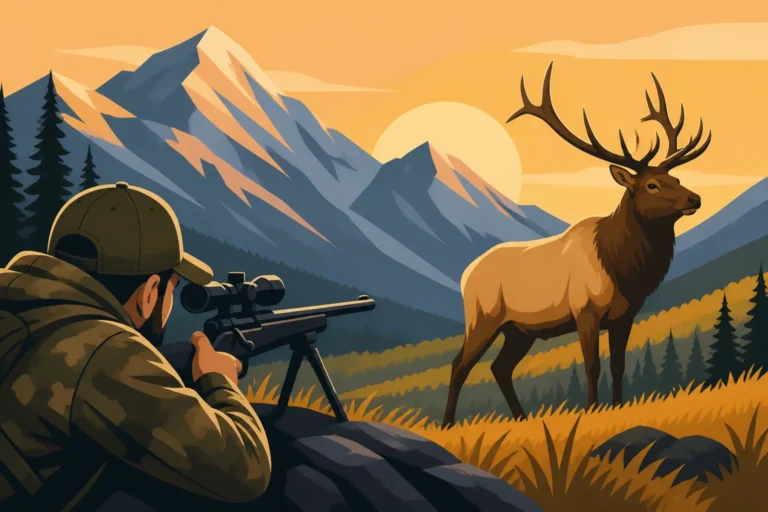
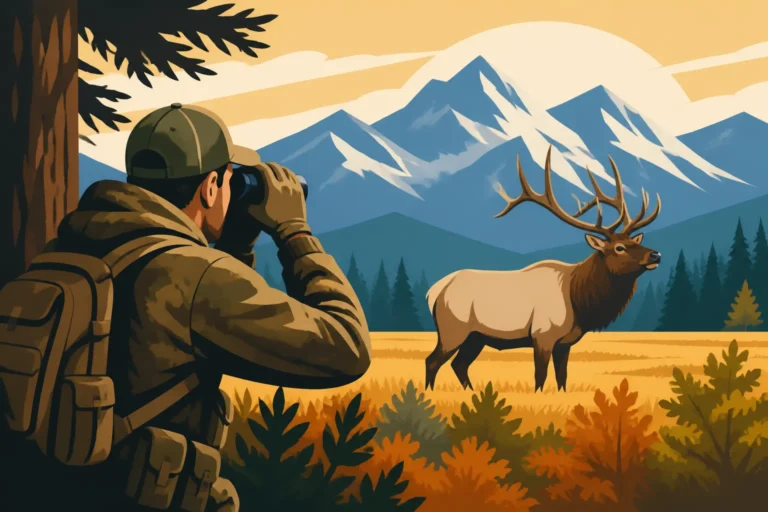
This is where calling truly shines for mule deer in Colorado. Rarely will you sit down, blow a call, and have a trophy buck walk into your lap. More often, calling is a tool to enhance your primary hunting strategy: spot-and-stalk. How to Hunt Mule Deer in Colorado emphasizes the importance of good glassing, and calling is often the follow-up act.
- Stopping a Moving Deer: You've made a perfect stalk, but the buck is now walking into thicker timber, about to disappear. A sharp, loud doe bleat or fawn distress can often make him stop, just for a second, giving you that precious window for a shot. This is not about calling him to you, but simply stopping him.
- Drawing from Cover: You've glassed a buck bedded in a small clump of pines or a deep draw, but he's not offering a clear shot, or he's too far to stalk. A soft fawn distress call or a doe bleat might pique his curiosity enough to make him stand up or take a few steps out of cover to investigate. He might just stick his head up, or move to the edge of the timber. Be ready with your rifle or bow when you execute this.
- Post-Stalk Strategy: Let's say you've completed a stalk, but the deer you were after slipped away into a patch of dark timber before you could get a shot. Instead of giving up, try a subtle fawn distress call. This might make the deer pause, or even turn back a bit, curious about the commotion they just heard. It’s a gamble, but often worth the risk when your other options are exhausted.
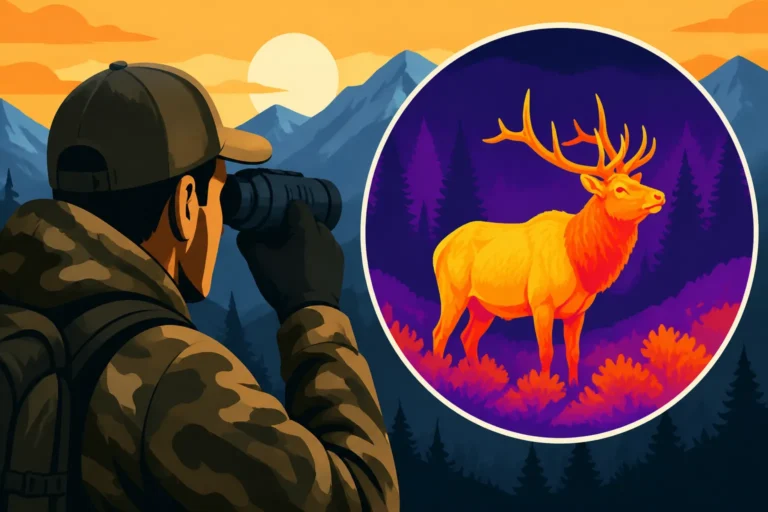
- Using GoHunt for Planning: Before your hunt, consider using tools like GoHunt to e-scout potential calling locations. Look for areas with good cover, natural funnels, and varying terrain that might influence how a deer approaches your calls. Knowing the general Colorado Mule Deer Habitat Explained for your unit will help you identify these spots.
Common Mistakes and How to Avoid Them
Even with the right calls and a basic understanding of mule deer behavior, it’s easy to make mistakes that can send a wary buck fleeing over the next ridge. Mule deer are not forgiving, and they learn quickly. Avoiding these common pitfalls will significantly increase your success rate when incorporating calling into your hunt.
Overcalling and Undercalling
This is a delicate balance, and often the difference between success and failure.
- Overcalling: The biggest mistake hunters make is often overcalling. Mule deer are naturally quiet. If you're constantly bleating or rattling, it sounds unnatural, almost like a desperate human, and will quickly make deer suspicious. Imagine hearing constant human yelling – you'd be wary too.
- How to avoid it: Think about natural pauses. A real fawn in distress wouldn't call continuously for five minutes. It would emit frantic bleats, then pause, listen, maybe move a little, then call again. Similarly, a real buck fight isn't non-stop. Engage in bursts, then be silent for several minutes, listening intently for a response. Less is often more.
- Undercalling: On the flip side, some hunters are so timid they don't call enough to get attention, especially if there's any wind or ambient noise. If your calls are too soft or too infrequent in a large, open basin, they might not travel far enough to be heard.
- How to avoid it: Adjust your volume and frequency to the conditions. On a windy day, you might need a slightly louder, more persistent sequence to cut through the noise. In calm, thick timber, whisper-soft calls might be all you need. Always consider the terrain and how sound travels.
Ignoring Wind and Terrain
This cannot be stressed enough: ignoring the wind is a cardinal sin in all deer hunting, and mule deer are no exception. Their nose is arguably their most potent defense mechanism.
- Wind Direction: A mule deer will almost always try to circle downwind of a sound to get a scent of whatever is making it. If you're calling and the wind is blowing your scent directly toward where you expect a deer to come from, you're setting yourself up for failure. The deer will smell you long before you see them.
- How to avoid it: Always position yourself so the wind is in your favor, blowing your scent away from the approach path. If you're in a stand or have a buddy, position a shooter downwind of the caller, anticipating the deer's approach. Use thermals to your advantage, especially in the mornings when air flows downhill and evenings when it flows uphill. Consider scouting your unit using tools like GoHunt to understand typical wind patterns in different drainages.
- Terrain: The rugged Colorado Mule Deer Habitat Explained means terrain heavily influences how deer move and respond to calls. A buck isn't going to cross a wide-open flat unless he's desperate or feels totally secure.
- How to avoid it: Set up your calling sequences in areas where a deer feels safe to approach, such as thick timber, creek bottoms, or behind ridges. Utilize natural funnels and cover. If you're rattling, pick a spot where the sound can echo but where a deer can't immediately pinpoint you visually. Having a clear shooting lane is vital, but so is concealment. Remember, mule deer often prefer to move along contours or through cover.
Not Being Ready for a Shot
Calling a mule deer can elicit an immediate, often unexpected response. A buck might burst into your setup, or a doe might appear silently, staring directly at your position. If you're fumbling with your call or not already in a shooting position, the opportunity will vanish in a heartbeat.
- Anticipate the Response: When you make a call, assume a deer is going to respond, and respond quickly.
- How to avoid it: Always have your weapon ready. If you're a rifle hunter, ensure your rifle is shouldered or easily accessible, and your scope is dialed in. If you're an archery hunter, have your bow in hand, nocked, and ready to draw. Be still and quiet after every call sequence. Scan all possible approach routes, not just the most obvious one. Remember that deer often come in from behind or to the sides, especially if they are circling downwind. Practice judging
Shooting Distance in the Mountainsso you can make a quick, ethical shot if a deer responds.
- How to avoid it: Always have your weapon ready. If you're a rifle hunter, ensure your rifle is shouldered or easily accessible, and your scope is dialed in. If you're an archery hunter, have your bow in hand, nocked, and ready to draw. Be still and quiet after every call sequence. Scan all possible approach routes, not just the most obvious one. Remember that deer often come in from behind or to the sides, especially if they are circling downwind. Practice judging
| Call Type | Best Time to Use | Primary Target | Expected Reaction |
|---|---|---|---|
| Fawn Distress | All seasons, esp. early/late | Does, curious bucks | Investigation, defensive posture (does), curiosity (bucks) |
| Doe Bleat | Peak Rut | Bucks | Curiosity, searching for receptive doe |
| Buck Grunt | Peak Rut | Bucks | Challenge, investigation, searching for doe |
| Antler Rattling | Peak Rut | Bucks | Investigation, challenge, curiosity |
Disclaimer
Hunting is an inherently dangerous activity. Always prioritize safety, understand and follow all Colorado Parks and Wildlife regulations, and respect private land boundaries. This information is for educational purposes only and does not guarantee hunting success. Conditions and regulations can change, so always verify the latest information from official sources.