Colorado Outfitter Base Camps Explained
For many aspiring elk hunters, the dream of chasing bugling bulls through the Colorado high country can quickly turn into a logistical nightmare. Between navigating unfamiliar terrain, hauling heavy gear, and the sheer physical demand, it's easy to feel overwhelmed before you even set foot in the wilderness. This comprehensive guide aims to demystify one of the most effective and often comfortable ways to tackle a Colorado hunt: the outfitter base camp.
Unpacking the Colorado Outfitter Base Camp Experience
Let's be real, the term "base camp" can conjure up a lot of images, from a simple spike tent to a full-blown wilderness lodge. When it comes to outfitter services in Colorado, a base camp is essentially your home away from home in the hunting grounds. It's the central hub from which your daily hunting adventures launch, and it’s where you return each evening for rest, food, and camaraderie.
Defining the Structure and Purpose
At its core, a Colorado outfitter base camp is a semi-permanent or temporary setup designed to support hunters in remote areas. Unlike a true backcountry spike camp where everything is ultralight and mobile, a base camp is usually established with more comfort and infrastructure in mind. It serves multiple crucial purposes:
- Logistical Hub: It's where food, water, supplies, and potentially even horses or ATVs are stored. This centralization allows hunters to focus on the hunt itself, rather than constantly worrying about setting up and tearing down camp.
- Comfort and Recovery: After a grueling day of navigating steep timber and high altitudes, having a warm, dry place to return to is invaluable. Base camps provide a place to eat hot meals, sleep comfortably, and mentally and physically recover for the next day's efforts.
- Guiding Operations: For guided hunts, the base camp is often where guides and hunters meet each morning, discuss strategies, and process game after a successful harvest. It becomes a central point for coordinating the entire hunting party.
Imagine a typical scenario: you've been working hard all day, climbing ridges, dropping into drainages, and maybe even had a close encounter with a bull. The last thing you want to do is set up a tent, filter water, and cook a dehydrated meal. With a base camp, you're coming back to a prepared dinner, a warm fire, and a comfortable cot, allowing you to truly recharge.
Types of Base Camps: From Rustic to Luxurious
The beauty of Colorado outfitter base camps is the variety. There's truly something for every hunter's preference and budget, ranging from surprisingly rugged to remarkably comfortable. It's crucial to understand these distinctions when you're exploring options, as expectations can vary wildly.
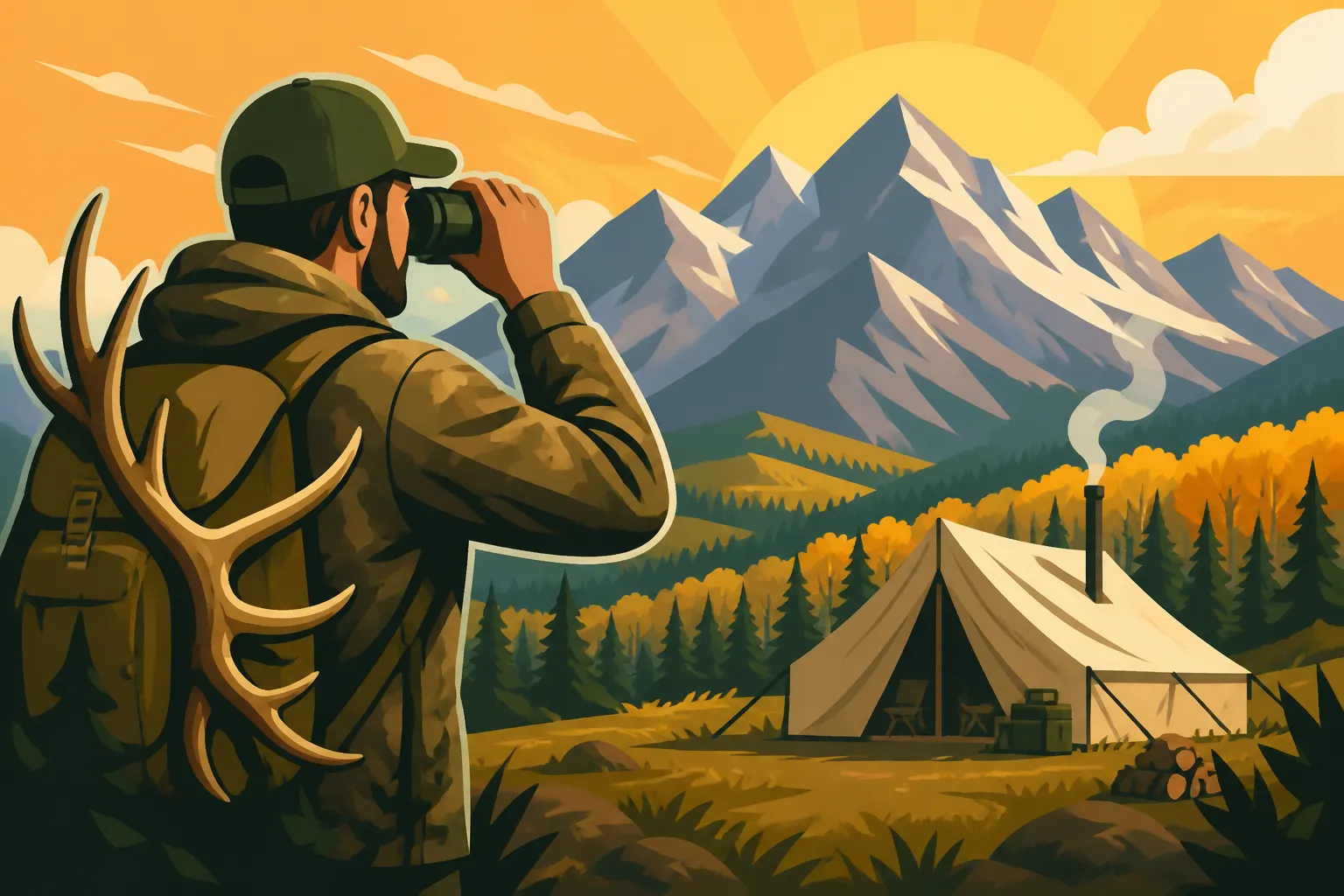
Rustic Wall Tent Camps: These are the quintessential image of a wilderness base camp. Picture large canvas wall tents, often heated by wood stoves, with cots or sleeping pads inside. These camps are typically set up by horse pack strings deep in the wilderness, sometimes even within a designated Colorado Wilderness Area Hunting unit, making them feel incredibly remote. You might find a central dining tent, an outhouse, and a designated cooking area. While still "rustic" compared to a lodge, the sheer space and ability to stand upright, combined with a warm fire, can feel incredibly luxurious after a day in the elements. These often cater to the experience of a Colorado Backcountry Hunting Guide where the focus is on getting deep into elk country.
Drive-In or Accessible Cabin Camps: Some outfitters have established cabins or lodge-style camps that are accessible by vehicle or a short ATV ride. These offer more permanent structures, often with electricity, running water (though not always hot showers), and even cell service in some rare cases. They combine the convenience of easier access with a robust structure, providing a higher level of comfort. These can be great options for those who want a guided experience but might not be up for a multi-day horse pack-in.
Spike Camp Extension: While a true base camp is fairly static, some outfitters will utilize a main base camp, but also set up temporary, lightweight spike camps for hunters to push even deeper into specific areas for a day or two. This offers the best of both worlds: the comfort of a main camp, with the flexibility to quickly move closer to elk when needed. Always clarify with your outfitter if their "base camp" also includes options for spike camping, especially if you're looking for that ultra-deep woods experience.
No matter the style, the underlying purpose remains the same: to provide a functional and comfortable staging ground for your hunt. The key is to discuss the specifics with your outfitter to ensure their definition of a "base camp" aligns with your expectations.
The Benefits of Choosing a Base Camp Hunt
Opting for an outfitter base camp experience, rather than a fully DIY hunt from a roadside campground, offers a multitude of advantages. It streamlines many of the logistical headaches, enhances your physical comfort, and provides access to invaluable expertise, especially for those new to the challenging terrain of Colorado.
Streamlined Logistics and Support
One of the biggest struggles for any hunter heading into the Colorado wilderness is logistics. Where do you park? How will you get your gear in? What about water? How do you pack out an elk if you get one miles deep? A base camp hunt largely solves these puzzles for you.
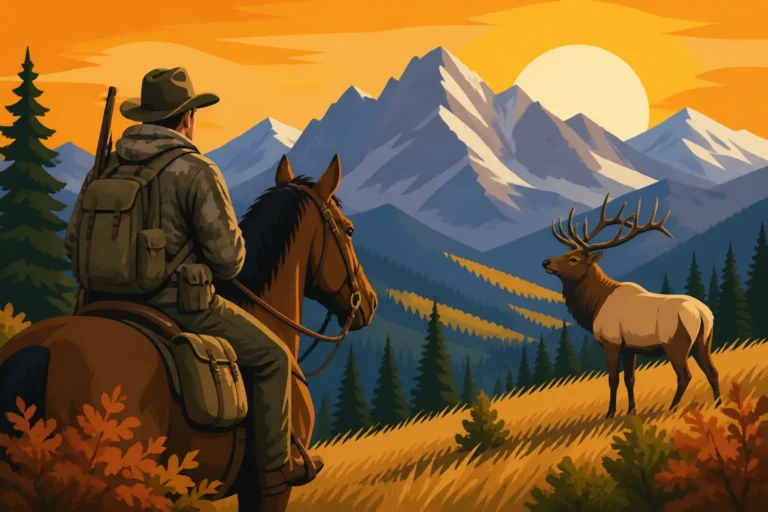
- Transportation of Gear: Most base camps, especially those deep in the backcountry, rely on horses or mules to pack in all the camp infrastructure, food, and hunter's gear. This means you don't have to carry a massive pack miles over rugged terrain just to establish a comfortable camp. Your focus can be on your day pack and your weapon.
- Food and Water: Forget dehydrated meals for every dinner. Outfitters typically provide hearty, home-cooked meals at their base camps. Imagine coming back to a hot steak, mashed potatoes, or a chili after a cold, wet day. Water is usually filtered or hauled in, so you're not constantly worrying about purifying your supply. This frees up significant mental and physical energy that would otherwise be spent on camp chores.
- Game Retrieval: This is a huge one. If you're fortunate enough to harvest an elk several miles from camp, the question of how to get that meat out becomes critical. Outfitters often have horses, mules, or ATVs dedicated to game retrieval. This service alone can be worth the cost for many hunters, as packing out an elk solo in steep country is one of the most physically demanding tasks in hunting. Learning How to Pack Out an Elk in Colorado becomes a much less daunting task with professional support.
This level of support allows you to dedicate your energy to the hunt itself. Instead of worrying about setting up a tent or making a fire, you can spend those precious twilight hours glassing a distant ridge or simply resting.
Enhanced Comfort and Recovery
Hunting Colorado's mountains is no walk in the park. The elevations, the steep climbs, the unpredictable weather – it all takes a toll. A base camp provides a level of comfort and recovery that a minimalist tent setup simply can't match.
- Shelter from the Elements: Wall tents with wood stoves offer a warm, dry sanctuary from rain, snow, or biting cold. It's a place to dry out wet gear, thaw your fingers and toes, and get a solid night's sleep without condensation dripping on your face. This isn't just about luxury; it's about safety and maintaining your core temperature and morale.
- Better Sleep: Sleeping on a cot with a thick sleeping pad, inside a spacious tent, is a world apart from a thin pad on frozen ground in a tiny backpack tent. Quality sleep is crucial for physical and mental performance when you're hunting hard every day. You'll wake up more refreshed and ready to tackle another day on the mountain.
- Hot Meals and Hydration: Consistent, caloric, and hot meals are vital for sustained energy in demanding environments. Outfitters usually excel at providing this. Proper hydration is also easier to maintain when you have access to readily available water at camp. These factors contribute significantly to preventing exhaustion and altitude sickness, which can plague hunters unprepared for the elevation, even after completing a diligent Altitude Training for Colorado Hunting regimen.
Ultimately, the enhanced comfort means you're not just surviving; you're thriving. This allows you to hunt harder, stay out longer, and maintain a positive attitude even when the hunting gets tough.
Expert Guidance and Local Knowledge
Perhaps the most significant benefit, especially for non-resident or first-time Colorado elk hunters, is the access to experienced guides and their profound local knowledge. This is where a base camp hunt truly shines, offering a distinct advantage over a purely Colorado DIY Elk Hunting Guide approach.
- Understanding Elk Behavior: Colorado's elk herds move and react differently based on season, weather, and pressure. A good guide, intimately familiar with the unit, knows where elk historically bed, feed, water, and travel. They can help you understand How to Use the Wind Hunting Colorado Elk, predict movement patterns, and navigate complex terrain. They might lead you to prime feeding areas on north-facing slopes, or know exactly where the elk will go to escape pressure from other hunters.
- Terrain Navigation and Safety: The Rocky Mountains can be unforgiving. Guides are experts at navigating the terrain, understanding weather patterns, and identifying potential hazards. They also know emergency procedures and carry necessary safety equipment, giving you peace of mind in a remote setting.
- Increased Success Rates: While success is never guaranteed in hunting, a guide's experience and knowledge significantly increase your odds. They know the subtle nuances of How to Call Elk in Colorado, where to set up for an ambush, and how to approach wary animals. They've spent countless hours scouting and have boots on the ground, meaning they have current information on elk locations. Websites like BookYourHunt or GoHunt often provide details on outfitter success rates, which can be a valuable consideration when choosing your adventure.
- Field Judging and Animal Care: For many, especially first-timers, field judging an elk or mule deer can be challenging. A guide can assist in identifying legal animals and can help you with the crucial steps of quartering and caring for your game in the field to ensure the meat is handled properly. This guidance is invaluable, especially when trying to How to Field Judge a Colorado Bull Elk.
Working with an experienced outfitter and guide through a base camp operation transforms your hunt from a hopeful venture into a strategic, informed expedition, significantly reducing the learning curve and upping your chances of a successful and memorable trip. This support is particularly valuable if you're assessing options like Guided vs DIY Elk Hunting in Colorado.
What to Expect at a Typical Colorado Base Camp
Stepping into an outfitter's base camp for the first time can be an exciting, albeit slightly unknown, experience. While every outfitter has their unique style, there are some common threads that run through most Colorado base camp operations. Knowing what to anticipate helps you prepare both mentally and practically.
Daily Routine and Operations
The rhythm of a base camp hunt is often dictated by the animals and the terrain. Early mornings are a given, as are long days on the mountain.
- Dawn Patrol: Expect very early mornings. Depending on the distance to your hunting grounds, you might be waking up an hour or two before legal shooting light. Coffee and a quick breakfast are usually served before you head out. Guides will have already checked weather conditions and planned the day's strategy.
- Hunting Strategy: Your guide will typically lead you to specific areas they've scouted or where they've located elk. This could involve hiking, riding horses, or sometimes even using ATVs to get to trailheads. The method will depend on the terrain, the outfitter's setup, and your physical capabilities. The day will involve glassing, still-hunting, calling, or even setting up in a strategic ambush point. If you’re lucky, you might spend the day trying to How to Bugle-Locate a Colorado Bull with your guide.
- Lunch in the Field: Most days, lunch will be a packed affair – sandwiches, snacks, and water – consumed out in the field to maximize hunting time. You'll likely only return to the main camp for the evening.
- Evening Return and Dinner: You'll head back to camp as shooting light fades or after a successful day. Once back, the focus shifts to a hearty dinner, sharing stories of the day, and prepping for tomorrow. This is also when game processing might occur if an animal was harvested.
This structure allows for maximum time in the field, which is exactly what you pay an outfitter for. The routine provides consistency, allowing you to settle into the flow of the hunt.
Food, Lodging, and Amenities
The amenities at a base camp can vary widely, but typically prioritize functionality and warmth over luxury. Don't expect a five-star resort, but do expect comfort tailored to the wilderness.
- Lodging: As mentioned, this often means canvas wall tents, typically 10×12 or 12×14 feet, usually shared with one or two other hunters. They’ll have cots with comfortable pads, and you'll bring your own sleeping bag rated for the expected temperatures. Wood stoves are common, providing welcome warmth and a place to dry wet gear. Some outfitters might have more permanent cabin structures if their camp is accessible by road.
- Food: Expect plenty of it! Outfitters understand that hungry hunters need fuel. Meals are generally robust and home-style: breakfasts with eggs, bacon, pancakes; dinners with steak, chili, stews, roasted chicken, and plenty of sides. Snacks, coffee, and water are usually plentiful. Dietary restrictions can often be accommodated if communicated in advance, but it's important to be realistic about what's possible in a remote setting.
- Bathroom Facilities: Forget indoor plumbing. Outhouses or pit toilets are standard. Sometimes, there might be a portable shower system, especially in more established camps, but often, a bucket and sponge or wet wipes are your best friends for personal hygiene.
- Social Areas: There's usually a dedicated dining tent or a common area where hunters and guides gather. This is where the day's plans are discussed, successes are celebrated, and hunting tales are shared. It's a vital part of the base camp experience, fostering camaraderie among hunters.
When considering a booking, sites like GoHunt often have reviews or detailed descriptions that can give you a better idea of what specific outfitters provide in terms of camp facilities. Always confirm directly with your chosen outfitter what their camp setup entails before you finalize your plans.
Guide-Hunter Dynamics
The relationship between hunter and guide is paramount to a successful and enjoyable base camp hunt. It's a partnership built on communication, respect, and shared goals.
- Communication is Key: Don't be shy about asking questions or expressing your preferences. If you have a physical limitation, tell your guide. If you're particularly interested in Spot-and-Stalk Hunting in Colorado versus calling, communicate that. A good guide wants to tailor the experience to you, within reason. Conversely, listen to your guide's advice; they know the area and the animals far better than you do.
- Respect for Experience: Guides have spent countless hours in these mountains. They understand elk behavior, terrain, and safety. Trust their judgment, especially when it comes to shot opportunities or navigating dangerous areas. They are there to keep you safe and put you in the best position to succeed.
- Shared Responsibility: While the guide leads, hunting is a team effort. This means helping with camp chores if needed, assisting with game retrieval (within your physical limits), and generally being a good sport. Remember, the guide is working hard to give you the best experience possible.
- Tipping Etiquette: It's customary to tip your guide at the end of a successful hunt. The industry standard is typically 10-20% of the hunt cost, but always consider the effort and service provided. This is a common question, and resources often cover Tipping a Colorado Hunting Guide.
A positive guide-hunter dynamic can make or break your hunt. Approach it with an open mind and a collaborative spirit, and you'll likely leave with a great experience and perhaps a new friend.
Preparing for Your Colorado Base Camp Adventure
Even with an outfitter handling many of the logistics, your personal preparation is crucial for a successful and enjoyable base camp hunt. This isn't a passive vacation; it's an active pursuit in challenging terrain.
Essential Gear and Clothing Considerations
Your gear list for a base camp hunt will differ slightly from a pure backcountry DIY hunt, as you won't need full camp setup items. However, quality hunting gear is still paramount.
- Layered Clothing System: Colorado weather is famously unpredictable. You can experience all four seasons in a single day. A good layering system is essential: a moisture-wicking base layer, insulating mid-layers (fleece or puffy jacket), and a waterproof/windproof outer shell. Merino wool or synthetic materials are preferred over cotton. Refer to a Colorado Guided Hunt Packing List for a detailed breakdown.
- Quality Footwear: Your feet are your most important tool. Invest in broken-in, waterproof, supportive hiking boots suitable for rugged mountain terrain. Bring multiple pairs of wool socks to prevent blisters and allow for drying.
- Optics: Good binoculars (10×42 or 10×50 are common) are a must for glassing. A spotting scope might be useful depending on the terrain and your hunting style, but often guides will have one. Don't forget a rangefinder!
- Hunting Weapon and Ammunition: Ensure your rifle, bow, or muzzleloader is sighted in and you're proficient with it, especially at varying ranges and angles. Bring ample ammunition. For rifle hunters, understanding Colorado Long-Range Shooting Considerations is key.
- Personal Items: Headlamp with extra batteries, small first-aid kit, personal medications, toiletries (biodegradable where possible), sunscreen, lip balm, and a small backpack for daily hunts. Consider an inflatable seat cushion for long glassing sessions.
Even though you’re at a base camp, the wilderness is unforgiving. Pack as if you might get separated from camp for a short period, with enough essentials to be safe.
Physical and Mental Readiness
This is where many hunters underestimate the challenge. Colorado elk hunting, even from a comfortable base camp, is physically demanding.
- Physical Conditioning: Start an exercise regimen months before your hunt. Focus on cardiovascular fitness (hiking with a weighted pack, stair climbing) and leg strength. Simulated How to Physically Prepare for Colorado Elk activities, like walking up and down hills, are invaluable. You’ll be hiking many miles daily, often at elevations between 8,000 and 11,000 feet, which significantly impacts your stamina.
- Altitude Acclimation: If you're coming from sea level, arrive a few days early if possible to acclimate to the elevation. Drink plenty of water and avoid alcohol initially. Even with proper How to Acclimate to Colorado Elevation efforts, the thin air will test you.
- Mental Toughness: Hunting is often a grind. There will be long days, no elk, bad weather, and moments of doubt. Develop mental fortitude. Stay positive, be patient, and enjoy the experience regardless of whether you harvest an animal. Remember, it's about the journey.
Discuss your fitness level honestly with your outfitter. They can often recommend areas or tactics that suit your physical capabilities, ensuring a safer and more enjoyable experience.
Asking the Right Questions Before You Go
Before booking any hunt, especially one as significant as a guided Colorado elk hunt, it's critical to do your homework. Sites like BookYourHunt or GoHunt are good starting points, but direct communication is essential.
- Outfitter Credentials: Confirm the outfitter is licensed and insured in Colorado. Ask for references from past clients, particularly those who hunted the same season and unit you are interested in.
- Camp Details: Ask specific questions about the base camp setup: what kind of tents, heating, sleeping arrangements, and bathroom facilities? Is there potable water? What's the typical menu like?
- Hunt Style and Success Rates: Clarify the hunting methods (e.g., Colorado Rifle Elk Hunting Guide, Colorado Archery Elk Hunting Guide, calling, spot-and-stalk). Ask about their historical success rates, but understand that "opportunity rates" (seeing animals) are often a more realistic metric than harvest rates. Also inquire about guide-to-hunter ratios.
- What's Included/Excluded: Get a clear understanding of what the price covers. Are licenses, tags, meat processing, taxidermy, or tips included? What about travel to and from the camp meeting point?
- Physical Demands: Have an honest conversation about the physical intensity of the hunt. How much hiking per day, what kind of elevation changes, and what level of fitness is truly required?
- Contingency Plans: What happens if there's bad weather, an injury, or you're unsuccessful? Understand their policies for such events.
The more questions you ask upfront, the fewer surprises you'll encounter down the line. A reputable outfitter will be happy to answer all your inquiries thoroughly. This due diligence ensures your investment results in a memorable, safe, and exciting Colorado hunting experience.
Disclaimer
Please remember that hunting regulations, seasons, and licensing requirements in Colorado can change. Always consult the most current Colorado Parks and Wildlife (CPW) official regulations before planning or undertaking any hunting activity. This guide is for informational purposes only and does not supersede official state regulations.