Best Colorado Outfitters for a Trophy Bull Elk
Finding the right outfitter for a trophy bull elk in Colorado can feel like searching for a needle in a haystack, especially when you're investing significant time and money into a once-in-a-lifetime hunt. It's easy to get overwhelmed by the sheer number of options and wonder if you're truly choosing a guide who can deliver on the dream of a big bull. This comprehensive guide will walk you through everything you need to know to select the best Colorado outfitter for a trophy elk hunt, helping you make an informed decision and maximize your chances of success.
The Allure of a Colorado Trophy Bull Elk Hunt
There’s a certain magic that draws hunters to Colorado, a state renowned for its majestic elk herds and breathtaking, rugged terrain. But when you’re specifically dreaming of a trophy bull, the stakes, and the excitement, elevate significantly. It's not just about filling the freezer (though that's certainly a bonus!), it's about pursuing a truly mature animal, a monarch of the mountains whose antlers tell a story of dominance and survival. This quest, however, demands a different level of strategy, patience, and often, professional guidance.
Why a Guided Hunt for Trophy Bulls?
Let's be real: chasing a trophy bull elk, especially if you're not a Colorado native with years of experience in specific units, is incredibly challenging. A do-it-yourself (DIY) hunt can be an amazing adventure, but for that truly exceptional bull, a guided hunt offers distinct advantages that are hard to replicate. Outfitters bring invaluable local knowledge, knowing specific drainages, migration patterns, and bedding areas that could take a DIY hunter years to discover. They often have access to prime private lands or intimately know the less-pressured corners of vast public tracts, areas where mature bulls can grow old and antlers can reach their full potential.
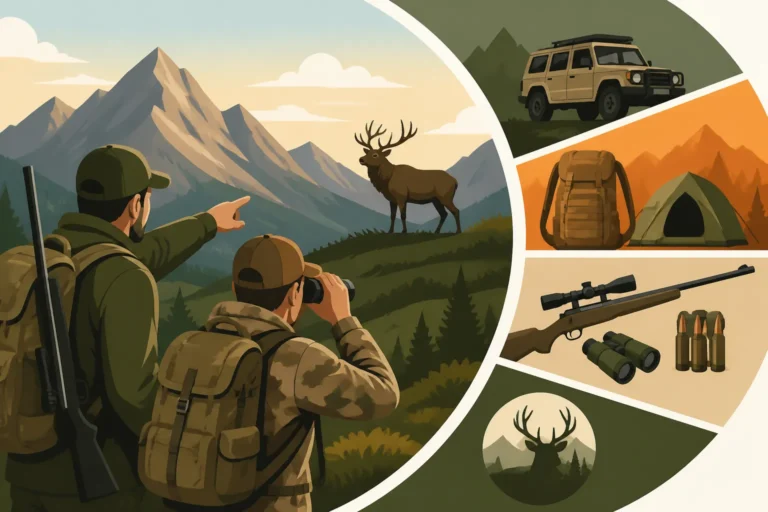
Beyond knowledge, a guide provides logistical support – horses for packing into remote areas, comfortable camps, delicious meals, and help with game retrieval. This frees you up to focus purely on the hunt, the glassing, and the pursuit, rather than worrying about the thousand other details that can derail a DIY effort. For many, the physical demands of a high-country elk hunt are also a major factor. Guides and their crews can often get you into areas that would be prohibitively difficult for a solo or small DIY group to access, especially with heavy gear or after a successful kill. A good guide isn't just a guide; they're a mentor, a tracker, and often, a friend who shares your passion for the pursuit.
Understanding "Trophy" in Colorado Elk Hunting
The term "trophy" is subjective, of course, but in the world of Colorado elk hunting, it generally refers to bulls scoring 300 inches or more on the Boone and Crockett scale, with truly exceptional animals pushing into the 350+ range. These are mature bulls, typically 5.5 years old or older, boasting broad, heavy antlers with long tines and multiple points. They're often 6x6s or larger, showcasing impressive mass and symmetry.
It’s important to manage expectations, however. Colorado is a numbers game, and while it has a phenomenal elk population, truly gigantic bulls are still rare and hard-earned. A "trophy" for one hunter might be a strong 5×5 for another who's simply looking for a mature bull and a great experience. When discussing your hunt with an outfitter, be very clear about what your definition of a "trophy" is. Do you want to try for a 350-inch bull and accept the higher likelihood of eating your tag, or are you happy with a 300-inch class animal if the opportunity presents itself? Transparency on both sides about expectations is crucial for a successful and satisfying hunt. For more insight into what makes a bull a true trophy, you might find the guide on How to Field Judge a Colorado Bull Elk incredibly helpful.
Key Factors in Choosing a Trophy Elk Outfitter
Selecting the right outfitter is arguably as important as drawing the right tag or picking the perfect unit. This decision can make or break your trophy elk hunting experience. You’re looking for a partner, someone whose expertise and values align with your hunting aspirations.
Success Rates and Client Testimonials
Every outfitter will tout their success rates, but it's crucial to understand what those numbers truly mean. A high "opportunity rate" (seeing or getting a shot at an elk) isn't the same as a high "kill rate." For trophy elk specifically, ask for the outfitter's trophy bull success rate, meaning how many clients harvested bulls over a certain score. A good outfitter should be able to provide verifiable references from past clients, particularly those who hunted for trophy bulls. Don't hesitate to call these references and ask specific questions:
- What size bull did they harvest or have an opportunity on?
- How was the guide's knowledge of the area?
- What was the physical demand of the hunt?
- Were the accommodations and food as advertised?
- Would they book with this outfitter again?
Platforms like BookYourHunt can be a great starting point for finding outfitters and often feature client reviews that give a realistic picture of hunt experiences. However, always dig deeper than online reviews. A personal phone call with a past client will give you insights that text alone cannot.
Private Land vs. Public Land Access
The debate between private and public land hunting is a huge one, especially when trophy elk are the target.
Private Land Advantage
Many top-tier trophy elk outfitters operate on expansive private ranches. These lands often have controlled access, limited hunting pressure, and excellent habitat, allowing bulls to mature without constant disturbance. This can significantly increase your odds of encountering older-age-class bulls. Additionally, some private ranches participate in Colorado's Ranching for Wildlife program, which can offer guaranteed tags or more flexible season dates, bypassing the public draw system entirely. This is a huge benefit for non-residents or those with limited preference points. While these hunts are often more expensive, the access to quality animals and less pressure can be worth the investment. For hunters focused solely on a trophy, private land hunts often provide the highest probability.
Public Land Challenge and Reward
Hunting trophy elk on public land is a different beast entirely. It’s often more physically demanding, involves navigating more hunter pressure, and success rates for trophy bulls can be lower due to the sheer difficulty and competition. However, the reward of harvesting a big bull on public land, knowing you earned it in true wilderness, is unparalleled for many. Some of Colorado's largest bulls are taken on public lands, often deep in wilderness areas or remote national forests where they can evade pressure. Outfitters specializing in public land trophy hunts will often focus on these remote, rugged areas, utilizing horses or extensive hiking to get away from the crowds. If you're physically prepared and yearn for that truly wild experience, a public land outfitter might be your ideal choice. A helpful resource to explore these public land opportunities further is the Colorado Public Land Hunting Guide.
Hunting Methods and Experience
Not all trophy elk hunts are created equal when it comes to methods. Consider your preferred style of hunting and match it with an outfitter's specialties:
- Archery Hunts: If you dream of an archery bull during the rut, bugling in a monarch, you need an outfitter with extensive experience in Colorado Archery Elk Hunting Guide. This means guides who are skilled callers, patient spot-and-stalk experts, and understand the nuances of elk behavior during the September rut. Archery hunts are often more intimate and require immense dedication from both hunter and guide.
- Rifle Hunts: Colorado’s rifle seasons (especially the later ones) can offer fantastic trophy opportunities, often coinciding with migration patterns. You’ll want an outfitter proficient in glassing vast country, predicting elk movement, and guiding clients on challenging mountain shots. A guide who understands Colorado Rifle Elk Hunting Guide tactics, especially regarding pressure and migration, is key.
- Muzzleloader Hunts: The muzzleloader season falls between archery and rifle seasons, often during the tail end of the rut or just after. It presents a unique challenge and can be less pressured than the general rifle seasons. If this is your chosen weapon, ensure your outfitter has a strong track record with Colorado Muzzleloader Hunting Guide.
Beyond the weapon, inquire about their specific tactics. Do they primarily do spot-and-stalk? Do they use stands or blinds? Do they focus on calling? For trophy bulls, adaptability and a willingness to put in the hard miles are often paramount.
Reputation and Transparency
A reputable outfitter will be licensed and insured, and proud to share their credentials. They should be transparent about their pricing, what's included (and what isn't), and their hunt contract terms. Be wary of any outfitter who makes unrealistic promises about guaranteed trophy animals or is vague about their operations. A good sign is an outfitter who doesn't shy away from discussing the challenges of trophy hunting, acknowledging that it's hunting, not shooting.
Look for outfitters who have been in business for a significant period and have a strong reputation within the hunting community. Online forums and hunting specific communities can be great places to gather anecdotal information, but always cross-reference it with official channels and direct communication with the outfitter. Check with the Colorado Division of Wildlife (CPW) to ensure they are properly licensed.
Top Regions and GMUs for Trophy Potential
Colorado is vast, and not all units are created equal when it comes to trophy potential. While a truly monster bull can show up anywhere, certain regions and Game Management Units (GMUs) consistently produce larger, more mature animals due to a combination of genetics, habitat quality, and management strategies.
Western Slope Giants
The Western Slope of Colorado is legendary for its elk hunting, and several GMUs in this region are known for their trophy potential. Areas like the Flat Tops Wilderness, Uncompahgre Plateau, and parts of the Routt National Forest consistently produce impressive bulls.
- Flat Tops Wilderness Area: This massive wilderness area (including GMUs like 23, 24, and parts of 12) is one of the largest elk herds in the world. While it sees significant hunting pressure, especially in OTC rifle seasons, its sheer size and rugged terrain mean that truly massive bulls can escape pressure and mature. Outfitters here often use horseback operations to get deep into the roadless country, accessing areas few hunters can reach on foot. The key here is getting away from the roads. If you're considering this area, an outfitter with deep knowledge of Hunting the Colorado Flat Tops for Elk will be crucial.
- Uncompahgre Plateau: Units like 61 and 62, and surrounding areas, are known for their strong genetics and excellent habitat. These units are often draw-only, requiring several preference points for non-residents, which helps manage pressure and allows bulls to grow. Outfitters in these areas often focus on glassing vast landscapes and executing well-planned stalks.
- Northwest Colorado (e.g., GMU 10, 201): While often requiring significant preference points, these units are consistently at the top for trophy potential, particularly GMU 10. They feature a mix of private and public lands, and often have specific management objectives aimed at producing older-age-class bulls. Many premier outfitters operate here, providing guided hunts on private lands or highly specialized public land trips. These are truly trophy units, as discussed in Colorado Trophy Elk Units.
High Country Wilderness Hunts
For those willing to endure significant physical demands and often longer pack-in distances, the high-country wilderness areas offer some of the best chances at older, less-pressured bulls. These remote basins and timbered slopes provide sanctuary, especially during the archery and early rifle seasons.
- San Juan Mountains: Areas within the San Juan National Forest (units like 76, 77, 78) offer incredible scenery and challenging hunts. These are steep, rugged mountains, and accessing the best country often requires horses or a serious commitment to backpacking. Outfitters here specialize in these high-altitude, physically demanding hunts, often running spike camps far from trailheads. Check out Hunting the San Juans for Elk for more details on this challenging terrain.
- Gunnison Basin: This region includes units like 55 and 66, known for their vast public lands and good elk numbers. While not as consistently "trophy" focused as some Western Slope units, the sheer volume of elk and the ruggedness of the terrain mean that patient hunters with experienced guides can find impressive bulls, especially in less accessible areas. Outfitters in the Gunnison Basin often have a strong reputation for solid elk hunting. You can learn more about this specific region in the Hunting the Gunnison Basin for Elk guide.
When researching specific GMUs, platforms like GoHunt can provide invaluable data on draw odds, harvest statistics, and land ownership, helping you and your chosen outfitter strategize the best units for your trophy goals. They can also help inform your decision on how many Colorado Preference Points Explained you might need for certain units.
Navigating the Booking Process and Costs
Once you've narrowed down your choices, understanding the financial commitment and the booking timeline is crucial. Trophy elk hunts, by their very nature, are an investment.
What to Expect from Pricing
The cost of a guided trophy bull elk hunt in Colorado can vary wildly, generally ranging from $6,000 to $15,000+ for a 5-7 day hunt. Several factors influence this price:
- Private vs. Public Land: Private land hunts, especially those on large, managed ranches with high success rates, typically command higher prices. These might also include the cost of a landowner tag.
- Inclusions: What's included? Most outfitters cover guiding services, meals, lodging (wall tents, cabins, lodge), and field care of your animal. Some may include transportation from a local airport, pack-in/pack-out services with horses, or even basic meat processing. Always get a clear list of inclusions and exclusions.
- Trophy Fees: Some outfitters charge an additional "trophy fee" if you harvest a bull over a certain score (e.g., 300 inches). Ensure you understand these potential extra costs upfront.
- Guide-to-Hunter Ratio: A 1:1 guide-to-hunter ratio is often more expensive but provides dedicated attention, which can be critical for a trophy hunt. A 2:1 or 3:1 ratio will be more affordable but means sharing your guide's time.
- Season and Method: Archery rut hunts can sometimes be pricier due to the intense calling and specific tactics required. Early rifle seasons, if on premier ground, might also be at the higher end.
It's common to pay a deposit (typically 30-50%) upon booking, with the remainder due closer to the hunt date. Don't forget to factor in other costs like your hunting license, tag fees, travel expenses, meat processing, taxidermy, and importantly, guide tips. For a deeper dive into financial planning, refer to Colorado Guided Elk Hunt Cost.
The Importance of Early Booking
Trophy elk outfitters, especially the highly reputable ones with access to prime ground, book up fast. It's not uncommon for top outfitters to be booked out 1-3 years in advance. If you have a specific year in mind or are aiming for a highly sought-after private land or draw-only unit hunt, start your research and outreach at least a year or two out.
Early booking not only secures your spot but also gives you ample time to prepare physically, mentally, and financially. You can work with the outfitter to understand the physical demands of the hunt, get a gear list, and begin your training. This lead time is invaluable for maximizing your chances of success.
Using Platforms to Find Outfitters
In today's digital age, online platforms have made finding and vetting outfitters more accessible than ever.
- BookYourHunt: This platform serves as a marketplace where you can browse numerous outfitters, read reviews, compare packages, and even book hunts directly. It can be a great tool for discovering outfitters you might not have found otherwise, and its review system helps provide some initial vetting. You can filter by species, location, price, and even trophy quality.
- GoHunt: While primarily known for its draw odds and unit analysis tools, GoHunt also has an outfitter search function and often features articles and insights that can help you connect with quality operations, especially those specializing in draw units with high trophy potential. Their data-driven approach can help you understand which outfitters are operating in the most promising GMUs for your specific goals.
Remember, these platforms are starting points. Always follow up with direct communication to the outfitter, ask detailed questions, and request references. A personal connection and clear understanding of what you're buying are irreplaceable.
| Factor | Consideration for Trophy Elk Hunt |
|---|---|
| Outfitter Experience | Look for 10+ years specializing in Colorado elk, specifically trophy bulls. Ask about guide experience and tenure. |
| Success Rates | Request specific trophy bull success rates, not just general elk success. Verify with references. What percentage of bulls taken are 300"+? |
| Land Access | Private land (especially managed ranches) often offers higher trophy potential due to reduced pressure. Public land requires deep wilderness knowledge and willingness to go remote. |
| Hunting Method | Does their primary method align with your desired experience (e.g., archery bugle, rifle spot-and-stalk)? Are guides proficient in calling, glassing, and tracking? |
| Physical Demands | Be realistic about your fitness. Trophy hunts often mean rigorous hiking, high altitude, or horseback riding into remote areas. Does the outfitter match your physical capability? |
| Inclusions/Exclusions | Get a clear list: guide, meals, lodging, field care, transportation, pack-out. Are there hidden costs like trophy fees, licenses, or tips? |
| Client References | Crucial for vetting. Call 3-5 recent trophy elk clients. Ask about guide professionalism, camp life, and realistic trophy opportunities. |
| Booking Timeline | Top trophy outfitters book 1-3 years in advance. Plan early! |
| Cost | Expect $6,000 – $15,000+ for 5-7 days. Factor in licenses, travel, tips (15-20% of hunt cost is standard), and meat/taxidermy. |
| Communication | How responsive and transparent is the outfitter? Are they willing to answer all your questions thoroughly, including the tough ones about hunt difficulty and realistic expectations? |
Disclaimer
Hunting involves inherent risks, and success is never guaranteed, especially when pursuing trophy animals. This guide provides general information and recommendations, but it is your responsibility to verify all details with your chosen outfitter, obtain proper licenses, and understand all Colorado Parks and Wildlife (CPW) regulations before your hunt. Always prioritize safety and ethical hunting practices.