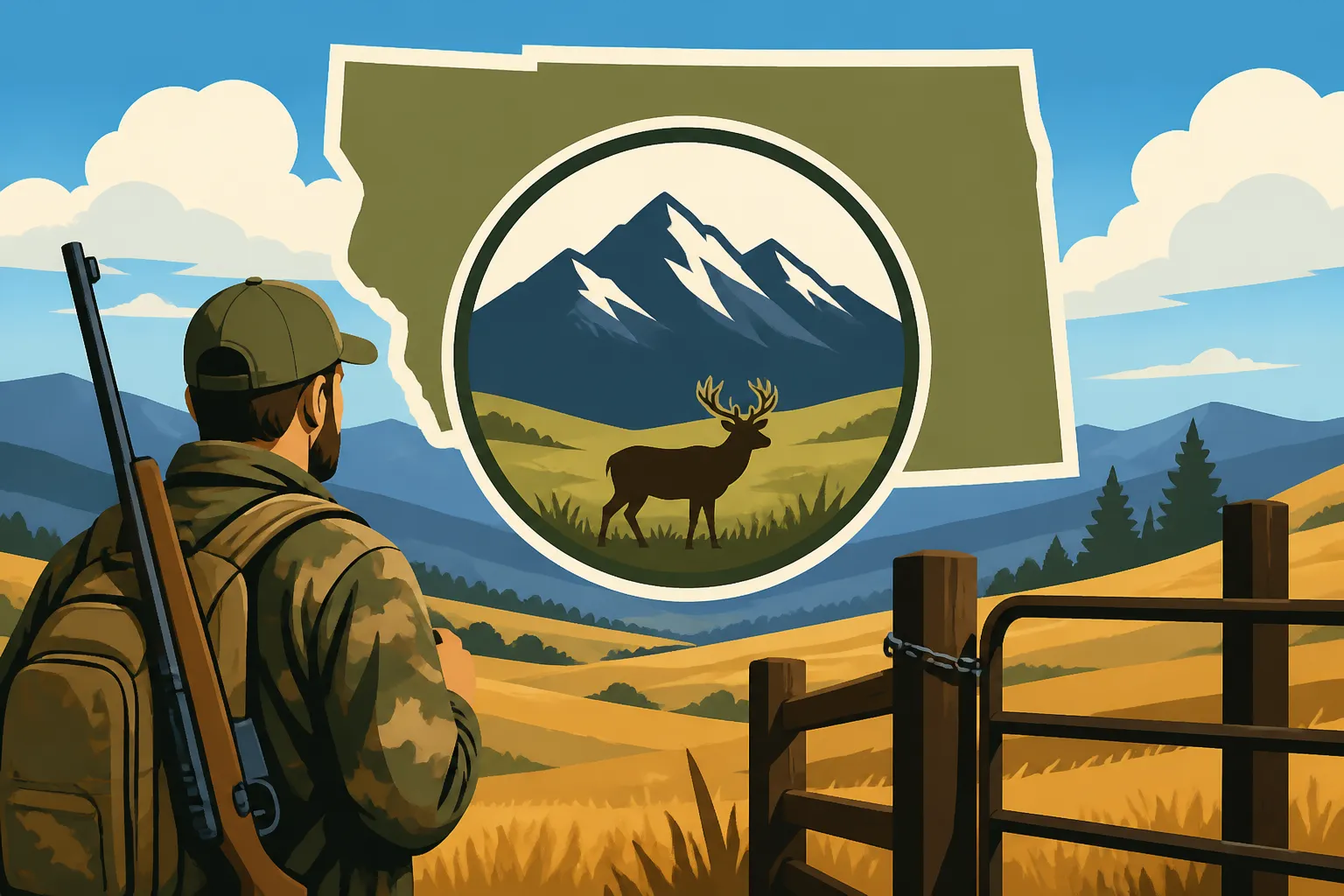
How to Find Colorado Ranch Hunting Access
Finding quality hunting access in Colorado, especially on private ranches, can feel like an impossible puzzle when you're just starting out or aren't familiar with the local scene. It's a common frustration: you know the big game animals often thrive on private land with less pressure, but actually getting your foot in the door seems to require an inside connection or a bottomless wallet. This comprehensive guide is here to demystify the process, offering realistic strategies and practical advice to help you uncover those coveted private ranch hunting opportunities across Colorado.
The Quest for Private Land: Why It Matters in Colorado Hunting
Let's be honest, the allure of private ranch hunting in Colorado is undeniable. While public lands offer incredible opportunities and challenge hunters to truly earn their harvest, the reality is that many of the largest, least pressured herds, especially for elk and mule deer, often reside on expansive private properties. This isn't just about bagging a trophy; it's about potentially experiencing a hunt with less competition, healthier animal populations, and sometimes, simply a more comfortable base camp.
Understanding the Private Land Advantage
The benefits of private land access extend far beyond just avoiding other hunters. Landowners often manage their property specifically for wildlife, creating prime habitat, food sources, and sanctuary areas. This thoughtful management can lead to higher animal densities, more mature animals, and more predictable movement patterns. For many, the peace of mind knowing you have exclusive or limited access to a prime area outweighs the effort or cost involved in securing it. You're not just buying access; you're often investing in a higher quality, less stressful hunting experience.
However, it’s important to acknowledge the distinct differences. Hunting on public land, which is covered in our Public vs Private Land Hunting in Colorado guide, demands a different set of skills—primarily related to navigating hunter pressure, finding unpressured pockets, and relying heavily on physical prowess and advanced e-scouting techniques. Private land, while offering its advantages, still requires careful planning, respect for the land, and adherence to specific rules set by the owner. It's not a guaranteed harvest, but it does significantly tip the odds in your favor compared to navigating crowded public areas.
The Challenges of Securing Private Access
For many hunters, especially those new to Colorado or from out of state, the biggest hurdle isn't scouting animals; it's simply finding a private landowner willing to grant access. Ranchers and farmers are busy people, and while some are open to hunting, many have existing arrangements, family and friends who hunt, or legitimate concerns about liability, property damage, and ethical hunting practices. The "No Trespassing" signs are ubiquitous for a reason, reflecting a desire for privacy and protection.
The sheer volume of hunters looking for private ground also means that prime opportunities are quickly snapped up. This creates a competitive market where personal connections often trump cold calls. Without an established network, it can feel like you're shouting into the void. This guide aims to equip you with structured methods to navigate these challenges, whether you're looking for a simple day fee or a more involved lease agreement. Understanding the landscape of private land access is the first step in successfully planning your Colorado big game hunt, which you can read more about in our Colorado Big Game Species Guide.
Direct Approaches: Navigating the Landowner Conversation
When it comes to securing private ranch hunting access, sometimes the most straightforward method is to go directly to the source. This involves contacting landowners yourself, whether through a knock on the door, a phone call, or a well-crafted letter. While it can be daunting, a polite, respectful, and prepared approach can open doors that seem firmly shut.
The Art of the Cold Call and Knock
Before you even think about approaching a landowner, do your homework. Use mapping tools like onX Hunt or Basemaps (we have a great guide on How to Use onX for Colorado Hunting) to identify private land boundaries and, if possible, landowner names. Look for properties that seem to hold good habitat or are adjacent to public land where animals might move. This initial research is crucial for targeting your efforts effectively.
When you make that initial contact, whether in person or over the phone, remember these key tenets:
- Be Respectful and Humble: You are asking for a privilege, not demanding a right. Start by introducing yourself, where you're from, and briefly why you're calling. "Hello, my name is [Your Name], and I'm a hunter from [Your Town/State]. I was hoping to speak with you briefly about potential hunting opportunities on your land."
- Be Prepared and Specific: Know what species you want to hunt, the specific season, and how many people would be in your party. Don't be vague. "I'm interested in hunting archery elk during the September season, just myself or perhaps one hunting partner." This shows you're serious and have thought it through.
- Offer Value: Don't just ask; offer something in return. This could be monetary compensation, help with ranch chores (fencing, weed control, moving cattle), or assistance with predator control. Even if they say no to hunting, an offer to help can sometimes build a relationship for the future. "I'd be happy to pay a trespass fee or help out around the ranch with any tasks you might need assistance with, like mending fences or moving cattle, in exchange for access."
- Address Concerns Proactively: Landowners worry about liability, gates left open, litter, and property damage. Assure them you are insured, will respect their property as if it were your own, follow all rules, and leave no trace. Offer references if you have them.
- Accept "No" Gracefully: Not every landowner will be open to the idea, and that's okay. Thank them for their time and move on. A positive interaction, even if unsuccessful, leaves a good impression for future hunters.
Consider practicing your pitch. It might feel awkward, but clarity and confidence go a long way. Remember, many landowners have had negative experiences with hunters, so your goal is to show you're different and trustworthy.
Crafting a Compelling Letter or Email
If direct personal contact isn't feasible, or if you prefer a more formal approach, a well-written letter or email can sometimes work wonders. This method allows you to convey all your information clearly without feeling rushed.
- Professional Tone: Maintain a courteous and respectful tone throughout.
- Introduction and Intent: Clearly state who you are, your passion for hunting, and why you're contacting them. Mention how you obtained their contact information (e.g., public records, mapping software) to establish transparency.
- Highlight Your Experience and Ethics: Briefly describe your hunting background, emphasizing safety, ethical practices, and your commitment to leaving the land better than you found it. Mention any hunter education certifications.
- Specifics of Your Request: Detail the species, season, number of hunters, and proposed duration of your hunt.
- Offer of Compensation/Assistance: Explicitly state what you're willing to offer, whether it's a trespass fee, a daily rate, or help with ranch work. Be specific about your potential contributions.
- References and Insurance: Offer to provide references from other landowners or hunting mentors, and mention if you carry liability insurance (many hunting organizations offer this).
- Call to Action: Provide clear contact information and invite them to discuss further at their convenience.
- Proofread Meticulously: Errors can make you seem careless.
While it's a long shot, a well-executed letter or email can stand out, especially if other hunters are only making phone calls. Sometimes, giving a landowner time to consider your proposal without direct pressure can be beneficial.
Leveraging Programs and Partnerships: Official Routes to Private Access
Beyond knocking on doors, Colorado offers several structured programs and avenues that can provide access to private ranches. These routes often involve working with Colorado Parks and Wildlife (CPW) or utilizing established networks of outfitters and leasing agents.
Colorado Parks and Wildlife Programs
CPW manages several programs designed to facilitate public hunting access on private lands, offering benefits to both landowners and hunters. These are excellent options to explore as they provide legitimate, regulated access.
Ranching for Wildlife (RFW)
The Colorado Ranching for Wildlife Explained program is a unique partnership between CPW and private landowners. Participating ranches manage their properties to enhance wildlife habitat and, in return, receive more flexible hunting seasons and additional tags. A key component of the RFW program is that these ranches must allow a certain number of public hunters access to their land.
- How it Works for Hunters: Hunters apply for RFW tags through the regular Colorado big game draw, but these tags are specific to participating RFW ranches and often have better drawing odds than general public land tags. The seasons are typically extended, offering unique opportunities.
- Benefits: You get access to private land known for good wildlife populations, often with less pressure than regular public units. The ranches are actively managing for wildlife, which can lead to higher success rates.
- Considerations: RFW tags can be competitive to draw, even with better odds. Each ranch has its own rules and access limitations. Some RFW hunts may involve a daily trespass fee directly to the landowner, even after drawing the tag. You’ll need to research specific ranches and their offerings carefully.
Walk-In Access Program (WIA)
The Colorado Walk-In Access Program is another fantastic initiative where CPW leases hunting and fishing rights on private lands from willing landowners. These leased properties are then opened to public access, usually for specific seasons and species.
- How it Works for Hunters: Hunters can simply "walk-in" to these designated areas without prior permission, provided they adhere to all posted rules and regulations. CPW publishes maps and lists of WIA properties annually.
- Benefits: It's often free access to private land that would otherwise be inaccessible. It provides opportunities for a variety of species, from big game to small game and waterfowl.
- Considerations: WIA areas can be popular and receive significant pressure, especially early in the season. The available properties change from year to year, so you need to check the CPW website for current information. Access is typically foot-traffic only, and rules regarding game retrieval, specific hunting methods, and vehicle use are strictly enforced.
Landowner Preference Program (LPP)
While not direct access, the LPP influences private land hunting by providing landowners with vouchers for certain species in specific units. These vouchers can then be used by the landowner or transferred to a hunter of their choice, who can then convert the voucher into a hunting license without going through the regular draw. This is often the mechanism by which outfitters secure tags for their clients on private lands.
- How it Works for Hunters: Hunters typically acquire LPP tags by purchasing them directly from a landowner or through an outfitter who has secured them. This bypasses the public draw system entirely.
- Benefits: Guarantees a tag in a specific unit, often with excellent private land access, without needing preference points. This is particularly attractive for non-residents or those seeking specific high-demand units.
- Considerations: LPP vouchers are often expensive, reflecting their value in bypassing the draw and providing access to prime areas. They are usually tied to specific ranches and require you to hunt on that private land.
Outfitters and Guided Hunts
For many, especially non-residents or those short on time, booking a guided hunt through an outfitter is the most reliable way to gain access to private ranch land. Outfitters often have long-standing relationships with landowners, securing exclusive hunting rights to large acreages.
- The Outfitter Advantage: Reputable Colorado outfitters maintain vast private land leases specifically for hunting. They handle all the logistics—from securing tags (sometimes through LPP vouchers), to guiding, lodging, meals, and even game retrieval. This allows you to focus purely on the hunt. Our How to Choose a Colorado Hunting Outfitter guide can help you navigate this process.
- Cost vs. Convenience: Guided hunts on private land are typically the most expensive option, but they offer the highest success rates and the least amount of planning stress. Costs for a Colorado Guided Elk Hunt Cost can vary wildly based on species, duration, and level of service (fully guided vs. semi-guided).
- Online Platforms: Websites like BookYourHunt serve as marketplaces where you can browse and book guided hunts directly from outfitters, many of whom specialize in private land access. These platforms allow you to compare prices, services, and read reviews, making it easier to find an outfitter that fits your needs and budget. Another excellent resource is GoHunt, which offers insights into specific units and strategies that can help you select an outfitter more wisely.
Private Land Leases
For those seeking more extensive or long-term access, leasing private land directly from a landowner is an option. This usually involves a formal agreement for a season or even multiple years.
- How it Works: You pay a fee directly to the landowner for exclusive hunting rights to a specified portion of their property for a defined period. The agreement typically outlines species, dates, number of hunters, and any specific rules.
- Benefits: Offers exclusive access and control over how the hunting is managed, leading to a truly private experience. If you lease consistently, you can learn the land intimately and develop effective long-term strategies, much like a seasoned resident might when planning a Colorado DIY Elk Hunting Guide.
- Considerations: Leasing can be very expensive, especially for prime elk or deer country. It often requires a significant upfront investment. Finding landowners willing to lease can be challenging, as many prefer to work with established outfitters or keep hunting rights for themselves. You'll also need to handle all your own logistics, from scouting to camp setup.
Here's a quick comparison of these different avenues:
| Access Method | Cost Implication | Effort Required | Success Potential | Control Over Hunt | Typical Duration |
|---|---|---|---|---|---|
| Direct Landowner Contact | Low to Moderate | High (Research, persistence) | Variable | High | Per-hunt/Seasonal |
| CPW Ranching for Wildlife | Draw Tag Fee + Potential trespass fee | Medium (Draw application, research) | Medium to High | Limited by ranch rules | Seasonal |
| CPW Walk-In Access | Low (License only) | Low (Research areas) | Variable (High pressure) | Limited by WIA rules | Seasonal |
| Outfitters/Guided Hunts | High | Low (Booking only) | High | Low (Follow guide) | Per-hunt (Days) |
| Private Land Lease | Very High | Medium (Finding, negotiation) | High | Very High | Seasonal/Multi-year |
Strategic Planning and Digital Tools for Finding Ranch Access
In today's hunting world, advanced preparation and digital resources are just as important as boots on the ground. When seeking private ranch hunting access in Colorado, leveraging technology and a methodical approach can significantly improve your chances.
E-Scouting and Mapping Technologies
Before you ever leave your couch, modern mapping applications can be your greatest asset in identifying potential private ranch hunting opportunities. Tools like onX Hunt, BaseMaps, or even Google Earth allow you to virtually scout large areas, pinpoint private land parcels, and often find landowner information.
- Identifying Promising Areas: Look for private land that is adjacent to known public land migration corridors, national forests like the White River National Forest or the San Juan National Forest, or wilderness areas where elk and deer seek refuge. Animals often travel between public and private lands, especially during hunting seasons. Focus on areas with good cover, water sources, and food plots visible from aerial imagery. Our guide on How to E-Scout Before a Colorado Hunt delves deeper into these techniques.
- Landowner Information: Many mapping apps will display landowner names and sometimes even mailing addresses or contact details for private parcels. This is invaluable for direct contact attempts. Even if a number isn't available, having a name allows you to conduct further searches or send a formal letter. For example, knowing a ranch owner's name can help you find their contact information through local county records or business listings.
- Topography and Access: E-scouting also helps you understand the terrain. Is the private land steep and rugged, suggesting less human traffic? Are there existing roads or trails that hint at potential access points? Understanding the lay of the land can inform your approach strategy and help you determine if the property is even suitable for your hunting style.
Remember, technology is a starting point. It provides leads, but real-world reconnaissance and respectful communication are what ultimately forge connections.
Networking and Local Intelligence
While technology is powerful, old-fashioned networking and tapping into local knowledge remain incredibly effective for finding private land access. Locals often know who might be open to hunting, who has issues with wildlife, or who might be looking for help.
- Local Businesses: Stop by small-town diners, hardware stores, feed stores, and sporting goods shops in the areas you're interested in. These are often community hubs where local landowners frequent. Engage in friendly conversation, explain your interest, and politely ask if they know anyone who might consider allowing hunting access. You'd be surprised how often a friendly chat can lead to a valuable lead.
- Hunting Clubs and Forums: Online hunting forums dedicated to Colorado, or local hunting clubs, can be great resources. Members often share information (though rarely specific spots) or can put you in touch with others who have successfully gained private access. Be mindful of forum etiquette and don't expect handouts; instead, offer to contribute to the community.
- Word of Mouth: Sometimes, one successful private land hunt can lead to another. If you secure access and conduct yourself ethically and responsibly, the landowner might recommend you to their neighbors or friends. Building a reputation as a respectful hunter is paramount. This can be a slow burn, but it's a powerful way to secure repeat access.
Understanding Seasons and Species for Private Land
Different species and seasons present varying opportunities for private land access. For example, securing a Colorado Archery Elk Hunting Guide or a Colorado Rifle Elk Hunting Guide on private land might require different strategies and likely different costs.
- Elk: Private ranches often hold elk throughout the season, especially during the later rifle seasons when public land pressure pushes animals into secluded areas. Elk migrations often traverse private lands, making these properties strategic locations.
- Mule Deer: Large mule deer bucks often prefer staying on private land, particularly on agricultural properties or rough sagebrush country that offers both food and cover. Access for mule deer can be highly sought after.
- Pronghorn: The vast majority of prime pronghorn hunting in Colorado occurs on private land on the Eastern Plains. Obtaining private access is almost a necessity for a successful pronghorn hunt. Landowners might be more open to pronghorn hunting due to their impact on fences and crops.
Research specific units and their private-to-public land ratios. Units with a higher percentage of private land often mean higher quality animals due to reduced pressure, but also necessitate a more focused effort on gaining access. While some units offer Colorado OTC Elk Tags Explained, these are typically on public lands and experience higher hunter densities. Private access can give you an edge in less pressured, draw-only units.
Final Thoughts on Perseverance and Ethics
Finding private ranch hunting access in Colorado is rarely a simple task, but it is certainly achievable with the right approach and a healthy dose of perseverance. Remember that every "no" brings you closer to a "yes," and every interaction is an opportunity to build a positive reputation for yourself and for hunters in general.
Always prioritize ethical conduct, safety, and respect for the landowner's property and livelihood. A good hunting relationship is built on trust, clear communication, and mutual benefit. Whether you're offering financial compensation, a helping hand, or simply a commitment to being an exemplary guest, showing genuine respect is your most valuable currency. With diligent research, a proactive attitude, and a commitment to responsible hunting, you can unlock incredible private land opportunities and experience some of the best hunting Colorado has to offer.
Disclaimer
Please note that hunting regulations and private land access rules can change. Always consult the official Colorado Parks and Wildlife (CPW) website and regulations brochure for the most current information regarding seasons, tags, and private land access programs before planning any hunt. This guide is for informational purposes only and does not guarantee hunting access or success.