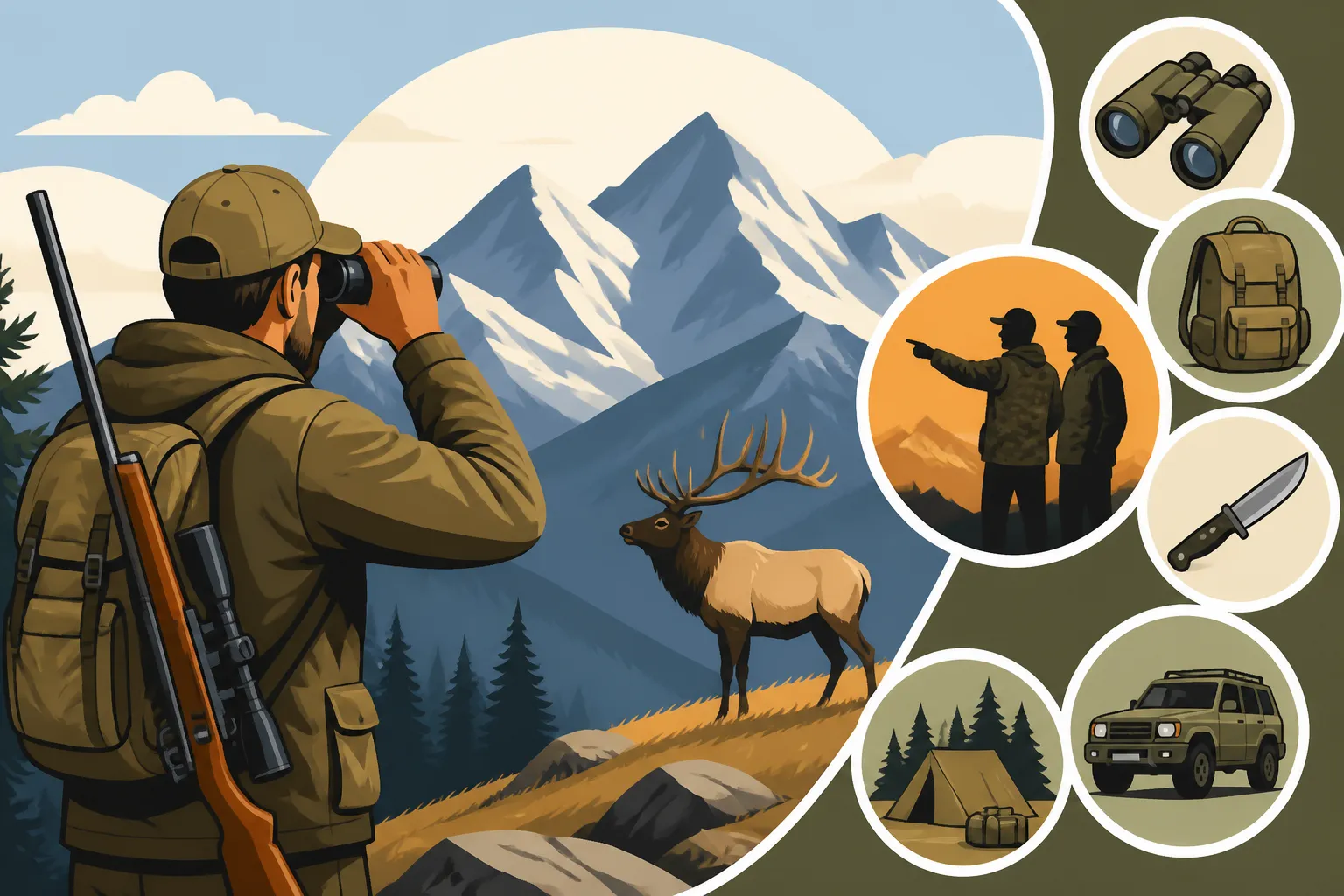
What’s Included in a Colorado Guided Hunt
You've decided to embark on a guided hunt in the magnificent landscapes of Colorado, but the sheer variety of offerings out there can be utterly overwhelming. It’s hard to know exactly what you’re signing up for when terms like "fully guided," "semi-guided," and "drop camp" are thrown around, each with its own implied set of services and costs. This comprehensive guide aims to peel back the layers of a Colorado guided hunt, clarifying the typical inclusions, what to expect, and how to ensure your investment leads to an unforgettable, well-prepared adventure.
Demystifying the Guided Hunt Experience in Colorado
The call of the Colorado wilderness is strong, drawing hunters from all corners of the globe. But for many, especially those new to Western hunting or the specific challenges of the Rockies, the idea of going it alone can be daunting. That's where a guided hunt steps in, promising to bridge the gap between aspiration and reality. However, not all guided hunts are created equal, and understanding the nuances is key to a successful experience.
What "Guided" Truly Means in the Rockies
When an outfitter says a hunt is "guided," it generally implies that a professional guide will accompany you in the field. This isn't just someone pointing you in a general direction; it's an experienced individual who lives and breathes the local terrain, understands animal behavior, and is trained in safety and first aid. In Colorado's vast and often rugged wilderness, a guide offers more than just hunting expertise. They provide critical navigation skills, understand the complex land regulations that vary by Game Management Unit (GMU), and can often speak to the history and ecology of the areas you'll be hunting. For instance, an archery elk hunt in the San Juan Mountains will present entirely different challenges than a rifle hunt for mule deer on the Grand Mesa, and a good guide understands these distinct requirements.
A guide acts as your local expert, knowing where elk or deer typically feed, bed, and travel in a specific unit based on factors like weather, season, and hunting pressure. This is invaluable, particularly in sprawling public lands where animals might migrate or hold up in remote timber. They often have intimately scouted areas for game sign, water sources, and escape routes, giving you a significant advantage. This intimate knowledge is something that can take a hunter years, even decades, to acquire on their own, making a guide a considerable shortcut to success.
The Core Promise of a Guided Hunt
At its heart, a guided hunt promises to maximize your chances of success and provide a safe, immersive experience. This isn't just about bagging an animal, though that's often a primary goal. It's about the entire journey: the challenge, the learning, and the camaraderie. Outfitters and guides strive to remove the logistical burdens that often plague DIY hunters. Think about it: instead of spending countless hours poring over maps, figuring out how to pack into a remote area, or worrying about where to set up camp, you can focus solely on the hunt itself.
The core promise includes access to prime hunting grounds, whether through private land leases or intimate knowledge of public land hotspots, expert guidance in the field, and a comfortable camp environment. Many outfitters also offer assistance with specific aspects of the hunt, like calling elk during the rut or teaching you how to glass for Colorado mule deer effectively. The idea is to provide a complete package that allows you, the hunter, to experience the thrill of the chase without the headache of planning every single detail. It’s a huge relief for many to know that someone else is handling the camp chores, cooking, and navigating the often-tricky logistics of a backcountry operation, leaving you fresh and focused each day.
Setting Realistic Expectations
While a guided hunt significantly increases your odds and simplifies the experience, it's crucial to set realistic expectations. This isn't a guaranteed kill. Wildlife is wild, and even the best guides in the best units can't control every variable. Weather can turn on a dime, animals can move unpredictably, and sometimes, the hunting simply gets tough. What you can expect is a dedicated effort from your guide and outfitter, an opportunity to learn, and to be in areas with good game potential.
It’s also important to understand that your physical condition plays a huge role. Colorado hunting often involves steep terrain and high altitudes. While a guide will put you in the best positions, you still need to be able to hike, climb, and perform when the moment arrives. Expect long days, early mornings, and sometimes, challenging conditions. Communicate openly with your outfitter about your fitness level and any limitations you might have. Platforms like BookYourHunt allow you to filter by hunt difficulty, which can help align your expectations with the outfitter's offerings. A guided hunt is a partnership; your effort and attitude contribute significantly to the overall experience.
Essential Inclusions: The Non-Negotiables
When you invest in a Colorado guided hunt, there are certain foundational services you should almost always expect to be covered. These are the core elements that truly define the "guided" experience, making it distinct from a bare-bones drop camp or a self-sufficient DIY trip.
Expert Guide Services and Local Knowledge
This is, quite literally, the most critical "inclusion" when you book a guided hunt. You're paying for the expertise and hands-on assistance of a professional guide. This isn't just about them walking with you; it's about their invaluable knowledge of the specific hunting area, the behavior of the game animals in that region, and the skills to help you pursue them ethically and effectively.
Your guide will typically:
- Locate Game: They've spent countless hours scouting, know the terrain like the back of their hand, and understand migration patterns, feeding habits, and bedding areas. They'll know How to Find Elk When They Go Quiet or where deer might be holding during specific weather conditions.
- Navigate the Terrain: Colorado's mountains can be disorienting. A guide ensures you're always on the right track, whether navigating dense timber, steep canyons, or open alpine basins. This is crucial for safety and efficiency.
- Assist with Calling and Tracking: For elk, guides are often master callers, knowing How to Bugle for Colorado Elk or How to Cow Call Colorado Elk at just the right moment. They are also skilled trackers, which is vital for recovering an animal after the shot, especially in challenging cover or diminishing light.
- Provide Field Dressing and Packing Assistance: Once an animal is down, the real work begins. Your guide will assist with or fully handle the field dressing, caping, and quartering of your animal. They'll also help pack out the meat and trophy, often utilizing pack animals if the hunt location is remote, which is a major benefit when you consider How to Pack Out an Elk in Colorado solo.
- Safety and First Aid: Reputable guides are trained in wilderness first aid and are prepared for emergencies, carrying essential safety gear and communication devices. This peace of mind is immeasurable in remote backcountry settings.
Accommodations: From Spike Camps to Lodges
The type of lodging provided can vary dramatically, but a guided hunt almost always includes some form of accommodation. The style often dictates the overall price and comfort level of your trip.
- Backcountry Spike Camps: For true wilderness hunts, especially those requiring hunters to penetrate deep into roadless areas, spike camps are common. These are typically smaller, more mobile camps set up closer to the game, allowing for earlier starts and less travel time to productive hunting spots. You might find sturdy wall tents or lightweight backpacking tents, often with cots or sleeping pads. While less luxurious, these camps offer unparalleled access to prime hunting grounds, such as when you're pursuing a Colorado Backcountry Hunting Guide experience.
- Base Camps: Many outfitters operate out of a more established base camp, which can be anything from large, comfortable wall tents with wood stoves to rustic cabins or even trailers. These camps usually feature dedicated cooking areas, dining tents, and more amenities than a spike camp, offering a great balance of comfort and proximity to hunting areas.
- Lodges or Private Ranches: On the higher end, some guided hunts, particularly those on private land or in easily accessible areas, might include lodging in a comfortable hunting lodge, a bunkhouse, or even a ranch home. These options often come with hot showers, flush toilets, and a generally higher level of comfort after a long day in the field. This can be a great option for those looking into Colorado Ranch Hunts Explained.
Regardless of the style, the expectation is a clean, safe, and reasonably comfortable place to rest, eat, and store your gear, allowing you to recharge for the next day's hunt.
Food and Drink: Fueling Your Mountain Expedition
Hunting in Colorado is physically demanding, and proper nutrition is non-negotiable. A significant inclusion in most guided hunts is all meals and non-alcoholic beverages provided throughout your trip. The quality and style of food will, again, depend on the type of camp and the outfitter, but the goal is always to keep you well-fed and energized.
- Hearty Camp Meals: Expect filling, often home-cooked meals designed to replenish energy burned during strenuous mountain activities. Breakfasts typically include staples like eggs, bacon, pancakes, or oatmeal. Dinners are often robust, with dishes such as stews, chili, pasta, or grilled meats.
- Packed Lunches: For days spent afield, guides will usually provide a packed lunch (often referred to as a "sack lunch") consisting of sandwiches, snacks, fruit, and sometimes a thermos of hot soup or coffee. This allows you to stay out in the hunting area without needing to return to camp.
- Snacks and Beverages: An assortment of snacks (granola bars, jerky, trail mix) and non-alcoholic drinks (water, juice, coffee, tea) are typically available at camp and for taking into the field.
- Dietary Needs: Most reputable outfitters are prepared to accommodate dietary restrictions or allergies if communicated in advance. It’s crucial to discuss these needs when you book your trip to ensure they can plan accordingly.
The food isn't gourmet dining, but it's usually plentiful and satisfying, prepared by a dedicated camp cook or the guides themselves. The aim is to remove the burden of meal planning and preparation from your shoulders, allowing you to focus on the hunt.
Gear, Logistics, and Field Support
Beyond the basics of a guide, a place to sleep, and food to eat, a guided hunt in Colorado often includes significant logistical support and specialty equipment that would be challenging or costly to arrange on your own. These inclusions contribute greatly to the overall efficiency and success of your hunt.
Transportation and Access
Getting to and from the hunting grounds, and then moving around within them, is a major logistical challenge in Colorado's rugged landscape. Outfitters typically handle a substantial portion of this.
- To the Trailhead/Camp: Many outfitters will arrange transportation from a designated meeting point—often a nearby airport like Grand Junction Regional Airport (GJT) or a central town like Meeker or Gunnison—to their base camp or trailhead. This can involve anything from trucks and ATVs to horses or even small aircraft for truly remote locations. If you're looking into Colorado Backcountry Hunting Guide options, air charters might even be part of the package to access roadless wilderness areas.
- In-Field Transportation: Once at camp, how you traverse the hunting area is also covered. This might mean horseback riding daily from a base camp, ATV access on designated trails, or simply good old-fashioned foot-power, often with your guide. For hunters considering a Colorado Archery Elk Hunting Guide or a Colorado Rifle Elk Hunting Guide, covering ground efficiently and quietly is paramount, and guides use their knowledge and resources to make this happen.
- Private Land Access: If you've booked a private land hunt, the outfitter provides exclusive access to that property, which is a massive advantage in areas with high public land pressure. This often means less competition and potentially higher game density. Such hunts often require Colorado Landowner Vouchers Explained, which the outfitter may assist with or include in the overall package.
Field Care and Game Recovery
Successfully harvesting an animal is only half the battle; properly caring for the meat and trophy in the field is equally critical, especially in remote, warm conditions. Outfitters and guides excel at this.
- Field Dressing: As mentioned, your guide will expertly field dress your animal, removing the entrails to allow the carcass to cool quickly. This prevents spoilage, which is vital when hunting large game like elk, particularly in early seasons when temperatures can be mild.
- Caping and Quartering: For trophy animals, the guide will meticulously cape the hide for taxidermy, ensuring it’s done correctly to preserve the cape for mounting. They will also quarter the animal into manageable pieces, making it easier to pack out of the backcountry. This includes boning out meat if necessary to reduce weight.
- Packing Out Game: This is where the logistical muscle of an outfitter truly shines. Whether by strapping quarters onto pack horses, utilizing sturdy game carts, or simply shouldering heavy packs, the guide and any additional wranglers or packers will ensure your harvested animal is safely and cleanly transported from the kill site back to camp and then eventually out of the wilderness. This service is a huge relief for hunters, as packing out a bull elk, sometimes for miles over steep terrain, is an immense physical undertaking. Understanding How to Pack Out an Elk in Colorado highlights why this is such a valuable inclusion.
Specialty Equipment Provided
While you're always responsible for your personal hunting gear, weapon, and optics, outfitters typically provide significant pieces of equipment essential for the hunt and camp life.
- Camp Equipment: This includes all the infrastructure for camp: tents (wall tents, dome tents), cots, sleeping pads, cooking stoves, kitchenware, dining tables, chairs, lanterns, and often a camp shower setup. For colder seasons, wood stoves are common in wall tents, providing much-needed warmth.
- Pack Animals: For hunts deep in the wilderness, especially in designated wilderness areas where motorized travel is restricted, pack horses or mules are a standard inclusion. They carry your personal gear, camp equipment, and, most importantly, your harvested game. This is a defining feature of many Colorado Backcountry Hunting Guide experiences.
- Calling Devices: For elk hunts, guides will bring a variety of calls (bugles, cow calls) and use them throughout the hunt. While you might bring your own, having an expert operate them is a major advantage.
- Mapping and Navigation Tools: While you might use a GPS or an app like OnX, your guide will have their own detailed maps, GPS devices, and satellite communication tools (like a Garmin inReach or Zoleo satellite communicator) for navigation and emergency contact.
- First Aid Kits: Comprehensive wilderness first aid kits are always part of a reputable outfitter’s gear list, another crucial safety inclusion.
This level of outfitter-provided gear significantly reduces the amount of specialized equipment you, as the hunter, need to buy or transport, streamlining your packing list and overall preparation.
Understanding the Variables: What Might Cost Extra or Differ
While the previous sections covered typical inclusions, it's vital to recognize that not everything is always bundled into the base price of a guided hunt. Many critical elements can be additional costs or services that vary by outfitter. Always clarify these points before booking.
Licenses, Tags, and Application Assistance
This is perhaps the most significant variable that can surprise first-time guided hunters. Generally, your hunting licenses and tags are not included in the outfitter's price. You are personally responsible for purchasing these, and for non-residents, the costs can be substantial.
- License and Tag Costs: Colorado hunting licenses and big game tags (elk, deer, bear, etc.) are separate fees paid directly to Colorado Parks and Wildlife (CPW). These costs vary by species, resident vs. non-resident status, and the type of tag (bull, cow, either-sex). A non-resident elk tag, for example, is a significant expense on its own. It's crucial to factor these into your overall hunt budget. You can find detailed breakdowns of Colorado Non-Resident Elk Tag Cost and other species costs on the CPW website.
- Draw System and Preference Points: Most desirable big game tags in Colorado are allocated through a draw system, requiring you to apply months in advance. Many hunters use GoHunt or similar services to research draw odds. While outfitters can guide you on which hunt codes to apply for, they generally don't handle the application process itself. You'll need to understand How to Apply for a Colorado Hunting License and how Colorado Preference Points Explained work to secure your tag.
- Landowner Vouchers: For hunts on private land, particularly for highly sought-after units, an outfitter might offer a "landowner voucher" hunt. This means the outfitter has secured private land tags, bypassing the public draw system. These hunts are almost always significantly more expensive, as the cost of the voucher is added to the guided hunt price. Always clarify if the advertised price includes the landowner voucher or if that's an additional fee. This concept is explored further in Colorado Landowner Vouchers Explained.
Trophy Fees, Taxidermy, and Meat Processing
Once an animal is harvested, what happens next with the meat and antlers often involves separate services and fees.
- Trophy Fees: While rare in standard fair-chase hunts for common species like elk or deer, some outfitters, particularly those offering hunts for exotic species, on heavily managed private ranches, or for specific trophy classes (e.g., a "350-inch-plus bull"), might have additional "trophy fees." These fees are usually based on the size or score of the animal harvested. Always ask if any such fees apply.
- Taxidermy: The outfitter or guide will field cape your trophy, but arranging for a taxidermist to preserve and mount it is your responsibility and an additional cost. Many outfitters have preferred local taxidermists they can recommend or even transport your cape and antlers to, but the bill will be yours. This is an important consideration, as quality taxidermy is a significant investment.
- Meat Processing: While the guide will field dress and quarter your animal, taking it from quarters to packaged cuts ready for your freezer is the job of a meat processor. Most outfitters will transport your animal to a local processor in a nearby town (like Montrose, Craig, or Gunnison) after the hunt. You are responsible for the processing fees, which can range from a few hundred dollars to over a thousand for a large bull elk, depending on the services requested. You'll also need a plan for transporting the processed meat home, whether by cooler or shipping. This highlights the importance of understanding How to Keep Elk Meat Cool in Warm Weather.
Personal Gear and Gratuities
Your personal equipment and showing appreciation for your guide's hard work are areas where you'll incur additional costs.
- Personal Hunting Gear: This is a big one. You are expected to bring all your personal hunting clothing, boots, sleeping bag (for most camp hunts), backpack, weapon, ammunition, optics (binoculars, spotting scope, rangefinder), and personal toiletries. While an outfitter might provide a general Colorado Backcountry Hunting Gear List or advice on Best Boots for Colorado Elk Hunting, they won't supply these items.
- Sleeping Bag for Camp Hunts: Even if cots and tents are provided, a warm sleeping bag is almost universally required from the hunter, especially for mountain hunts where nights can drop below freezing, even in early archery season.
- Gratuities (Tips): Tipping your guide and any support staff (cooks, wranglers) is customary and expected in the hunting industry, much like in the service industry. A general guideline is 15-20% of the hunt's cost, often split between the guide and any other camp staff. This is a significant additional expense that should be factored into your budget when calculating the Colorado Guided Elk Hunt Cost. It's a way to acknowledge the long hours, hard work, and dedication of the people who make your hunt possible.
Understanding these potential extra costs and variables upfront allows you to budget accurately and avoid any unpleasant surprises, ensuring a smoother, more enjoyable guided hunt experience.
Types of Guided Hunts and Their Inclusions
The "guided hunt" umbrella covers a wide spectrum of experiences, each with varying levels of service, comfort, and, naturally, price. Understanding these distinctions is crucial for choosing the right adventure.
Fully Guided All-Inclusive Adventures
The "fully guided all-inclusive" hunt is often what people envision when they think of a guided trip. This package offers the most comprehensive services, aiming to remove as many logistical burdens from the hunter as possible.
- The Gold Standard of Service: This option provides a dedicated guide (often one-on-one or one guide for two hunters), ensuring constant professional assistance in the field. From sunrise to sunset, your guide is there to help locate game, strategize approaches, assist with calling, and provide expert advice on shot placement and recovery. They are your constant companion and expert throughout the hunting day.
- Complete Camp Support: All aspects of camp life are typically handled for you. This means professional cooks preparing all meals, camp staff maintaining the tents and facilities, and wranglers tending to the horses if pack animals are used. You wake up to coffee and breakfast, return to a warm meal, and find your sleeping arrangements cared for. This often includes things like daily fire starting, water hauling, and keeping the camp organized and clean.
- Seamless Logistics: Transportation to and from the agreed-upon meeting point (e.g., a local airport or designated hotel) to the trailhead or base camp is often included. Once at camp, all in-field transportation, whether by foot, horseback, or ATV, is managed by the outfitter. Game recovery and pack-out are also fully taken care of, from field dressing to transportation to a local processor (though processing fees are separate).
- Focus Solely on Hunting: The beauty of a fully guided, all-inclusive hunt is that it allows you to immerse yourself completely in the hunting experience without worrying about the chores, navigation, or other logistical headaches. Your primary focus is on being present, enjoying the wilderness, and pursuing your target animal. These hunts are generally the most expensive but offer the highest level of service and convenience, making them ideal for hunters seeking a premium experience or those with limited time for pre-hunt planning. Many reputable operations that run Colorado Archery Elk Hunting Guide or Colorado Rifle Elk Hunting Guide trips fall into this category.
Semi-Guided, Drop Camps, and Base Camps
Moving down the spectrum, these options offer a blend of guided assistance and self-sufficiency, often at a more accessible price point. This is where the distinctions in Fully Guided vs Semi-Guided Colorado Hunts become very clear.
- Semi-Guided Hunts: A semi-guided hunt is a popular choice for hunters who want some professional assistance but prefer more independence. Here, an outfitter will provide a guide for a portion of the hunt, or offer daily advice and direction without physically accompanying you all day. For example, a guide might scout areas for you, drop you off at a promising location, help set up a stand, or pick you up at the end of the day. They might also help with game recovery. You're typically responsible for some of your own camp duties, cooking, or in-field navigation. This type of hunt often provides excellent value, offering access to prime areas and expert insight without the full cost of a dedicated, in-field guide for every moment.
- Drop Camp Hunts: A drop camp is an excellent choice for experienced hunters who are confident in their hunting skills and wilderness navigation but need logistical support to access remote areas. With a drop camp, an outfitter will pack you and your gear into a pre-established camp (usually a wall tent setup with basic amenities like cots, stove, water containers, and cooking equipment) in a remote location. They'll drop off your food supplies (which you might be responsible for preparing) and then return to pick you up on a predetermined date. The outfitter often assists with game retrieval once you've harvested an animal and brought it back to camp, but you are entirely on your own for the duration of the hunt itself. This is a very cost-effective way to experience deep backcountry hunting without the burden of packing in all your own heavy gear, and it's thoroughly explained in Colorado Drop Camp Hunts Explained.
- Base Camp Services (Without Guide): Some outfitters simply provide access to a base camp, which might have basic facilities, and possibly transportation to and from that camp. You bring your own food, cook your own meals, and hunt entirely independently from the base. This is essentially a more comfortable DIY option with some logistical support for camp infrastructure.
These options appeal to different types of hunters. Semi-guided and drop camps are perfect for those who want to save money, enjoy the challenge of independent hunting, or have a specific hunting method (like archery or muzzleloader) they prefer to execute on their own, while still benefiting from an outfitter's access and logistical capabilities.
Specialized Hunts: Archery, Muzzleloader, and More
Colorado offers various hunting seasons, each with its own unique demands and characteristics. Outfitters often specialize in particular methods or seasons, tailoring their inclusions to meet those needs.
- Archery Elk Hunts: Outfitters offering Colorado Archery Elk Hunting Guide services will often have guides specifically skilled in elk calling, still-hunting, and setting up ambushes during the rut. Inclusions might emphasize quiet, lightweight camp setups, and guides who are proficient in archery hunting tactics. These hunts often occur in September when elk are vocal.
- Muzzleloader Elk Hunts: Similar to archery, muzzleloader seasons (often in September as well) require specialized knowledge. Guides for these hunts understand the limitations of muzzleloaders (range, single shot) and focus on getting hunters into close-quarters situations. The outfitters may provide guidance on Best Muzzleloader Setup for Colorado.
- Rifle Elk Hunts: For Colorado's rifle seasons (October-November), guides focus on glassing large basins, spot-and-stalk tactics, and understanding how elk react to hunting pressure. The inclusions will center around efficient glassing setups and getting hunters into effective shooting positions, sometimes involving longer hikes into How to Find Elk in Deep Timber.
- Mule Deer Hunts: When hunting Colorado Mule Deer Hunting Guide, guides will be experts at locating bucks in specific terrain, often emphasizing extensive glassing and strategic approaches. Inclusions might focus on smaller, more agile camp setups compared to large elk camps, and guides with keen eyes for spotting deer in challenging landscapes.
- Bear, Moose, or Pronghorn: Other species like black bear, moose, or pronghorn require different approaches entirely. A bear hunt might include guiding over bait (where legal) or spot-and-stalk, while a pronghorn hunt on the plains will involve decoying or waterhole setups.
Regardless of the species or method, the outfitter's role is to provide the expertise, equipment, and logistical support specifically tailored to that particular hunting experience. When researching, leverage resources like BookYourHunt or GoHunt to filter for outfitters specializing in your desired species and method, ensuring their inclusions align with your specific hunting goals.
Making the Right Choice: Questions to Ask Your Outfitter
Choosing the right outfitter is one of the most critical decisions you'll make for your Colorado hunt. It's not just about finding a good deal; it's about finding the right fit for your expectations, skills, and budget. Don't hesitate to ask a lot of questions – a reputable outfitter will appreciate your thoroughness.
Clarifying Inclusions Before You Book
Never assume anything is included. Get every detail in writing or confirmed via email. This prevents misunderstandings and ensures you're fully aware of what your investment covers.
- "What exactly is included in the published price?" This is your most important opening question. Ask them to walk you through everything, from guide services to meals, accommodations, and transportation. Specifically ask about any 'hidden' or often-overlooked costs like satellite phone usage, airport transfers, or special dietary requests.
- "What is your guide-to-hunter ratio?" This is crucial for understanding the level of personalized attention you'll receive. A 1:1 ratio (one guide per hunter) offers the most dedicated service, while a 1:2 or even 1:3 ratio means the guide will be splitting their time. For hunts like Colorado Archery Elk Hunting Guide where precise calling and stalking are vital, a 1:1 ratio might be preferred.
- "What type of accommodations and amenities can I expect?" Is it a wall tent, a cabin, or a lodge? Will there be showers, flush toilets, or outhouses? Is there electricity or charging stations for electronics? Clarify sleeping arrangements (cots, pads, shared tents) and if you need to bring your own sleeping bag and pillow.
- "What will the food be like, and can you accommodate dietary restrictions?" Get a sense of the meal plan. Will a dedicated cook be present? If you have allergies or dietary preferences, confirm they can be met.
- "What about game retrieval and meat/trophy handling?" Confirm who is responsible for field dressing, caping, and packing out the animal. Where will the meat go? Will the outfitter deliver it to a local processor, and are those processing fees included (they almost never are, but always ask)?
- "What equipment do I need to bring, and what do you provide?" Get a detailed list of personal gear you are expected to provide (weapon, optics, clothing, boots, sleeping bag, backpack). Conversely, confirm what the outfitter provides (tents, cooking gear, pack animals, first aid, satellite communication). This helps you with How to Pack for a Colorado Backcountry Hunt.
Understanding Outfitter Policies
Beyond what's included, understanding the outfitter's operational policies is essential for a smooth experience.
- "What are your payment terms, deposit requirements, and cancellation policy?" Know when payments are due and what happens if you need to cancel or postpone your hunt. Are deposits refundable? Is there a reschedule option? This is key for managing your investment.
- "What are the typical physical demands of this particular hunt?" Be honest about your fitness level and ask if the terrain is steep, if long hikes are expected, or if horses will be primarily used. Understanding How to Physically Prepare for Colorado Elk is vital.
- "Can you provide references from past clients?" A reputable outfitter will be happy to connect you with previous hunters. Talk to these references about their experiences, what was included, and if their expectations were met.
- "Are you licensed and insured?" In Colorado, outfitters are licensed by the Colorado Outfitter and Guide Association (COGA) and must carry insurance. Confirm their licensing and insurance status to ensure you're dealing with a legitimate operation. This falls under Colorado Outfitter Licensing Explained.
- "What happens in case of an emergency?" Understand their safety protocols, communication methods (satellite phones, InReach devices), and evacuation plans in remote areas.
Leveraging Resources Like GoHunt and BookYourHunt
In today's digital age, there are fantastic resources to help you vet outfitters and compare options, ensuring you get a clear picture of what's included.
- Online Outfitter Directories: Platforms like BookYourHunt allow outfitters to list detailed packages, often specifying what's included and excluded. You can compare different outfitters side-by-side, read reviews, and often directly inquire about specific hunts. This streamlines the process of finding out What's Included in a Colorado Guided Hunt for various offerings.
- Hunt Planning Tools: Websites like GoHunt provide valuable tools for researching draw odds, unit statistics, and general hunting information. While not direct outfitter platforms, they can help you become an educated consumer, better able to understand the value proposition of a guided hunt in a specific unit or season. For example, using their draw odds data can help you decide if securing a hard-to-draw tag through a landowner voucher hunt (which an outfitter might offer) is worth the additional cost.
- Forums and Social Media: Hunter forums and social media groups are great places to ask for recommendations and read firsthand accounts of guided hunt experiences. However, always take online reviews with a grain of salt and cross-reference information with the outfitter directly.
By asking the right questions and utilizing these resources, you can confidently navigate the options and book a Colorado guided hunt that perfectly aligns with your vision for an incredible Rocky Mountain adventure.
Disclaimer
The information provided in this guide is for general informational purposes only and does not constitute professional hunting or legal advice. Hunting regulations, fees, and outfitter services are subject to change. Always consult the official Colorado Parks and Wildlife (CPW) website for the most current regulations and licensing requirements. Before booking any guided hunt, thoroughly review the outfitter's contract and directly confirm all inclusions, exclusions, and policies. Your personal safety and adherence to all laws are your responsibility.