How to Find Elk on Colorado Public Land
Hunting elk on Colorado's vast public lands can feel like searching for a needle in a haystack, especially when you're up against rugged terrain, shifting weather, and countless other hunters. It’s a challenge that tests your patience, physical endurance, and mental grit. This guide is designed to cut through the confusion and provide actionable strategies to help you consistently locate and pursue elk across Colorado's expansive public hunting areas.
Understanding Elk Behavior on Public Land
To consistently find elk, you first need to think like an elk. These animals are incredibly adaptable, but their movements and habits are primarily dictated by food, water, cover, and, crucially, pressure from hunters. Public land elk often behave differently than those on private, low-pressure ground, and understanding these nuances is key to your success.
Seasonal Movements and Habitat Preferences
Elk don't just wander aimlessly; their movements are often predictable based on the time of year and environmental conditions. In early archery seasons, often through August and into early September, elk are usually found higher up, enjoying the lush, green feed in alpine basins and open parks as the snow recedes. As the rut approaches in mid-September, bulls become more vocal and aggressive, often pushing cows into thicker timber or slightly lower elevations where they feel more secure while breeding. During the late rifle seasons, colder temperatures and deeper snow will push elk down from their high-elevation summer ranges into lower wintering grounds, often favoring south-facing slopes where snow melts faster and forage is more accessible.
Their habitat preferences also shift. Early in the season, they might be in more open areas, but as hunting pressure mounts, they'll gravitate towards dense stands of timber, north-facing slopes, and remote, rugged terrain that offers security. Knowing the typical weather patterns and how they influence vegetation growth and snow lines in different regions of Colorado is invaluable. For example, during a dry spell, elk will be more tied to reliable water sources, making those areas prime scouting locations. Conversely, during a wet year, water may be plentiful everywhere, and you'll need to focus more on food sources and cover.
The Impact of Hunting Pressure
Public land hunting pressure is perhaps the single biggest factor influencing elk behavior in Colorado. Opening day or the first few days of any rifle season can be a mad scramble, and elk react quickly to the sudden influx of human activity. They don't just disappear; they adapt. Instead of staying in open meadows, they'll retreat into the darkest, thickest timber they can find, often moving into designated wilderness areas or roadless blocks where human access is more difficult. They might become nocturnal, feeding primarily under the cover of darkness and bedding down in impenetrable pockets during the day.
This behavioral shift means that relying on easy-to-access areas is often a fool's errand during high-pressure times. You'll need to be willing to go deeper, higher, or into terrain that most other hunters avoid. This is where your physical fitness and mental toughness truly come into play. Learning How to Hunt Elk on Public Land Pressure is a skill that separates successful hunters from those who consistently come home empty-handed. They will often choose benches, saddles, and small pockets of cover just off major trails, using these as staging areas before moving to feed under the cover of darkness. Don't underestimate an elk's ability to find even the smallest, most overlooked sanctuary.
Reading Sign and Rut Behavior
Elk leave a myriad of signs, and learning to interpret them is like reading a secret language written on the forest floor. Fresh tracks, droppings (larger and more cylindrical for elk than deer), and rubs on trees (where bulls scrape their antlers) are obvious indicators. However, pay close attention to wallows – muddy depressions where elk roll to cool off and deposit scent – and active trails, especially those leading from bedding areas to feeding grounds. The fresher the sign, the closer the elk.
During the rut, typically from mid-September to early October, things get even more exciting. Bulls become highly vocal, bugling to challenge rivals and attract cows. This is when calling can be most effective, but it's also when elk are most susceptible to pressure. If you hear a bull bugling consistently in a certain area, understand that other hunters probably do too. Watch for "rut pits" – shallow depressions bulls dig and urinate in to spread their scent. These indicate an active bull in the vicinity. Knowing How to Call Elk in Colorado is a crucial skill for this time of year, but knowing when not to call is just as important. Sometimes, simply listening and observing provides more information than aggressive calling, especially in pressured areas where elk may be call-shy.
E-Scouting: Your Pre-Hunt Power Tool
Before you ever set foot in the Rockies, the most successful elk hunters are already hard at work, pouring over maps and data. This "e-scouting" phase is critical, especially when you're trying to find elk on public land where direct, on-the-ground scouting might be limited. Think of it as your virtual reconnaissance mission.
Leveraging Mapping Apps for Terrain Analysis
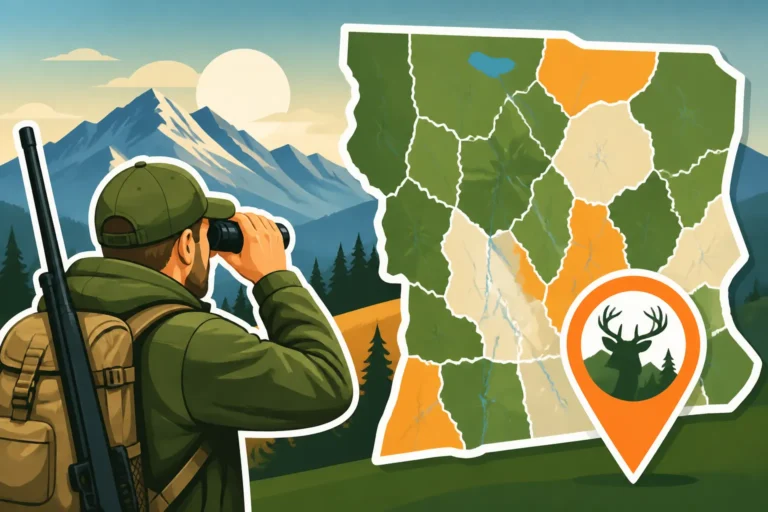
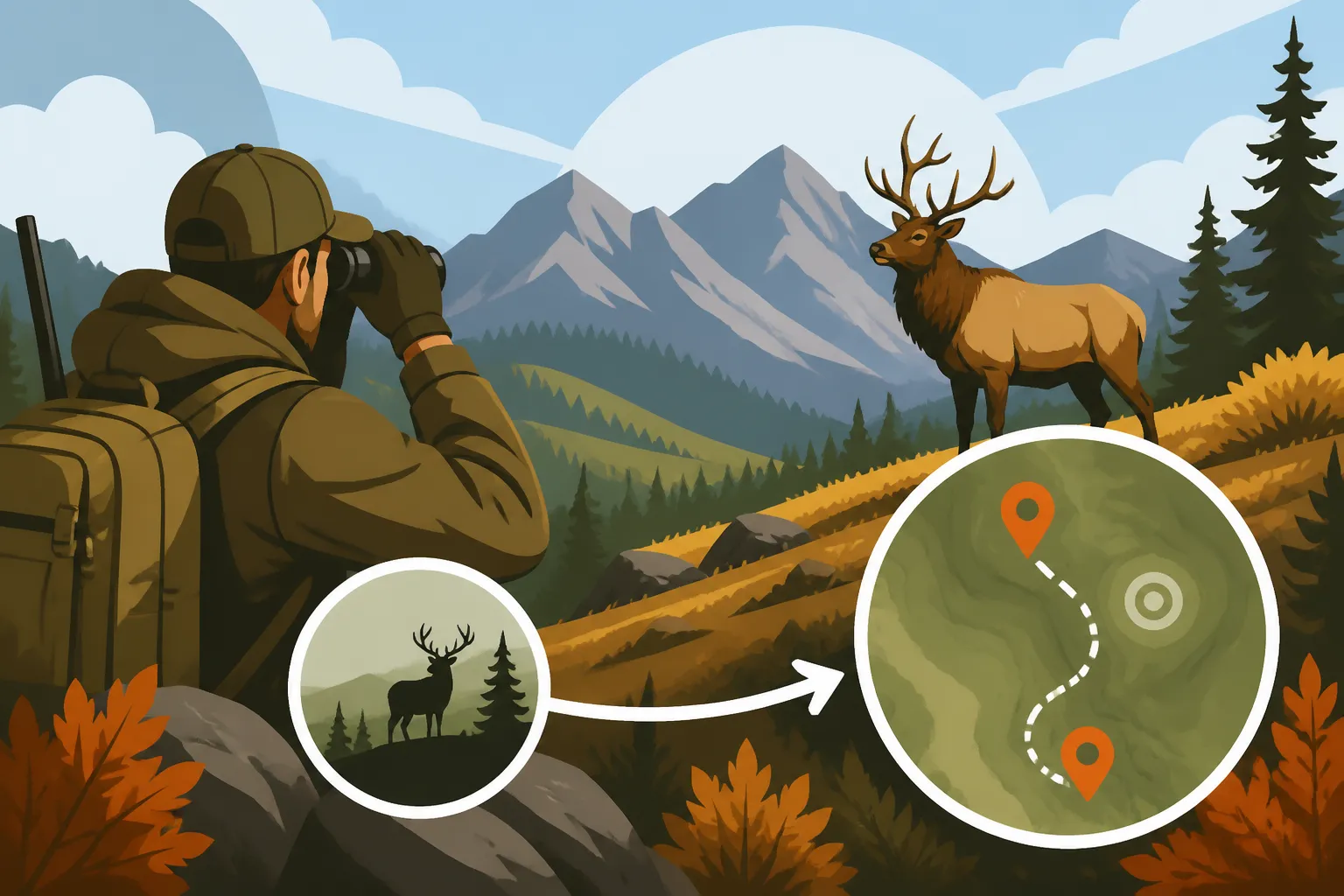
Modern mapping applications have revolutionized how we scout. Tools like onX Hunt are indispensable for understanding the lay of the land from your living room. You can identify public versus private land boundaries, crucial for staying legal and maximizing your hunting opportunities. Beyond that, these apps allow you to analyze topography in incredible detail, highlighting steep slopes, hidden benches, saddles, and drainage features that act as natural travel corridors for elk. You can mark potential bedding areas (dense timber on north-facing slopes), feeding grounds (open parks, clear-cuts, or transition zones), and water sources.
I always recommend spending hours on onX Hunt, identifying remote pockets that are difficult for most hunters to access. Look for areas away from roads and trails, particularly those that require significant elevation gain or a long hike. Often, these overlooked spots hold elk seeking refuge from pressure. You can also trace out potential routes, measure distances, and visualize elevation changes, giving you a realistic sense of the effort required for a particular hunt. Understanding How to E-Scout Before a Colorado Hunt is paramount to narrowing down vast public lands into manageable, high-potential areas.
Utilizing Data Platforms for Insights
Beyond basic mapping, several platforms offer advanced data that can refine your e-scouting strategy. GoHunt's Insider service, for instance, provides detailed draw odds, harvest statistics, and unit-specific information that can give you an edge. While this specific article focuses on general public land strategies rather than unit-specific draw tags, understanding overall herd health, population trends, and historical harvest success rates for general OTC (Over-The-Counter) units can help you identify areas with a higher likelihood of holding elk.
These platforms often break down public land by type (National Forest, BLM, State Trust Land, Wilderness Areas), allowing you to understand access rules and potential for pressure. For example, some State Trust Lands may have specific access restrictions or seasons. By combining this granular data with your topographic analysis from onX Hunt, you can build a robust mental map of a unit, noting areas to avoid due to high pressure and pinpointing potential sanctuaries where elk might be holed up. You're not just looking at a map; you're developing a hypothesis about where the elk will be when you arrive.
Interpreting Topographic Maps and Satellite Imagery
While digital apps are fantastic, don't underestimate the power of truly understanding topographic maps and satellite imagery. Contour lines tell a story of elevation changes, cliffs, and benches. Tightly packed lines mean steep terrain; widely spaced lines indicate flatter ground. Look for subtle changes in contours that might indicate a bench or a hidden pocket that an elk could use for bedding. Satellite imagery, especially with different seasonal overlays, can reveal tree density, vegetation types, and even old logging roads or clear-cuts that might not be on standard topo maps.
Often, elk will congregate in specific micro-habitats within larger areas. For example, a small stand of dark timber nestled between an open meadow and a steep canyon could be a prime bedding area. Identify these "islands" of cover or unique terrain features. Use satellite imagery to spot south-facing slopes (which will be lighter green or brown in early spring imagery due to early snowmelt) where elk might feed in late season, or north-facing slopes (darker green, more timber) where they'll seek shade and security during warmer periods. Always cross-reference your digital maps with traditional paper maps if possible, as sometimes different map sources can highlight different features or nuances in the terrain.
| E-Scouting Tool | Primary Function | Key Benefit for Elk Hunting |
|---|---|---|
| onX Hunt | Property boundaries, topo maps, satellite imagery, waypoints, offline maps | Pinpoints public land, identifies terrain features, marks potential elk locations, aids navigation |
| GoHunt | Draw odds, harvest data, unit profiles, articles, gear reviews | Provides insight into herd health and potential success, helps understand unit characteristics |
| Google Earth | Global satellite imagery, 3D terrain models, historical imagery | Offers broader overview, identifies large landscape features, can show seasonal changes in vegetation |
| USGS Topo Maps | Detailed contour lines, geological features, trails, water sources | Excellent for understanding terrain relief, identifying subtle features like benches and saddles |
Boots on the Ground: In-Season Scouting and Hunting Tactics
Once you've done your homework and arrived in Colorado, it's time to put your e-scouting to the test. No amount of digital planning can replace the information you gather with your feet on the ground. This phase requires persistence, stealth, and adaptability.
Still-Hunting and Glassing Techniques
Still-hunting is the art of moving incredibly slowly and deliberately through elk country, stopping frequently to observe, listen, and scan your surroundings. This isn't about covering ground; it's about seeing elk before they see you. Focus on moving into the wind or crosswind, taking only a few steps at a time, and then pausing for several minutes, scanning every shadow and opening. Look for horizontal lines (an elk's back or belly) in a vertical world of trees. Pay attention to subtle movements, twitching ears, or the flicker of a tail. This is especially effective in dense timber where visibility is limited.
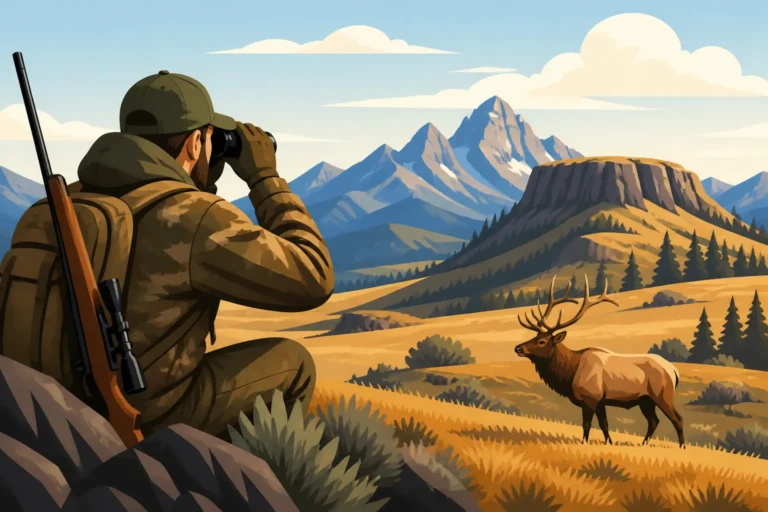
When in more open terrain, or overlooking large basins, glassing becomes your most powerful tool. Find a vantage point that allows you to see a lot of country, often during the early morning or late evening when elk are most active. Using quality binoculars or a spotting scope, systematically grid the landscape, looking for any signs of elk. Don't just scan; pick apart the terrain section by section, looking at shadowed areas, the edges of timber, and transition zones between different types of vegetation. Patience is key here; you might spend hours glassing before spotting anything, but that one glimpse could be the key to your hunt. Knowing Best Optics for Colorado Big Game can make all the difference in these situations.
Calling Strategies for Public Land Elk
Elk calling can be incredibly effective, especially during the rut, but on public land, it's a double-edged sword. Aggressive calling can sometimes attract other hunters as much as it attracts elk. The key is to be strategic and subtle. Start with soft cow calls to gauge interest without alerting every bull in the drainage. If you get a response, try to sound like a small, lone cow. If a bull bugles, listen intently to determine his location, direction of travel, and perceived mood.
Often, less is more. Instead of continuous calling, try a sequence of calls followed by a long period of silence (15-20 minutes) to see if an elk will reveal itself. Remember, elk have incredible hearing, and they'll often circle downwind to scent-check the source of a call. Always position yourself with the wind in mind, and be ready for an elk to come in silently. If you get a bull bugling back, consider setting up for a "comeback" scenario where one hunter calls from behind, and another moves forward to intercept the curious bull. Understanding How to Bugle for Colorado Elk and How to Cow Call Colorado Elk are essential parts of your arsenal, but adapt your approach to the level of pressure you're experiencing.
Navigating Roadless and Wilderness Areas
The true sanctuaries for public land elk in Colorado are often found deep within roadless areas and designated wilderness. These are typically vast tracts of land where motorized vehicles are prohibited, meaning access requires significant physical effort, usually on foot or horseback. This is where elk seek refuge from the constant vehicle and human traffic found closer to roads. Hunting these areas demands a different level of preparation and commitment.
To access these areas, you'll need to master backcountry navigation, have a solid understanding of wilderness ethics, and be prepared for multi-day hunts away from any amenities. A good physical fitness plan, as discussed in How to Physically Prepare for Colorado Elk, is non-negotiable. Plan your routes carefully, identifying potential spike camp locations, reliable water sources, and escape routes in case of bad weather. Remember that packing out an elk from these remote areas is a monumental task, often requiring multiple trips or a team effort. This is where a Colorado Backcountry Hunting Guide can be extremely valuable. The reward for this effort, however, is often less pressured elk and a truly wild hunting experience.
Reading the Terrain: Key Features to Focus On
Elk, like most wildlife, are creatures of habit. They use specific terrain features for different purposes, and learning to identify these key spots is fundamental to finding them. Your e-scouting will highlight many of these, but confirming them on the ground is vital.
Focusing on North-Facing Slopes and Dark Timber
When the sun is high and temperatures rise, especially during early and mid-season, elk crave shade and security. North-facing slopes, which receive less direct sunlight, often harbor dense stands of dark timber – spruce, fir, and aspen – that provide excellent thermal cover. These areas tend to retain moisture longer, leading to more lush undergrowth and cooler temperatures. Elk will bed down in these thick, cool pockets during the day, making them prime spots for still-hunting.
Don't just walk through the timber; pick it apart slowly and methodically. Look for benches or flat spots within the timber where elk can comfortably bed. These areas offer both shade and a vantage point from which elk can observe their surroundings, often providing multiple escape routes. Pay attention to wind and thermals, as elk will almost always bed where they have a distinct wind advantage. Learning How to Find Elk in Deep Timber is a skill developed through experience, but starting with these north-facing sanctuaries is a great first step.
Water Sources, Wallows, and Feed Areas
Water is life, and elk need it daily. Identifying reliable water sources is crucial, especially during dry periods. This includes springs, seeps, small ponds, and even snow patches at higher elevations. Elk will often create trails leading directly to these water points. During the rut, wallows become particularly active, as bulls not only drink but also wallow in the mud, mixing it with urine to create a pungent scent that attracts cows and signals dominance to other bulls.
Feeding areas are equally important. These can range from open meadows, alpine parks, and old burn areas that are regenerating, to aspen stands, clear-cuts, or even recent logging operations where new growth provides nutritious forage. Elk will often move from their bedding areas in dark timber to these feeding grounds during dawn and dusk. Look for signs of recent grazing, freshly clipped shoots, and droppings. The "transition zones" between bedding and feeding areas are often excellent places to set up an ambush or intercept moving elk.
Saddles, Ridges, and Travel Corridors
Elk are efficient travelers and will typically use the path of least resistance when moving between different areas. This means saddles and ridges are incredibly important to recognize. A saddle is a low point on a ridge line, creating a natural "pass" that elk (and other wildlife) will use to cross from one drainage to another. These can be great ambush points, especially during the middle of the day when elk are often on the move between bedding and feeding.
Ridges, particularly those with good cover, also serve as high-traffic travel corridors, connecting different parts of an elk's habitat. They offer good visibility for elk and make for easier walking than slogging through steep drainages. Focus on the leeward side of ridges (the side sheltered from the wind) where elk might prefer to travel. Additionally, look for natural "funnels" created by terrain features – narrow canyons, dense timber stands, or abrupt changes in elevation that force elk into a confined area. These travel corridors are excellent places to scout for fresh tracks and set up to intercept moving animals. For a more detailed look, check out How to Hunt Elk Benches and Saddles.
Adapting to Pressure and Seasons
The dynamic nature of Colorado elk hunting means you can't rely on a one-size-fits-all approach. Successful hunters are those who can quickly adapt their tactics based on the season, weather, and, most importantly, the level of hunting pressure.
Early Season vs. Rut vs. Late Season Tactics
Each season presents unique opportunities and challenges. In the early archery season (late August to mid-September), elk are often still in their bachelor groups, relatively undisturbed and focused on feeding. This is a great time for Spot-and-Stalk Hunting in Colorado, targeting animals in high alpine basins before the rut kicks in. They might be more visible and predictable.
As the rut heats up in late September and early October, bulls become more vocal and less cautious, offering fantastic calling opportunities. This is the peak of the season for many, but also when pressure is highest. Focus on areas that offer escape routes and security. After the intense activity of the rut, elk will enter a "post-rut" phase, often exhausted and seeking solitude to recover. They can be incredibly challenging to find, often moving back into very thick cover.
Late rifle seasons (November) are dominated by colder weather and snow. Elk will migrate to lower elevations, often concentrating in certain wintering grounds. This can make them easier to locate in larger groups, but also means they are more vulnerable to pressure. Focus on south-facing slopes, transition zones between summer and winter ranges, and areas near private land where they might seek refuge. Look for How to Hunt Colorado Late-Season Migration for more specifics.
Finding Sanctuaries and Refuge Areas
On heavily hunted public land, elk quickly learn where they are safe. These "sanctuaries" or "refuge areas" are often rugged, difficult-to-access pockets of public land, or sometimes even pieces of private land adjacent to public ground that are rarely hunted. Elk might use these private lands as a safe haven during the day, only venturing onto public land to feed at night.
Your e-scouting with onX Hunt is invaluable here. Look for sections of public land that are surrounded by private property or are simply too steep and remote for most hunters to bother with. These areas, though challenging to access, are often where you'll find undisturbed elk. Similarly, large wilderness areas and roadless portions of National Forests often serve as vast sanctuaries. Even if you can't legally hunt private land, understanding its location helps predict elk movement patterns as they transition between public and private. For instance, if you're hunting an open public ridge that borders a large, un-hunted private ranch, expect elk to pour off that private land at dusk and head back by dawn.
Hunting During Peak Pressure Times
The reality of public land hunting means you'll almost certainly encounter other hunters, especially during the popular rifle seasons. Instead of letting this deter you, learn to use it to your advantage. Other hunters, unintentionally, can help push elk into areas you might be targeting. For example, if you know a particular road or trail sees heavy foot traffic, consider setting up downwind and deeper into a drainage or up on a ridge, anticipating elk to be pushed in your direction.
Focus on hunting during less popular times or in less popular areas. This might mean hunting later in the day when others are heading back to camp, or starting earlier than most. It definitely means being willing to hike further and harder than the average hunter. The further you get from roads and established trails, the less pressure you'll encounter, and the higher your chances of finding elk that are behaving more naturally. Understanding the nuances of How to Hunt Elk in Rifle Season Pressure can dramatically improve your odds. Sometimes, simply waiting an extra hour or two in a good location after the morning rush dies down can pay dividends as elk start to move again.
Essential Gear for Public Land Elk Hunting
Your gear list for a Colorado public land elk hunt is more than just a collection of items; it's a carefully curated system designed for survival, efficiency, and success in demanding mountain environments. Skimping on quality here can mean the difference between a successful hunt and a miserable, potentially dangerous experience.
Navigation and Communication Tools
In the vastness of Colorado's public lands, reliable navigation is non-negotiable. A GPS device, whether a dedicated unit like a Garmin inReach or your smartphone running onX Hunt, is absolutely essential. These tools allow you to pinpoint your location, track your movement, mark waypoints (like fresh sign, water sources, or a downed animal), and follow pre-planned routes. Always carry a backup, like a physical map and compass, and know how to use them. Cell service is often non-existent in the backcountry, so ensure your digital maps are downloaded for offline use.
Beyond navigation, communication is critical for safety. A satellite messenger or personal locator beacon (PLB) is highly recommended, especially if you're hunting solo or venturing deep into remote areas. Devices like the Garmin inReach Mini allow for two-way satellite communication and emergency SOS capabilities, providing peace of mind for you and your loved ones. These are not luxuries; they are vital safety tools in the Colorado wilderness.
Optics and Scouting Aids
Your eyes are your most important scouting tool, and quality optics enhance their power exponentially. A good pair of 10×42 or 12×50 binoculars are indispensable for glassing distant slopes and picking apart timber for elk. For serious long-range glassing, especially in open country or vast basins, a spotting scope (20-60x or 15-45x) is a game-changer. Don't forget a tripod for steady glassing; even the best optics are useless when shaky. Rangefinders are also crucial for accurate shot placement in mountain terrain, where judging distance can be notoriously difficult due to steep angles and wide-open spaces.
Beyond primary optics, a quality headlamp with multiple brightness settings and a red light option is crucial for navigating in the dark. A small, lightweight trail camera might be useful if you're hunting a specific water source or travel corridor, allowing you to scout when you're not physically present. However, check local regulations as some areas may restrict their use. Best Optics for Colorado Big Game provides a deep dive into choosing the right glass for your hunt.
Essential Backpacking and Survival Gear
Even for a day hunt, you need to be prepared for an unexpected night out or sudden weather changes. Your backpack (consider a good frame pack if you anticipate packing out meat, like the ones discussed in Best Backpack for a Colorado Elk Hunt) should contain more than just your lunch. Essential survival items include:
- First-aid kit
- Water filter or purification tablets
- Emergency shelter (e.g., lightweight tarp or bivvy bag)
- Fire starter (lighter, waterproof matches, ferro rod)
- Knife or multi-tool
- Extra layers of warm clothing, even in early season (weather can change rapidly at elevation)
- High-energy food
- Headlamp and spare batteries
- Signaling mirror and whistle
- Small repair kit for gear
Remember to pack smart and light, but never compromise on safety. A solid understanding of basic wilderness survival skills, like building a fire, finding shelter, and treating injuries, can literally save your life. The mountains are beautiful but unforgiving.
Disclaimer
The information provided in this guide is for informational purposes only and is not intended as legal advice. Hunting regulations, seasons, and access can change. Always consult the official Colorado Parks and Wildlife (CPW) regulations and maps for the most up-to-date and accurate information before planning and executing any hunting trip in Colorado. Respect private property, practice ethical hunting, and prioritize safety above all else.