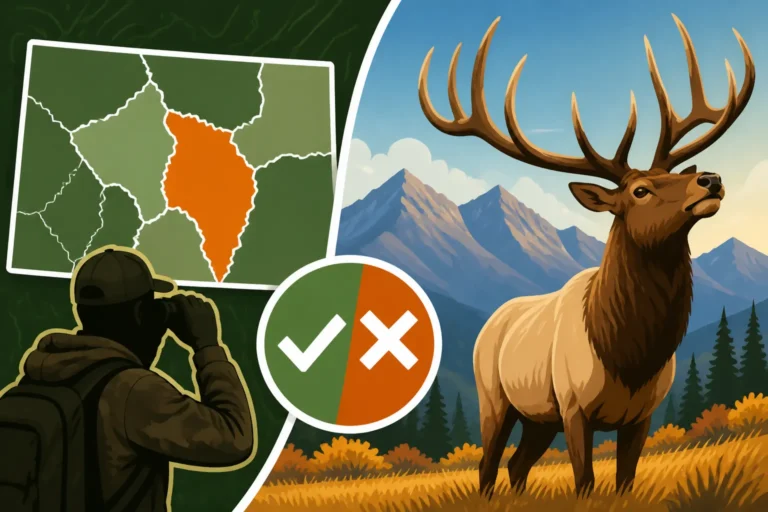
Colorado GMU 10 Hunting Guide
Heading into Colorado's high country for an elk hunt is a dream for so many of us, but when you start looking at specific units like GMU 10, the sheer scale and ruggedness can feel overwhelming. It’s a vast, challenging landscape that demands respect and thorough preparation, leaving many hunters wondering how to even begin breaking it down. This guide is here to cut through that complexity, offering a detailed look at what to expect in GMU 10, how the elk behave, and the strategies you'll need to turn that dream into a reality.
Understanding GMU 10's Unique Terrain and Habitat
GMU 10, situated in northwestern Colorado, is a truly wild and expansive hunting unit known for its rugged beauty and the formidable challenges it presents to elk hunters. It's a land of high plateaus, deep canyons, dense timber, and vast wilderness areas, primarily dominated by the Routt National Forest. This isn't your roadside hunting unit; it's a place where the elk live on their own terms, and you'll need to earn every opportunity.
Diverse Elevations and Landscapes
The sheer variety of elevations within GMU 10 is one of its defining characteristics. You'll find yourself ranging from approximately 8,000 feet in the lower reaches of some drainages, all the way up to over 12,000 feet in the high alpine zones. This significant elevation change dictates everything from vegetation patterns to how elk use the landscape throughout the year and even within a single day.
For example, early season archery hunters might find elk feeding in lush, higher elevation meadows and basins, often close to the timberline, taking advantage of the cooler temperatures and abundant forage. As the season progresses into the rifle hunts, elk might start to drop to lower elevations, especially with significant snow, seeking shelter in the thick timber pockets and south-facing slopes that offer more sun exposure. Understanding these elevational shifts is critical for knowing where to focus your scouting and hunting efforts, whether you're planning for early season or looking into Colorado Late Season Elk Hunting Tactics.
Key Habitat Types for Elk
The primary draw of GMU 10 for elk is its incredible diversity of habitat. From vast stands of dark timber to open sagebrush parks and willow-choked creek bottoms, the unit provides everything an elk herd needs to thrive. The large percentage of public land here, including significant wilderness areas, means less human disturbance and more natural elk behavior.
You'll encounter dense conifer forests – spruce, fir, and lodgepole pine – that provide crucial bedding and security cover. These are often the places elk retreat to when pressured, or where they spend their days bedded down, only to emerge at dawn and dusk to feed. Interspersed with these forests are aspen groves, which are vital for forage, especially during the fall when the leaves provide a carbohydrate-rich food source. Open parks and meadows, particularly those with good water sources, act as prime feeding grounds. Learning to identify these distinct habitat types and how elk utilize them is key to success in GMU 10. Consider using tools like onX Hunt to layer public land boundaries with satellite imagery and topographic maps, helping you pinpoint these varied habitats even before you set foot in the field.
Elk Behavior and Hunting Strategies in GMU 10
Hunting GMU 10 isn't just about finding elk; it's about understanding why they are where they are and how they are behaving. This unit's challenging landscape means elk often adapt their routines to minimize human interaction, making knowledge of their patterns and appropriate strategies absolutely essential.
Rutting Behavior and Calling Tactics
During the archery and early muzzleloader seasons, GMU 10 can truly come alive with the sound of bugling bulls. The dense timber and vast wilderness areas offer prime real estate for rutting activity, allowing bulls to establish harems and challenge rivals with relative freedom from immediate human pressure. This is a time when How to Call Elk in Colorado becomes an art form.
However, don't expect elk to come screaming into every call. Bulls in GMU 10 are often wary, especially those that have survived a few hunting seasons. You might hear distant bugles, but actually closing the distance and getting a bull to commit can be incredibly challenging. It often requires patience, strategic setups, and understanding when to be aggressive and when to be silent. Often, a combination of cow calls and soft bugles might entice a cautious bull more effectively than an over-aggressive challenge, particularly if you suspect he's been called to before. Knowing How to Set Up on a Bugling Elk in this type of thick country is paramount, focusing on terrain features that funnel elk to you and give you a shooting lane.
Spot-and-Stalk in Diverse Terrain
While calling is a significant part of the early season experience, spot-and-stalk tactics remain a crucial skill for hunting GMU 10, especially as the rut winds down or during the rifle seasons when elk become much more quiet. The varied landscape—from open alpine basins to thick timber—demands adaptability in your approach.
In the higher, more open country, particularly during the early morning or late evening, glassing can be incredibly effective. Perched on a high vantage point, with good optics, you can spend hours scanning distant timber edges, avalanche chutes, and open parks for feeding or traveling elk. Once an animal is spotted, the real work begins: planning a careful, wind-conscious approach. This often means covering miles of rugged terrain, utilizing every fold in the landscape for cover, and moving with extreme stealth. For those who enjoy the challenge of covering ground, exploring Colorado Spot-and-Stalk Hunting Guide is highly recommended. Conversely, when elk retreat into the dark timber, spot-and-stalk transitions into still-hunting, a slow and deliberate process of moving through dense cover, looking for subtle signs of elk and listening for every snap of a twig.
Public Land Pressure and Elk Behavior
GMU 10 experiences significant hunting pressure, particularly during the popular rifle seasons, which can drastically alter elk behavior. While it has vast public lands, easy-access areas near roads will likely see more hunters. The elk, being smart creatures, will quickly adapt. They'll move into thicker cover, shift their feeding times, and seek out the most inaccessible terrain they can find.
This means you'll need to be prepared to hunt deep, away from roads and trails, often venturing into designated wilderness areas where motorized access is prohibited. These remote zones, while demanding considerable physical effort, often hold less pressured elk. Understanding How to Hunt Elk on Public Land Pressure is vital here. It often involves getting up earlier, staying out later, and pushing into areas that most other hunters won't bother with. This could be steep north-facing slopes, dense bedding thickets, or remote pockets near the boundary of wilderness areas. Utilizing tools like GoHunt for draw odds and unit data, combined with onX Hunt for detailed topography and public land overlays, can help identify these less-trafficked areas and give you a strategic advantage.
Essential Planning and Preparation for a GMU 10 Hunt
Hunting GMU 10 is an endeavor that requires meticulous planning and rigorous physical preparation. It's not a unit where you can show up unprepared and expect success. The mountains will test your gear, your body, and your resolve.
Physical Fitness and Altitude Acclimation
This cannot be stressed enough: GMU 10 will push your physical limits. You'll be hiking at elevations ranging from 8,000 to over 12,000 feet, often traversing steep, uneven terrain for miles each day. If you're coming from sea level, the thin air will be a significant factor. A lack of proper physical conditioning and altitude acclimation can quickly turn a dream hunt into a miserable struggle.
Start your fitness regimen months in advance. Focus on cardiovascular endurance (hiking with a weighted pack, running, stair climbing) and leg strength. Think about simulating mountain conditions if possible. Even more importantly, plan for altitude acclimation. Arriving a few days early to spend time at elevation, even if it's just in a base camp, can make a huge difference. Hydration is also paramount to combat the effects of altitude. Many hunters find dedicated programs like Altitude Training for Colorado Hunting beneficial. Don't underestimate the physical demands; your success and enjoyment depend on it.
Navigating GMU 10's Backcountry Access
Accessing the prime elk habitat in GMU 10 often means venturing deep into the backcountry. While there are some forest service roads, the most productive areas typically require foot travel, sometimes for many miles. This includes vast wilderness areas where only foot and horseback travel are permitted. Knowing how to navigate these areas and plan your ingress and egress is critical.
Mapping tools are indispensable. onX Hunt is a game-changer for identifying public land, private land boundaries, and topographic features. Use it to scout potential routes, mark water sources, and identify potential bedding and feeding areas long before your boots hit the dirt. Pay close attention to designated wilderness boundaries; these are often where elk find refuge from vehicle-based pressure. You'll also want to understand How to E-Scout Before a Colorado Hunt to gain a strategic overview. Consider planning your hunt from a spike camp or a true backcountry camp to maximize your time in prime elk country, rather than commuting long distances daily from a truck.
Essential Gear and Supplies
The gear you bring to GMU 10 needs to be robust, reliable, and appropriate for variable mountain weather. Temperatures can swing wildly, from warm sunny days to freezing nights, and snow can fall at any time, even during early seasons. This is especially true if you are planning a Colorado Backcountry Hunting Guide style of hunt.
Your packing list should include:
- Layered Clothing System: Quality base layers, insulating mid-layers, and a waterproof/windproof outer shell are non-negotiable.
- Reliable Footwear: Sturdy, broken-in hiking boots with good ankle support are essential for navigating the steep and rocky terrain.
- Optics: High-quality binoculars (10×42 or 10×50) and a spotting scope (if hunting open country) are crucial for locating distant animals. Don't skimp on Best Optics for Colorado Big Game.
- Backpack: A comfortable, durable pack capable of hauling gear and meat is vital. You'll likely be packing out your harvest over challenging terrain, so choose wisely – something like the Best Backpack for a Colorado Elk Hunt will make a huge difference.
- Navigation: GPS device (like a dedicated Garmin or your phone with
onX Huntdownloaded maps) and a physical map and compass as a backup. - Water Filtration: A reliable water filter or purification tablets, as natural water sources can be plentiful but need treatment.
- Survival Essentials: Fire starter, first-aid kit, emergency shelter, headlamp.
Here's a quick look at how the challenges of GMU 10 stack up across different aspects:
| Aspect | Description | Impact on Hunt |
|---|---|---|
| Terrain | Vast, rugged, high elevations, dense timber, steep slopes, deep drainages. | Requires extreme physical fitness, durable gear, excellent navigation, and patience. Slow travel. |
| Elk Behavior | Wary, pressured, utilize thick cover and remote areas. Seasonal migration and elevation shifts. | Requires persistent scouting, adaptive hunting methods (calling, spot-and-stalk, still-hunting), and deep penetration. |
| Access | Limited road access, extensive wilderness areas, long hikes required to reach prime areas. | Mandates backcountry skills, lightweight packing, and a willingness to get far from the truck. |
| Weather | Unpredictable mountain weather, wide temperature swings, potential for early snow, wind, and rain. | Demands high-quality layered clothing, robust shelter, and constant vigilance for changing conditions. |
| Hunter Pressure | Moderate to high, especially in accessible areas and during rifle seasons. | Forces elk into remote areas, requiring strategic planning to avoid crowds and find unpressured animals. |
Remember, the goal isn't just to survive in GMU 10, but to hunt effectively. Every piece of gear should serve a purpose, and your physical condition should be up to the task of the mountains themselves. Preparing properly for How to Pack Into the Colorado Backcountry is critical for success in this challenging unit.
Disclaimer
Hunting is an inherently dangerous activity. The information provided in this guide is for informational purposes only and should not replace proper training, local regulations, or professional advice. Always prioritize safety, adhere to all Colorado Parks and Wildlife regulations, and respect the land and wildlife. Conditions in the backcountry can change rapidly, and personal responsibility is paramount.