Colorado GMU 12 Hunting Guide
Deciding where to invest your valuable hunting time and effort in Colorado can feel like deciphering an ancient riddle. With so many Game Management Units (GMUs) available, each with its own unique characteristics, regulations, and challenges, it's easy to get overwhelmed. This comprehensive guide is designed to cut through the confusion and provide you with a deep dive into Colorado's GMU 12, offering insights into its terrain, wildlife, access, and strategies to help you plan a successful hunt.
Understanding Colorado GMU 12 Terrain and Habitat
GMU 12, nestled in the northwestern corner of Colorado, presents a distinct hunting landscape compared to the soaring peaks and dense timber found in many other parts of the state. It's a unit that demands a different approach, rewarding hunters who understand its unique blend of cover, water, and varied topography. This isn't a "glass a giant basin from a mountaintop" kind of unit, but rather one that requires careful navigation of its rolling hills, drainages, and vegetation mosaics.
Geographic Features and Elevation Range
The topography of GMU 12 is characterized by a mix of sagebrush-dominated flats, rolling juniper and pinyon pine mesas, and significant river and creek bottoms, most notably along the Little Snake River and its tributaries. Unlike the high-alpine environments of the San Juan or Gore Ranges, the elevation in GMU 12 is generally lower, typically ranging from about 6,000 feet in the river bottoms to around 8,500 feet on some of the higher ridges and plateaus. This lower elevation doesn't mean it's easy country; deep canyons and rugged draws carved by millennia of water flow can still make for tough hiking.
You'll find expanses of open ground interspersed with pockets of dense cover. The terrain tends to be more broken and undulating than truly mountainous, creating countless hidden folds and benches where animals can find refuge. This "broken country" means that while you might not be climbing 12,000-foot peaks, you'll be constantly ascending and descending smaller, often steep, inclines. Understanding these subtle shifts in elevation and aspect is crucial for predicting animal movement, especially how they use north-facing slopes for thermal cover during warmer periods or south-facing slopes for sun exposure in colder weather.
Primary Habitat Types and Vegetation
The habitat in GMU 12 is a diverse tapestry that provides for a variety of big game species. The most dominant vegetation type across much of the unit is sagebrush, often intermixed with rabbitbrush and various grasses. This sagebrush steppe is vital for mule deer, especially during winter, and provides excellent foraging grounds for elk. As you gain elevation onto the mesas and foothills, you'll encounter pinyon pine and juniper woodlands, forming dense thickets that offer significant thermal and hiding cover. These areas are particularly important for elk and mule deer to escape pressure and find security.
Along the river and creek bottoms, such as the Little Snake River and Bear Creek, you'll find riparian zones dominated by cottonwoods, willows, and other deciduous species. These ribbons of green are lifelines in the often arid landscape, providing crucial water sources, forage, and travel corridors for wildlife. Hunters often focus their efforts around these water sources, especially during dry years. Scattered across the unit, particularly on higher elevations or north-facing slopes, you might also find small pockets of aspen or even occasional conifer stands, which can act as magnets for elk seeking cooler bedding areas. The transition zones, where sagebrush meets pinyon-juniper or where timber meets open parks, are often high-activity areas for feeding and travel.
Key Species and Hunting Opportunities in GMU 12
GMU 12 is a popular destination for big game hunters in Colorado, primarily due to its reputation for both elk and mule deer. While it might not always produce the largest "trophy" class animals compared to some draw-only units, it offers consistent opportunities for a rewarding hunt and generally healthy populations. It’s a workhorse unit that delivers year after year for those willing to put in the effort.
Elk Hunting in GMU 12
Elk populations in GMU 12 are generally robust, offering good opportunities for hunters, especially during the Over-the-Counter (OTC) archery and second and third rifle seasons for bull elk. The elk here are adapted to the unit's unique landscape, often utilizing the pinyon-juniper and sagebrush country, rather than always retreating to dense, dark timber like in higher elevation units. This means they can be found in unexpected places, often using the broken topography for cover.
During the archery season, especially early September, the elk rut can be fantastic. Bulls will be vocal, and hunters can often employ calling tactics to draw them in. However, as pressure mounts, especially once rifle seasons begin, elk can become incredibly wary and move into the thickest, nastiest cover they can find. They might travel significant distances between bedding and feeding areas, often crossing between public and private lands. Success rates can vary, but diligent hunters who scout thoroughly and understand elk behavior in this specific habitat often find success. For those looking to learn How to Call Elk in Colorado, GMU 12 offers prime opportunities to practice and apply those skills.
Mule Deer Hunting in GMU 12
GMU 12 is also known for its solid mule deer hunting opportunities. The unit supports a healthy deer population, and while truly massive bucks might be harder to come by without significant preference points for limited units, there are still excellent chances to harvest a mature deer. Mule deer in GMU 12 thrive in the sagebrush flats, pinyon-juniper hills, and the broken country with ample browse.
During early archery seasons, bucks might still be in summer bachelor groups and relatively patterned, but as fall progresses and pressure increases, they become much more solitary and elusive. The late rifle seasons, particularly the fourth, can coincide with the early stages of the mule deer rut, which can make bucks more active and visible, especially around doe groups. Hunters often find success by glassing expansive areas of sagebrush and then executing a spot-and-stalk approach, or by still-hunting the pinyon-juniper ridges. Understanding Colorado Mule Deer Hunting Guide tactics will significantly boost your chances here.
Other Game Species in GMU 12
While elk and mule deer are the primary draws, GMU 12 also offers opportunities for other game species. Pronghorn are found in the more open, prairie-like areas, particularly on the western edges and lower elevations of the unit. These incredibly fast and sharp-sighted animals offer a unique challenge for hunters, often requiring long-range shooting skills or careful stalking in terrain that offers minimal cover. If you're considering a pronghorn hunt, this unit definitely has potential.
Black bears are also present in GMU 12, though they are generally less common than in the more heavily timbered, higher-elevation units. They are often encountered incidentally by elk and deer hunters, particularly during early fall seasons when they are foraging for berries and other food sources before winter. Small game, such as cottontail rabbits and various upland birds, can also be found, providing additional hunting opportunities if you're looking to fill a day or complement your big game hunt.
Accessing Public and Private Land in GMU 12
One of the most critical aspects of hunting GMU 12, or any Colorado unit, is understanding land ownership. GMU 12 is a patchwork of public and private land, and successfully navigating this mosaic is paramount to a productive hunt. The ability to distinguish between accessible public lands and private holdings can make or break your hunt, especially when animals are pressured.
Public Land Access and Important Areas
GMU 12 features a significant amount of public land, primarily managed by the Bureau of Land Management (BLM) and Colorado State Trust Lands. There are also smaller pockets of Routt National Forest on the eastern fringes. The BLM lands often comprise the rolling hills, sagebrush flats, and pinyon-juniper country that define much of the unit. These areas are generally open to public hunting, but access can sometimes be tricky due to landlocked parcels or limited road systems.
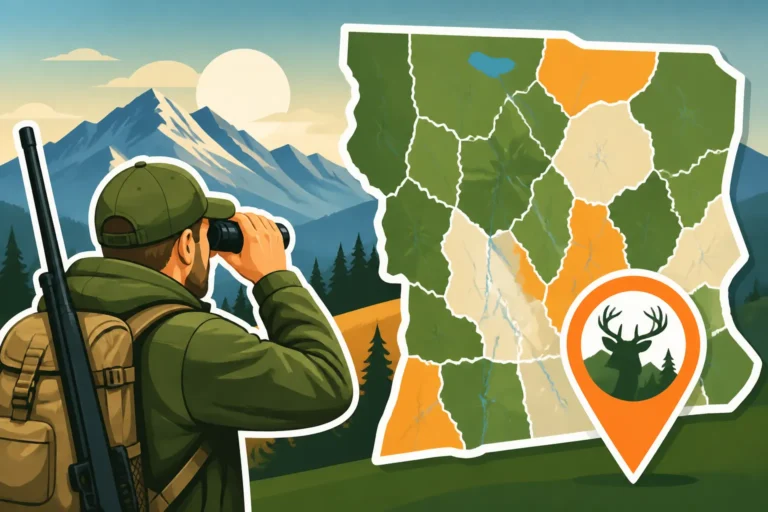
Hunters should always come prepared with reliable mapping tools like onX Hunt, which clearly delineates public and private boundaries. This is indispensable for staying legal and maximizing your time. Key areas of public access often surround the Little Snake River corridor and numerous large blocks of BLM land scattered throughout the unit. The State Trust Lands (STL) require a valid Colorado hunting license to access, and some have specific rules or limited access points, so it's vital to check the Colorado Parks and Wildlife (CPW) website for current regulations on specific parcels. Understanding Colorado Public Land Hunting Guide principles is especially important here to navigate the numerous access points and parcels.
Navigating Private Land and Permission
Private land plays a substantial role in GMU 12, with many large ranches interspersed with public holdings. Often, the most fertile river bottoms and traditional agricultural lands are privately owned. During hunting seasons, especially after the initial rush of opening day, animals frequently retreat to these private sanctuaries, making it challenging for public land hunters.
Respecting private property is non-negotiable. Trespassing is a serious offense and can jeopardize future hunting opportunities for everyone. If you plan to hunt close to private land, or if you believe animals are crossing onto private property, your best bet is to seek permission from landowners well in advance of your hunt. This often requires courteous communication, a clear explanation of your intentions, and sometimes even offering to help with chores or pay a trespass fee. Some outfitters operate on private ranches in the area, offering exclusive access, which can be an option if you prefer a guided experience that bypasses the complexities of public land access and draws. However, for DIY hunters, diligence in identifying boundaries is key.
Strategic Hunting Tips for GMU 12
Hunting GMU 12 effectively isn't about luck; it's about preparation, adaptability, and understanding the nuances of the terrain and animal behavior. Given the mix of public land pressure and private land havens, hunters need to be strategic in their approach.
E-Scouting and On-the-Ground Reconnaissance
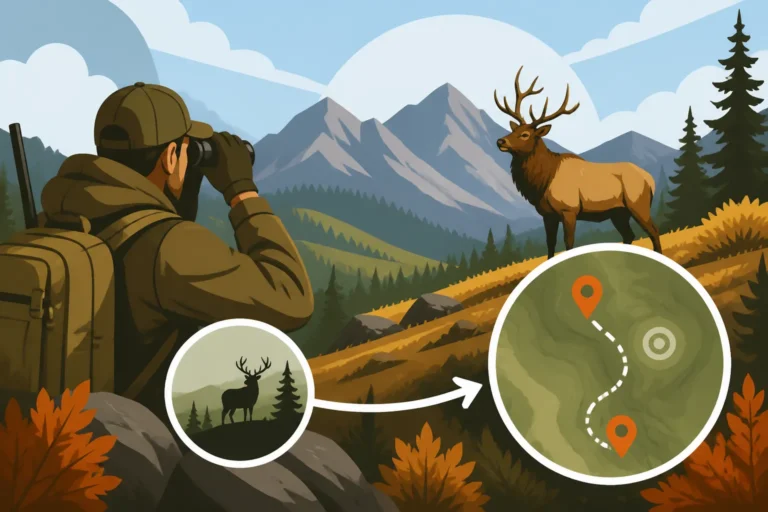
Before you even step foot in GMU 12, a thorough e-scouting session is indispensable. Use tools like onX Hunt to identify public land parcels, potential bedding areas (often thicker pinyon-juniper or north-facing slopes), water sources (creeks, ponds, seeps), and feeding areas (sagebrush flats, aspen groves). Look for historical animal sign through satellite imagery, such as game trails leading to and from water or bedding. Pay close attention to how contour lines indicate drainages, saddles, and benches—these are all key travel corridors and staging areas for elk and deer. GoHunt's Insider platform can also provide valuable insights into draw odds and unit statistics, helping you understand long-term trends for GMU 12.
Once you're on the ground, confirm your e-scouting observations. Spend time glassing from vantage points, particularly during the early morning and late evening when animals are most active. Don't be afraid to put boots on the ground to explore potential bedding areas and water sources, even if they look "too thick" or "too open." Animals in GMU 12 often use subtle terrain features for cover that might not be obvious on a map. Remember, elk and mule deer are masters of camouflage, and what looks like a barren hillside from a distance might hide several animals in a small dip or behind a juniper clump. Learning How to E-Scout Before a Colorado Hunt is a critical skill for this unit.
Seasonal Considerations and Pressure
The hunting experience in GMU 12 can vary dramatically depending on the season. Archery season, often coinciding with the elk rut, can be exciting, but also means dealing with active animals and potentially warm weather. Muzzleloader and early rifle seasons typically see higher hunter pressure, especially on accessible public land. During these times, elk and deer will often move deeper into cover or onto private land. This means you might need to hike further into roadless areas or target fringes of private ground where animals might be moving. How to Hunt Elk in Rifle Season Pressure tactics become crucial.
Late rifle seasons can bring colder weather, and potentially snow, which can be a game-changer. Snow makes tracking easier, quiets your approach, and can push animals down to lower elevations or into specific thermal cover. However, it also means harsher conditions for hunters. Always be prepared for drastic weather changes, which are common in Colorado. For those pursuing elk, understanding How to Hunt Elk at High Elevation isn't as critical here as it is in some other units, but understanding how they use elevation within this specific range is important.
Essential Gear and Physical Preparedness
Given the varied terrain of GMU 12, packing the right gear is essential. While you might not be tackling extreme high-altitude climbs, you'll still be covering significant ground over uneven terrain. Good quality, broken-in hunting boots are non-negotiable to prevent blisters and provide support. Layering clothing is key, as temperatures can swing widely from chilly mornings to warm afternoons, and vice versa if a cold front moves in. A reliable backpack for carrying water, food, optics, and potentially meat is also crucial. For a comprehensive list, check out Best Backpack for a Colorado Elk Hunt.
Optics are paramount here. A good pair of binoculars (10×42 or 10×50) and a spotting scope are highly recommended for glassing the open sagebrush and pinyon-juniper hillsides. You'll be spending a lot of time scanning for animals that blend remarkably well into their surroundings. A rangefinder is also vital for ethical shot placement in this country, where distances can be deceiving. Don't forget a first-aid kit, navigation tools (GPS, compass, and map, in addition to your phone app), and plenty of water. Even at lower elevations, physical conditioning is important; you'll be covering miles on foot, often with significant elevation changes within draws and canyons.
GMU 12 Seasonal Hunting Overview
To give you a clearer picture of what to expect throughout the hunting seasons in GMU 12, here's a brief overview. Keep in mind that specific regulations, tag availability, and hunt codes can change annually, so always consult the latest Colorado Parks and Wildlife regulations brochure.
| Season Type | Typical Dates (Approx.) | Tag Type | Expected Pressure | Animal Behavior Highlights | Key Tactics |
|---|---|---|---|---|---|
| Archery Elk | Late Aug – Late Sep | OTC Bull/Draw Cow | Moderate to High | Elk rut is in full swing (vocal bulls, active movement). Mule deer in bachelor groups, predictable patterns if undisturbed. | Calling for elk, spot-and-stalk for both, focusing on water sources and prime forage. |
| Muzzleloader | Mid-Sep | Draw Only | High (Concentrated) | Elk often still rutting but can be wary. Mule deer moving to fall ranges. | Spot-and-stalk, patience, focusing on security cover. |
| 1st Rifle | Late Oct | Draw Only | High | Elk are settling into post-rut patterns, seeking food and cover. Mule deer can be pressured. | Focus on bedding areas, transition zones. |
| 2nd Rifle | Late Oct – Early Nov | OTC Bull/Draw Cow | Very High | Elk are pressured, moving into thick cover and private land. Mule deer increasingly active. | Aggressive still-hunting, glassing remote areas, anticipating animal movement between cover. |
| 3rd Rifle | Early Nov – Mid-Nov | OTC Bull/Draw Cow | High | Elk behavior similar to 2nd rifle. Mule deer rut activity beginning, increasing their visibility. | Same as 2nd rifle, plus targeting mule deer near doe groups. |
| 4th Rifle | Mid-Nov – Late Nov | Draw Only | Moderate | Elk can be concentrated by snow. Mule deer rut is near peak, highly active. Potential for severe weather. | Hunting migration routes, tracking in snow, focused efforts on mule deer rut activity. |
This table provides a snapshot, but conditions, animal behavior, and tag availability are dynamic. Always check the official CPW resources for the most current information.
Conclusion
Hunting Colorado's GMU 12 offers a challenging yet incredibly rewarding experience for those willing to learn its unique landscape. It's a unit that demands strategic planning, persistent effort, and a keen understanding of both elk and mule deer behavior in a diverse habitat of sagebrush, pinyon-juniper, and riparian corridors. From utilizing modern e-scouting tools to respecting private land boundaries and adapting to seasonal pressures, success in GMU 12 comes to the well-prepared and adaptable hunter. Whether you're chasing bugling bulls in September or looking for a mule deer during the late-season rut, GMU 12 holds significant potential for a memorable Colorado hunting adventure.
Disclaimer
Please note that hunting regulations, season dates, and tag availability in Colorado are subject to change by Colorado Parks and Wildlife (CPW). Always consult the most current CPW regulations brochure and website before planning and executing any hunt. This guide provides general information and recommendations and should not be considered a substitute for official CPW resources.