Colorado GMU 231 Hunting Guide
Trying to figure out which Colorado hunting unit is right for your next adventure can feel like staring at a complex puzzle, especially when you're hoping to find a productive area without getting lost in the crowd. Many hunters, myself included, have spent countless hours poring over maps and regulations, only to feel overwhelmed by the sheer number of options. This guide is here to unravel the mysteries of Colorado’s GMU 231, offering a detailed look at its unique characteristics, hunting opportunities, and what you need to know to plan a successful trip.
Understanding Colorado GMU 231's Landscape and Terrain
GMU 231, nestled in the northwestern part of Colorado, is a unit that offers a diverse and often challenging hunting experience. It's not a unit for the faint of heart or those unwilling to put in the legwork, but for hunters who embrace its unique characteristics, it can be incredibly rewarding.
Geographic Location and Accessibility
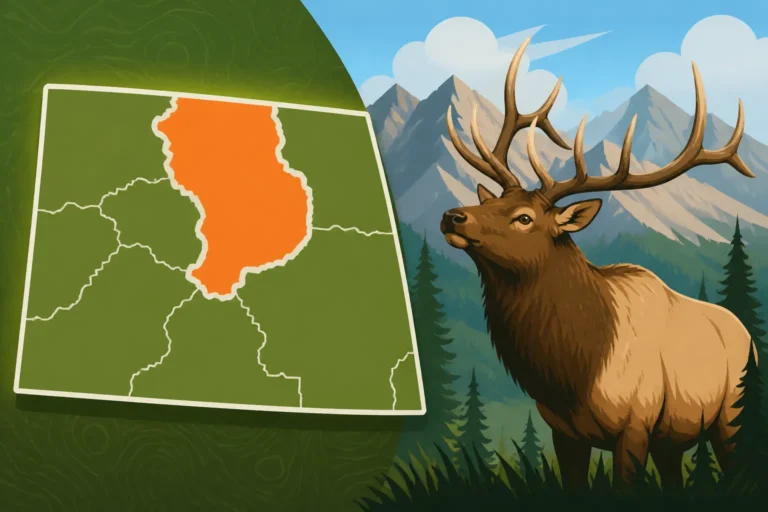
GMU 231 is primarily located in Rio Blanco County, with portions extending into Moffat County. It’s essentially a piece of prime Western Colorado hunting ground, situated north of the White River and stretching towards the Wyoming border. Its neighbors include GMU 23 to the south, GMU 24 to the southeast, and GMU 12 to the east. The primary hub for this area is Meeker, a charming small town that offers basic amenities, supplies, and a strong hunting culture. Craig, further east, is another larger town that hunters often use as a jumping-off point.
Access into GMU 231 is generally good, though it varies significantly depending on the season and specific area you're trying to reach. State Highway 13, running north from Meeker, provides a main artery, with numerous county and Forest Service roads branching off into the unit. Some of the well-known access points and areas include the Yellow Creek drainage, Big Beaver Creek, and areas around Trappers Lake Road on its eastern fringes, though the core of 231 is mostly west of that famous wilderness area. It's crucial to understand that while main roads are maintained, many secondary roads can become impassable quickly with rain or snow, especially during the later rifle seasons. A good 4×4 vehicle is often a necessity, not a luxury, for navigating the varied terrain and fickle weather conditions this unit can throw at you.
Elevation, Vegetation, and Water Sources
The landscape of GMU 231 is a classic example of Western Slope high desert transitioning into timbered mountains. Elevations generally range from around 6,000 feet in the lower sagebrush and pinyon-juniper breaks along the White River drainage to over 9,000 feet in the higher, timbered plateaus. This elevation gradient creates distinct vegetation zones that are crucial for understanding animal movement.
At lower elevations, you'll encounter vast expanses of sagebrush flats interspersed with pinyon pine and juniper trees. These areas provide critical winter range for elk and deer and can hold animals during early archery seasons or late-season hunts when snow pushes them down. As you climb, the terrain shifts into dense stands of dark timber, primarily lodgepole pine, spruce, and fir, often broken up by pockets of aspen groves. These timbered areas are where elk seek refuge, especially when hunter pressure is high, or during warmer parts of the day. The aspen stands, particularly those with a healthy understory, are often excellent feeding areas.
Water is a key factor in GMU 231, as it is across much of the arid West. The White River forms a significant portion of the unit’s southern boundary, but within the unit, natural springs, seeps, and seasonal creeks are vital. Additionally, you'll find numerous stock tanks and man-made ponds scattered across private and public lands, which can act as significant attractants for game, especially during dry periods. Learning to identify these water sources, whether through pre-season e-scouting with tools like onX Hunt or through on-the-ground reconnaissance, can be a game-changer for locating animals.
Game Species and Hunting Opportunities in GMU 231
GMU 231 is renowned, particularly for its elk, but it also offers solid opportunities for mule deer and other species, making it a well-rounded unit for big game hunters.
Elk Hunting in GMU 231
Elk are the undisputed kings of GMU 231. The unit supports a healthy population, and while it's not a secret, there are certainly opportunities for those willing to work for it. Historically, GMU 231 has seen a mix of over-the-counter (OTC) and limited draw tags, depending on the season, though specific regulations change periodically. For the most up-to-date tag information, always check the Colorado Parks and Wildlife (CPW) regulations. Generally, late archery and specific rifle seasons might require drawing a tag, while some archery or later rifle seasons could be OTC.
Elk behavior in GMU 231 is influenced by a combination of weather, feed, and hunter pressure. During the early archery season, bulls are often vocal and responsive to calling, especially during the peak rut. Hunters focusing on early archery often target the higher elevation timber and aspen parks where elk spend their summer. As the seasons progress into rifle hunts, elk tend to move into thicker cover and often migrate to lower elevations as snow accumulates. Understanding these migration patterns is crucial. You might find elk holding tight in dark timber pockets during Colorado Rifle Elk Hunting Guide seasons, only to push out into more open country or lower sagebrush areas when heavy snow starts to fall. For archery hunters, focusing on water sources and wallows can be particularly effective early in the season, while later seasons might require more still-hunting through timber or covering significant ground with Spot-and-Stalk Hunting in Colorado tactics. Don't underestimate the power of quiet movement through the timber, especially during the Colorado Muzzleloader Hunting Guide season when noise can carry far.
Mule Deer and Other Species
While elk often steal the spotlight, GMU 231 also presents decent opportunities for mule deer. The mule deer population here is not as robust as some other parts of Colorado, but quality bucks can certainly be found. Mule deer tend to favor the more open sagebrush-pinyon-juniper country at lower to mid-elevations, especially during the fall and early winter. However, during the summer and early hunting seasons, many bucks will retreat to the higher, thicker timbered areas, often using the same habitat as elk. This overlap can sometimes lead to unexpected encounters.
Hunters pursuing mule deer in GMU 231 will often employ glassing techniques, spending time on high points overlooking expansive sage flats or timbered hillsides, patiently picking apart the landscape. The key is to be persistent and thorough. For a deep dive into deer hunting in this area, check out our Colorado Mule Deer Hunting Guide.
Beyond elk and mule deer, GMU 231 also offers limited opportunities for other species. Black bear populations are present, and hunters may purchase an add-on bear tag during elk and deer seasons. These bears are often found in the same timbered habitats as elk, particularly where berry patches or other food sources are abundant. For more on pursuing bruins, take a look at our Colorado Black Bear Hunting Guide. Additionally, small game like dusky grouse can be found in the timbered areas, offering a fun bonus if you're carrying a shotgun or small caliber rifle.
Navigating Regulations, Tags, and Hunter Pressure
Successfully hunting in GMU 231 requires more than just understanding the terrain and animal behavior; it also means mastering the administrative side of Colorado hunting.
Tag Availability and Draw Considerations
Colorado's hunting regulations can be complex, and GMU 231 is no exception. Elk tags in GMU 231 typically involve a combination of over-the-counter (OTC) opportunities and draw-only tags, which can change year to year based on herd management objectives. For example, in recent years, some archery and 2nd/3rd rifle seasons for bull elk have been OTC, while 1st and 4th rifle seasons, or any antlerless (cow) tags, often require going through the draw. Mule deer tags are almost universally draw-only and can require a fair number of preference points.
Understanding the Colorado Draw System and Preference Points is critical if you plan to hunt here long-term or are targeting a specific high-quality tag. Non-residents, in particular, need to be aware of the limited allocation of tags and often need more preference points than residents for desirable hunts. Always consult the current year's CPW Big Game Brochure, as regulations, season dates, and tag availability are subject to change annually. This brochure will detail the specific hunt codes for GMU 231, indicating whether they are OTC or require preference points, and the historical draw odds. Tools like GoHunt can also provide excellent data analytics on draw odds for various hunt codes, helping you strategize your application.
Here’s a simplified breakdown of typical tag availability, but again, always verify with current CPW regulations:
| Species | Season Type | Typical Availability | Preference Points Needed (Estimate) | Notes |
|---|---|---|---|---|
| Elk | Archery (Bull) | OTC or Limited Draw | 0-2 (for limited) | Check for specific dates/units |
| Elk | Muzzleloader (Bull) | Draw Only | 2-5+ | Often a tougher draw |
| Elk | 1st Rifle (Bull) | Draw Only | 3-6+ | Highly sought after |
| Elk | 2nd Rifle (Bull) | OTC or Limited Draw | 0-2 (for limited) | Can be good public land option |
| Elk | 3rd Rifle (Bull) | OTC or Limited Draw | 0-2 (for limited) | Often good migration potential |
| Elk | 4th Rifle (Bull) | Draw Only | 3-7+ | Can be excellent with snow |
| Elk | Archery/Rifle (Cow) | Draw Only | 0-1 (can be easier draw) | Important for herd management |
| Mule Deer | All Seasons | Draw Only | 3-10+ (varies greatly by quality) | Significant points often required for quality bucks |
| Black Bear | Add-on/Draw | Add-on or Draw Only | 0-1 (add-on), 2-3+ (draw-only) | Check specific units/seasons |
Public vs. Private Land and Access Challenges
GMU 231 offers a substantial amount of public land, primarily managed by the Bureau of Land Management (BLM) and the U.S. Forest Service (USFS), particularly the White River National Forest portions. This abundance of public access is a major draw for hunters, but it also comes with its challenges. Large swaths of private land are interspersed throughout the unit, creating a classic Western checkerboard pattern. Navigating these boundaries is paramount to hunting legally and ethically.
This is where a robust mapping application like onX Hunt becomes an absolutely indispensable tool. With onX Hunt, you can clearly see public and private land boundaries, land ownership details, and even identify potential access roads or trails that might cross private land to reach public parcels. Without it, you risk inadvertently trespassing or missing out on vast tracts of huntable public land. I've personally seen countless hunters make mistakes by not verifying boundaries, so consider it a mandatory part of your planning. For a deeper dive, check out our Colorado Public Land Hunting Guide.
Hunter pressure can be a significant factor, especially during OTC rifle seasons. While GMU 231 has plenty of room, the easily accessible areas, especially those close to main roads, can see a lot of activity. To escape the crowds and increase your chances of finding undisturbed game, you'll often need to be willing to hike further, delve into roadless areas, or utilize less obvious access points. This is where scouting, both digitally beforehand and on the ground, pays off. Look for those "dark spots" on the map, areas that are away from roads and trails, and consider those your priority areas.
Essential Strategies and Gear for Hunting GMU 231
Once you've wrapped your head around the unit's characteristics and regulations, it's time to strategize your hunt in GMU 231.
Effective Scouting and Hunting Tactics
Pre-season scouting is absolutely non-negotiable for GMU 231. Begin your preparation months in advance by dedicating time to How to E-Scout Before a Colorado Hunt. Utilize satellite imagery, topo maps, and land ownership data to identify potential bedding areas, feeding zones, water sources, and travel corridors. Look for north-facing slopes with dense timber for bedding, south-facing slopes for early season feed, and saddles or benches that connect different habitat types for travel. GoHunt offers excellent tools for researching historical animal densities, harvest statistics, and draw odds, complementing your map study.
Once you have identified potential spots, try to make an in-person scouting trip if possible. Nothing beats boots on the ground for confirming e-scouting observations, checking road conditions, and finding fresh sign. If an in-person trip isn't feasible, leverage online resources, hunter forums, and even phone calls to local Forest Service or BLM offices for current conditions.
During the hunt, adapt your tactics to the season and conditions. For early archery, focusing on water sources, wallows, and high-elevation feeding areas can be effective. Using calls, particularly during the rut, can be a great way to locate and entice bulls. Our How to Call Elk in Colorado guide offers excellent techniques. As seasons progress, elk often become more wary. Still-hunting through timber, especially during mid-day when other hunters are often heading back to camp, can yield results. Setting up on known travel corridors or pinch points can also be productive, particularly if there's significant hunter pressure pushing elk through certain areas. Remember to play the wind; the thermals in mountainous terrain can be tricky, often rising in the morning and falling in the evening.
Recommended Gear and Physical Preparation
Hunting in GMU 231, like much of Western Colorado, demands robust gear and a serious commitment to physical fitness. The terrain can be steep and rugged, and elevations can test even seasoned hunters.
Your footwear is paramount. Invest in high-quality, broken-in hunting boots that provide excellent ankle support and waterproof protection. Brands like Crispi, Kenetrek, or Schnee's are popular for a reason—they handle the abuse. Blisters can quickly ruin a hunt, so don't skimp here.
Layering is key for clothing. Colorado weather is famously unpredictable; you can experience all four seasons in a single day. Start with a good base layer (merino wool is fantastic), add insulating mid-layers (fleece or puff jacket), and top it off with a waterproof and windproof outer shell. Having extra layers in your pack is a non-negotiable, especially if you're venturing far from your vehicle.
A quality backpack is also essential, not just for carrying your gear for the day, but for packing out meat if you're successful. Look for an external or internal frame pack designed for heavy loads and comfortable carry over rough terrain. Our Colorado Backcountry Hunting Gear List provides a comprehensive rundown of what to consider.
For optics, a good pair of binoculars (10×42 or 12×50) is crucial for picking apart the vast landscapes. Consider a spotting scope if you plan to do a lot of long-range glassing for mule deer. A rangefinder is also a must-have for accurate shot placement in varied terrain.
Finally, and I cannot stress this enough, physical preparation is absolutely vital. GMU 231 is not a flat-land hunt. You'll be gaining and losing significant elevation, often at altitudes where the air is thinner. Start a rigorous fitness regimen months before your hunt, focusing on cardiovascular endurance, leg strength, and carrying weight. Incorporate hiking with a loaded pack into your routine. The better shape you're in, the more enjoyable and effective your hunt will be. Refer to our How to Physically Prepare for Colorado Elk guide for a detailed plan.
Disclaimer
Please note that hunting regulations, season dates, and unit boundaries are subject to change by Colorado Parks and Wildlife (CPW). It is the hunter's responsibility to review the current year's official CPW Big Game Hunting Brochure and other relevant regulations before applying for or participating in any hunt. This guide provides general information and recommendations, but it is not a substitute for official CPW resources.