How to Plan a Colorado Backpack Hunt
Colorado backpack hunting planning involves researching game management units, acquiring tags, meeting high-altitude physical demands, and selecting gear.
Close the distance.
Archery, muzzleloader, and firearm techniques — calling, stand placement, still-hunting, spot-and-stalk, and the weapon rules that change at the state line.
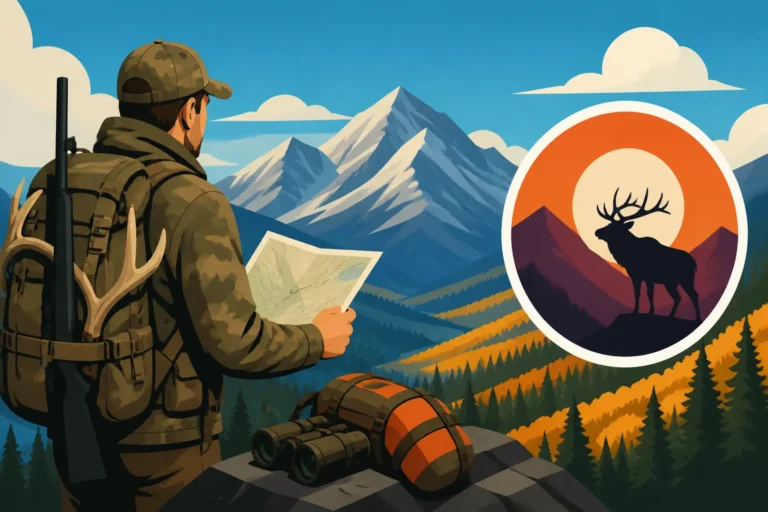
Colorado backpack hunting planning involves researching game management units, acquiring tags, meeting high-altitude physical demands, and selecting gear.
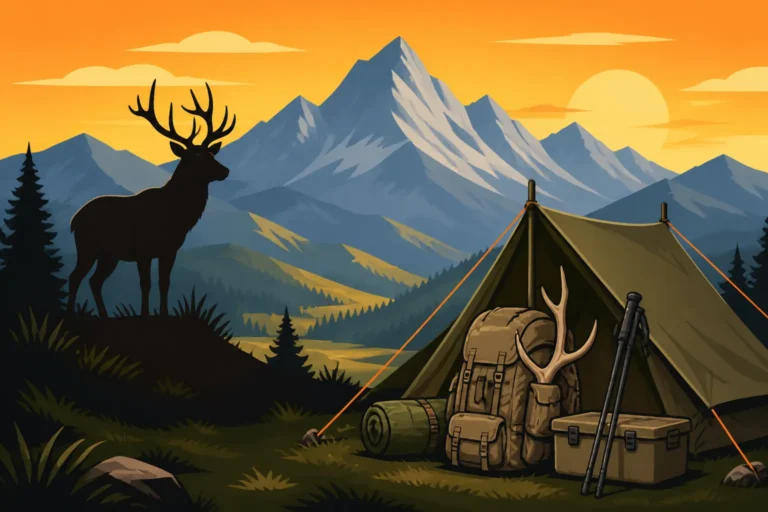
Colorado spike camp planning strategies explain how to reduce travel time, manage gear weight, and stay closer to elk herds.
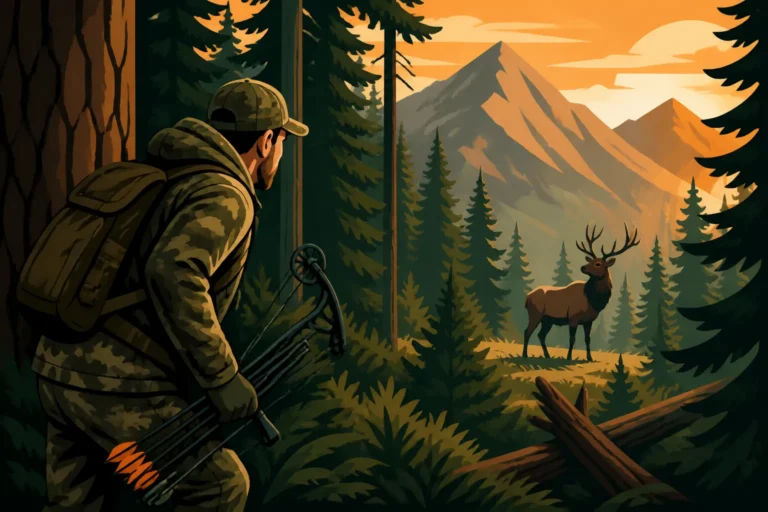
Stealthy Colorado timber movement requires quiet footwear, silent clothing, and deliberate test steps that control noise and avoid snapping branches.
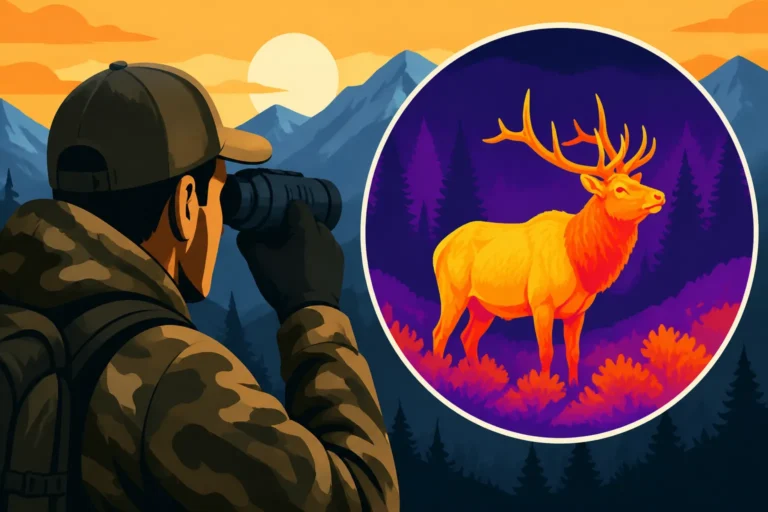
Colorado thermal currents dictate elk movement, showing hunters how to predict daily air cycles and plan effective mountain approach routes.
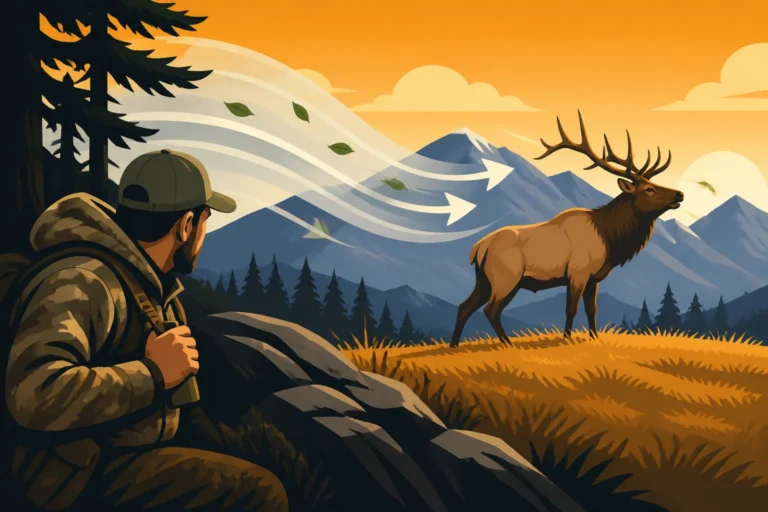
Mountain wind patterns, thermal air movements, and real-time scent indicators for Colorado elk hunters pursuing bulls in rugged terrain.
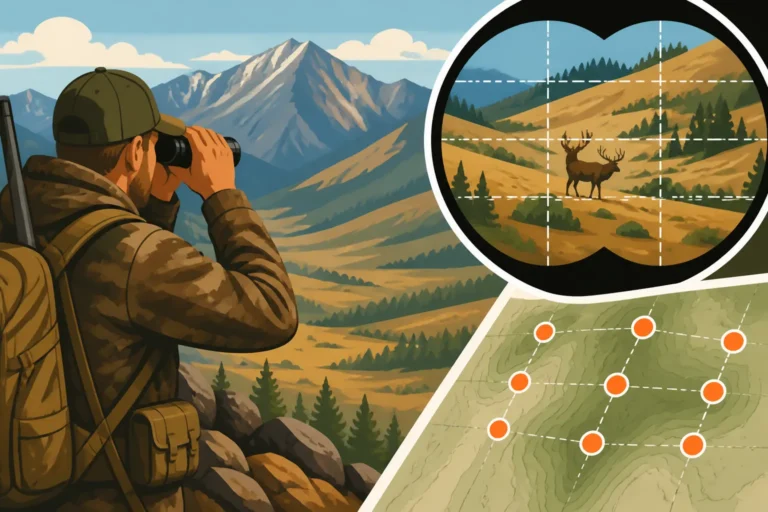
Systematic glassing and gridding techniques help hunters cover vast Colorado basins efficiently and locate big game hiding in rugged landscapes.
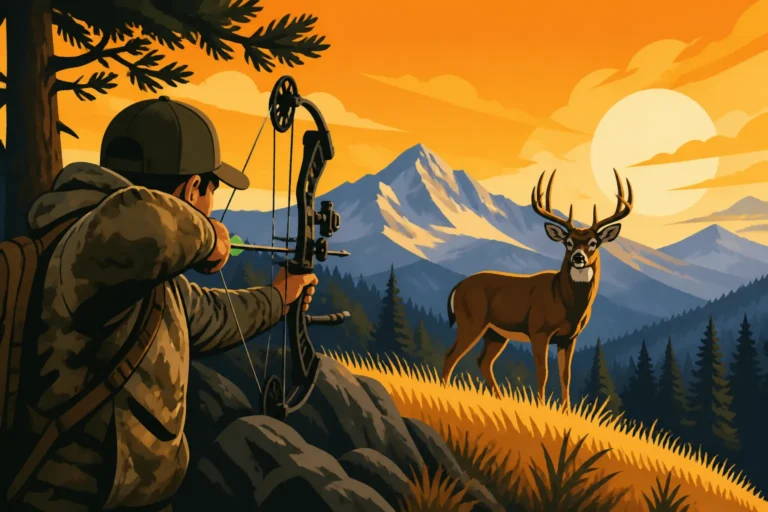
The Colorado mule deer rut cycle details the timing, behavioral phases, and environmental triggers that help hunters locate bucks.
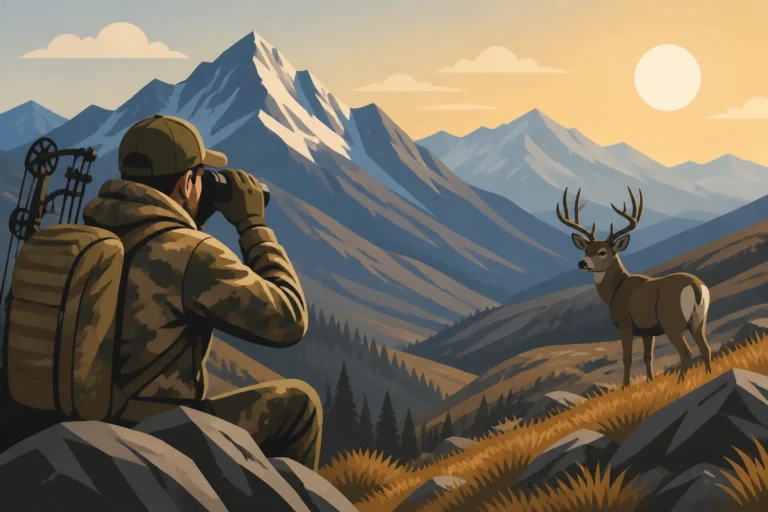
High-country mule deer hunting behavior, gear requirements, and spot-and-stalk tactics are explained for successful mountain navigation.
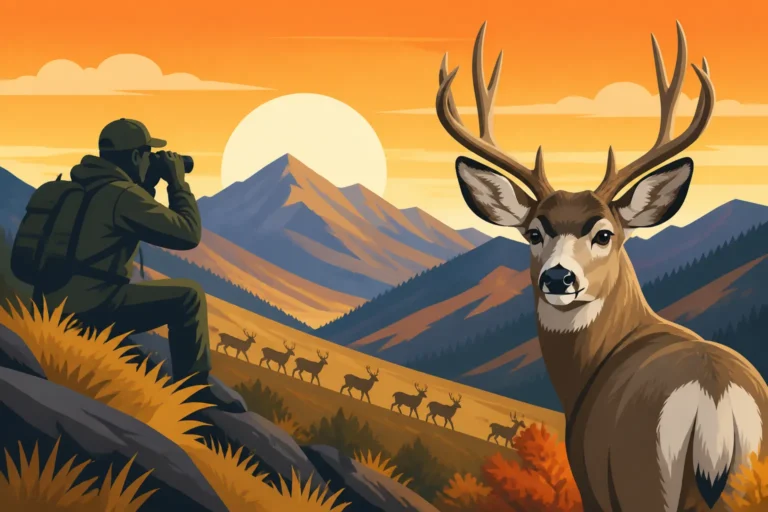
Colorado mule deer migration patterns shift because of weather and food, creating distinct hunting opportunities along lower winter ranges.
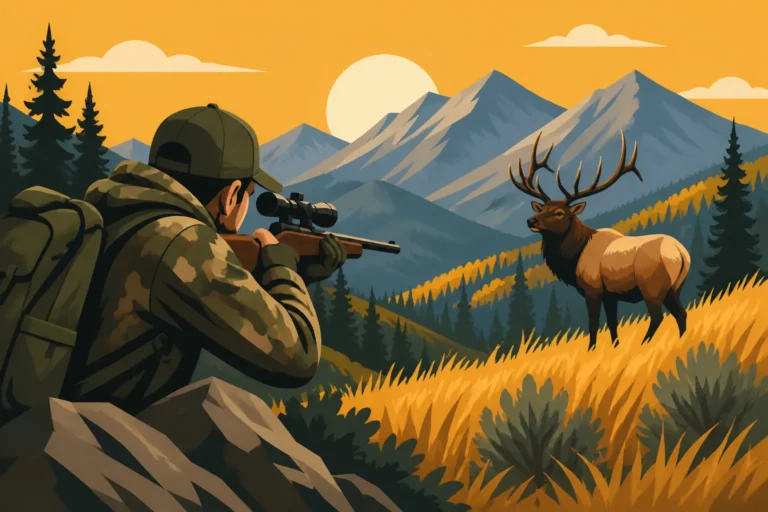
Colorado Fourth Rifle elk hunting requires specialized winter gear, physical endurance, and migration tracking tactics for brutal late season conditions.