Colorado Mule Deer Hunting: Tree Stand Tactics
Effective tree stand placement, terrain scouting, and scent control strategies help hunters ambush wary mule deer in Colorado’s rugged, open country.
Close the distance.
Archery, muzzleloader, and firearm techniques — calling, stand placement, still-hunting, spot-and-stalk, and the weapon rules that change at the state line.
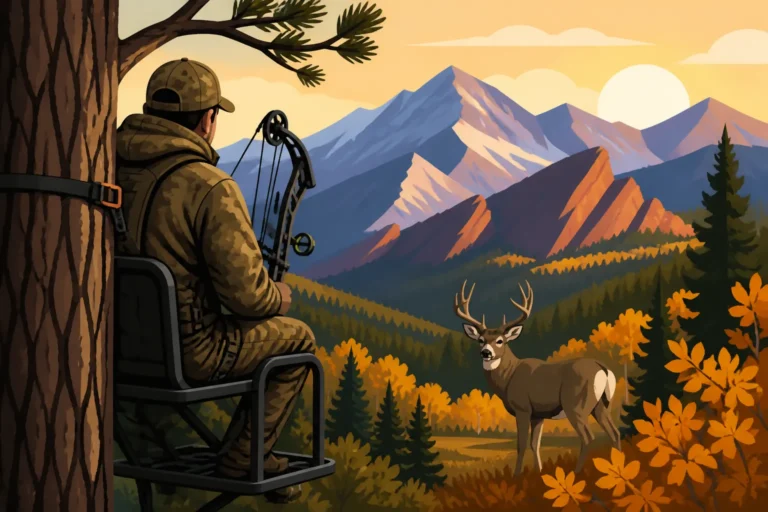
Effective tree stand placement, terrain scouting, and scent control strategies help hunters ambush wary mule deer in Colorado’s rugged, open country.
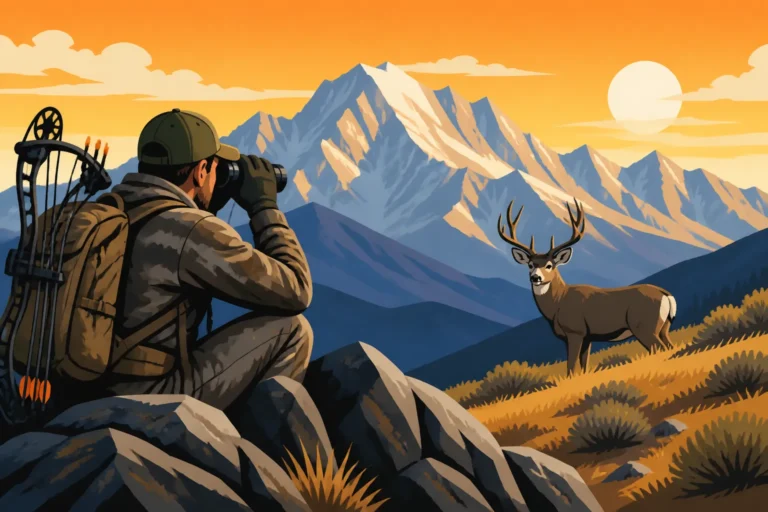
Colorado backcountry mule deer hunting requires rigorous physical conditioning, advanced digital scouting, and specialized high-altitude survival gear.
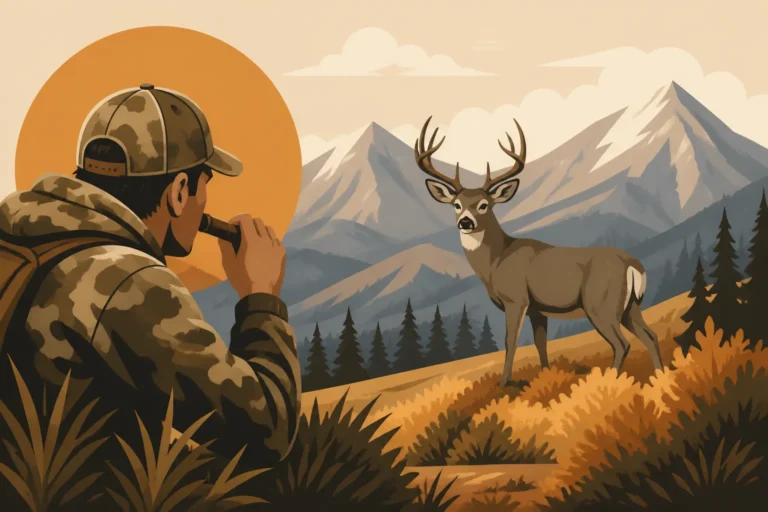
Effective calling tactics for Colorado mule deer include using fawn distress calls, doe bleats, and rattling to attract wary bucks during the rut.
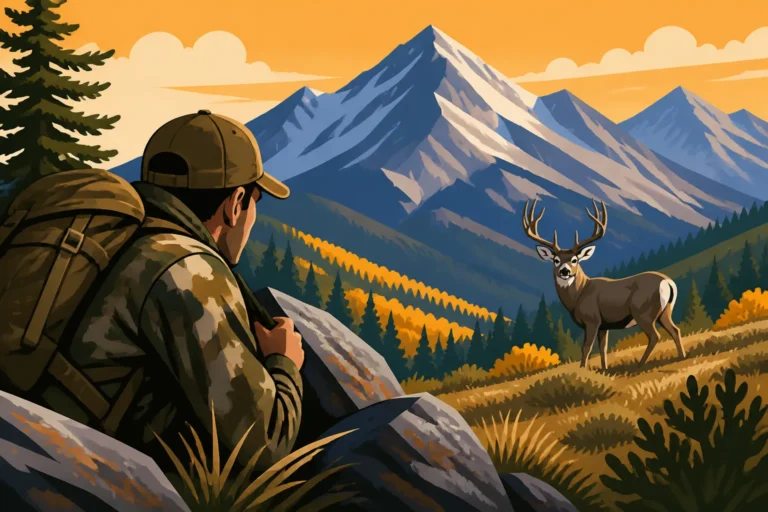
Spot-and-stalk tactics for Colorado mule deer explain how to locate, evaluate, and successfully approach bucks in rugged public lands.
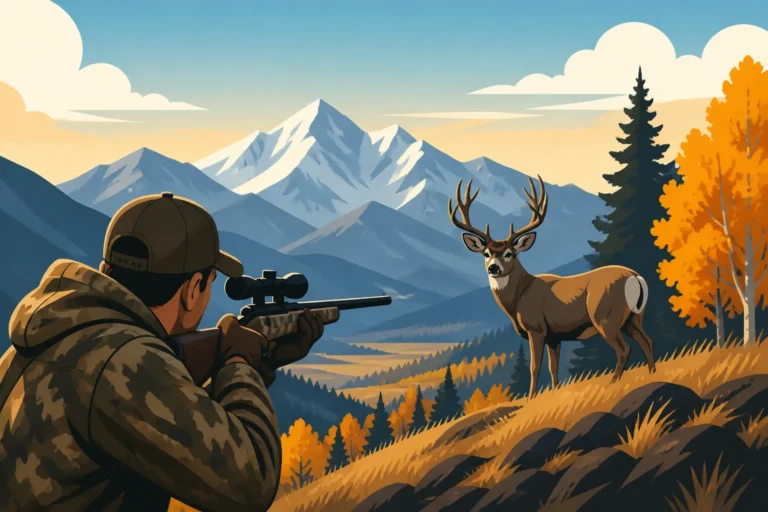
Colorado muzzleloader season regulations, required equipment rules, and effective hunting tactics for pursuing mule deer in the Rocky Mountains.
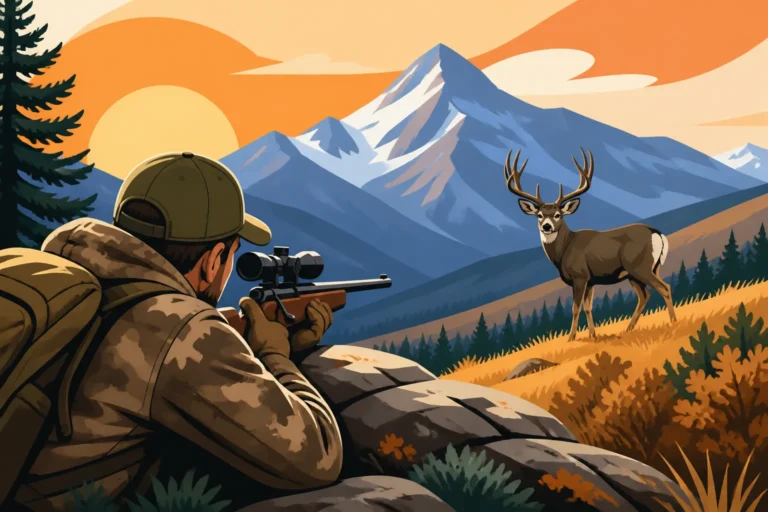
Colorado mule deer rifle tactics explain how to master mountain terrain, seasonal behavior, high country glassing, and stealthy stalking strategies.
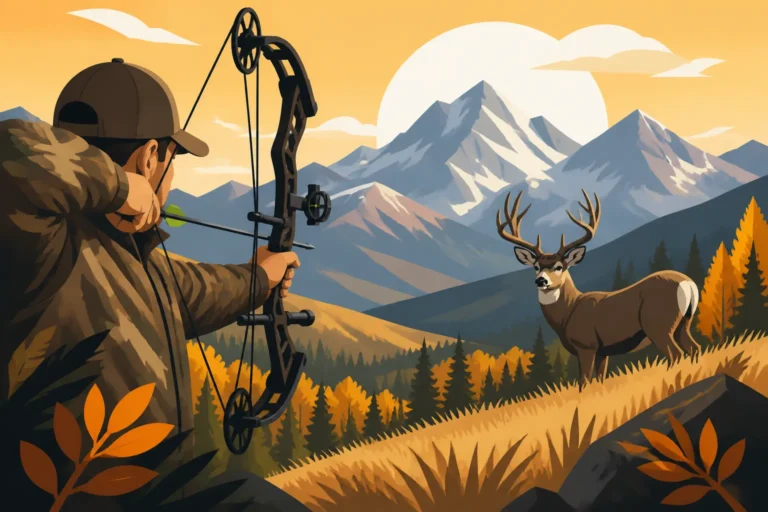
Colorado mule deer archery tactics explain how to master spot and stalk methods, use optics, and understand seasonal behavior to increase success.
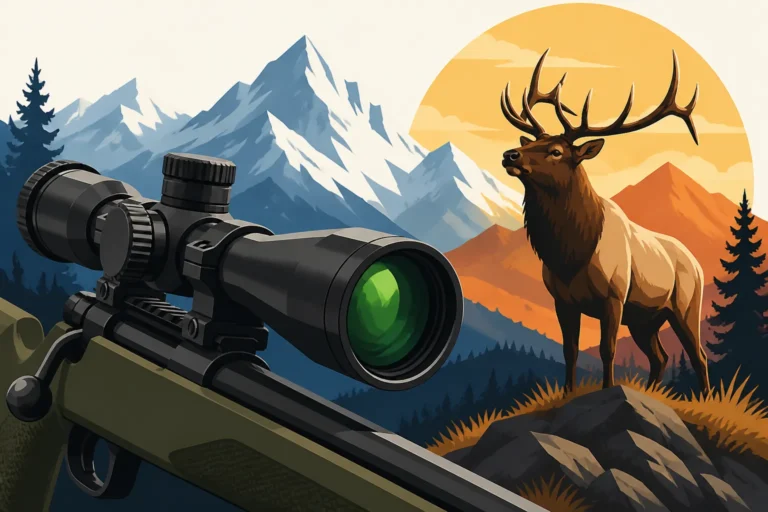
Quality optics for Colorado big game enable hunters to use binoculars and rangefinders to locate and evaluate animals across western landscapes.
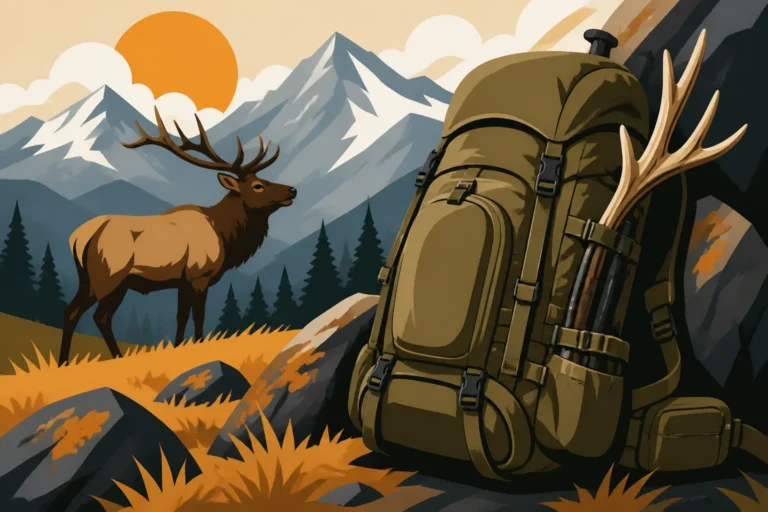
Choosing the proper backpack for a Colorado elk hunt ensures comfort across steep alpine terrain and heavy backcountry meat hauls.
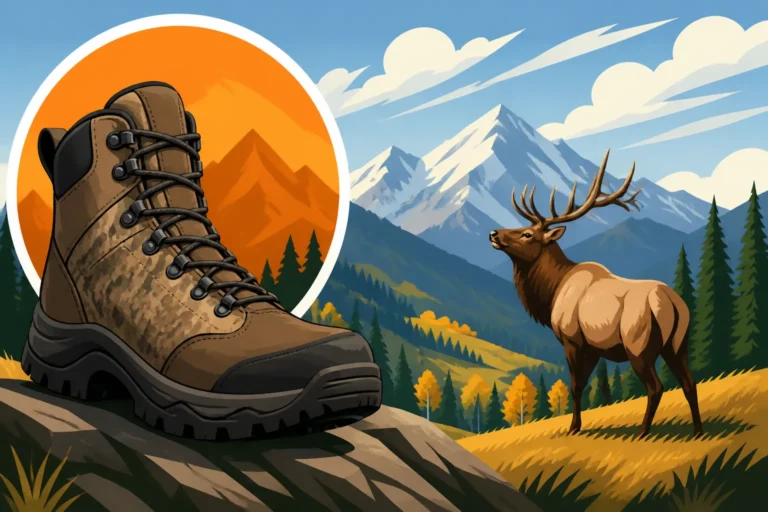
Colorado elk hunting boots require specific ankle support, stiffness, waterproofing, and insulation to handle rugged mountain terrain and weather.