How to Sight In for a Colorado Elk Hunt
Proper rifle and bow preparation ensures ethical shot placement, accounts for mountain conditions, and builds confidence for a Colorado elk hunt.
Close the distance.
Archery, muzzleloader, and firearm techniques — calling, stand placement, still-hunting, spot-and-stalk, and the weapon rules that change at the state line.
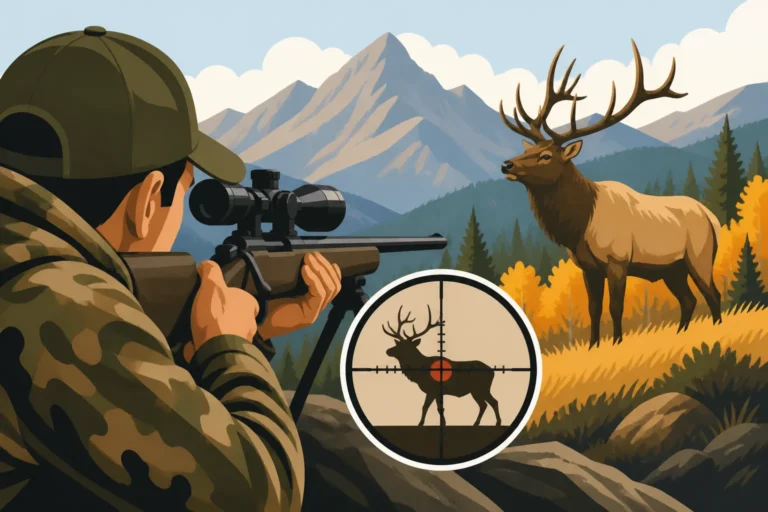
Proper rifle and bow preparation ensures ethical shot placement, accounts for mountain conditions, and builds confidence for a Colorado elk hunt.
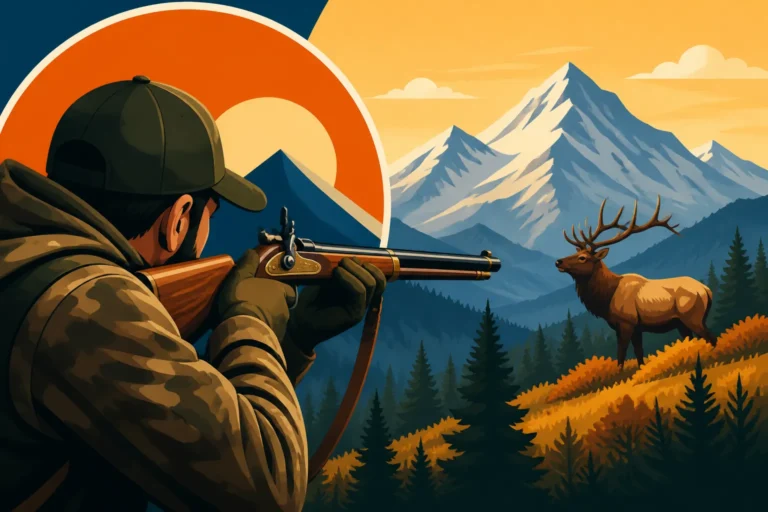
Choosing the best muzzleloader setup for Colorado involves selecting reliable in-line rifles, legal open sights, and proven powder charges for elk hunting.
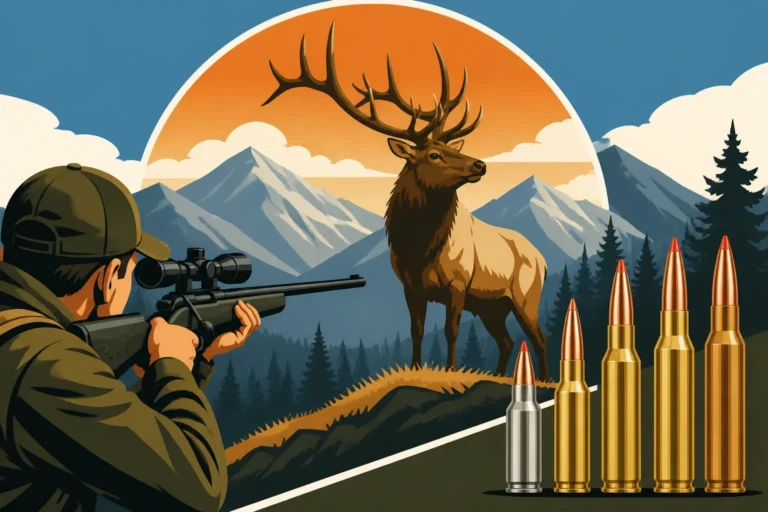
Selecting rifle calibers for Colorado elk requires balancing power, recoil management, and bullet performance to ensure ethical shots on mountain hunts.
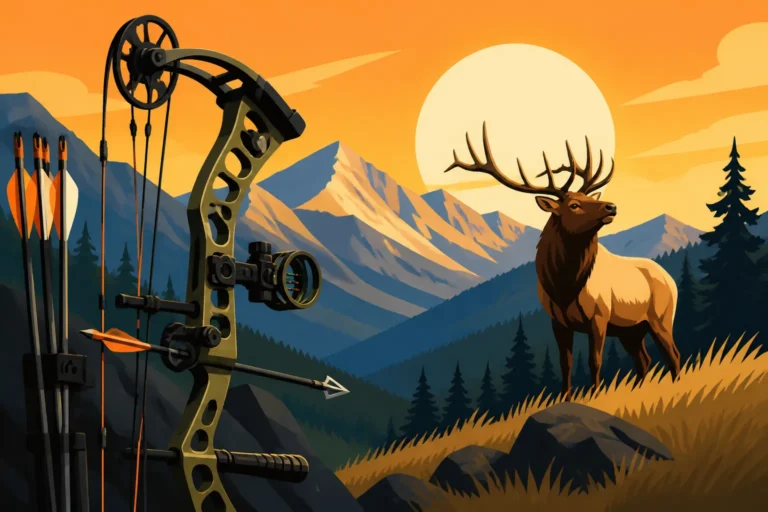
Colorado elk archery equipment selection requires careful balancing of draw weight, axle length, brace height, and arrow mass for mountain terrain.
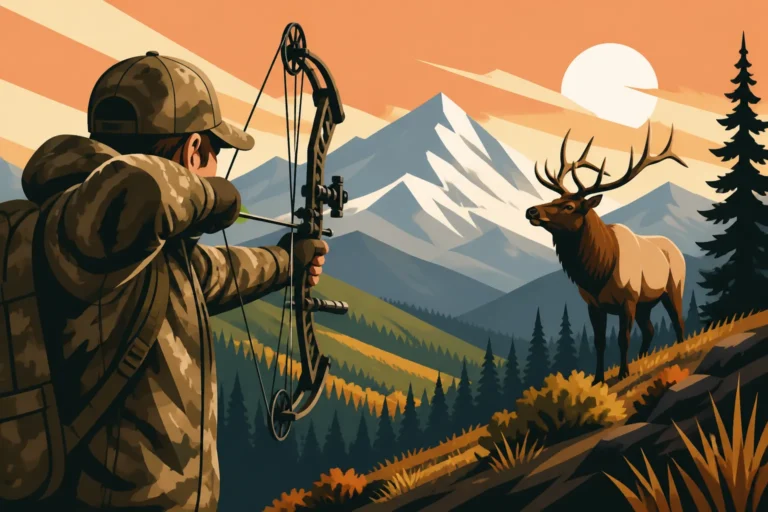
Solo archery elk hunting in Colorado explains backcountry survival, e-scouting strategies, gear selection, and meat care techniques for your solo hunt.
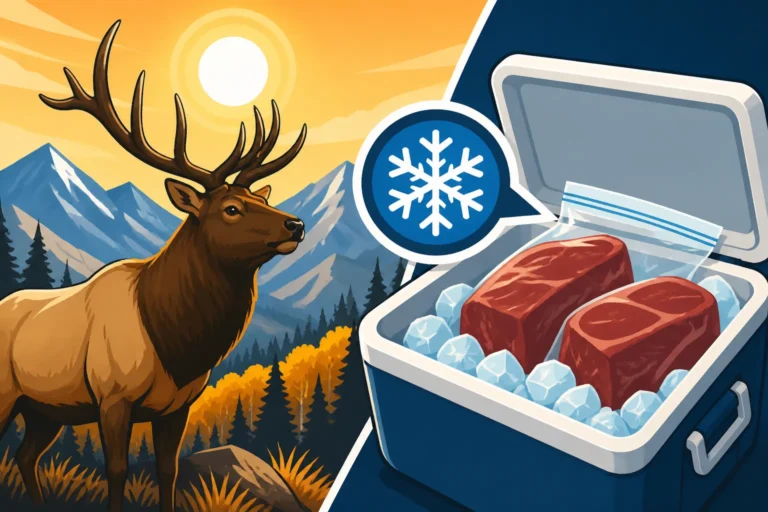
Effective field dressing methods, strategic quartering techniques, and proper air circulation help protect elk meat from spoilage during warm weather.
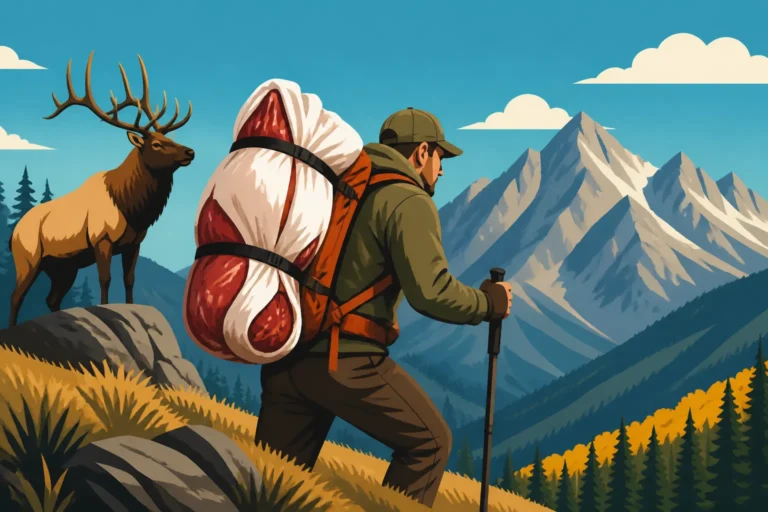
Solo elk recovery strategies include using the gutless method, protecting meat in game bags, and managing heavy multi-trip backpack carries.
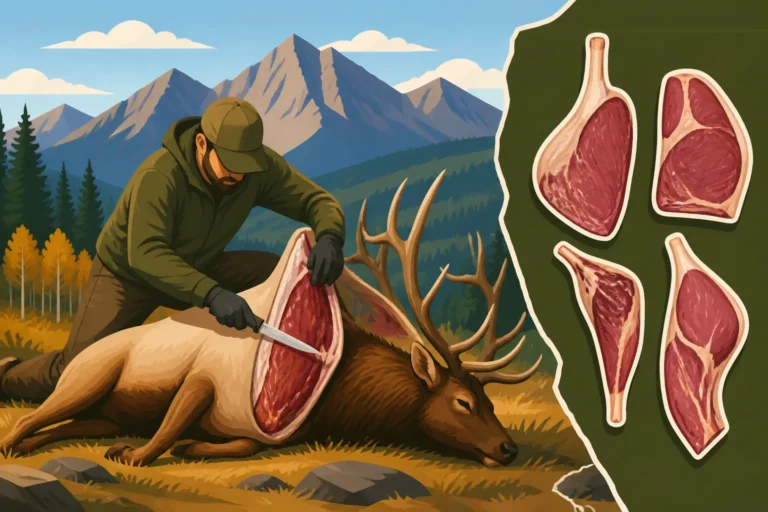
Field quartering explains how elk hunters safely break down a downed animal, remove the heavy meat, and cool it quickly.
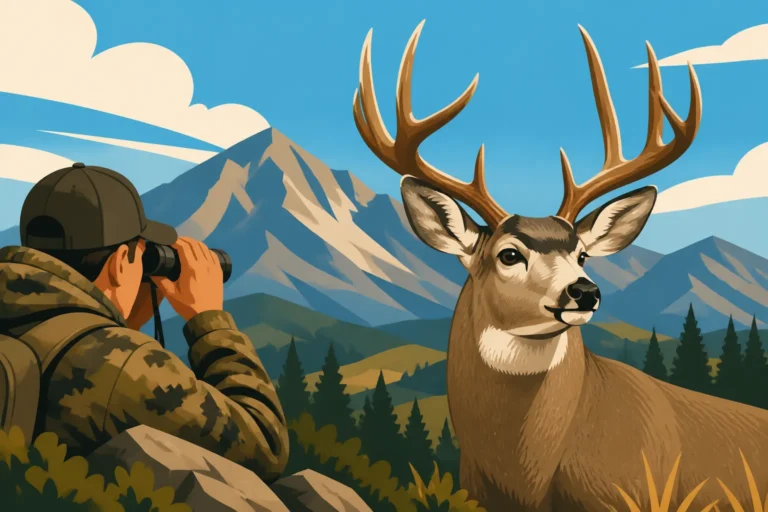
Practical strategies for field judging a Colorado mule deer buck, evaluating antler width, tine length, mass, and Colorado Parks and Wildlife regulations.
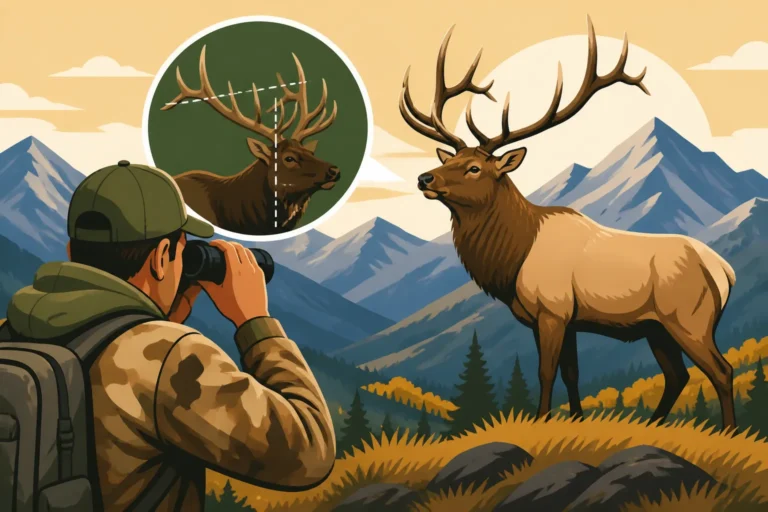
Field judging a Colorado bull elk involves evaluating main beam length, tine size, mass, and symmetry using the animal’s body as a measuring reference.