How to Hunt Colorado with Horses
Horseback hunting in Colorado enables elk hunters to access remote terrain, carry heavy gear, and pack out harvested meat.
Close the distance.
Archery, muzzleloader, and firearm techniques — calling, stand placement, still-hunting, spot-and-stalk, and the weapon rules that change at the state line.
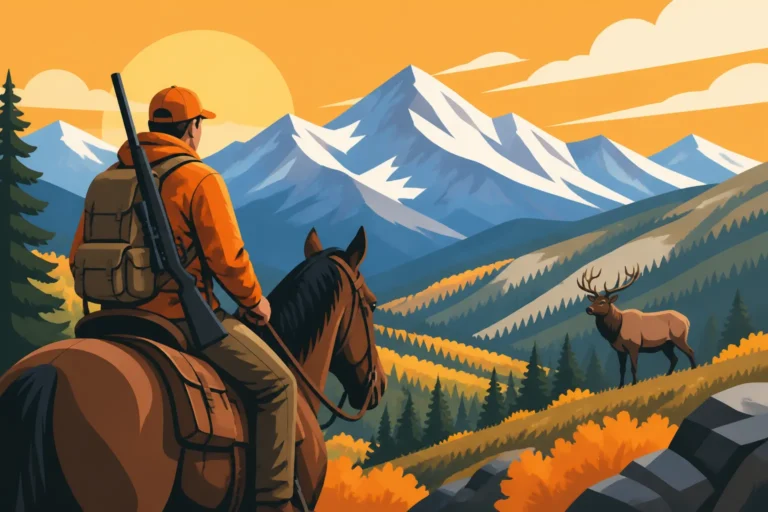
Horseback hunting in Colorado enables elk hunters to access remote terrain, carry heavy gear, and pack out harvested meat.
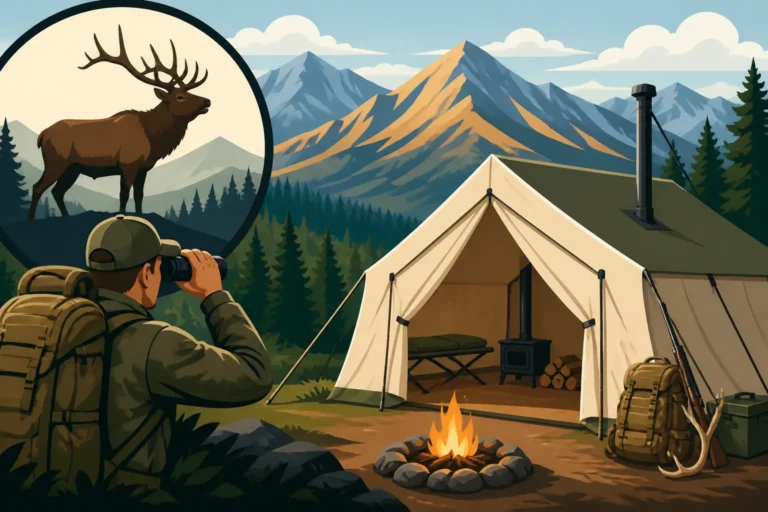
Canvas wall tent setups provide Colorado elk hunters with durable backcountry shelter, heating options, and weather protection.
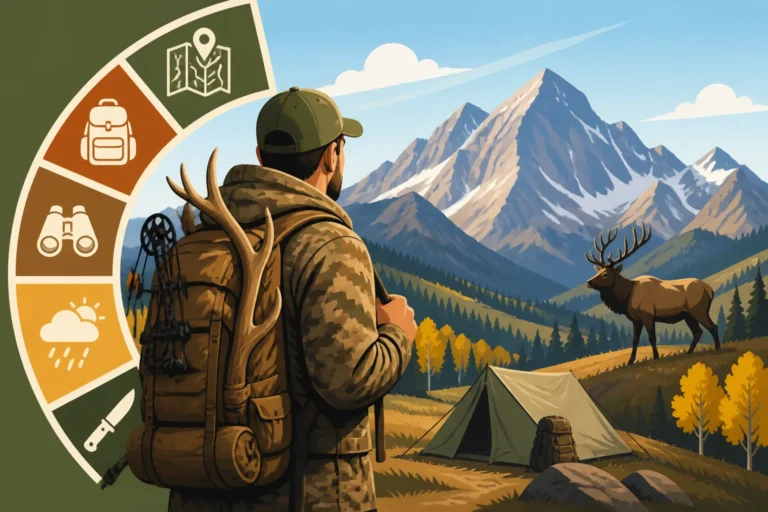
A Colorado drop-camp hunt provides backcountry elk hunters with logistical support, wall tent setups, and horse transport into remote public land areas.
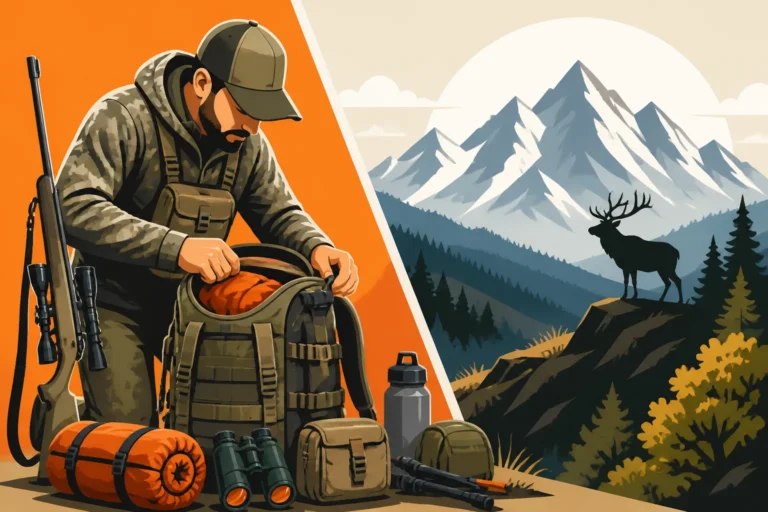
Colorado backcountry hunting equipment includes proper layers, a sturdy shelter, purification tools, and specialized gear for wilderness survival.
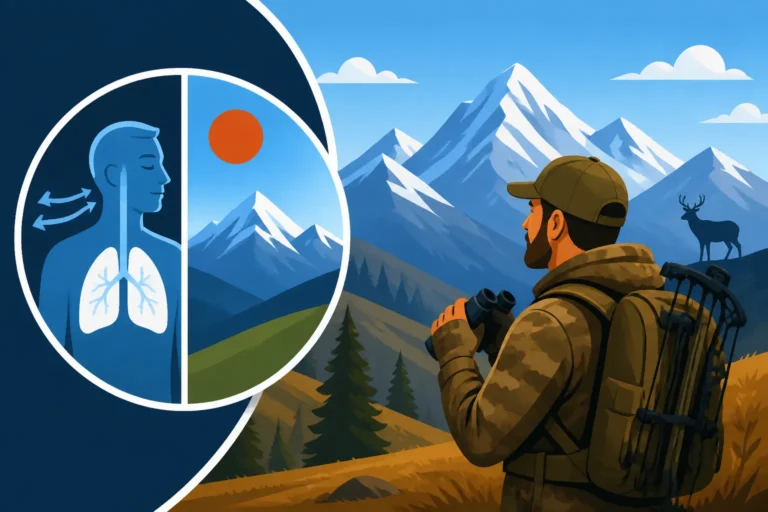
Altitude acclimation strategies help elk hunters prevent altitude sickness through gradual ascent, hydration, and physical conditioning.
Colorado elk hunting preparation involves cardiovascular endurance, heavy pack rucking, and strength training for high altitude mountain terrain.
High-altitude hunting physical preparation requires structured cardio routines, hydration strategies, and acclimatization timelines for Colorado terrain.
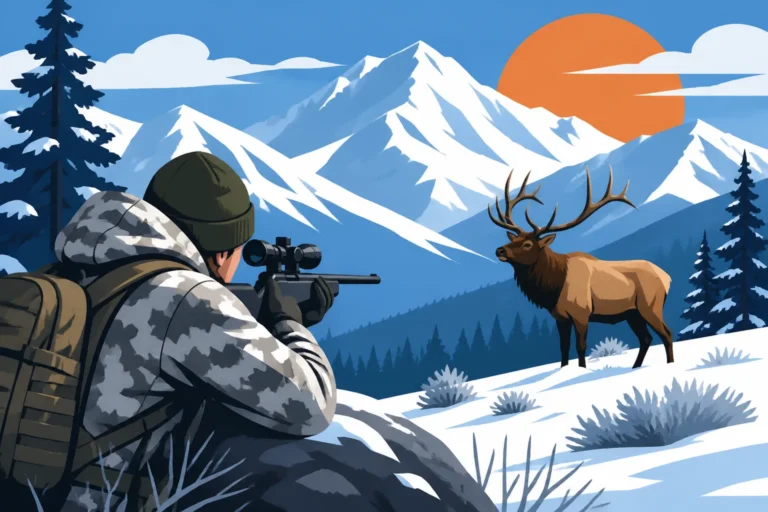
Winter elk hunting success relies on understanding altered animal behavior, utilizing migration routes, and packing proper cold weather survival gear.
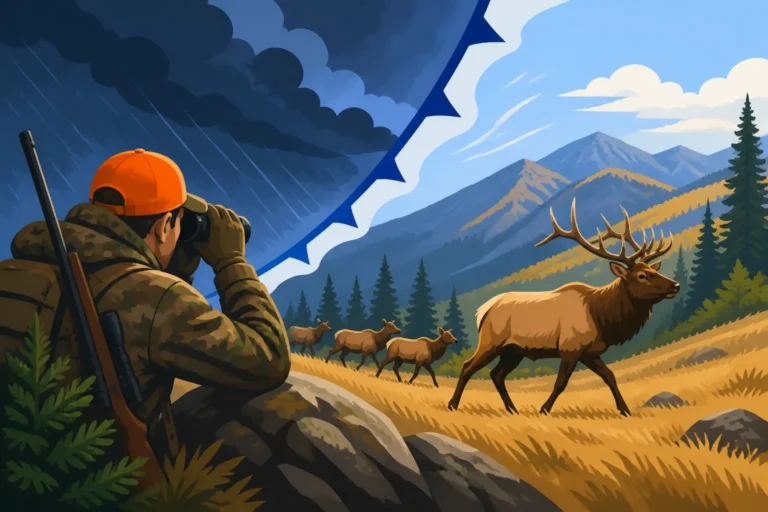
Colorado cold front weather shifts trigger predictable elk movement patterns, creating prime opportunities for hunters to find and tag animals.
Colorado late-season elk migration tracking explains how snow and temperature shifts push animals to winter ranges and transition zones for hunts.