Colorado Mule Deer Hunting for Beginners
Stepping into the world of Colorado mule deer hunting can feel like trying to navigate a vast, beautiful, yet incredibly complex maze. You're probably picturing those magnificent bucks, their antlers sweeping back, silhouetted against a mountain ridge, but also wondering how on earth you actually find one, let alone get a tag and understand all the rules. This guide is here to break down the essentials for beginner mule deer hunters in Colorado, offering practical advice to help you cut through the confusion and embark on your first adventure with confidence.
Understanding Colorado Mule Deer and Their Habitat
Before you even think about buying gear or applying for a tag, it’s crucial to understand the animal you’re pursuing. Mule deer are truly iconic Western game, and Colorado boasts a healthy population. Knowing their habits, biology, and preferred haunts will significantly increase your odds of success. They aren't just bigger whitetails; they're a whole different ballgame.
What Makes Mule Deer Different?
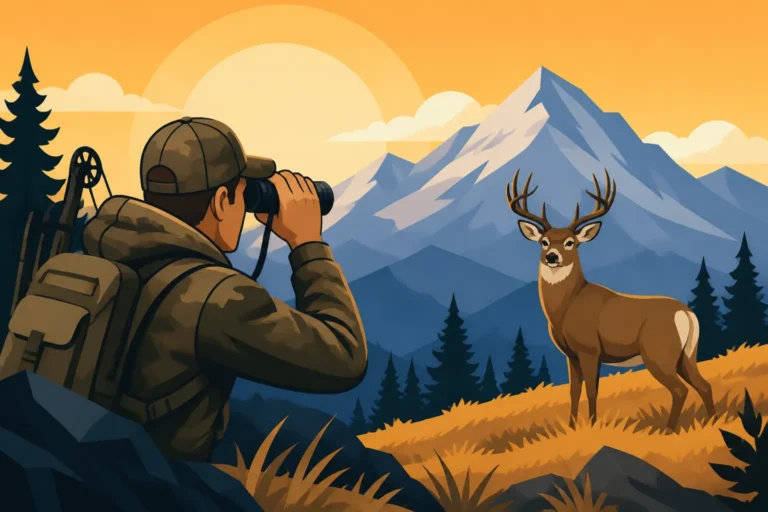
Mule deer, often simply called "mulies," are distinct from their whitetail cousins in several key ways. Physically, they are generally larger with bigger ears that resemble those of a mule, hence their name. Their antlers typically fork, creating a symmetrical four-by-four or five-by-five appearance, rather than growing off a main beam with tines. Their tails are usually narrow, often white with a black tip, unlike the broad, all-white underside of a whitetail's flag.
Behaviorally, mule deer are more open-country animals. While you can find them in timber, especially dense bedding areas, they thrive in broken country, sagebrush flats, pinyon-juniper forests, and the high alpine. They also have a unique bounding gait, called "pronking" or "stotting," where all four feet leave the ground at once – a fantastic adaptation for covering uneven terrain quickly and surveying for threats. This difference in preferred habitat and escape strategy means you’ll often find yourself hunting different types of terrain than you would for whitetails, often requiring long-range glassing and patient spot-and-stalk techniques.
Where to Find Mule Deer in Colorado
Colorado's diverse landscape means mule deer can be found across a wide range of elevations and habitat types, but they generally prefer mountainous and foothill regions. During the spring and summer, many mule deer herds move to higher elevations, often above 8,000 feet, to take advantage of lush forage in alpine basins and dense timber. This is where you might find bachelor groups of bucks living in solitude, packing on weight before the rut. Think about the aspen groves, open parks, and timbered slopes of areas like the San Juan Mountains or the Flat Tops Wilderness.
As fall approaches and hunting seasons begin, especially with the onset of colder weather and snowfall, deer start to migrate to lower elevations. This is often driven by snow depth, which covers their food sources, and by the approaching rut. They'll move to winter ranges in pinyon-juniper canyons, sagebrush foothills, and south-facing slopes that melt off faster, providing accessible forage. Understanding these migration patterns, which can vary greatly by unit, is absolutely critical. For a beginner, targeting areas with a good mix of cover, water, and forage at moderate elevations, perhaps between 7,000 and 9,000 feet, can be a great starting point, as these areas often hold deer throughout multiple seasons.
Navigating Seasons, Tags, and Regulations for Beginners
The administrative side of Colorado hunting can feel like trying to solve a puzzle, especially for non-residents or first-timers. But don't let the regulations discourage you; with a little guidance, it's entirely manageable.
Deciphering Colorado's Draw System and OTC Options
Colorado operates a preference point system for most of its limited-entry deer tags. This means if you want to hunt a premier unit with high success rates and trophy potential, you'll likely need to accumulate several preference points over multiple years. For beginners, this can feel like a long game, but it's worth understanding the system. You apply for tags through the primary draw, typically in spring, and if you don't draw your first choice, you might accumulate a point. Several resources, including tools from GoHunt, are excellent for researching draw odds and unit specifics. You can even check out a comprehensive guide to Colorado Mule Deer Season Dates and Tags to get a full overview.
However, many units offer over-the-counter (OTC) tags or tags that can be drawn with very few (often zero) preference points, particularly for archery seasons, some muzzleloader seasons, and certain rifle seasons. These OTC opportunities are usually in units with lower deer densities or more challenging terrain, which makes them perfect for a beginner willing to put in the work. While you might not find a Boone & Crockett buck around every corner, these units offer incredible learning experiences and a genuine chance to harvest a deer. Don't overlook the secondary draw or leftover tags, which become available later in the summer and can sometimes offer unexpected opportunities for a beginner.
Essential Gear for Your First Mule Deer Hunt
You don't need to break the bank to get started, but having reliable gear designed for Western hunting conditions is critical. The mountains can be unforgiving, and being prepared is paramount for safety and success.
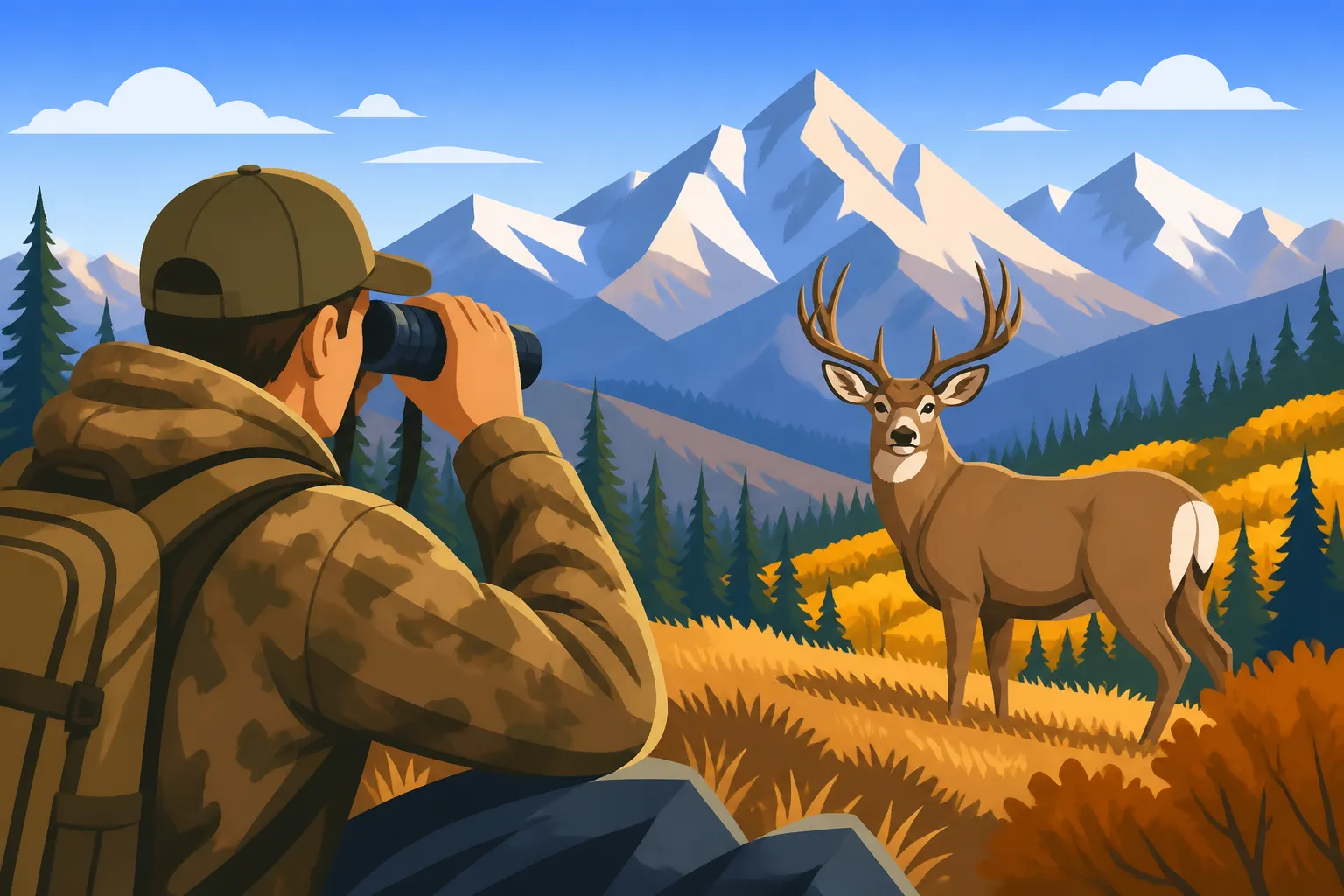
Optics: This is arguably the most important category for mule deer hunting. You'll spend a significant amount of time glassing — using binoculars, a spotting scope, and a tripod to pick apart distant hillsides. A good pair of 10×42 binoculars from brands like Vortex, Leica, or Swarovski are foundational. Pair that with a quality spotting scope (e.g., 15-45×65 or 20-60×80) on a sturdy tripod for really evaluating animals from afar. You can learn more in-depth by reading Best Optics for Colorado Big Game and How to Use Optics for Colorado Mule Deer.
Backpack: A comfortable, capable backpack is essential for carrying your gear, water, food, and potentially meat out. For day hunts, a 30-40 liter pack is often sufficient. If you're planning on pushing further into the backcountry or packing out meat, a larger 60+ liter pack with a good frame system is a must. Mystery Ranch and KUIU are popular choices known for their durability and comfort. For more detail, check out Best Backpack for a Colorado Elk Hunt, which offers valuable insights applicable to deer hunting.
Clothing & Footwear: Layering is key in Colorado's unpredictable mountain weather. Think base layers (merino wool or synthetics), mid-layers (fleece or puff jacket), and a waterproof/windproof outer shell. Camouflage patterns that blend with rocky, sage, and timbered environments are ideal. For boots, invest in sturdy, waterproof, broken-in hiking boots with good ankle support. You'll be covering miles over uneven terrain, and blisters can ruin a hunt faster than anything.
Weapon Choice: Whether you prefer a rifle, bow, or muzzleloader, ensure your chosen weapon is sighted in and you're proficient with it. For rifle hunters, common calibers like .270, .30-06, 7mm Rem Mag, and .300 Win Mag are excellent choices for mule deer, offering good range and knockdown power. For archers, a bow setup capable of 50-60 yard accuracy is advisable, as shots can be longer in open country. Muzzleloader hunters should practice with their specific load and bullet combination to understand its trajectory at various distances. You can dive deeper into specific tactics for each weapon type: Colorado Rifle Mule Deer Hunting: Rifle Tactics, Colorado Archery Mule Deer Hunting: Archery Tactics, and Colorado Muzzleloader Mule Deer Hunting: Muzzleloader Tactics.
| Gear Category | Key Items | Beginner Recommendation | Why It's Important |
|---|---|---|---|
| Optics | Binoculars, Spotting Scope, Tripod | 10×42 Binos, 20-60×60 Spotting Scope, Lightweight Tripod | Crucial for locating deer in vast Western landscapes. |
| Backpack | Day Pack or Internal Frame Pack | 30-50L Day Pack with a good hip belt | Carries essentials, water, food, and potential meat. |
| Clothing | Layers (Base, Mid, Outer), Hat, Gloves | Merino wool base, fleece mid, waterproof shell | Adapting to rapid weather changes, staying warm/dry. |
| Footwear | Sturdy, Waterproof Hiking Boots | Broken-in, high-ankle support, good tread | Protection and comfort for rugged, uneven terrain. |
| Weapon | Rifle, Bow, or Muzzleloader | Proven caliber/setup, sighted in, practiced | Ethical harvest capability at varying ranges. |
| Navigation | GPS Device, Phone App, Paper Map, Compass | GPS app (e.g., onX Hunt), backup paper map | Staying found, understanding boundaries, finding deer. |
| Survival | First-Aid Kit, Water Filter, Fire Starter | Compact kit, water filter/purifier, lighter | Emergency preparedness in remote areas. |
Basic Hunting Tactics for Colorado Mule Deer
Once you have your gear and tags sorted, it's time to think about how you'll hunt. Mule deer hunting in Colorado often revolves around a few core tactics, primarily because of the open, expansive terrain they call home.
The Art of Spot-and-Stalk
The quintessential Western mule deer hunting method is spot-and-stalk. This involves using your optics to systematically scan vast areas from a vantage point, "spotting" deer (often miles away), then carefully planning and executing a "stalk" to get within shooting range. This isn't like still-hunting through thick timber where you might walk until you jump a deer. You're actively looking for deer bedded or feeding, often appearing as tiny specks or antler tips against a distant hillside.
Successful spot-and-stalk requires immense patience. You might spend hours glassing one basin before spotting anything. Once you do, the real chess match begins. You need to consider terrain, wind direction (always stay downwind or crosswind of the deer), sun angle, and potential escape routes for the deer. A good stalk often involves using ridges, draws, and timber to conceal your movement, sometimes taking hours to cover a relatively short distance. It’s physically demanding and mentally taxing, but incredibly rewarding when it comes together. For a deeper dive into this technique, check out How to Spot-and-Stalk Colorado Mule Deer.
E-Scouting and Boots-on-the-Ground Preparation
In today's hunting world, preparation begins long before you set foot in the field, often from the comfort of your home. E-scouting, using online mapping tools, has revolutionized how hunters prepare. Platforms like GoHunt provide invaluable aerial imagery, topo maps, land ownership data, and historical weather patterns, allowing you to identify potential hunting units, terrain features, and access points.
Start by looking for areas that offer a good mix of feed, water, and cover – ideally away from roads and easily accessible areas where hunting pressure might be higher. Identify potential bedding areas (often north-facing slopes or thick timber), feeding areas (open parks, aspen cuts), and travel corridors (saddles, ridges connecting different habitats). Once you've identified promising areas, it's time for boots-on-the-ground scouting, either before the season or during your hunt. Physically walking the terrain, checking out water sources, identifying fresh sign (tracks, scat, rubs), and confirming your e-scouting observations is crucial. This will not only familiarize you with the landscape but also help you develop a deeper understanding of deer movement in that specific area. Remember, the Colorado Public Land Hunting Guide is an excellent resource for understanding access rules and finding land to scout.
Common Challenges and How to Overcome Them
Mule deer hunting in Colorado isn't just about finding the animal; it's often about overcoming the challenges presented by the rugged environment and other hunters.
Dealing with High Elevation and Rugged Terrain
Colorado is called the "Centennial State" for a reason – it boasts 53 mountain peaks over 14,000 feet! Even if you're not targeting a "fourteener," most prime mule deer habitat starts at elevations where oxygen levels are noticeably lower. Altitude sickness is a real concern and can quickly derail a hunt. Symptoms include headaches, nausea, dizziness, and extreme fatigue.
To combat this, start your physical conditioning well in advance. Focus on cardio, strength training, and hiking with a weighted pack. Arrive in Colorado a few days early if possible to acclimate to the elevation before your hunt truly begins. Stay hydrated, avoid excessive alcohol, and eat light, digestible meals. Plan your daily hunts to allow for breaks and don't push yourself beyond your limits, especially in the first few days. Remember, safety always comes first. You can get a lot of relevant information from articles like How to Physically Prepare for Colorado Elk and Altitude Training for Colorado Hunting, which are just as vital for deer hunters.
Public Land Pressure and Finding Solitude
Colorado has an abundance of public land, but with that comes increasing hunter pressure, especially in easily accessible areas. As a beginner, it can be frustrating to find your planned spot already occupied or to constantly run into other hunters. The key to finding solitude and undisturbed deer is often simple: go where others won't.
This means being willing to hike further, hunt harder-to-reach terrain, or target areas that require a bit more effort to access. Look for wilderness areas, roadless tracts, or units with limited vehicle access. Hunting during weekdays rather than weekends can also significantly reduce pressure. Utilize mapping tools from GoHunt to identify areas a mile or two from the nearest trailheads or roads – often, that's all it takes to shed the majority of the crowds. Don't be afraid to embrace the challenge of a backcountry hunt; it might seem daunting, but it often leads to a more rewarding and solitary experience. A great companion read for this is How to Hunt Elk on Public Land Pressure, as the principles apply directly to mule deer.
Disclaimer
Hunting is an inherently dangerous activity. This guide provides general information and recommendations. Always consult the most current Colorado Parks and Wildlife (CPW) regulations, obtain the necessary licenses and tags, and prioritize safety above all else. Hunt ethically, responsibly, and with respect for the land and wildlife.