Colorado Bull Elk vs Cow Elk Tags
Deciding between pursuing a bull elk or a cow elk tag in Colorado can feel like a monumental decision, especially when you're navigating the complexities of the state's draw system and over-the-counter options. Many hunters grapple with the dream of a magnificent bull versus the practical goal of filling the freezer, often leading to analysis paralysis. This guide will meticulously break down the differences between bull and cow elk tags, helping you understand the unique challenges, opportunities, and strategies associated with each, so you can make an informed choice for your next Rocky Mountain adventure.
Understanding the Fundamentals of Colorado Elk Tags
Before you even start thinking about specific units or seasons, it’s crucial to grasp the fundamental distinctions between bull and cow elk tags in Colorado. While both allow you to pursue North America's most iconic deer species, the experience, success rates, and even the application process can vary dramatically.
What is a Bull Elk Tag?
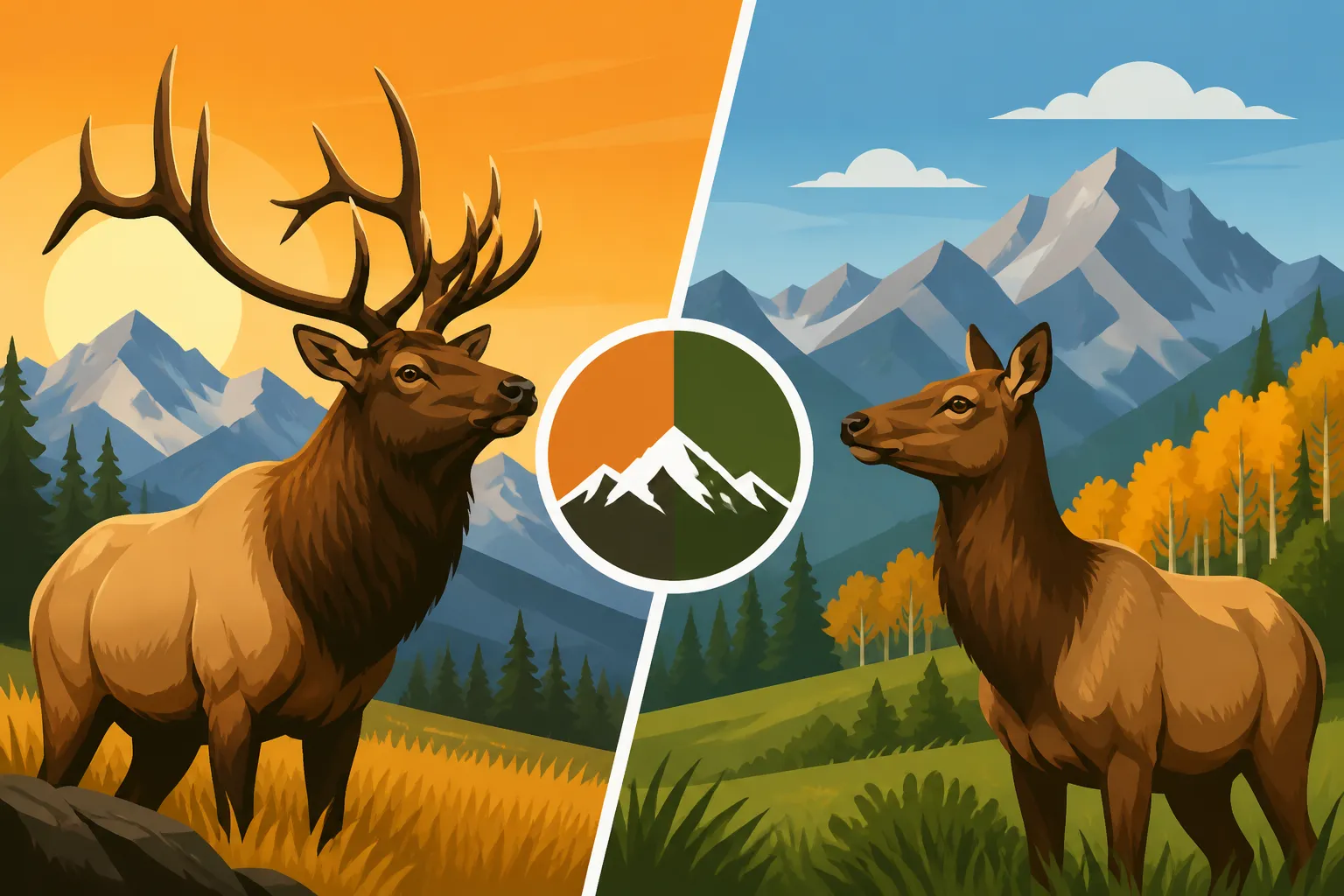
A bull elk tag, as the name suggests, permits you to harvest an antlered bull elk. For many, this is the quintessential elk hunting experience, often driven by the allure of a bugling monarch or the challenge of stalking a mature animal through rugged terrain. These tags are highly coveted, largely due to the "trophy" aspect and the thrill of hunting during the rut when bulls are most vocal and active.
The pursuit of a bull elk often means accepting lower draw odds, competing with more hunters, and investing more time in scouting and physical preparation. You're typically looking for a specific type of animal, which adds a layer of complexity and dedication to the hunt. The emotional reward of harvesting a bull, particularly a mature one, is often cited as unparalleled in the hunting world, representing the culmination of strategy, skill, and sheer grit.
What is a Cow Elk Tag?
A cow elk tag allows you to harvest an antlerless elk, typically a female or sometimes a calf. For many hunters, especially those focused on meat or experiencing their first Colorado elk hunt, cow tags offer a more accessible and often higher-probability option. These tags play a vital role in wildlife management, helping Colorado Parks and Wildlife (CPW) manage herd sizes and population distribution.
The primary motivations for seeking a cow elk tag usually revolve around filling the freezer with high-quality wild game meat. While the challenge of locating and harvesting a cow is still significant, it generally involves less intense competition, often better draw odds, and more over-the-counter (OTC) opportunities compared to bull tags. This makes them an excellent choice for hunters prioritizing a successful harvest and a bountiful meat supply over antler size.
The Core Differences in Draw and OTC Availability
The most significant practical difference between bull and cow elk tags in Colorado lies in their availability, both through the limited draw and over-the-counter (OTC) options. Bull tags, especially for prime units or specific seasons, are almost exclusively obtained through the limited draw, often requiring several years' worth of preference points. This means non-residents and even many residents might wait years to draw a desirable bull tag.
In contrast, cow elk tags tend to have significantly better draw odds, often requiring fewer preference points, or in many cases, none at all. Critically, many cow elk tags are available as OTC options, particularly during archery and some late rifle seasons in specific Game Management Units (GMUs). This accessibility is a game-changer for hunters who can't dedicate years to building points or prefer a more immediate hunting opportunity. Understanding these availability dynamics is key to planning your Colorado elk hunting strategy, whether you're dreaming of a trophy or a full freezer. For a deeper dive into the overall system, you might want to review the comprehensive guide on Colorado Hunting Seasons Explained.
The Allure and Challenges of Hunting Bull Elk
The pursuit of a bull elk captures the imagination of countless hunters, driven by the iconic imagery of a bugling monarch amidst the aspens. However, this dream comes with its own set of unique challenges and strategic considerations.
Trophy Potential and the Thrill of the Rut
Let's be honest, for many, the pinnacle of elk hunting is harvesting a bull with a magnificent rack. The sheer size and power of these animals are awe-inspiring, and the possibility of encountering a mature bull during the rut is what keeps many hunters coming back year after year. Imagine the crisp autumn air, the vibrant colors of the high country, and then, that spine-tingling sound of a bull elk bugling across a canyon. It's an experience that transcends merely pulling a trigger; it's about being immersed in the wild during one of nature's most dramatic spectacles.
Hunting during the rut, typically in late September to early October, provides unique opportunities for hunters utilizing calling tactics. A bull in the throes of the rut is often more responsive to calls, making for incredibly exciting and intense encounters. Techniques covered in resources like How to Call Elk in Colorado become invaluable here. Archery season, often overlapping with the peak rut, is particularly popular for bull hunters, offering close-range encounters and an exhilarating challenge. Similarly, certain muzzleloader and early rifle seasons can still catch some of the rut action, though often with increased hunter pressure.
Draw Odds and Preference Point Strategies
The reality of chasing bull elk in Colorado is that the best opportunities often require navigating the state's preference point system. Many of the premier units known for producing large bulls are limited-draw only, meaning you'll need to accumulate preference points over several years to have a chance at drawing a tag. This can be a frustrating waiting game, especially for non-residents, but it's the cost of admission for those dream hunts.
Utilizing resources like GoHunt or the official Colorado Parks and Wildlife (CPW) statistics is crucial for developing a sound preference point strategy. These platforms provide detailed draw odds for specific units and hunt codes, allowing you to project how many points you'll need and how long it might take. For example, some trophy bull units might require 10-20+ points, while others could be drawn with 3-5. It's a delicate balance between holding out for a "once-in-a-lifetime" unit and finding a solid hunt that's achievable in the shorter term. Understanding the nuances of Colorado Preference Points Explained is absolutely essential.
Physical Demands and Hunting Pressure
Hunting bull elk, especially in the high country or wilderness areas that often hold the biggest animals, is physically demanding. You're often covering significant mileage over steep, uneven terrain, carrying heavy gear, and dealing with unpredictable weather. The desire to find that undisturbed bull means getting further off the beaten path, which translates to strenuous hikes, potentially spike camping, and the need for rigorous How to Physically Prepare for Colorado Elk.
Compounding the physical challenge is the reality of hunting pressure, particularly on public lands during rifle seasons. Everyone wants to tag a bull, and that means more boots on the ground, more ATVs on forest roads, and more orange vests in the timber. Bulls, being older and wiser, often become incredibly reclusive under pressure, retreating to dark timber or remote sanctuaries. This necessitates more strategic planning, often involving tactics like those outlined in How to Hunt Elk on Public Land Pressure or venturing into designated wilderness areas accessible only by foot or horseback. The satisfaction of overcoming these obstacles, both environmental and human-made, only adds to the reward of a successful bull elk hunt.
The Practicality and Benefits of Hunting Cow Elk
While bull elk hunts dominate many hunters' dreams, pursuing cow elk offers a different, yet equally rewarding, experience that often aligns more readily with practical hunting goals. Focusing on cows can lead to higher success rates and a freezer full of delicious wild game.
High Success Rates and Meat Opportunities
One of the most compelling reasons to pursue a cow elk tag is the significantly higher success rate compared to bull tags. Cow elk are generally less wary than mature bulls, particularly outside of the intense rut period, and are often found in larger herds. This increased opportunity often translates directly into a higher chance of putting meat in the freezer, which for many families, is the ultimate objective of a hunt. There's immense satisfaction in providing wholesome, organic protein for your family, knowing exactly where it came from and the effort it took to harvest.
Many experienced hunters will tell you that a cow elk is just as challenging and rewarding to pursue as a bull, especially when you consider the strategic hunting required to approach a herd undetected. Furthermore, a cow elk typically yields a substantial amount of meat, often between 150-250 pounds of boned-out venison, making it an incredibly efficient way to stock up for the year. This focus on meat rather than antlers simplifies the hunt in some ways, allowing you to prioritize herd dynamics and feeding patterns over trying to locate a specific trophy animal.
Increased OTC and Draw Availability
The availability of cow elk tags is a major draw for hunters, particularly those newer to Colorado or those with limited preference points. While bull tags, especially for desirable units, often require a significant investment of preference points, many cow tags are available with fewer points, or even over-the-counter (OTC). This means you might be able to hunt elk every year, rather than waiting a decade for a premium bull tag.
Colorado offers various seasons with OTC cow tags, predominantly during certain archery seasons and some late rifle seasons. These tags provide immediate hunting opportunities without the stress of the draw, perfect for planning spontaneous trips or for hunters who didn't draw their first choice. For example, some GMUs have robust cow populations that allow for sustained OTC opportunities year after year. Even in the limited draw, cow tags in many units can be secured with zero to a few preference points, making them a much more attainable goal for both residents and non-residents. Keep an eye on the official CPW regulations each year, as availability can shift slightly. You can find detailed information on these opportunities in guides like Colorado OTC Elk Tags Explained.
Different Hunting Tactics and Mindsets
Hunting cow elk often involves a different set of tactics and a shift in mindset compared to bull hunting. Instead of actively pursuing a vocal, rutting bull, you might focus more on still-hunting through timber, glassing open parks and feeding areas, or targeting water holes during drier periods. Herd behavior becomes paramount; understanding how cows move between bedding and feeding areas, their preferred escape routes, and how they react to pressure is key.
Successful cow elk hunting often involves patience and a more stealthy, methodical approach. You might spend hours slowly still-hunting through dense timber, paying meticulous attention to wind and thermals, or positioning yourself overlooking a vast basin during prime feeding times. This type of hunting can be incredibly rewarding, offering a deep connection to the environment and the animals themselves. It’s about becoming part of the landscape and understanding the subtleties of elk behavior beyond the dramatic bugles of the rut. Tactics like those explored in How to Still-Hunt Colorado Timber or How to Hunt Elk Water Holes become incredibly effective for cow elk.
Navigating Colorado's Draw System and OTC Options
The Colorado Parks and Wildlife (CPW) draw system can feel like a labyrinth, especially for newcomers or those trying to optimize their tag choices. Understanding how preference points work and where over-the-counter (OTC) options fit in is paramount to successfully planning your elk hunt.
Preference Points for Bull Tags vs. Cow Tags
The biggest differentiator in the draw is often the number of preference points required. For bull elk, especially mature animals in popular units, the demand is incredibly high. Non-residents, in particular, face a tough climb, often needing many years, sometimes over a decade, to accumulate enough points for those coveted "trophy" units. Even residents can find themselves waiting multiple years for a quality bull tag. This creates a strategic dilemma: do you keep accumulating points for that dream hunt, or do you burn fewer points on a less-demanding unit for an earlier opportunity?
Cow elk tags, on the other hand, often present a much more accessible path through the draw. Many cow hunts can be drawn with zero to a few preference points, even for non-residents in certain units. This dramatically increases your chances of drawing a tag every year, allowing for consistent hunting opportunities. It’s not uncommon for hunters to apply for a highly desired bull tag and simultaneously build points, while also seeking an easier-to-draw or OTC cow tag for an annual hunt. This strategy ensures you're always in the field, honing your skills and filling the freezer, while patiently waiting for that dream bull tag to materialize. The difference in point requirements is a stark contrast, as highlighted in "How Many Preference Points for Colorado Elk."
Over-the-Counter Opportunities and Their Limitations
Colorado is famous for its over-the-counter (OTC) elk tags, particularly for archery season and specific rifle seasons. These tags are available for purchase without going through the draw, making them incredibly attractive for hunters who missed draw deadlines, have no preference points, or simply prefer the flexibility of buying a tag directly. For archery season, most elk GMUs in the Western Slope offer OTC opportunities for either-sex tags, meaning you can harvest a bull or a cow. This is a huge boon for bowhunters, as it allows annual elk hunting.
However, OTC availability for rifle seasons is more restricted. Historically, 2nd and 3rd rifle seasons have offered OTC bull tags in certain units, and OTC cow tags were also available in various seasons and units. It's critical to note that regulations can change, and CPW has been adjusting OTC options. Always consult the most current regulations directly on the CPW website. The downside of OTC units is that they often experience higher hunter pressure, especially during rifle seasons. This means you might need to work harder and get further into the backcountry to find undisturbed elk. A great resource for understanding where these opportunities lie is the guide on Colorado OTC Archery Elk Units for Non-Residents and generally how Colorado OTC Elk Tags Explained applies.
Utilizing Data and Tools for Tag Selection
With so many units, seasons, and tag types, selecting the right Colorado elk tag can feel overwhelming. Fortunately, there are excellent tools and data available to help. The Colorado Parks and Wildlife website is your primary source for regulations, draw statistics, and unit maps. They provide detailed reports on draw odds, harvest success rates, and population estimates for each GMU.
Beyond the official sources, platforms like GoHunt provide incredibly detailed insights, often presenting complex draw data in user-friendly formats. GoHunt's Insider service, for instance, offers advanced draw odds calculations, unit breakdowns, and harvest data, allowing you to filter by species, weapon, season, and points needed. This kind of platform can be invaluable for pinpointing units that align with your preference point accumulation, hunting goals, and desired tag type (bull or cow). Whether you're researching potential units, analyzing draw odds for a specific bull tag, or looking for high-probability cow tag units, leveraging these tools can significantly enhance your planning process and increase your chances of success. They can help identify areas with lower hunter density or better success rates for your chosen tag.
Strategic Planning for Your Colorado Elk Hunt
A successful Colorado elk hunt isn't just about drawing a tag; it's about meticulously planning every aspect, from your personal goals to the specific season and unit. This involves understanding how your choice of a bull or cow tag influences your overall strategy.
Matching Tag Type to Your Hunting Goals
The very first step in planning your hunt should be a clear-eyed assessment of your personal hunting goals. Are you singularly focused on harvesting a large bull, perhaps even a "trophy" class animal, regardless of how many years it takes to draw the tag or the effort required? Or is your primary objective to put a significant amount of high-quality wild game meat in your freezer, with the added benefit of experiencing the magic of elk country? Your answer to this fundamental question will dictate whether you prioritize a bull or cow tag.
If a trophy bull is your dream, be prepared for a long game of accumulating preference points and potentially facing more challenging hunts. This path often means focusing on limited draw units and understanding the nuanced strategies for How to Hunt Colorado Elk in the Rut. Conversely, if filling the freezer is paramount, cow tags offer a much more direct route. They generally have higher success rates and more readily available opportunities, including OTC options, allowing you to hunt elk more consistently. Many hunters find a balance, pursuing cow tags for meat while simultaneously building points for a future bull hunt.
Season Selection and Its Impact on Tag Choice
The specific season you choose to hunt in Colorado significantly impacts the availability and characteristics of both bull and cow tags. For instance, the early archery season (late August to late September) often coincides with the pre-rut and early rut, offering either-sex OTC tags in many units. This is a prime time for calling bulls but also presents excellent opportunities for stalking cows.
Rifle seasons are broken into four distinct periods. The 1st rifle season (mid-October) often has very limited bull tags available, usually requiring high preference points, but some cow tags can be drawn. The 2nd and 3rd rifle seasons (late October to mid-November) sometimes offer OTC bull tags in specific areas (though this is subject to change), and generally have more cow tag options in the draw. The 4th rifle season (late November) typically sees the most accessible cow tags, often in late-season migration units where elk are moving to lower elevations. Understanding these season dynamics is crucial. For comprehensive information, consult the Colorado Elk Season Dates Guide. Your choice of season will affect not only the type of tag you can get but also the weather, elk behavior, and hunting pressure you'll encounter.
Group Hunting Considerations
Hunting with a group can significantly enhance your Colorado elk experience, and it offers unique advantages when considering bull versus cow tags. If your group's collective goal is to maximize the chances of someone harvesting an elk, or simply to get as much meat as possible, a strategy that includes a mix of bull and cow tags can be highly effective. For example, some members might apply for highly coveted limited-draw bull tags, while others focus on drawing more accessible cow tags or utilizing OTC options.
This approach not only increases the overall group success rate but also allows for shared resources and effort, from scouting to packing out meat. Imagine a scenario where one member draws a bull tag, while another secures a cow tag in a nearby unit. This creates flexibility and multiple opportunities. When planning a group hunt, it's also worth investigating how Colorado Group Applications Explained works, as this can affect preference point accumulation and draw odds for everyone involved. A well-coordinated group can tackle the logistical challenges of a Colorado elk hunt, like those discussed in How to Pack Out an Elk in Colorado, far more effectively than a solo hunter, making it a truly collaborative and memorable adventure.
Comparative Overview: Bull Elk vs. Cow Elk Tags
To help consolidate the key differences and aid in your decision-making, here's a table summarizing the general characteristics of Colorado bull and cow elk tags. Remember, these are broad generalizations, and specific unit regulations and yearly changes can influence actual outcomes.
| Feature | Bull Elk Tags (General) | Cow Elk Tags (General) |
|---|---|---|
| Primary Goal | Trophy potential, rut hunting experience, challenging | Meat harvest, higher success rate, accessible |
| Draw Odds | Often very low, especially for quality units | Generally much higher, many units 0-1 preference point |
| Preference Pts. | Typically high (3-20+ for premier units) | Often low (0-5 points), many available with 0-1 |
| OTC Availability | Limited (primarily archery, some rifle depending on year) | More common (archery, late rifle, specific units) |
| Hunting Season | Favors rut (archery, early muzzleloader/rifle) | Wider range of seasons, late seasons common for migration |
| Hunting Difficulty | Generally higher; wary, intelligent animals | Moderate to high; herd dynamics, still require skill |
| Hunter Pressure | High in accessible OTC units, high in premier units | Moderate to high in accessible OTC units, lower in draw |
| Meat Yield | Excellent (200-350+ lbs boned out) | Excellent (150-250 lbs boned out) |
| Cost (Non-Res) | Higher due to potential travel/outfitter costs | Often less intensive overall cost |
Disclaimer
Please remember that hunting regulations, season dates, and tag availability in Colorado are subject to change annually. Always consult the most current official Colorado Parks and Wildlife (CPW) regulations and season brochures before planning and executing any hunt. This guide is for informational purposes only and does not supersede official state wildlife directives.