Colorado Bighorn Sheep Hunting Guide
Chasing bighorn sheep in Colorado isn't just a hunt; it's often a lifelong quest, riddled with more heartbreak and anticipation than almost any other big game pursuit. The extreme difficulty of drawing one of these coveted tags, combined with the brutal physical demands of hunting their high-altitude, unforgiving terrain, can leave many hunters feeling overwhelmed and unsure where to even begin. This comprehensive guide is designed to peel back the layers of mystery around Colorado bighorn sheep hunting, offering realistic insights into the draw, essential strategies, and critical preparation you'll need to succeed should you ever be so fortunate as to hold a tag in your hand.
The Allure and Challenge of Colorado Bighorn Sheep
There's something uniquely captivating about bighorn sheep that draws hunters to their rugged mountain fortresses. Perhaps it's their iconic curling horns, their incredible adaptation to harsh environments, or simply the sheer rarity of the opportunity to pursue them. Whatever the reason, securing a Colorado bighorn sheep tag is often considered the pinnacle of Western big game hunting, a true once-in-a-lifetime experience for most.
Why Bighorn Sheep Captivate Hunters
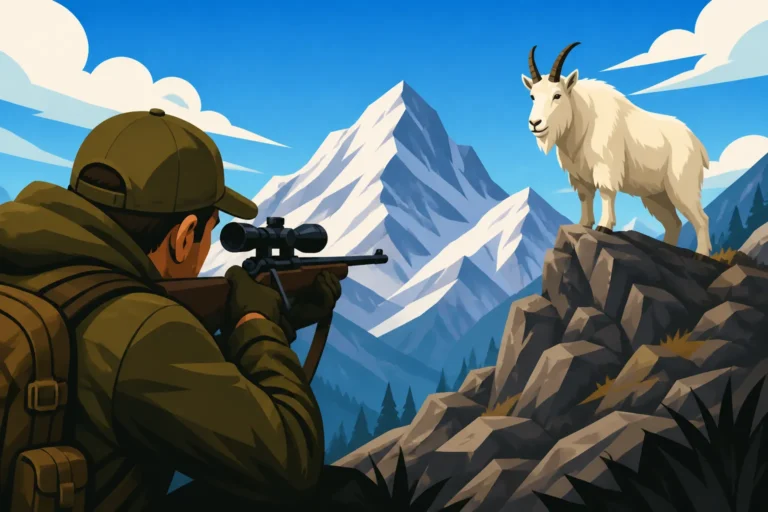
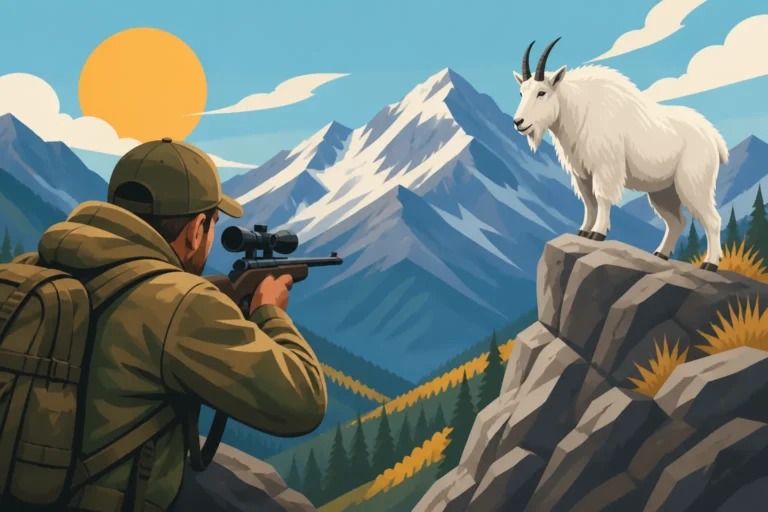
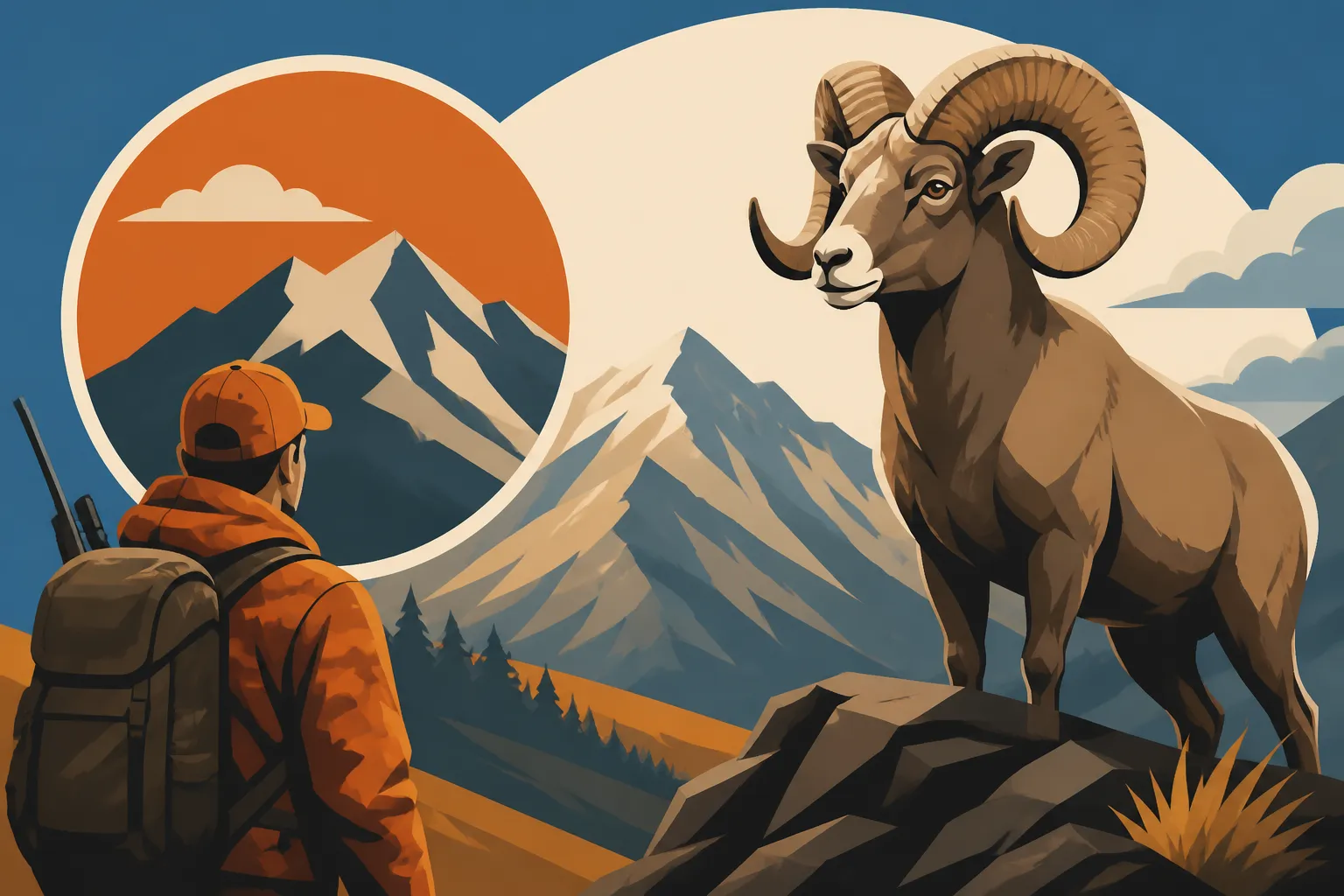
The Rocky Mountain Bighorn Sheep is truly a symbol of the American West's wild heart, and here in Colorado, they hold a special reverence. Their magnificent, spiraling horns are a testament to their strength and longevity, developing into impressive full curls that are deeply etched with the story of their lives in the unforgiving high country. For many, the allure isn't just about the horns; it's about the animal itself – its keen senses, its agility on treacherous cliffs, and its ability to thrive where other creatures simply cannot. A ram, poised majestically on a craggy peak with a backdrop of snow-capped mountains and an endless blue sky, is a sight that imprints itself on the soul, whether you're hunting or just observing.
Beyond their visual splendor, there's a profound respect that comes from understanding the bighorn's habitat. These animals don't just survive in the alpine; they own it. They navigate sheer rock faces, find sustenance in sparse meadows, and endure brutal winter storms with an innate resilience that inspires awe. To even step foot in their world, let alone pursue one, is to engage with a truly wild, untamed landscape that demands your absolute best. It's a journey into the raw essence of mountain wilderness, and that deep connection to nature is a powerful draw for serious hunters.
Ultimately, a bighorn sheep hunt represents the ultimate challenge. It's not just about the animal; it's about the journey, the physical and mental test, and the profound sense of accomplishment that comes from earning such a rare opportunity. Unlike many other hunts where success can be somewhat predictable with enough effort, a bighorn hunt is a wild card. The blend of extreme physical exertion, intense scouting, precision shooting, and the sheer luck of the draw creates a narrative unique to each hunter, cementing the bighorn's status as the quintessential trophy of the high country.
The Rarity and Difficulty of Drawing a Tag
Let's be brutally honest right upfront: drawing a bighorn sheep tag in Colorado is incredibly difficult. This isn't like drawing an elk tag, where a non-resident with zero points might still have a small chance at an over-the-counter unit or a specific limited draw. With bighorn sheep, you're entering a lottery with odds stacked heavily against you, and it's essential to set realistic expectations from the beginning. Many dedicated hunters apply for decades without ever seeing their name on that coveted draw list.
The primary reason for this extreme rarity is conservation. Bighorn sheep populations, while generally healthy in Colorado, are managed very conservatively to ensure their long-term viability. This means only a handful of tags are issued each year, often only one or two per Game Management Unit (GMU), and sometimes none at all in certain areas. These tags are almost exclusively for mature rams, further limiting the opportunities. This isn't a numbers game you can easily win; it's more like hoping to hit the jackpot in a statewide lottery, and that jackpot only pays out a few times a year.
The Colorado Parks and Wildlife (CPW) uses a preference point system for bighorn sheep, similar to other species, but with a unique twist. While preference points improve your odds, many units are still considered a "random draw," meaning a portion of the tags go to applicants regardless of their point totals. This offers a glimmer of hope for new applicants but doesn't diminish the immense challenge. Residents, of course, have slightly better odds due to allocation rules, but even for them, it can take well over a decade, sometimes two or more, of faithfully applying and accumulating points to even begin to be competitive for certain units. For non-residents, the path is even steeper, often requiring a substantial investment of time and money just to build enough points to have a remote chance at a tag. This is why tools like GoHunt's Insider service are so popular – they provide detailed draw odds and strategies to help applicants navigate this complex system, but even with the best data, the odds remain astronomical.
Understanding Bighorn Biology and Behavior
To even dream of hunting bighorn sheep effectively, you need a fundamental understanding of their biology and behavior. These aren't creatures that can be called in like an elk or patterned easily in timber like a deer. Their lives are dictated by the harsh realities of the alpine environment, and their movements and habits are deeply ingrained survival mechanisms. Primarily, we're talking about Rocky Mountain Bighorn Sheep (Ovis canadensis), known for their distinctive large, curling horns on the males (rams) and smaller, spiked horns on the females (ewes).
Rams and ewes often live in separate groups for much of the year. Ewe groups, which typically include lambs and younger rams, tend to stick to areas with abundant forage and reliable escape terrain, prioritizing safety for the vulnerable young. Rams, especially older, mature rams, are often found in smaller bachelor groups, frequenting more rugged, exposed terrain, and sometimes higher elevations, conserving energy and focusing on forage that builds horn mass. Their annual movements will often see them migrating between higher summer ranges where forage is lush and lower wintering grounds where snow depths are less prohibitive and more food is available. These migratory patterns can vary significantly by herd and region, so localized knowledge is key.
The bighorn rut typically kicks off in late fall, often around November and December, though it can start earlier in some areas. During this time, rams will descend to join ewe groups, engaging in spectacular head-butting contests to establish dominance and breeding rights. This period can sometimes offer opportunities for hunters if tags are structured for it, but most Colorado bighorn tags are for earlier seasons. Throughout the year, bighorns rely heavily on their incredible eyesight and their knowledge of the terrain to avoid predators. Their "escape terrain" – steep, rocky cliffs, ledges, and chutes – is where they feel safest and will retreat at the first sign of danger. Understanding how they use this terrain, how they feed, water, and bed in relation to these escape routes, is paramount to even a remote chance of success once a tag is drawn.
Colorado's Bighorn Sheep Populations and Management
Colorado is home to a significant population of Rocky Mountain Bighorn Sheep, and their presence is a source of immense pride for wildlife enthusiasts and hunters alike. However, these majestic animals face numerous challenges, and their management is a complex dance between conservation, science, and public interest.
Key Bighorn Herds and Their Status
Colorado boasts one of the largest bighorn sheep populations in the lower 48 states, estimated to be around 7,000 to 8,000 animals. These sheep are distributed across many distinct herds, primarily concentrated in the central and western mountain ranges. Iconic areas like the Collegiate Peaks, the Weminuche Wilderness in the San Juan Mountains, and the Poudre Canyon area in the northern Front Range are all known strongholds for bighorns. Other notable populations exist in areas around Mount Evans, the Gore Range, and the Sangre de Cristo Mountains. Each of these herds can have unique characteristics in terms of genetics, habitat use, and health.
The health and status of these herds are constantly monitored by Colorado Parks and Wildlife (CPW). While overall populations are stable or increasing in many areas, specific herds can experience fluctuations due to various factors. Disease is a significant concern for bighorn sheep, particularly bacterial pneumonia caused by Mycoplasma ovipneumoniae (M. ovi). This disease can be devastating, wiping out entire lamb crops or even large portions of adult sheep, and is often transmitted through contact with domestic sheep or goats. Predator control, habitat encroachment, and climate change also play roles in the challenges facing these wild sheep.
CPW's herd management plans often involve targeted studies, relocation efforts to establish new herds or bolster existing ones, and strict monitoring protocols. For instance, some herds might be "transplant sources," providing animals to reintroduce bighorns into historic ranges where they've been extirpated. Understanding the specific health and population trends of a GMU's bighorn herd is crucial for hunters considering applying there, as it directly impacts tag allocation and success rates. Information on herd status is typically available through CPW's annual big game harvest statistics and individual unit reports, providing valuable insights for application strategies.
Colorado Parks and Wildlife (CPW) Management Efforts
The Colorado Parks and Wildlife (CPW) plays a crucial, hands-on role in ensuring the long-term health and sustainability of Colorado's bighorn sheep populations. Their management approach is multi-faceted, blending scientific research, habitat improvement, disease control, and regulated hunting to achieve conservation goals. The primary objective is to maintain healthy, viable populations across their historic range, while also providing limited hunting opportunities.
One of CPW's most significant management endeavors is disease monitoring and mitigation. The threat of M. ovi pneumonia is constant, and CPW biologists work tirelessly to track disease outbreaks, test sheep, and develop strategies to minimize transmission from domestic livestock. This can involve working with private landowners on grazing practices, or in extreme cases, targeted removal of infected animals to prevent widespread herd devastation. They also conduct aerial surveys and ground counts to estimate herd sizes, monitor lamb recruitment, and assess population trends, which directly inform tag allocations each year.
Beyond disease, habitat management is a cornerstone of CPW's efforts. This involves improving forage quality, ensuring access to critical water sources, and protecting migration corridors. Projects might include prescribed burns to rejuvenate old growth, removing invasive species, or fencing off sensitive areas. Reintroduction programs are also a vital part of CPW's strategy, moving bighorns from healthy, thriving herds into areas where populations have declined or where new herds can be established. These efforts, often funded in part by hunter license fees and conservation organizations, are vital for securing the future of these iconic animals, and every bighorn tag drawn directly contributes to these ongoing conservation programs.
Understanding Hunter Impact and Conservation
Hunting bighorn sheep in Colorado is more than just pursuing a trophy; it's an integral part of their conservation. While the number of tags is incredibly small, the impact of hunters, both financially and through direct involvement, is substantial and positive. The very existence of hunting seasons for bighorn sheep is a testament to successful management and healthy populations, not a threat to them.
Firstly, the financial contributions from hunters are immense. The cost of a bighorn sheep license, particularly for non-residents, is significant, and these funds are directly channeled back into CPW's wildlife management and conservation programs. This money supports everything from habitat restoration projects, which benefit not just bighorns but a host of other species, to disease research and population monitoring. In essence, hunters are footing a large portion of the bill for the very wildlife they cherish, making them indispensable partners in conservation.
Furthermore, ethical hunting practices are paramount in bighorn management. Hunters who are fortunate enough to draw a tag become eyes and ears on the ground, providing valuable data to CPW biologists. They often report observations on herd health, new lamb sightings, or even signs of disease, contributing to a broader understanding of specific herd dynamics. The strict regulations around bighorn hunting, focusing almost exclusively on mature rams, are designed to have minimal impact on the reproductive capacity of the herd. Removing older, post-prime rams allows younger, vigorous rams to take their place in the breeding hierarchy, which can be beneficial for herd genetics and overall health. For hunters, embracing the challenge with a deep respect for the animal and its habitat is a personal commitment to ethical conservation that extends far beyond the hunt itself.
The Colorado Bighorn Sheep Draw System and Tags
Navigating the Colorado bighorn sheep draw system is arguably more challenging than the hunt itself, purely due to the astronomical odds. It's a system that can take a lifetime to understand, let alone master, and demands immense patience and a strategic mindset.
Navigating Preference Points and Draw Odds
Colorado’s preference point system for bighorn sheep is a beast of its own, notoriously difficult and often frustrating for applicants. Unlike some other species where a few points can open up decent opportunities, for bighorn sheep, you're looking at a commitment measured in decades for many units, especially for residents hoping for a high-quality ram tag. Non-residents face an even steeper climb, as a much smaller percentage of tags are allocated to them. Understanding the concept of "point creep" is crucial here: as more people apply and accumulate points, the number of points needed to draw a desirable tag slowly increases each year, pushing the goal further out for everyone.
The unique aspect of the Colorado bighorn draw is the combination of preference points and a weighted lottery. For units with high demand, a significant number of tags are typically allocated to the highest point holders. However, CPW also reserves a portion of tags for a random drawing, meaning that even someone with zero points technically has a chance, albeit a minuscule one, to draw. This random element can be both a blessing and a curse; it keeps hope alive for new applicants but means that even a hunter with 25+ points isn't guaranteed a tag, as one could be drawn by a first-time applicant. This dual system makes planning incredibly complex.
To truly navigate this, you need to pore over the draw statistics from Colorado Parks and Wildlife, often going back several years. You'll want to see how many points were required for specific units, the number of tags issued, and the odds for those with zero or low points in the random drawing. This is where resources like GoHunt become invaluable; their detailed draw odds and unit breakdowns allow you to filter by species, weapon, and residency, giving you the best possible data to inform your application strategy. Even with all the data, applying for a bighorn tag is an exercise in faith and long-term planning, a true commitment to a dream that might only come true once. If you're serious about this, you need to understand the nuances of the "Colorado Draw System and Preference Points" in excruciating detail.
Applying for a Bighorn Sheep Tag
The actual application process for a Colorado bighorn sheep tag is relatively straightforward once you've deciphered the draw system, but it requires meticulous attention to detail. The primary draw deadline for all limited license big game species in Colorado is typically in early April each year. Missing this deadline means you've forfeited another year of building points or a chance at the random draw. It's a hard date to miss, so mark it on your calendar in permanent ink!
When you apply, you'll need to purchase a qualifying license, usually a small game or fishing license, in addition to your application fee and a habitat stamp. This "qualifying license" is a prerequisite for participating in the big game draw. Then, you'll select your hunt codes. Each bighorn sheep hunt code is specific to a GMU, a season, and a weapon type (e.g., archery, rifle). This is where your research into draw odds and unit characteristics becomes critical. Do you apply for a unit that requires maximum points, banking on your long-term commitment, or do you choose a unit with slightly better random odds, hoping for a miracle?
Many applicants use tools like GoHunt's "filtering" feature to sort units by draw odds, historical harvest data, and population trends. This allows you to identify units that might be slightly less competitive or offer a better chance at the random tag if your point total is low. It's a delicate balance between building points for a dream hunt in a high-demand unit versus taking a long shot at a unit with slightly better statistical odds for lower point holders. Remember, you typically apply for your first, second, third, and fourth choice units, but for bighorn, success is usually determined by your first choice, if at all. The CPW website offers a comprehensive step-by-step guide for applying, but the strategic decisions behind those clicks are what truly define your application.
Understanding Tag Types and Season Structure
Colorado bighorn sheep tags are highly specialized and differ significantly from more common big game licenses like elk or deer. The vast majority of bighorn tags issued are for "ram only" hunts, meaning hunters are legally permitted to harvest only a male bighorn sheep. This focus on rams is a key conservation strategy, as it protects the ewe population, which is vital for herd reproduction and growth. Occasionally, in specific herd management scenarios, a limited number of "ewe" or "either-sex" tags might be available, but these are exceptionally rare and typically tied to very specific management objectives, such as reducing herd size in a particular area due to disease or overpopulation.
The season structure for bighorn sheep hunts in Colorado is also very precise and typically quite short. Most seasons occur in the late summer and early fall, often running from mid-August through September. This timing coincides with when rams are in their high-alpine summer ranges, before the peak of the rut and before heavy snows make access impossible. These early seasons are also designed to avoid disturbing the sensitive breeding period. There might be specific "archery-only" or "muzzleloader-only" seasons, but most tags are for rifle seasons, given the challenging terrain and often long-range shot opportunities presented by these wary animals.
Each bighorn tag is unit-specific, meaning it's valid only for the designated Game Management Unit (GMU) and during the specified dates listed on the license. There are no over-the-counter (OTC) bighorn sheep tags in Colorado; every single tag is a limited, draw-only opportunity. This exclusivity underscores the value and rarity of the hunt. Weapon restrictions are also strictly enforced; hunters must adhere to the legal equipment requirements for their chosen season, whether that's specific arrow weights for archery or minimum caliber requirements for rifles. Understanding these precise regulations for the unit you've applied for is non-negotiable once you've been fortunate enough to draw.
Key Habitat and Hunting Areas for Colorado Bighorns
Hunting bighorn sheep is as much about understanding their world as it is about finding the animal itself. Their survival depends on a very specific type of habitat, one that demands respect and careful navigation from any hunter.
Ideal Bighorn Terrain and Ecosystems
Colorado's bighorn sheep are true alpinists, perfectly adapted to some of the most rugged and breathtaking landscapes the state has to offer. Their ideal habitat is characterized by steep, broken terrain, often above timberline or on high, rocky slopes interspersed with open meadows. This isn't flat, forested country; we're talking about areas with significant vertical relief, sheer cliffs, scree slopes, and deep canyons that provide both security from predators and access to crucial resources.
These sheep rely heavily on what hunters call "escape terrain." This refers to incredibly steep, rocky, and often impassable ground where they can quickly retreat when threatened. This type of terrain gives them a significant advantage over most predators, including humans. They will often bed on ledges or in areas that offer sweeping views, allowing them to spot danger from a distance, and will instantly drop into the broken rock when spooked. Finding them often means glassing these vertical worlds, meticulously picking apart every rock outcropping and narrow bench.
While they need the security of rocky ground, bighorns also require forage and water. They'll frequent alpine meadows, often with sparse grasses and forbs, and will travel to springs or snowmelt runoff for water. In winter, they might move to lower-elevation, south-facing slopes where snow melts faster, exposing critical forage. Understanding how these elements — escape terrain, forage, and water — interact across the diverse ecosystems of Colorado's mountains is foundational to locating bighorn sheep. Each unit will have its unique blend of these features, from the jagged peaks of the San Juans to the more open, high desert canyons where certain herds reside.
Noteworthy Colorado Bighorn Units
While it's important not to publicly disclose specific "hotspot" units that draw unwanted pressure, we can discuss the general characteristics of areas known for bighorn sheep in Colorado. The state's diverse mountain ranges host bighorns, and each area presents a unique hunting challenge and aesthetic. For instance, the San Juan Mountains in southwestern Colorado, including portions of the Weminuche Wilderness, are renowned for their rugged beauty and healthy bighorn populations. Here, you'll encounter extremely high elevations, vast basins, and a formidable landscape that demands peak physical conditioning and exceptional navigational skills.
Further north, the Collegiate Peaks and Gore Range areas are classic bighorn country, characterized by expansive alpine tundra, dramatic rock formations, and glacial valleys. These units often require extensive backpacking and a strong commitment to being deep in the backcountry. The Poudre Canyon in northern Colorado, though at lower elevations and closer to civilization, offers a different type of bighorn hunting experience, often involving more focused glassing from roads or trails overlooking steep canyon walls. The sheep here are often visible from a distance, but accessing them in the broken terrain can be just as challenging as in the higher country.
Other regions, such as parts of the Sangre de Cristo Mountains or specific areas in the central Front Range near Mount Evans, also hold strong bighorn herds. The key takeaway is that no two units are exactly alike. Some might offer more "huntable" terrain, while others demand truly extreme mountaineering skills. When researching potential units for the draw, hunters should always dive deep into the specific topography, elevation, and public land access details of each GMU. Utilizing detailed topographic maps and satellite imagery is crucial for understanding the character of these units long before you ever set foot on the ground.
Public Land Access and Wilderness Considerations
The vast majority of bighorn sheep hunting in Colorado takes place on public land, primarily within National Forests and designated Wilderness Areas. This means access is generally open to all, but the type of access can vary dramatically and heavily influence your hunting strategy. While some bighorn units might have areas accessible by roads or well-maintained trails, many of the most productive and coveted units require significant backcountry travel, often on foot, well away from any motorized routes.
Wilderness Areas, such as the Flat Tops Wilderness, Weminuche Wilderness, or Rawah Wilderness, present their own set of considerations. In these federally protected lands, motorized and mechanized travel is strictly prohibited. This means no ATVs, no e-bikes, and often no mountain bikes beyond the wilderness boundary. Hunters must be prepared to go in on foot or with pack animals (horses, mules, llamas). This adds a significant layer of logistical complexity and physical demand, as all your gear, food, and potentially a harvested ram, must be carried in and out under human or animal power. This self-reliance is a huge part of the wilderness hunting experience and requires meticulous planning. If you are considering a hunt in one of these areas, you should definitely check out a guide on "Colorado Wilderness Area Hunting".
Mapping resources like OnX Hunt or the Colorado Parks and Wildlife Hunting Atlas are indispensable for understanding public and private land boundaries, road systems, and wilderness area designations. These tools allow hunters to identify potential access points, determine travel corridors, and understand where they can legally pursue bighorns. For a bighorn hunter, knowing your access routes, potential bail-out points, and where to set up a remote camp is critical, as a misstep in these rugged, remote areas can have serious consequences.
Essential Strategies for Bighorn Sheep Hunting Success
Drawing a bighorn tag is just the first, albeit monumental, step. The real work begins once you have that tag in hand. Success in bighorn sheep hunting hinges on meticulous preparation, advanced scouting, and a strategic approach to hunting these incredibly wary animals in their challenging environment.
Scouting and Pre-Season Preparation
Once you've drawn that golden ticket, your focus immediately shifts to intensive scouting and preparation. This isn't a hunt you just show up for. For bighorns, scouting is arguably as important as, if not more important than, the actual hunt itself. It begins long before the season opener, sometimes months in advance, and combines digital reconnaissance with boots-on-the-ground exploration. Starting with "How to E-Scout Before a Colorado Hunt" is crucial.
E-scouting is your first line of attack. Utilizing satellite imagery and topographic maps from platforms like OnX Hunt or GoHunt maps is essential. You'll be looking for critical bighorn habitat: steep, rocky slopes, areas with good glassing vantage points, potential bedding areas, and feeding zones. Pay close attention to water sources and, crucially, escape terrain – the sheer cliffs and broken rock where bighorns will flee. Identifying these features helps you narrow down vast landscapes into manageable search areas. You'll want to mark potential access routes, areas to set up glassing positions, and even potential spike camp locations. This digital groundwork saves immense time and effort once you're physically in the mountains.
After the e-scouting, if at all possible, physical scouting is highly recommended, sometimes even mandatory for a truly successful hunt. This means hitting the mountains in the spring or summer, well before your season, to confirm your e-scouting findings, identify active sheep sign, and physically locate rams. During these scouting trips, focus on persistent, methodical glassing. Spend hours behind high-quality optics, picking apart every nook and cranny of the terrain. Observe ram behavior, learn their patterns, and confirm their presence in your target areas. These scouting trips also serve as vital physical conditioning, helping you acclimate to the altitude and demands of the terrain, making your actual hunt more efficient and safer.
Spot-and-Stalk Tactics in Steep Terrain
Bighorn sheep hunting is almost exclusively a spot-and-stalk endeavor, and it's a game played at a higher level than with most other species. Forget pushing timber or sitting in a blind; success comes from mastering the art of observation and meticulous approach in some of the most unforgiving terrain imaginable. If you want to learn more about this method, check out our in-depth guide to "Spot-and-Stalk Hunting in Colorado".
The foundation of bighorn hunting is glassing. You must be prepared to spend hours, even days, behind your spotting scope and binoculars, patiently dissecting every rock, shadow, and patch of vegetation in the vast alpine landscape. Find a high vantage point that offers expansive views of known bighorn habitat – steep, broken cliffs, rocky basins, and high alpine meadows. Set up your spotting scope on a sturdy tripod and grid the area methodically, looking for anything that seems out of place: a patch of white rump, a horizontal line in a vertical world, or the tell-tale curl of a ram's horn. Remember, bighorns blend in incredibly well, and often the ram you're looking for will be the one that you initially mistake for a rock.
Once a ram is spotted, the real chess match begins. The stalk on a bighorn sheep is often long, arduous, and requires an incredible amount of patience and skill. You'll need to carefully plan your approach, using the terrain to your advantage to stay out of sight, often involving traversing steep slopes, crossing drainages, and navigating treacherous rockfalls. Wind direction is critical, as bighorns have an excellent sense of smell. Move slowly, deliberately, and always be aware of your surroundings, as other sheep or unsuspecting animals can blow your cover. There will be times when a stalk takes hours, only to be thwarted by a sudden shift in wind, an exposed ridge, or a ram simply moving to an unapproachable position. It's during these moments that mental toughness and resilience are truly tested, demanding you reset and try again.
Dealing with Altitude and Physical Demands
Let's not sugarcoat it: bighorn sheep hunting in Colorado is an extreme physical challenge. These animals live at elevations ranging from 7,000 feet up to well over 13,000 feet, and a successful hunt will invariably involve steep ascents, traverses across uneven terrain, and packing heavy loads at thin air altitudes. Many hunters who are physically fit at sea level find themselves completely gassed after a short climb at 10,000 feet, and altitude sickness is a real and dangerous threat. This is why a comprehensive fitness plan is absolutely non-negotiable. Our guide to "How to Physically Prepare for Colorado Elk" offers fantastic advice that applies directly to sheep hunting, often even more intensely.
Your physical preparation should begin months, if not a full year, before your hunt. Focus on building endurance, strength, and cardiovascular fitness. Incorporate activities like hiking with a weighted pack, stair climbing, trail running, and strength training targeting your legs, core, and back. Mimic the demands of the hunt as much as possible; if you plan to carry a 60-pound pack, train with a 60-pound pack. The goal isn't just to be "in shape," but to be mountain-fit – capable of sustained effort in oxygen-deprived environments.
Acclimatization is also paramount to dealing with altitude. If you're coming from lower elevations, plan to arrive in Colorado several days, or even a week, before your hunt starts. Spend this time at moderate elevations (7,000-9,000 feet), doing light activities and allowing your body to adjust. Stay hydrated, avoid alcohol, and eat light, digestible meals. Even with the best preparation, you might experience symptoms of altitude sickness like headaches, nausea, or fatigue. Know the signs, carry appropriate medication (like ibuprofen), and be prepared to descend if symptoms worsen. Mental toughness is also key; the mountains will test you, pushing you to your limits, and having the fortitude to push through discomfort and setbacks is often the difference between success and failure on a bighorn hunt. For more specific insights on adapting to the elevation, check out "Altitude Training for Colorado Hunting".
Gear, Optics, and Ethical Considerations
A bighorn sheep hunt isn't just about physical prowess; it's also about having the right tools for the job and maintaining the highest ethical standards. The gear you carry can make or break your comfort and safety, while your optics are literally your eyes in their vast domain.
Specialized Gear for High-Altitude Sheep Hunts
When pursuing bighorn sheep in Colorado's high country, your gear isn't just a collection of items; it's your lifeline. Every piece needs to be carefully selected for its durability, functionality, and lightweight properties. You'll be carrying everything on your back, often for days on end, so shedding unnecessary ounces is critical without compromising safety or capability. This is where a detailed "Colorado Backcountry Hunting Gear List" really comes into its own, though you'll need to tailor it for sheep.
Start with your layering system. The alpine environment is notorious for rapidly changing weather, from freezing mornings to scorching midday sun, and sudden thunderstorms. A robust layering system that allows you to add or shed layers quickly is essential: a moisture-wicking base layer, insulating mid-layers (fleece or puffy jacket), and a waterproof, windproof outer shell are non-negotiable. Footwear is equally critical. You need mountaineering-grade boots that provide ankle support, exceptional traction on loose rock, and waterproof protection. Look for boots with a stiff sole for side-hilling and carrying heavy loads. Brands like Kenetrek, Crispi, and Schnee's are popular among serious mountain hunters for a reason.
Beyond clothing, a high-quality backpacking pack is fundamental. It needs to be comfortable for long hauls, capable of carrying heavy loads (especially a sheep if you're successful), and durable enough to withstand scrapes against rock and brush. Look for packs with a strong internal or external frame that can effectively transfer weight to your hips. Other essential items include a reliable water filtration system, a lightweight but warm sleep system (tent or bivy, sleeping bag, pad), a headlamp, GPS device or satellite communication device (like a Garmin inReach), a first-aid kit, and enough high-calorie, lightweight food to sustain you for the duration of your trip. Every item must earn its place in your pack.
The Critical Role of High-End Optics
If there's one area where you absolutely cannot skimp on a bighorn sheep hunt, it's optics. Your binoculars and spotting scope are your primary hunting tools, literally your eyes in the vast, unforgiving landscape. Without top-tier glass, your chances of locating a ram in its incredibly camouflaged environment are drastically reduced, even if you draw the tag of a lifetime. The guide on "Best Optics for Colorado Big Game" has great general advice, but for sheep, you need to elevate your game.
A high-power spotting scope (e.g., 60-80mm objective, 20-60x or 25-75x magnification) paired with a sturdy, lightweight carbon fiber tripod is the cornerstone of your optical system. Brands like Swarovski, Kowa, and Maven are highly favored for their edge-to-edge clarity, low-light performance, and robust construction. The spotting scope is used for methodically picking apart distant mountainsides, identifying subtle movements, and, most importantly, field judging rams. You'll spend countless hours behind this piece of equipment, so comfort and optical quality are paramount.
Complementing your spotting scope should be a pair of powerful binoculars, typically 10x or 12x, for general scanning and closer-range observation while stalking. Some sheep hunters even carry 15x binoculars on a tripod for more intense glassing, reserving the spotting scope for extreme distances. A good quality laser rangefinder is also essential for accurate shot placement in the steep, often deceptive mountain terrain. When glassing, develop a systematic approach: grid areas slowly, focusing on areas with varying textures, shadows, and potential bighorn shapes. Be patient; often, the sheep reveals itself after prolonged observation, not a quick glance. Your ability to pick apart terrain with your optics will be the single greatest factor in finding a ram.
Ethical Hunting and Field Care
Ethical hunting is a foundational principle for any pursuit, but it takes on even greater significance when hunting a rare and revered animal like the bighorn sheep. Once you've earned the privilege of a bighorn tag, your responsibility extends beyond merely harvesting an animal; it encompasses ensuring a clean kill, respectful field care, and accurate reporting. This commitment upholds the integrity of hunting and ensures the continued public acceptance of bighorn sheep management.
When the moment of truth arrives, shot placement is paramount. Due to the challenging terrain and often long-range shot opportunities, proficiency with your chosen weapon is non-negotiable. Practice shooting at varying distances and angles, including uphill and downhill, to ensure you can make a precise, humane shot. Always wait for the best possible angle, even if it means letting a ram walk away. A wounded bighorn in steep, broken country can be incredibly difficult, if not impossible, to recover safely, leading to a tragic loss of an irreplaceable animal. If a shot is taken, give the animal ample time before approaching, and track it diligently, no matter how tough the terrain.
After a successful harvest, proper field care is essential to preserve the meat and the trophy. Knowing "How to Quarter an Elk in the Field" and applying those skills is critical, as you'll likely need to break the ram down quickly. The unique challenge with bighorns is often the remoteness of the kill site, making quick cooling and packing out difficult. Carry good quality game bags to protect the meat from dirt and insects. In warmer early seasons, keeping the meat cool can be a significant concern, so having a plan for rapid cooling and transport is vital. Our guide, "How to Keep Elk Meat Cool in Warm Weather", offers valuable insights that are fully applicable here. Be prepared for a physically demanding pack-out, often requiring multiple trips or additional help, ensuring that none of the valuable meat is wasted.
After the Harvest: Field Judging and Trophy Care
The moment you stand over a harvested bighorn ram is profound, a culmination of years of effort, dreams, and sheer mountain grit. But the work isn't over. Proper field judging, efficient packing, and meticulous trophy care are the final steps in honoring this magnificent animal and preserving the memory of a truly special hunt.
Field Judging a Bighorn Ram
Field judging a bighorn ram, especially in the vastness of the Colorado high country, is an art form that takes years to hone. While a full curl is the ultimate benchmark, understanding what makes a ram "legal" and what differentiates a truly exceptional trophy from a solid, mature ram, is crucial. CPW regulations usually state specific legal criteria, such as a 3/4 curl or a ram with a horn tip that extends past the eye, but most hunters are looking for a mature ram, often 8 years or older, with thick bases, good mass, and a full curl.
When glassing, look for several key indicators. Start with the curl: does the horn sweep back and up, with the tip extending past the eye? A "full curl" is typically defined as a horn that completes a 360-degree arc. Next, assess the mass: how thick are the bases of the horns where they meet the head? Good mass is indicative of an older, healthier ram. Observe the brooming: often, older rams will break off the tips of their horns from fighting or rubbing, a process called brooming. While sometimes this reduces overall length, it can be a sign of a very mature ram, which many hunters prioritize over maximum score.
It's easy to be fooled by distance and perspective. A younger ram standing in a certain position can appear larger, or a ram in shadow might obscure its true size. Always try to get multiple angles, and if possible, compare the ram to other sheep in the group to gauge its relative size. Use your spotting scope to zoom in and count annuli (growth rings) to estimate age. Patience here is key; never rush a judgment if you have any doubts. Once a ram is down, it's common to hear stories of hunters realizing they've harvested an even bigger ram than they thought, a testament to the challenge of accurately judging these incredible animals from afar.
Packing Out Your Ram
The pack out of a bighorn ram is often cited as the most difficult part of the hunt, even more so than the physical demands of the pursuit itself. Unlike elk, which are large, bighorns are killed in some of the steepest, rockiest, and most remote terrain imaginable. A mature ram can weigh well over 200 pounds, and when you add the weight of the cape and horns, you're looking at a substantial load to carry down incredibly unforgiving slopes. This is where planning and physical conditioning truly pay off. Our guide on "How to Pack Out an Elk in Colorado" provides excellent foundational advice, but be ready to amplify the difficulty for a sheep.
Ideally, you'll have hunting partners who can help share the load. The meat should be quartered, bagged, and hung to cool as quickly as possible, especially in warmer early seasons. The cape for a full shoulder mount, along with the skull plate and horns, represents a significant portion of the weight. This often means breaking down the ram into several manageable loads and making multiple trips, or relying on a team effort. Navigating steep, unstable scree fields or traversing narrow ledges with a heavy pack requires immense concentration, balance, and a clear head.
Safety should always be your top priority during the pack out. Rushing or being overly ambitious with load size can lead to dangerous falls or injuries. Take your time, use trekking poles for stability, and be methodical in your descent. If you harvested the ram deep in a wilderness area, the pack out could be a multi-day affair. This underscores the need for a well-stocked pack, contingency plans, and the mental fortitude to push through extreme exhaustion. The pride of a successful hunt is truly earned once the last pound of meat and the magnificent horns are safely off the mountain.
Preserving Your Trophy
After the arduous pack out, the final step in honoring your bighorn ram is meticulously preserving its trophy quality. This involves careful caping, proper skull cleaning, and choosing the right taxidermist to bring your once-in-a-lifetime trophy to life.
For a shoulder mount, the cape needs to be carefully removed, ensuring ample hide for the taxidermist to work with. This typically means making an incision well behind the front legs and encircling the ram's body. The cape should then be carefully skinned out up to the head, with special attention paid around the ears, eyes, and mouth. The skull plate with the horns attached will also need to be separated from the skull. Proper salting and freezing of the cape are crucial to prevent hair slippage and preserve it until it reaches the taxidermy shop. The skull plate and horns can be cleaned of any remaining flesh and allowed to dry.
Choosing a reputable taxidermist is as important as the hunt itself. Look for someone with extensive experience specifically with bighorn sheep, as they present unique challenges in mounting due to their thick hide and impressive horns. Ask to see examples of their work, inquire about their turnaround times, and discuss different mounting options (e.g., pedestal mount, wall mount). Many hunters opt for a full curl mount to showcase the ram's magnificent horns. Eventually, you may choose to have your ram officially scored by a Boone and Crockett or Pope and Young measurer, which involves precise measurements of the horn length, circumference at various points, and tip-to-tip spread. This final step immortalizes your ram's statistics and solidifies its place as a truly remarkable trophy.
| Aspect | Bighorn Sheep | Elk | Mule Deer | Pronghorn |
|---|---|---|---|---|
| Primary Habitat | High alpine, steep rocky slopes, cliffs, above timberline | Mountain forests, open parks, dark timber, high elevation | Mountain forests, sagebrush, often lower elevations than elk | Open plains, grasslands, sagebrush flats |
| Draw Difficulty (Non-Res.) | Extremely difficult (often 20+ years points + lottery) | Moderate to very difficult (0-20+ points depending on unit) | Moderate to very difficult (0-15+ points depending on unit) | Moderate to difficult (0-10+ points depending on unit) |
| Physical Demand of Hunt | Extreme (Mountaineering fitness, extreme altitude, rugged terrain, heavy pack-outs) | High (Strong hiking, high altitude, heavy pack-outs) | Moderate to High (Hiking, varying terrain) | Low to Moderate (Spotting, walking, some crawling) |
| Typical Season | Late Summer/Early Fall (August-September) | Archery: Late Aug-Sept; Rifle: Oct-Nov | Archery: Late Aug-Sept; Rifle: Oct-Nov | Early Fall (August-September) |
| Optics Importance | Critical (High-end spotting scope, binos, tripod for long-range glassing) | Very High (Binos, spotting scope for distant glassing) | High (Binos, spotting scope for open country) | High (Binos for vast plains, spotting scope for judging) |
| Trophy/Meat Focus | Primarily Trophy (Meat is a bonus, but rarity and difficulty emphasize trophy) | Both (Many hunt for meat, but trophy bulls are highly sought) | Both (Often meat and trophy, depends on tag) | Both (Excellent meat, unique trophy) |
| Total Colorado Population | ~7,000-8,000 (Rocky Mountain Bighorn) | ~280,000 (Largest herd in North America) | ~400,000 (Stable to declining in some areas) | ~70,000 (Healthy, especially on Eastern Plains) |
Disclaimer
Please be aware that hunting regulations, season dates, and draw systems in Colorado are subject to change. Always consult the most current Colorado Parks and Wildlife (CPW) regulations and official publications before making any hunting plans or applications. This guide is for informational purposes only and should not replace official CPW resources.