Colorado Elk Meat Yield Explained
You’ve just harvested a magnificent Colorado elk, or perhaps you're dreaming of the day you do. Now the big question looms: how much delicious, organic wild game meat are you actually going to get from that animal? It’s a common frustration, isn't it? After all that effort, expense, and physical exertion, you want to ensure you maximize your take-home. This comprehensive guide will meticulously break down the factors influencing elk meat yield, provide realistic expectations, and offer practical advice to help you get the most from your Colorado elk harvest.
Understanding "Meat Yield" for Colorado Elk
When hunters talk about meat yield, it can be a bit of a moving target. It’s not just about the animal’s size in the field; it’s about a series of transformations from live animal to packaged protein in your freezer. Knowing the difference between live weight, dressed weight, and processed weight is crucial for setting realistic expectations and understanding what you're truly bringing home.
Live Weight vs. Dressed Weight vs. Processed Weight
Let's demystify these terms that often get tossed around interchangeably, leading to confusion among new and seasoned hunters alike.
- Live Weight (or "On the Hoof" Weight): This is the total weight of the animal while it's still alive and intact in the field. For a mature bull elk in Colorado, this could range anywhere from 700 to over 1,000 pounds. Cows are typically smaller, usually falling between 400-600 pounds. A spike bull might be in the 500-700 pound range. This is the impressive number that might get discussed around a campfire, but it’s far from what you'll be putting in your cooler.
- Dressed Weight (or "Field Dressed" Weight): This is the weight of the animal after it has been field-dressed, meaning all the internal organs (viscera) have been removed. This step is critical immediately after a harvest to help cool the carcass and prevent spoilage. Generally, field dressing removes about 25-35% of the live weight. So, that 700-pound bull might now weigh around 450-525 pounds. This is often the weight that outfitters or game check stations might refer to, but it still includes bones, hide, and head.
- Processed Weight (or "Boneless Trimmed Meat" Weight): This is the actual weight of the boneless, trimmed meat that you take home from the butcher, ready for your freezer. This is the number that truly matters for your dinner plate! This final yield is significantly lower than the dressed weight because it excludes the hide, head, lower legs, bones, and any fat or sinew that gets trimmed off during processing. This is where many hunters are often surprised, sometimes even disappointed, if they haven't set their expectations correctly.
Factors Influencing Yield
Beyond the initial size of the animal, several critical factors will play a huge role in how much meat you actually get to enjoy. It’s not just luck; many of these are within your control.
- Age and Sex of the Elk: A big, mature bull might have a greater live weight, but often a lower percentage yield of edible meat compared to a younger animal or a cow. Bulls tend to have heavier bones, a thicker hide, and a larger neck, especially during the rut. Cows, on the other hand, are often leaner with smaller bone structure relative to their size, making them excellent meat producers. This is why many hunters, even those with significant experience, often prioritize Colorado Cow Elk Tags Explained when their primary goal is filling the freezer.
- Health and Condition of the Animal: A healthy, well-fed elk will naturally yield more meat than one that is thin or stressed. An animal that has been feeding well throughout the summer and early fall will have more muscle mass. Conditions like chronic wasting disease (CWD) can also affect an animal's health and, consequently, its meat quality and yield, although CWD testing is required in certain Colorado units.
- Shot Placement and Damage: This is probably the most significant factor a hunter can control. A clean, ethical shot that quickly takes down the animal and damages minimal meat will maximize your yield. Shots to the shoulder, neck, or spine can destroy a lot of valuable muscle tissue. A broadside shot through the lungs, avoiding major bones, is ideal. Thinking about your shot placement in relation to meat preservation is a key part of Colorado Elk Hunting: Rifle Tactics or any archery hunt.
- Field Dressing and Cooling Methods: How quickly and efficiently you field-dress and cool the carcass after the kill is paramount, especially in the variable temperatures of the Colorado mountains. Delay can lead to bacterial growth, spoilage, and a need to trim away more meat. Getting the hide off quickly and allowing air to circulate are vital. This directly relates to How to Keep Elk Meat Cool in Warm Weather strategies.
- Butcher's Efficiency and Your Preferences: If you send your elk to a professional butcher, their skill level and your specific instructions will impact the final yield. Some butchers are more aggressive with trimming fat or removing silver skin, while others might leave more on. Your choice between bone-in cuts (which weigh more but include bone) and boneless (pure meat) also significantly alters the final numbers.
Average Yields for Colorado Elk
Now let's get down to some real numbers, understanding that these are averages and can fluctuate based on all the factors we just discussed. Setting realistic expectations here is crucial to avoid disappointment.
Bull Elk Meat Yield
The majestic bull elk is often the trophy of choice, but its meat yield can be a bit different than expected.
- Mature Bull (6×6 or larger): A large bull might have a live weight of 700-1000+ pounds. After field dressing, you're looking at 450-700 pounds. However, the boneless, trimmed meat yield typically falls in the range of 175-250 pounds. Sometimes even a bit more for a truly massive, well-conditioned bull that was cleanly harvested. Remember, bulls in the rut are often leaner, and their meat can have a stronger flavor. The neck on a bull can be enormous, but a significant portion of that is bone and connective tissue.
- Spike or Raghorn Bull (Younger Bulls): These younger bulls, typically 1.5 to 2.5 years old, might have live weights of 500-700 pounds. They usually yield a higher percentage of meat relative to their size compared to older bulls, as their bone structure is lighter and they haven't developed the heavy neck of a rutting older bull. Expect a boneless, trimmed yield of around 120-170 pounds. The meat from these younger animals is also often more tender and milder in flavor.
Cow Elk Meat Yield
Many experienced hunters specifically target cows for their superior meat quality and often higher yield percentage.
- Mature Cow Elk: A mature cow elk typically weighs 400-600 pounds live. After field dressing, this could be 275-400 pounds. When it comes to boneless, trimmed meat, you can usually expect to take home anywhere from 150-200 pounds. Cows often have less fat, less bone, and a generally milder flavor profile than a rutting bull, making them a top choice for filling the freezer. Their smaller stature also makes them a bit easier to handle and pack out, a consideration often overlooked until you're deep in the backcountry.
Calf Elk Meat Yield
While not as commonly hunted, calves do sometimes factor into management hunts or specific tag types.
- Calf Elk: Calves are much smaller, with live weights typically 200-300 pounds. Their processed meat yield is understandably less, often in the range of 60-100 pounds of boneless, trimmed meat. However, the meat from a calf is incredibly tender and mild, akin to veal.
Here's a quick summary table for typical boneless, trimmed meat yields:
| Elk Type | Live Weight (lbs) | Dressed Weight (lbs) | Processed Boneless Meat (lbs) | Percentage of Live Weight |
|---|---|---|---|---|
| Mature Bull | 700-1000+ | 450-700 | 175-250 | 20-28% |
| Spike/Raghorn | 500-700 | 325-475 | 120-170 | 20-28% |
| Mature Cow | 400-600 | 275-400 | 150-200 | 25-35% |
| Calf | 200-300 | 130-200 | 60-100 | 25-35% |
(Note: Percentages are approximations and can vary widely based on individual animal, shot placement, and processing methods.)
Maximizing Your Colorado Elk Meat Yield in the Field
The moment you pull the trigger or release an arrow is just the beginning of your meat-gathering journey. What you do in the crucial hours immediately following a successful hunt can make or break your final meat yield and quality. This is where diligent preparation and quick action really pay off.
Ethical Shot Placement and Quick Recovery
It sounds obvious, but a well-placed shot is the foundation of maximizing your meat yield. Beyond ethics, a poorly placed shot can destroy significant amounts of meat.
- Aim for the Vitals, Avoid Major Muscle Groups: A shot through the lungs and heart area is ideal. It brings the animal down quickly and usually spares the major muscle groups like the shoulders, hams, and backstraps. While a head or neck shot might drop an animal instantly, it’s a much smaller target and carries a higher risk of wounding if not executed perfectly. A gut shot, while lethal, can contaminate a lot of meat if not cleaned properly and promptly.
- Quick Recovery is Key: Once an elk is down, don't dilly-dally. The clock starts ticking, especially if it's warm. Every minute that passes increases the chance of bacterial growth and spoilage. Having a plan for a quick recovery, knowing how to track, and being able to navigate back to your vehicle or camp are vital. Utilizing apps like GoHunt for mapping and marking the kill site can dramatically reduce recovery time, especially in vast areas like the Flat Tops Wilderness or the San Juan Mountains.
Proper Field Dressing and Cooling
This step is arguably the most critical for preserving meat quality and quantity. Neglecting these steps in the field can mean losing precious pounds of meat.
- Remove the Viscera Immediately: As soon as you reach the downed animal, begin field dressing. This involves removing the stomach, intestines, and other internal organs. This process not only lightens the animal for transport but, most importantly, allows the carcass to begin cooling rapidly. The internal heat from an elk's body can quickly spoil meat, especially the tenderloins and backstraps which are close to the body cavity.
- Get the Hide Off (if possible and practical): In many Colorado hunting scenarios, especially during warmer early archery seasons or even mild rifle seasons, getting the hide off the animal as soon as possible is paramount. The hide acts as an insulator, trapping heat. Removing it exposes the muscle tissue to the cooler ambient air, allowing for much faster cooling. For those deep in the backcountry, where you might be quartering an animal to pack it out, this is a natural part of the process. For smaller elk or hunts closer to a vehicle, this might be done whole or in halves.
- Elevate and Air Out: Once field dressed and possibly skinned, try to prop the carcass open with sticks or hang it if possible. This promotes air circulation and further cooling. In a full backcountry scenario, as detailed in our Colorado Backcountry Hunting Guide, this might involve hanging quarters from trees. Even placing the animal on a tarp with airflow underneath helps tremendously.
Efficient Quartering and Packing
For most Colorado elk hunts, especially on public land, you'll be quartering your animal in the field. This process, if done correctly, ensures maximum meat yield and easier transport.
- The Gutless Method: This technique, where you remove meat in large pieces without opening the body cavity, has become incredibly popular for backcountry elk hunters. It's efficient, keeps the meat cleaner, and greatly simplifies the process of How to Quarter an Elk in the Field. You typically remove the two backstraps, tenderloins (if opening the cavity slightly), front shoulders, hind quarters, and neck meat.
- Cleanliness and Care: Always work with clean hands, knives, and game bags. Dirt, pine needles, or hair on the meat can introduce bacteria. Use breathable game bags to protect the meat from flies, dirt, and debris while allowing air to circulate. How to Pack Out an Elk in Colorado is a skill that takes practice, but proper execution prevents damage to your hard-earned meat.
- Cooling During Transport: Once quartered, get the meat into game bags and transport it quickly to a cooler or refrigeration. If you have a long pack out, especially if the weather is warm, consider ice blocks or dry ice for large coolers back at your truck or camp. For those going on extended trips, understanding How to Plan a Colorado Backpack Hunt includes strategies for keeping meat cool for several days.
Processing and Final Yield
After all the hard work in the field, the final stage of processing will determine exactly what ends up in your freezer. You have choices here, and those choices impact both the quantity and quality of your final yield.
Professional Butcher vs. DIY Processing
The decision of who processes your elk meat can have a significant impact on your final yield, not to mention your budget and time.
- Professional Butcher: For many hunters, especially after a physically demanding hunt, taking the elk to a local butcher is the practical choice. Butchers are experts at maximizing yield, often getting more usable meat from the carcass than an amateur. They have specialized tools, walk-in coolers, and the experience to handle an entire elk efficiently. A good Colorado butcher, like those found in rural towns near prime hunting units such as Craig or Meeker, will ensure your meat is properly aged, cut, and packaged to your specifications. However, this convenience comes at a cost, typically ranging from $1.00 to $1.50 per pound of dressed weight, sometimes more for specialty cuts or sausage.
- DIY Processing: If you have the space, equipment, and time, processing your own elk can be a rewarding experience and save you money. It also gives you complete control over the cuts and trim. Many hunters prefer to do their own processing to ensure minimal waste and to experiment with different preparations. However, it’s a labor-intensive process requiring sharp knives, a meat grinder, a good saw, and adequate workspace, ideally a cool garage or dedicated processing area. For those who embrace the full DIY spirit, learning how to process your own animal is a natural extension of a Colorado DIY Elk Hunting Guide mindset.
Bone-in vs. Boneless and Trim Waste
These processing choices directly influence the "weight" of meat you bring home.
- Bone-in Cuts: If you opt for bone-in steaks, roasts, or chops, the overall weight will be higher because the bones are still present. While some argue that bone-in cuts retain more flavor and moisture during cooking, the bones themselves are not edible meat. They also take up more freezer space. For some cuts, like bone-in shanks for osso buco, it's desirable, but for most ground meat or stew meat, boneless is preferred.
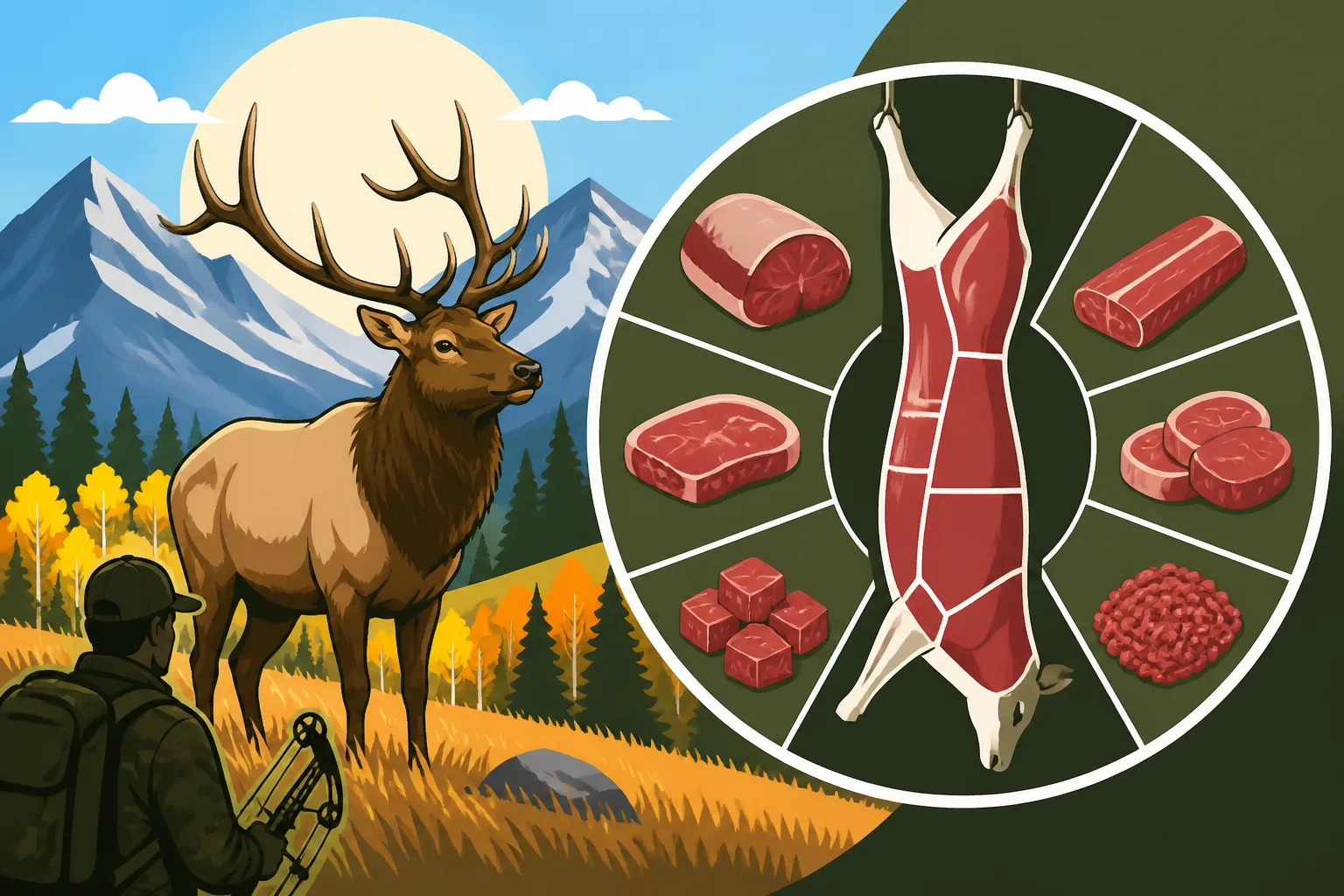
- Boneless Processing: This is the most common and practical choice for elk, especially considering the sheer volume of meat. Removing all bones significantly reduces the final weight compared to dressed weight, but it maximizes actual edible meat. This is the "boneless, trimmed meat" weight we discussed earlier.
- Trim Waste: No matter who processes your elk, there will be some waste. This includes fat (which on elk is generally minimal and should be trimmed as it can impart a tallowy flavor), connective tissue, silver skin, and any meat that was bruised or contaminated by the shot. A good processor will efficiently remove this while saving as much good meat as possible for grinding or stew. Don't be surprised if 10-20% of the boneless meat you could theoretically get is lost to trimming, depending on the animal's condition and shot placement.
Storage and Longevity of Elk Meat
Once you have that beautiful, processed elk meat, proper storage is the final step to ensuring you enjoy it for months to come.
- Vacuum Sealing is King: For long-term freezer storage, vacuum sealing is by far the best method. It removes oxygen, preventing freezer burn and extending the life of your meat significantly – often for 18-24 months or even longer if maintained at a consistent sub-zero temperature.
- Freezer Paper/Heavy-Duty Bags: If you don't have a vacuum sealer, wrap cuts tightly in freezer paper, then place them in heavy-duty freezer bags. Expel as much air as possible. While not as effective as vacuum sealing, this can keep meat fresh for 6-12 months.
- Freezer Organization: Label all packages with the type of cut (e.g., "elk backstrap," "ground elk"), the date, and the year. This helps you rotate your stock and ensures you use the oldest meat first. A well-organized freezer, perhaps with dedicated chest freezers, is essential for a productive harvest.
Successfully hunting a Colorado elk is an incredible achievement. Knowing what to expect regarding meat yield and how to maximize it through proper field care and processing will enhance your satisfaction and ensure you're enjoying delicious wild game long after your hunt is over.
Disclaimer
Hunting is an inherently dangerous activity. This guide is for informational purposes only and does not substitute for proper training, adherence to all Colorado Parks and Wildlife (CPW) regulations, and sound judgment in the field. Always prioritize safety, ethics, and responsible hunting practices. Laws and regulations can change, so it is your responsibility to consult the most current CPW regulations before planning or undertaking any hunting activity.