How Weather Moves Colorado Elk
There's nothing quite like the frustration of scouting a perfect elk spot, only to arrive opening morning and find the mountains eerily silent, the elk seemingly vanished into thin air. Many hunters blame bad luck, but often, the silent culprit is the weather. Understanding how weather influences elk movement in Colorado is absolutely paramount to consistent success, transforming seemingly random disappearances into predictable patterns. This guide will walk you through the intricate relationship between atmospheric conditions and elk behavior, helping you decipher nature's subtle clues to put you closer to the herd.
Understanding the Basics of Elk Behavior and Weather
Elk are incredibly adapted to their environment, and their daily lives are a constant negotiation with the elements. They aren't just reacting to a single weather factor but a complex interplay of temperature, precipitation, wind, and atmospheric pressure. Grasping these fundamental connections is the first step in predicting their movements.
Elk's Natural Instincts and Weather Sensitivity
At their core, elk are driven by survival instincts: finding food, water, security, and conserving energy. Every decision an elk makes, from where it beds to how long it feeds, is influenced by these needs, and weather often dictates the easiest path to fulfilling them. For instance, in hot weather, their primary goal shifts to staying cool, which means seeking dense timber or high-elevation basins where temperatures are milder. When it's bitterly cold, energy conservation becomes critical, pushing them to seek thermal cover and perhaps feed more intensely before a storm hits. They're not just enduring the weather; they're actively using it to their advantage, or mitigating its disadvantages, in their constant quest for survival. This intrinsic sensitivity means that even subtle shifts in a Colorado forecast can trigger significant changes in their routines.
Key Environmental Factors Beyond Just Temperature
While temperature is often the most obvious weather factor we consider, it's far from the only one. Atmospheric pressure, for example, is a silent but powerful driver of elk activity. A high-pressure system, often associated with clear skies and calm winds, can make elk feel secure and lead to more predictable feeding and bedding patterns. Conversely, a rapidly dropping barometer, signaling an approaching storm, frequently corresponds with a flurry of activity as elk try to fill their bellies before hunkering down. Wind also plays a crucial role, not just in chilling them, but in influencing their senses. Elk often bed and travel with the wind at their back, using their incredible sense of smell to detect danger ahead. This makes understanding local thermals and prevailing winds vital for hunters. Lastly, precipitation in all its forms—rain, snow, hail—directly impacts their comfort and accessibility to forage, forcing them to adjust their routines dramatically.
Specific Weather Phenomena and Their Impact on Elk Movement
Let's dive into the specifics of how different weather events in Colorado directly influence where you'll find elk and how they behave. These are the patterns that experienced hunters learn to read like a book.
The Role of Cold Fronts and Pressure Changes
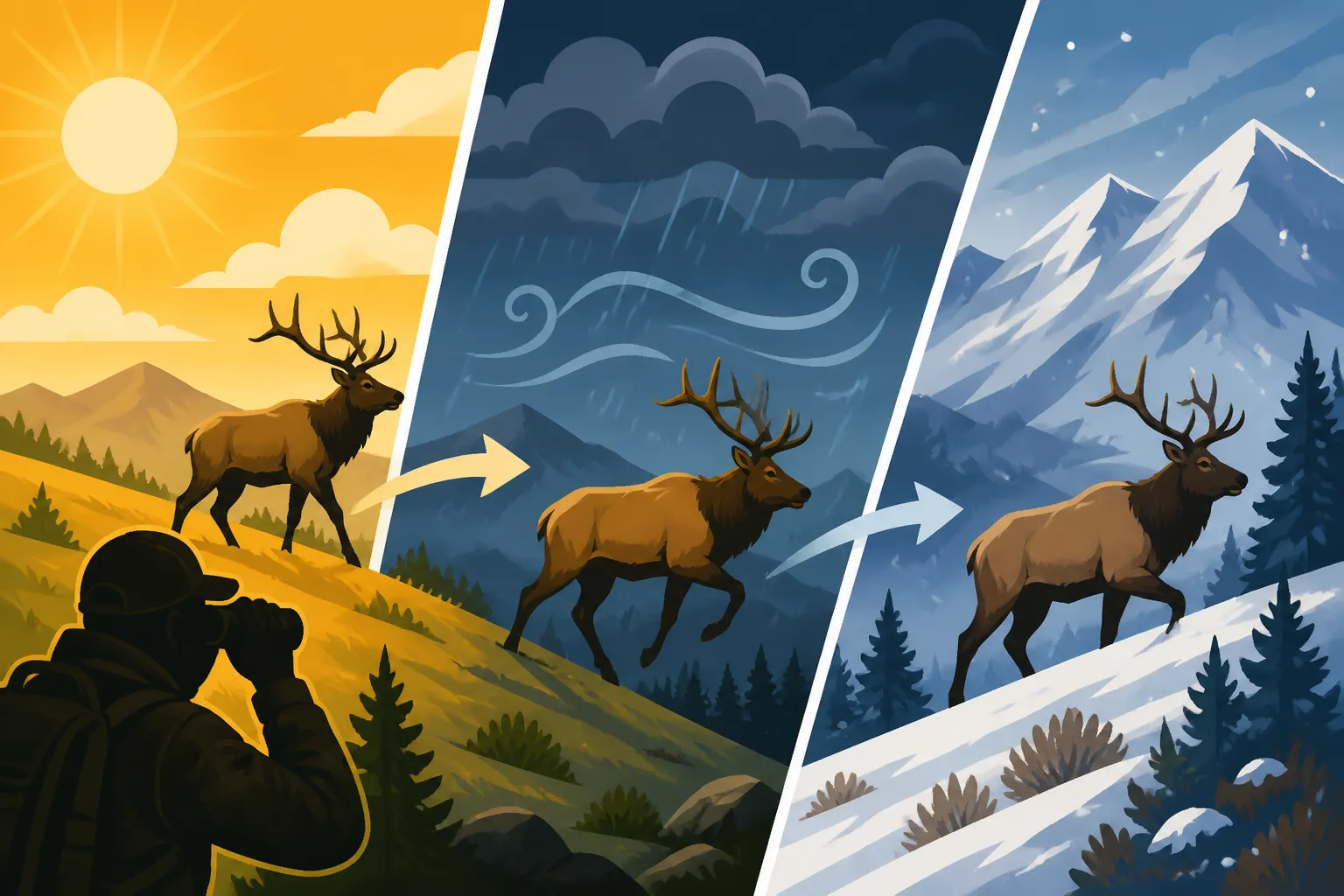
Few things get elk moving like an impending cold front. You'll often hear hunters talk about a "pre-front bite," and it's absolutely true for elk. When the atmospheric pressure starts to drop significantly, indicating a major weather change is on its way, elk seem to sense it. They'll often feed more intensely, sometimes even in daylight, and can become more vocal. This increased activity is their instinctual push to fuel up before the weather turns nasty, knowing that feeding opportunities might be limited once the storm rolls in. Once the cold front arrives and the pressure stabilizes to a high-pressure system, especially if it brings clear, crisp conditions, elk can remain active, often feeding heavily as long as there’s no deep snow.
However, a harsh, blustery cold front can push them into the thickest, darkest timber they can find, seeking shelter from the wind and biting temperatures. They'll conserve energy by bedding down in dense stands of spruce or fir, often on leeward slopes, until the worst of it passes. For hunters, learning to anticipate these pressure changes, perhaps by using a reliable weather app or a simple barometer, can be a game-changer. Timing your hunt to coincide with these pre-frontal surges or knowing where to find them hunkered down can significantly increase your odds. For more specific tactics when these conditions strike, check out our guide on How to Hunt a Cold-Front Elk Push.
Snowfall, Rain, and Their Immediate Effects
Snow is perhaps the most iconic weather phenomenon for a Colorado elk hunter, and its impact varies greatly depending on its intensity and accumulation. A light, fresh snowfall can be a hunter's best friend. It quiets the woods, making it easier to move silently, and it reveals fresh tracks, giving you invaluable clues about recent elk activity. In these conditions, elk might feed more openly as the light snow provides a bit of insulation.
However, a heavy, deep snowfall tells a different story entirely. As snow accumulates to significant depths (say, over 18-24 inches), it drastically reduces an elk's mobility and access to forage. This is when elk begin to migrate to lower elevations and south-facing slopes, where snow depths are typically less, and the sun can melt it quicker, exposing food sources. These migration corridors become hotbeds of activity. If you're hunting during an active snowstorm, elk will often seek heavy timber for shelter, minimizing movement. But once the storm breaks and the sun comes out, they'll often emerge to feed, sometimes voraciously, making post-storm periods excellent hunting opportunities. Our article on How to Hunt Elk in the Snow offers even deeper insights into this strategy.
Rain can also influence elk, though typically less dramatically than snow. A light drizzle might actually increase elk activity, as it dampens the forest floor, making it quieter for them to move and masking human scent. They might feed longer and more openly. Heavy, driving rain, on the other hand, will often push elk into heavy cover, similar to a harsh cold front, where they'll seek shelter until the downpour subsides. The key is understanding the degree of precipitation and what shelter options are available to the elk in your chosen Colorado Hunting Units (GMUs) Explained.
Wind's Influence on Elk Travel and Senses
Wind is a critical, often underestimated, factor in elk movement and a hunter's success. Elk rely heavily on their sense of smell for detecting danger, and they will almost always travel and bed in a way that allows them to use the wind to their advantage. This usually means bedding down with the wind at their backs, allowing them to scent anything approaching from behind, while their eyes and ears cover the downwind approach. When traveling, they'll often move into the wind, constantly testing the air for threats.
Strong, sustained winds can make elk incredibly jumpy and reduce their overall activity. They might move into thicker timber or more sheltered drainages to escape the constant buffeting. They may also bed on leeward slopes or saddles where the wind is less severe. For a hunter, understanding the wind is non-negotiable. You must always hunt into or across the wind to prevent your scent from reaching the elk. This often dictates your approach vector, your glassing locations, and even your calling setups. Combining an understanding of prevailing winds with local thermals (the up-and-down air currents driven by temperature changes) is essential for effective movement through elk country. Check out How to Use the Wind Hunting Colorado Elk and How to Use Thermals in Colorado Elk Country for detailed strategies.
Seasonal Weather Patterns and Elk Adjustments
Elk don't just react to daily weather; their entire annual cycle, from calving to the rut to wintering, is shaped by seasonal climate patterns in the Colorado mountains. Understanding these broader trends helps predict their general whereabouts and how they'll respond to specific weather events.
Early Season Weather: Warmth and High Elevations
The early archery seasons in late August and early September often coincide with warm, sometimes hot, weather in Colorado. During these periods, elk, especially mature bulls, will typically be found at higher elevations. They seek the cooler temperatures, abundant high-alpine forage, and reduced insect pressure found above 10,000 feet. Water sources, which might be plentiful from snowmelt earlier in the summer, can start to dry up, making traditional water holes or reliable streams critical congregation points.
In these warm conditions, elk activity will be concentrated during the cooler parts of the day: early morning, late evening, and sometimes even throughout the night. They will bed down during the midday heat in dense, north-facing timber or shaded pockets, often near water. A sudden cold snap during the early season, even without snow, can spur increased activity during daylight hours, as the elk revel in the cooler, more comfortable conditions. Conversely, prolonged heat waves can make hunting incredibly challenging, as elk minimize movement and spend more time seeking shade and water. For a deeper dive into hunting at altitude, see our guide on How to Hunt Elk at High Elevation.
Rut Season: Weather and Breeding Behavior
The peak of the elk rut, usually from mid-September to early October, sees bulls become incredibly vocal and active, driven by the urge to breed. While the hormonal drive is strong, weather can significantly impact the intensity and timing of this activity. Mild, stable weather with cool nights and warm, sunny days often leads to a boisterous rut, with bulls bugling and cows moving actively. These conditions allow elk to expend energy on breeding activities without being overly stressed by extreme heat or cold.
However, a sudden shift in weather can either dampen or intensify the rut. A major heatwave can cause bulls to become less vocal and conserve energy, pushing their activity to just before dawn and after dusk. A severe cold front with heavy snow, while initially perhaps triggering a surge in activity as they feed up, can quickly cause bulls to quiet down and seek shelter, making them harder to locate. Rain or light snow, on the other hand, can make for quieter hunting conditions, allowing a hunter to move closer to a bugling bull. Paying close attention to the forecast during the rut is crucial for adjusting your calling and stalking strategies. For more on this, explore Colorado Elk Behavior During the Rut.
Late Season: Snow, Migration, and Winter Range
As fall progresses into late October and November, Colorado weather becomes increasingly severe, and this is when snow truly becomes the dominant force shaping elk movement. Early, light snows might still allow elk to remain in higher elevations, but once significant accumulation occurs, especially at higher altitudes, elk begin their annual migration to lower-elevation winter ranges. These movements are often triggered by snow depths that make foraging difficult or by persistent deep cold.
Hunters targeting late-season elk need to focus on these migration corridors and the transition zones between summer and winter range. South-facing slopes, which shed snow faster and offer more exposed forage, become prime areas. River bottoms, lower aspen groves, and sagebrush country at lower elevations will start to hold increasing numbers of elk. Hunting during a significant snow event or just after one can be incredibly productive, as elk are often pushed down to accessible areas and are highly motivated to feed. Understanding these migratory patterns is key to finding success when winter truly sets in. You can learn more about these critical movements in Colorado Elk Migration Patterns and find specific strategies in How to Hunt Colorado Late-Season Migration.
Here's a quick summary of how different weather impacts elk activity:
| Weather Condition | Impact on Elk Activity & Location | Hunter Tactic Considerations |
|---|---|---|
| Dropping Barometer | Increased feeding and movement (pre-front surge). More vocal. | Hunt aggressively before the storm. Look for open feeding areas. Be ready for increased bugling during the rut. |
| Cold Front (Arrival) | Seek shelter in thick timber, leeward slopes. Reduced movement during peak intensity. Increased feeding post-front. | Focus on dense thermal cover. Still-hunt slowly. Expect increased post-front activity; be ready for morning/evening feeds in new areas. |
| Light Snowfall | Quieter movement, more visible tracks. May feed more openly. | Excellent for still-hunting and tracking. Use fresh tracks to your advantage. Hunt travel corridors and feeding areas. |
| Heavy Snowfall | Migration to lower elevations, south-facing slopes, and winter range. Hunkering down during the storm. | Target migration routes and transition zones. Focus on south-facing slopes. Hunt post-storm feeding surges. |
| Light Rain/Drizzle | Quieter movement, reduced human scent. May increase feeding activity. | Good for silent stalking. Stay persistent, elk may remain active. |
| Heavy Rain | Seek dense shelter. Reduced movement during the downpour. | Find thick timber and sheltered drainages. Hunt aggressively as soon as the rain eases. |
| High Winds | Seek sheltered areas (leeward slopes, dense timber). Increased skittishness. Often move with the wind to use scent. | Hunt into the wind. Focus on sheltered areas. Move slowly and deliberately, as elk are on high alert. |
| Warm Temperatures | High elevation in early season. Primarily nocturnal/crepuscular activity. Seek shade and water during midday. | Hunt high-country timber and north-facing slopes. Focus on water sources. Hunt aggressively at first light and last light. |
Leveraging Weather Information for Hunting Success
Knowing how weather affects elk is only half the battle. The real advantage comes from actively integrating this knowledge into your pre-hunt planning and your in-the-field decision-making.
Reading Weather Forecasts and Topography
In today's world, we have incredible access to detailed weather information, and it's a tool every serious elk hunter should be using. Don't just check the general forecast for the nearest town; get hyper-local. Use apps or websites that provide hourly forecasts for specific mountain elevations, wind direction and speed, and atmospheric pressure. Services like GoHunt provide advanced mapping and weather overlays that can show you how these conditions might impact specific areas you're scouting. Understanding how a forecasted west wind will interact with the topography of your chosen drainage, or how a cold front will sweep over a ridge, is crucial.
Topography works hand-in-hand with weather. A steep, north-facing slope will hold snow longer and stay cooler, making it ideal bedding during warm periods or a refuge from heavy hunting pressure. Conversely, a south-facing slope will melt snow faster and receive more sun, drawing elk during cold snaps or late season for feeding. Knowing these nuances allows you to pinpoint likely elk locations before you even step foot in the woods, tailoring your approach to the specific conditions. Our guide on How to Hunt North-Facing Slopes for Elk provides great insights into utilizing these features.
Adjusting Tactics Based on Conditions
The truly successful hunters are the adaptable ones. If you wake up to a heavy, wet snow, don't stick to your original plan of glassing a distant basin that's now buried. Instead, shift your focus to lower-elevation transitions, south-facing slopes, or thick timber where elk will be seeking shelter and food. If a strong wind picks up, alter your stalk to ensure you're always approaching with the wind in your face or crosswind, rather than pushing your scent ahead.
For instance, during a light rain or post-snowfall, the woods are incredibly quiet, making it an ideal time for still-hunting through timber. Every step is muffled, and you can move much more silently than on dry leaves. If it's a clear, cold day after a storm, that's prime glassing weather, especially for sunny south-facing slopes where elk will be out feeding. Your tactics should be a dynamic response to what Mother Nature throws at you. Don't be afraid to change your plan mid-day or even mid-stalk if the conditions shift.
Pre-Season E-Scouting and In-Season Adaptability
The work of adapting to weather starts long before you pack your bags. Pre-season e-scouting, using tools like GoHunt mapping applications, allows you to identify key terrain features that are likely to hold elk under various weather conditions. Mark potential bedding areas in thick timber for high winds or heavy snow, south-facing feeding benches for cold snaps, and high-elevation basins for early-season warmth.
Once you're in the field, continue to be adaptable. Check the forecast constantly. Observe how the wind is swirling in specific drainages. Look for visual cues of changing weather, like rapidly building clouds or a sudden drop in temperature. Elk often react before the worst of the weather hits, so learning to interpret these subtle signs can give you a crucial head start. For example, if you see a significant cold front on the horizon, consider being more aggressive in your hunting, knowing elk might be on the move to feed up before the storm. Conversely, if prolonged warm, dry weather is forecasted, shift your focus to water sources and early morning/late evening hunting. Staying nimble in your approach will consistently yield better results.
Disclaimer
Hunting in Colorado involves inherent risks and is subject to strict regulations. Always consult the official Colorado Parks and Wildlife (CPW) regulations for the most current information on seasons, licensing, unit boundaries, and ethical hunting practices. This guide is for informational purposes only and does not supersede official CPW guidelines. Be prepared for all weather conditions, understand your physical limitations, and prioritize safety above all else.