Colorado Big Game Species Guide
Thinking about hunting in Colorado can feel like trying to solve a complex puzzle, especially when you start diving into all the different animals you can pursue. It’s easy to get overwhelmed by the sheer number of species, diverse habitats, and intricate regulations, leaving you wondering where to even begin your planning. This comprehensive guide will walk you through Colorado's incredible array of big game animals, giving you a clear picture of what's available and what it takes to chase them in the Centennial State.
Understanding Colorado's Big Game Landscape
Colorado is a hunter's paradise, no doubt about it. But with that paradise comes a level of complexity that can sometimes feel like a full-time job to unravel. It's not just about picking a species; it's about understanding the specific challenges and opportunities each one presents across this vast and varied state.
The Sheer Diversity of Huntable Species
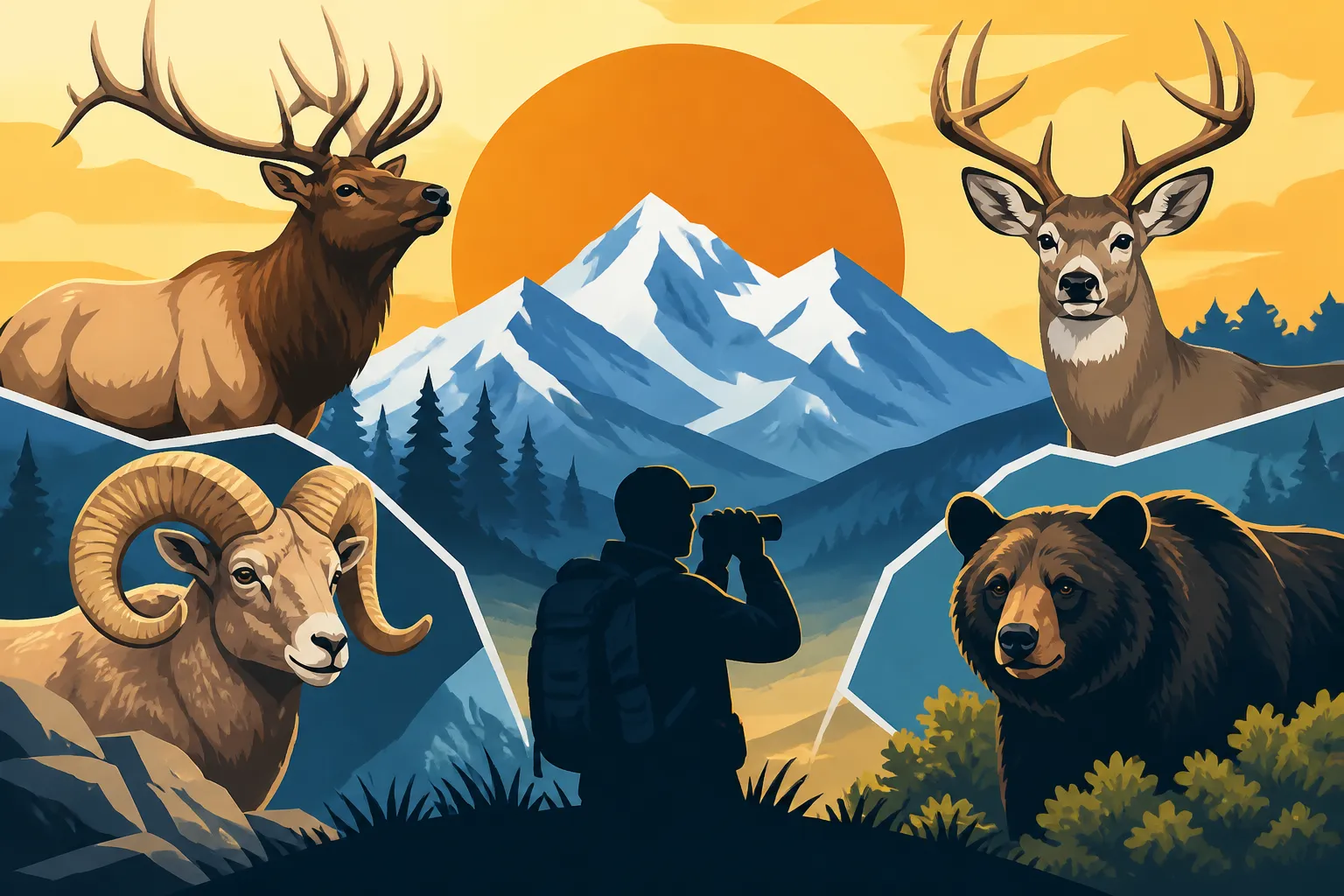
When people think of Colorado big game, their minds often jump straight to elk, and rightfully so. Colorado boasts the largest elk herd in North America. But the menu of huntable animals extends far beyond those majestic wapiti. We're talking about the iconic mule deer that roam the high country and sagebrush flats, the lightning-fast pronghorn on the eastern plains, the elusive black bear in the timber, and even the truly once-in-a-lifetime opportunities for moose, bighorn sheep, and mountain goats. Each of these animals offers a unique challenge and requires different strategies, gear, and often, years of patiently building preference points. It's a testament to Colorado's diverse ecosystems that so many incredible creatures call this state home, providing an unparalleled range of experiences for hunters willing to put in the work.
General Habitat and Ecosystems
Colorado's landscape is a mosaic of habitats, each supporting different big game populations. You've got the towering Rocky Mountains with their alpine tundra, dark timber, and expansive aspen groves, which are prime real estate for elk, mule deer, bighorn sheep, and mountain goats. Then there are the vast sagebrush flats and pinyon-juniper zones, critical for mule deer in lower elevations and transitional areas. As you move east, the mountains give way to the rolling hills and shortgrass prairies of the Eastern Plains, which are the domain of pronghorn and, surprisingly, a good number of whitetail deer. Black bears are adaptable and can be found from the foothills to high-elevation forests, wherever food sources are abundant. Moose, a more recent success story, are typically found in willow-choked river bottoms and high mountain drainages, especially in the North Park area and parts of the Routt National Forest. Understanding these general habitats is your first step in narrowing down where to focus your efforts for a particular species.
Navigating Regulations and Draw Systems for Each Species
Here's where things can get a little gnarly, but don't let it intimidate you. Colorado's hunting regulations are thorough, and for good reason—they manage these incredible resources. Most big game hunting in Colorado operates on a draw system, meaning you apply for a limited number of tags in specific Game Management Units (GMUs) for a particular season. This is where tools like GoHunt become invaluable, as they help you sift through draw odds, unit statistics, and application strategies. Species like elk, mule deer, and pronghorn offer both over-the-counter (OTC) opportunities (mostly for archery and some second/third rifle elk seasons) and limited draw tags. However, for species like moose, bighorn sheep, and mountain goats, a draw tag is almost exclusively the only way to hunt them, often requiring many years of accumulated preference points. Understanding the nuances of the Colorado Draw System and Preference Points is absolutely critical, as incorrect applications or missed deadlines can mean losing a year's worth of planning. It’s not just about knowing what you want to hunt, but how to legally get the chance to pursue it.
The Mighty Elk: Colorado's Crown Jewel
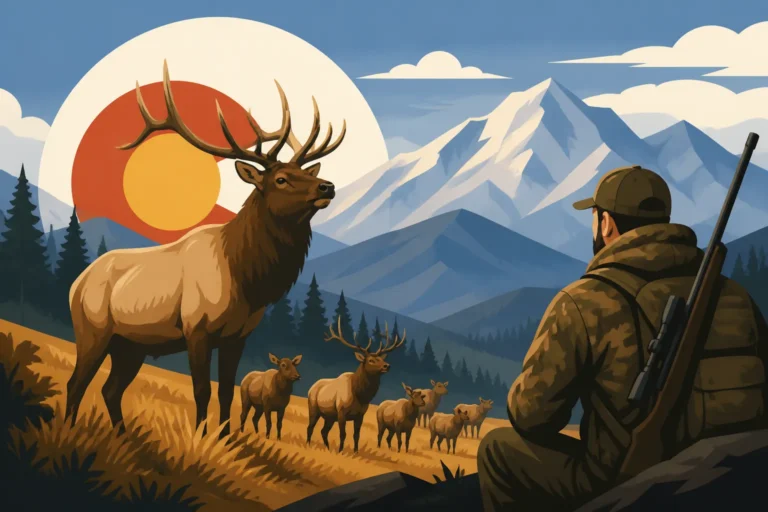
When you hear "Colorado hunting," more often than not, the very next word is "elk." And for good reason! Colorado truly is the undisputed champion of elk hunting in the Lower 48, boasting a population that consistently hovers around 280,000 animals. The sheer numbers, combined with vast tracts of public land, make it a bucket-list destination for hunters worldwide.
Elk Subspecies and Characteristics
The elk found in Colorado are Rocky Mountain Elk, scientifically known as Cervus canadensis nelsoni. These are magnificent creatures, larger than their Eastern or Tule elk cousins. Mature bull elk can weigh upwards of 700-1,000 pounds, standing five feet tall at the shoulder, crowned with impressive antlers that can span four to five feet or more. Cows are smaller, typically 500-600 pounds, but are equally hardy. Their coats are generally tan with darker brown heads, necks, and legs, and a distinctive light-colored rump patch. During the fall rut, the bulls' bugles echo through the timber, a sound that is both haunting and exhilarating, signaling one of the most exciting times to be in elk country. Learning to distinguish between cows, spikes, and mature bulls in the field is a critical skill, especially when hunting in units with antler point restrictions or during seasons where only certain types of tags are valid.
Prime Elk Habitat and Seasonal Movements
Elk are incredibly adaptable, but they generally prefer mountainous terrain with a mix of dark timber for cover, aspen groves for forage and bedding, and open parks or meadows for grazing. In Colorado, this translates to elevations ranging from 6,000 feet up to the timberline at 11,000+ feet. Areas like the Flat Tops Wilderness, the White River National Forest, and the San Juan Mountains are renowned for their robust elk populations and diverse habitats.
Their seasonal movements are a huge factor in hunting success. In early archery seasons, elk might still be in their higher summer ranges, enjoying lush alpine forage. As fall progresses and hunting pressure mounts, they often retreat into thicker cover. The rut, typically peaking in mid-September, sees bulls becoming more active and vocal, creating prime opportunities for callers. Later in the rifle seasons, colder temperatures and snow push elk to lower elevations into their wintering grounds, often concentrating them in valleys and south-facing slopes. Understanding these Colorado Elk Migration Patterns is paramount, as finding them often means finding their preferred food sources and escape routes for a given time of year. Knowing where they transition to and from can give you a significant advantage, especially if you're scouting before the season.
Hunting Strategies and Draw Considerations for Elk
Hunting elk in Colorado is not for the faint of heart; it's physically demanding and requires a blend of skill, patience, and often, a bit of luck. Common methods include archery hunting, where calls like bugles and cow calls are used to draw in bulls, as detailed in our Colorado Archery Elk Hunting Guide. Rifle hunting often involves covering ground, glassing distant slopes, or still-hunting through timber. Muzzleloader season offers a unique challenge with its limited range and single-shot capabilities.
For tags, you have a few options:
- Over-the-Counter (OTC) Tags: These are available for specific archery seasons and the second and third rifle seasons in certain GMUs, offering fantastic opportunities for those who don't want to deal with the draw. However, these units often see higher hunter pressure. For more details, check out our guide on Colorado OTC Elk Tags Explained.
- Limited Draw Tags: These tags offer access to units with potentially higher success rates, better trophy potential, or less pressure, but they require applying through the draw and accumulating preference points. Trophy units, in particular, can take many years to draw.
Choosing your approach depends on your experience, physical condition, and how many preference points you've accumulated. Whether you're chasing a bull with a bow during the rut or still-hunting through fresh snow during a late rifle season, elk hunting in Colorado is an unforgettable experience. Be sure to check out our comprehensive Colorado Elk Hunting Guide for even more in-depth information.
Colorado's Iconic Mule Deer
Beyond the thunder of elk, Colorado offers some truly world-class mule deer hunting. These magnificent deer, with their large ears that move independently (hence "mule") and their distinctive bounding gait, are a favorite among many Western hunters. Their ability to thrive in rugged, high-elevation terrain makes pursuing them an engaging challenge.
Mule Deer vs. Whitetail: Key Differences
While both mule deer and whitetail deer are found in Colorado, they are distinctly different species with unique characteristics and behaviors. The most obvious difference is their antlers: mule deer antlers typically branch, or fork, equally, meaning each main beam divides into two, then those often divide again. Whitetail antlers, on the other hand, typically have a main beam from which individual tines (points) sprout upwards.
Physically, mule deer are generally larger and stockier than whitetails, with those prominent "mule-like" ears and a rope-like tail tipped with black. Whitetails have a smaller, flag-like tail that is white underneath, which they often raise when alarmed. Behaviorally, mule deer tend to "pronk" or "stot" when fleeing—a unique four-legged bounding jump—whereas whitetails run with a more traditional gait. Mule deer are primarily creatures of open, rugged country, while whitetails prefer dense cover and riparian areas. Understanding these distinctions is crucial, not just for identification, but for tailoring your hunting strategies, as you'd approach a whitetail in its thick cover differently than a mule deer on an open mountainside.
Mule Deer Habitat Preferences and Migration
Mule deer are highly adaptable, inhabiting a wide range of Colorado's ecosystems, from the high alpine country in summer to the desert lowlands and sagebrush flats in winter. You'll find them in the steep, timbered slopes of the Rocky Mountains, the pinyon-juniper breaks of the Western Slope, and the rimrock canyons of the Front Range foothills. In areas like the Gunnison Basin or the Grand Mesa, mule deer are a common sight, browsing on a variety of shrubs and forbs.
Their seasonal migrations are just as important as elk. During the summer, many mule deer bucks head to higher elevations, often above timberline, to grow their antlers in peace. As hunting pressure, colder temperatures, and snow push them down, they migrate to lower wintering grounds. This migration often concentrates deer, making late-season hunting periods particularly effective if you can intercept them along their travel corridors. Knowing these migration routes and how weather influences them is a significant advantage for any deer hunter. Being able to read the land and predict where deer will be based on snowfall or cold fronts is an art form that comes with time and dedicated scouting.
Hunting Tactics and Tag Acquisition for Mule Deer
Colorado Mule Deer Hunting Guide outlines several effective tactics. Spot-and-stalk is arguably the most popular and productive method for mule deer. It involves using high-quality optics to locate deer from a distance, then carefully planning and executing a stalk to get within shooting range. This requires patience, good glassing skills, and an understanding of wind direction and terrain. Hunting during the rut, which typically occurs in late October and November, can be particularly exciting as bucks are more active and less cautious, often focused on does.
Most mule deer tags in Colorado are obtained through the draw system, with specific units and seasons requiring varying numbers of preference points. While there are some over-the-counter archery mule deer tags available, they are far less common than for elk. Many hunters spend years building up preference points to draw a coveted tag in a trophy unit known for producing large bucks. Researching draw odds and unit statistics using resources like GoHunt is essential for setting realistic expectations and planning your application strategy. Don't underestimate the role of solid e-scouting combined with boots-on-the-ground recon when trying to find those elusive mountain bucks.
The Speedsters of the Plains: Pronghorn
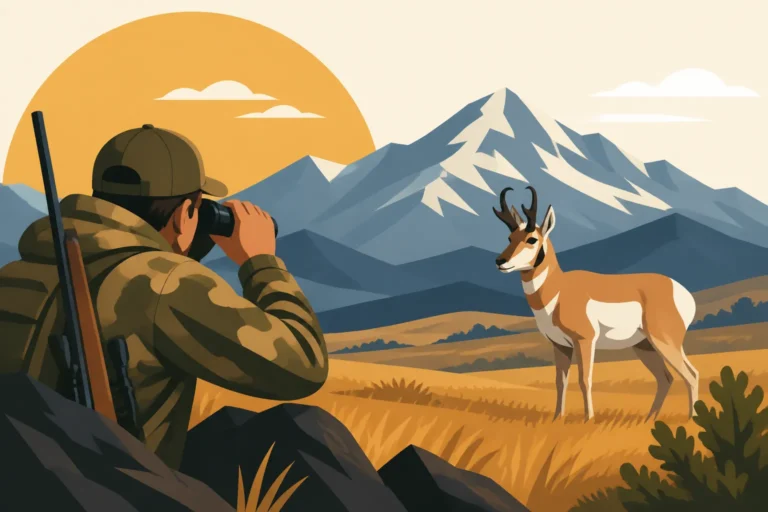
Often mistaken for antelope (though not true antelope), pronghorn are a unique and iconic species of the American West. These incredible animals, built for speed and survival on the open plains, offer a thrilling and distinct hunting experience in Colorado, a stark contrast to the mountain hunts for elk and deer.
Unique Biology and Behavior of Pronghorn
Pronghorn are truly fascinating creatures, holding the title of the fastest land animal in North America, capable of bursts up to 60 miles per hour. Their physical adaptations are all geared for life on the open prairie: enormous eyes that provide 8x magnification and a nearly 360-degree field of vision, light bones, and specialized hooves. Their distinctive "horns" are unique, consisting of a bony core covered by a keratinous sheath that is shed annually, much like deer antlers. They are highly social, typically found in herds, constantly vigilant for predators.
Behaviorally, pronghorn are curious, which can sometimes be exploited by hunters using decoys. They rely heavily on their eyesight, making them incredibly difficult to approach in their wide-open habitat. This reliance also means that wind direction, while still important for scent, is often secondary to staying out of their line of sight during a stalk. Understanding their unique sensory capabilities and herd dynamics is key to developing successful hunting strategies.
Eastern Plains and Basin Habitat
In Colorado, pronghorn are predominantly found on the Eastern Plains, sprawling across counties like Lincoln, Elbert, Kit Carson, and Yuma. These vast, open grasslands, interspersed with agricultural fields and sagebrush flats, provide ideal habitat for them. They thrive in these areas, grazing on forbs, grasses, and shrubs. However, don't limit your thinking to just the Eastern Plains; healthy populations can also be found in some of the high desert basins and plateaus of western Colorado, such as areas around Craig and Meeker. These basins, while not "plains" in the traditional sense, offer the expansive, open terrain that pronghorn favor. Access can be a mix of public lands, like BLM and State Trust Lands, and private agricultural properties, so understanding land ownership via tools like the Colorado Hunting Atlas Explained is paramount.
Effective Hunting Methods and Draw Odds for Pronghorn
Hunting pronghorn is primarily a spot-and-stalk affair, but it requires a very different approach than mountain deer or elk. With their exceptional eyesight and the lack of cover, getting within rifle range, let alone bow range, can be incredibly challenging. Hunters often use terrain features like small hills, coulees, or even irrigation ditches to slowly close the distance. Decoying can also be a very effective tactic, especially during the rut (late September into early October), where a hunter uses a pronghorn decoy to entice a territorial buck to approach. Check out our Colorado Pronghorn Hunting Guide for more detailed tactics.
Pronghorn tags are almost exclusively obtained through the draw system. Unlike elk, there are no over-the-counter options for pronghorn, making the draw your only avenue for securing a tag. The number of preference points required can vary significantly by GMU, with some units requiring zero points and others taking several. Non-residents often face tougher odds due to tag allocations. Planning several years ahead and applying strategically for units that match your point accumulation is essential. Once you draw that tag, though, you're in for one of the most exciting and unique Western hunting experiences Colorado has to offer.
Stealthy Giants: Colorado's Black Bears and Moose
While elk, deer, and pronghorn are often the main draw, Colorado offers incredible, albeit more limited, opportunities for two other magnificent big game species: the adaptable black bear and the increasingly present moose. These hunts are often specialized and require a deep understanding of their unique behaviors and habitats.
Black Bear: Habitat, Diet, and Hunting Seasons
Colorado's black bear population is healthy and growing, with estimates over 19,000 animals. Despite their name, black bears in Colorado exhibit a wide range of color phases, from solid black to cinnamon, blonde, and even chocolate brown. They are incredibly intelligent and opportunistic omnivores, with their diet heavily influencing their movements. Bears are found throughout Colorado's forested mountain regions, from the foothill scrub oak and pinyon-juniper zones up to the high-elevation spruce-fir forests. Areas with abundant berry crops, acorn production, or late-season chokecherries are prime locations. They rely on dense cover for security and are often found near water sources.
Colorado offers both spring and fall black bear hunting seasons. Spring bear season is typically very limited and often occurs concurrently with lion season, targeting bears just emerging from their dens. Fall bear season is much more popular and typically runs from early September through the end of the last rifle season, often overlapping with archery and rifle elk and deer seasons. Many bear tags are over-the-counter with an elk or deer license, or can be drawn as a stand-alone tag. Hunters typically pursue bears by spot-and-stalk, often glassing south-facing slopes in the spring or berry patches and oak brush in the fall. Our Colorado Black Bear Hunting Guide provides in-depth information on hunting methods and key considerations. Knowing their preferred food sources and bedding areas during specific times of the year is critical for success, as bears are always thinking about their next meal.
The Elusive Moose: Range and Limited Opportunities
The reintroduction of moose to Colorado in the late 1970s and early 1980s has been a resounding success. Today, Colorado boasts a thriving and expanding moose population, primarily in the North Park area around Walden, the Grand Mesa, and parts of the Laramie River Valley and the San Juan Mountains. These massive animals are unmistakable with their dark brown coats, large dewlap, and impressive paddle-like antlers on the bulls. They prefer willow-choked stream bottoms, high-elevation wetlands, and dense timber, often staying in or near water.
Hunting opportunities for Colorado moose are extremely limited and represent one of the state's most coveted draw tags. It often takes 20+ years of accumulating preference points for a non-resident, and still many years for residents, to draw a moose tag. This makes a moose hunt a truly once-in-a-lifetime experience for most hunters. When a tag is drawn, the hunt itself typically involves still-hunting through dense willow thickets, glassing timber edges near water, or calling during the rut. Patience and stealth are paramount, as moose, despite their size, can disappear silently into thick cover. For a more detailed look into this unique opportunity, check out our Colorado Moose Hunting Guide.
Specialized Hunting Approaches for Bears and Moose
Both bear and moose hunting require specialized approaches distinct from elk or deer. For bears, understanding their dietary shifts throughout the seasons is paramount. Early fall, they'll be hitting berry patches hard, later moving to acorns if they are available. Spotting bears often involves extensive glassing of clear-cuts, open slopes, and dense oak brush fields at dawn and dusk. For moose, the name of the game is often patience and targeting their preferred willow and riparian habitats. They are not as vocal as elk, so still-hunting and careful glassing of water sources are key. Due to the limited tags and specific habitats, using detailed mapping applications like onX or consulting resources like GoHunt to understand individual GMU characteristics is even more crucial for these species. Furthermore, being prepared for rugged, wet, and often brushy terrain is essential, as these animals often inhabit areas that are tough to navigate.
High-Country Challenges: Bighorn Sheep and Mountain Goats
For many, drawing a tag for a bighorn sheep or mountain goat represents the ultimate achievement in North American hunting. These hunts are characterized by extreme physical demands, breathtaking alpine environments, and incredibly challenging draw odds that can span decades.
Bighorn Sheep: Rocky Mountain Royalty
Rocky Mountain Bighorn Sheep are the quintessential symbol of the high country. Their majestic curling horns, powerful muscular bodies, and incredible agility in steep, rocky terrain make them truly regal animals. Found in isolated, rugged mountain ranges throughout Colorado, particularly in areas like the Collegiate Peaks, the San Juans, and parts of the Poudre Canyon, bighorns inhabit rocky cliffs, alpine meadows, and sparse timber at very high elevations. They are highly social, with rams often forming bachelor herds outside of the rut.
Hunting bighorn sheep is a test of endurance, mental fortitude, and sheer willpower. It involves days, if not weeks, of relentless hiking and climbing at extreme altitudes, often above 10,000 feet, to locate and stalk these animals. Optics are king in sheep country, as you'll spend countless hours glassing distant rock slides and peaks. Because of their limited numbers and specific habitat needs, tags are incredibly scarce. Our Colorado Bighorn Sheep Hunting Guide offers a deeper dive into these challenging hunts.
Mountain Goats: Alpine Acrobats
Mountain goats are another highly prized high-country species, often found in even more inaccessible and precipitous terrain than bighorn sheep. With their shaggy white coats, distinctive black horns, and almost mythical ability to navigate sheer rock faces, they are truly the acrobats of the alpine. In Colorado, mountain goat populations are healthy but localized, primarily found in the highest peaks of the Sawatch, Gore, and San Juan mountain ranges. They typically reside above timberline year-round, feeding on alpine grasses and forbs.
Like bighorn sheep, mountain goat tags are extremely rare and are considered once-in-a-lifetime draws. The hunt itself is physically grueling, demanding peak fitness and comfort with exposure to extreme weather and treacherous terrain. Hunters often backpack into remote wilderness areas, setting up spike camps for days to maximize their time in goat country. Spot-and-stalk is the primary method, relying on powerful optics to locate animals from afar, followed by careful and often dangerous climbs to get within shooting range. Check out our Colorado Mountain Goat Hunting Guide for more detailed information on these incredible hunts.
Drawing a Tag: The Pinnacle of Colorado Big Game Hunting
For both bighorn sheep and mountain goats, drawing a tag is the biggest hurdle. These species operate on a separate draw system (weighted preference points rather than standard preference points), and the odds are astronomically low. It is common for hunters to apply for 15, 20, or even 30+ years before finally drawing one of these coveted tags. Many hunters consider simply applying for a point each year a vital part of their long-term hunting strategy, hoping that one day, their number will be called. When it is, the hunt becomes a profound experience, a culmination of years of dreaming and dedication. These aren't hunts you plan casually; they demand meticulous preparation, often including hiring a reputable outfitter if you're not deeply experienced in extreme alpine environments. The reward, however, is not just the animal, but the unparalleled adventure and the immersion in some of North America's most spectacular landscapes.
Lesser-Known Big Game Opportunities
While elk and mule deer steal most of the spotlight, Colorado offers a couple of other exciting big game species that often surprise hunters, especially those from outside the state. Don't overlook these unique opportunities when planning your adventures!
Colorado Whitetail Deer: A Plains Surprise
For many, Colorado evokes images of towering mountains, not the dense river bottoms and agricultural fields where whitetail deer typically thrive. Yet, Colorado does indeed have a healthy and growing whitetail population, primarily concentrated along the riparian corridors of the Eastern Plains and some western rivers. These are not the typical mountain whitetails but rather plains whitetails, often found in areas like the South Platte River corridor or along tributaries further east. They prefer dense cover, often in cottonwood groves, willow thickets, and CRP (Conservation Reserve Program) lands bordering agricultural fields.
Hunting Colorado whitetails often involves tactics familiar to Midwestern hunters: stand hunting (tree stands or ground blinds), still-hunting dense cover, or occasionally spot-and-stalk where terrain allows. Tags for whitetail deer are almost exclusively draw-only and are typically unit-specific. While not as iconic as mule deer in Colorado, pursuing whitetails offers a unique experience, often with good opportunities for mature bucks without the intense physical demands of a high-country elk hunt. For hunters seeking a different Colorado deer experience, these river bottom bucks can be a fun and rewarding challenge.
Mountain Lion: The Ultimate Predator Hunt
For the truly adventurous and dedicated hunter, Colorado also offers a mountain lion season. These elusive and powerful predators are found throughout the mountainous and forested regions of the state, wherever their primary prey (deer and elk) exist. Mountain lions are incredibly stealthy and solitary, making them one of the most challenging animals to hunt. Success rates are generally low, even for experienced hunters.
Colorado's mountain lion season typically runs from late fall through spring, often ending when quotas are met in specific GMUs. Hunting methods are highly specialized and often involve the use of trained hounds to track and tree the lion. For hunters without a dog pack, still-hunting or calling during deer and elk seasons can sometimes lead to an encounter, but success is rare. Most lion hunters will seek the expertise of a licensed guide and their hounds. Tags for mountain lions are generally over-the-counter or available via a simple purchase, but the hunt itself demands immense effort, tracking skills, and a willingness to brave harsh winter conditions. It's a true test of grit and determination, offering a deep dive into the primal world of predator hunting.
Planning Your Colorado Big Game Adventure
Successfully hunting big game in Colorado is less about luck and more about meticulous planning and preparation. Whether you're chasing elk in the high country or pronghorn on the plains, a solid strategy before you even leave home is your biggest asset.
Researching Units and Draw Odds
This is where the rubber meets the road. Choosing the right Game Management Unit (GMU) for your target species and weapon choice is critical. Colorado Parks and Wildlife (CPW) provides extensive data on draw odds, harvest statistics, and population trends, but it can be a lot to sift through. This is where modern tools like GoHunt come in handy, aggregating this data and presenting it in user-friendly formats, allowing you to filter by species, season, weapon, and preference points. You can also explore specific units like How Colorado GMUs Work to understand their unique characteristics.
Consider factors like public land access (BLM, National Forest, State Trust Land), hunter pressure, success rates, and the number of preference points required. For non-residents, understanding the Colorado Non-Resident Hunting License Guide and tag allocation rules is especially important, as non-residents are capped at a certain percentage of tags in the draw. Don't just look at success rates; consider how many hunters are in a unit and what the terrain looks like. A unit with a high success rate but incredibly rugged terrain might not be the best choice if you're not physically prepared, while a low-success unit with abundant public access might be perfect for a DIY hunter willing to put in the miles. Take your time with this research – it’s perhaps the most important part of your planning.
Physical Preparation for Colorado's Demanding Terrain
This cannot be stressed enough: Colorado hunting, especially for elk, mule deer, sheep, or goats, is incredibly physically demanding. You'll be navigating steep inclines, uneven ground, and often high altitudes. A typical elk hunt might involve hiking thousands of vertical feet a day, carrying a heavy pack, often at elevations between 8,000 and 11,000 feet. This kind of exertion is no joke, and without proper physical conditioning, you'll be miserable, ineffective, and potentially even put yourself at risk.
Start your fitness regimen months, if not a year, before your hunt. Focus on cardiovascular endurance (running, hiking, stair climbing), strength training (especially legs and core), and carrying a weighted pack. If you live at sea level, incorporate specific Altitude Training for Colorado Hunting into your routine, if possible. Even hiking local hills with a loaded pack will make a huge difference. Don't just get "in shape"; get "hunting shape." This means training with the gear you'll be using, including your boots and backpack, to ensure they're broken in and comfortable. The better shape you're in, the more enjoyable and successful your hunt will be.
Essential Gear and Scouting Resources
Beyond physical fitness, having the right gear is non-negotiable for a Colorado big game hunt. This includes high-quality optics (binoculars, spotting scope, rangefinder), a reliable hunting rifle or bow, appropriate layered clothing for rapidly changing mountain weather, a comfortable and capable backpack, sturdy hiking boots, and navigation tools (GPS, map, compass, or a robust hunting app like onX Maps). Our Colorado Backcountry Hunting Gear List is a great place to start building out your necessities.
For scouting, technology has made it easier than ever to get a head start. Use satellite imagery on mapping apps to identify potential bedding areas, feeding zones, water sources, and travel corridors from home. Learn How to E-Scout Before a Colorado Hunt effectively, identifying public land boundaries, wilderness areas, and terrain features. Once you're on the ground, dedicate ample time to pre-season scouting if possible, learning the land, locating fresh sign, and understanding animal movements. Even if you can't scout in person, detailed map study and talking to local biologists or other hunters can provide invaluable insights. The more prepared you are with both your body and your gear, the greater your chances of success and, more importantly, the more you'll enjoy the incredible experience of hunting in Colorado.
Disclaimer
Please note: Hunting regulations, season dates, and draw odds can change annually. It is imperative that all hunters consult the most current Colorado Parks and Wildlife (CPW) regulations and proclamations before planning or engaging in any hunting activities. This guide is for informational purposes only and does not supersede official CPW regulations.