How to Hunt the Colorado Rut
The Colorado elk rut is a magical, almost mythical time for hunters, filled with the promise of bugles echoing through the crisp mountain air and the chance to call in a bull that’s lost his mind over a cow. But let's be real, turning that dream into a reality is anything but easy. The mountains are vast, elk can be elusive, and the competition can be fierce. This guide aims to demystify hunting the rut in Colorado, giving you actionable strategies to increase your chances of success during this incredible season.
Understanding the Colorado Elk Rut: The Why and When
The elk rut is a period of intense breeding activity, a biological imperative that drives bulls to forget nearly everything else in pursuit of cows. For hunters, it represents a unique opportunity, as elk become more vocal and, at times, more predictable in their behavior. But it's not a one-size-fits-all phenomenon; understanding its nuances is key to timing your hunt effectively.
The Biological Imperative of the Rut
At its core, the rut is about reproduction. Bull elk, which are typically solitary or live in bachelor groups for much of the year, become obsessed with establishing dominance and gathering a harem of cows. Their testosterone levels surge, leading to increased aggression, constant vocalizations, and a willingness to challenge rival bulls. This is why you'll hear those spine-tingling bugles that define the season – they're challenges, warnings, and advertisements all rolled into one. Cows, on the other hand, enter estrus, making them receptive to breeding. This whole cycle drives the elk to move, interact, and expose themselves in ways they typically wouldn't during other times of the year, creating a crucial window for hunters.
The biological clocks of elk are finely tuned to photoperiod (the amount of daylight), which means the rut begins and ends at roughly the same time each year, regardless of minor weather fluctuations. While there can be slight variations based on local conditions or individual animals, the underlying drive remains consistent. Understanding this fundamental aspect helps you anticipate their general behavior and focus your efforts when their guard is naturally lower due to their reproductive focus. It's a prime example of working with nature, not against it.
Timing is Everything: When the Rut Peaks in Colorado
While the rut technically begins in late August and can extend into late October, the peak activity in Colorado typically falls within the last two weeks of September and the first week of October. This is when the most intense bugling, fighting, and herd interactions occur. However, it's critical to consider how Colorado's varied terrain and specific hunting seasons align with these peak periods. For instance, the archery season often overlaps perfectly with the heart of the rut, offering prime calling opportunities. Muzzleloader season can also hit this sweet spot.
However, once the first rifle season begins, often in mid-October, hunting pressure can significantly impact elk behavior, even if some rut activity is still present. Many bulls will go quiet and seek refuge in thicker timber as soon as they feel that pressure. Therefore, while the biological peak is consistent, the huntable peak for specific methods can shift. Using resources like GoHunt's data can help you cross-reference historical rut activity with specific unit season dates, giving you an edge in planning. It’s not just about when the elk want to rut, but when they are accessible and vocal despite human presence. For a detailed look at season dates, check out our Colorado Elk Season Dates Guide.
Pre-Rut Strategies: Setting the Stage for Success
Many hunters focus solely on the peak rut, but smart planning and execution during the pre-rut can dramatically improve your odds. This period, typically late August to early September, is when bulls are transitioning, establishing feeding patterns, and starting to feel those first urges.
E-Scouting and Boots-on-the-Ground Recon
Before you even set foot in the field, dedicated e-scouting is paramount. This involves using online mapping tools, like those provided by GoHunt, to identify potential elk habitat, travel corridors, bedding areas, and water sources. Look for north-facing slopes, areas with dense timber, and remote basins that offer security. Pay attention to historical data on elk movements in specific units, and consider how topography will funnel animals or provide cover. Identifying these key features from home saves you valuable time and energy when you're actually on the mountain. Knowing where you think elk should be is the first step.
Once you have a few promising spots identified through e-scouting, the next step is boots-on-the-ground reconnaissance. Ideally, this happens weeks or even months before your hunt. Scout for fresh sign: rubs, wallows, tracks, and scat. Listen for early bugles or contact calls. This isn't just about finding elk; it's about understanding their current patterns. Are they feeding in open parks at dawn and dusk, or sticking to the timber? Where are they watering? Learning these local habits before the full rut chaos begins allows you to position yourself strategically. It's about confirming your e-scouting hunches and adapting to real-world conditions.
Early Season Calling and Locating Tactics
During the pre-rut, bulls aren't usually screaming their heads off yet, but they are often receptive to softer, more subtle calls. Think of it as flirting rather than a full-blown declaration of war. Soft cow calls and subtle chuckles can often pique their curiosity, especially lone bulls looking for company. It's a great time for "locating" calls – a single bugle or a few cow calls to try and elicit a response without committing to a full setup. The goal is to identify where bulls are residing without pressuring them too much.
A common mistake in the pre-rut is to go in too aggressively with calling. Bulls are still establishing their dominance hierarchy, and overly aggressive bugling can sometimes push them away if they're not ready to fight. Instead, focus on finding their general whereabouts and observing their behavior. You might find success by still-hunting quietly through timber, listening intently, and only calling sparingly to confirm their presence. This measured approach builds your understanding of the area and saves those more aggressive tactics for when the rut is truly in full swing. Our guide on How to Call Elk in Colorado offers more calling insights.
Peak Rut Tactics: When Bulls Are Most Active
The peak rut is what many hunters dream of. This is when the mountains come alive with bugles, and bulls can be truly distracted by the urge to breed. This period demands both patience and aggressive tactics.
Aggressive Calling and Decoy Strategies
When the rut is red-hot, aggression often pays off. Bulls are constantly bugling, challenging, and trying to gather cows. Your calling needs to match this intensity. Full-blown bugles, challenge whines, and lots of cow and calf talk can draw a bull in, especially if he thinks a rival is trying to steal his ladies or if he's a satellite bull hoping to cut in. Don't be afraid to sound like a herd, with multiple cow calls mixed with calf chirps, creating the illusion of a full harem that a bull will want to investigate or defend. This is particularly effective during the Archery Elk Tactics for the Rut.
Decoys can be incredibly effective during the peak rut, especially for archery hunters. A cow decoy, or even a full bull decoy, can draw a rutting bull in closer, making him commit to your setup. When a bull sees a visual representation of a rival or a potential mate, it often overrides his natural caution. Position decoys strategically to offer a clear shot lane and hide the shooter. Always consider safety when using decoys, especially on public land during rifle seasons. The key is making the bull believe what he hears, and what he sees, is real enough to drop his guard.
Still-Hunting and Ambush Techniques
While calling is powerful, sometimes the best approach during the peak rut, especially in areas with high pressure, is to move quietly and strategically. Still-hunting through prime bedding areas or along heavily used travel corridors can put you directly into the path of an uncalled bull. Focus on moving slowly, pausing frequently to glass and listen. The mountains are noisy, and elk are good at moving silently, but during the rut, they often make more noise than usual. Listening for soft mews, hoof steps, or even the subtle sound of antlers rubbing against brush can be your cue.
Ambush techniques become particularly potent near water sources, wallows, or pinch points where elk are funneled by terrain. Setting up silently downwind of a wallow, for instance, early in the morning or late in the afternoon, can offer a shot at a bull coming in to clean off or cool down. It's about anticipating their movements based on their rut-driven needs. This also works well in dense timber, where visibility is limited, and you want to catch an elk off guard. Understanding How to Still-Hunt Colorado Timber is invaluable during this time.
Here's a quick comparison of calling and still-hunting during the peak rut:
| Tactic | Best Suited For | Pros | Cons |
|---|---|---|---|
| Aggressive Calling | Archery/Muzzleloader, Active Bulls, Less Pressure | Can pull bulls from long distances, exciting | Can alert wary bulls, may draw in other hunters |
| Still-Hunting | Rifle/Archery, High Pressure, Thick Timber, Quiet | Less intrusive, can surprise unpressured elk | Requires extreme stealth and patience, slower pace |
| Decoying | Archery, Confident Bulls, Open Areas | Visual confirmation draws bulls closer, creates focus | Limited visibility/terrain can hinder use, safety concern |
Dealing with Satellite Bulls and Herd Bulls
During the rut, you'll encounter two main types of bulls: the dominant herd bull and the smaller, younger "satellite" bulls. Herd bulls are usually larger, older, and fiercely protective of their harem. They'll respond to challenges but are often preoccupied with keeping their cows together. Satellite bulls, on the other hand, are typically younger and less experienced. They hang on the periphery of a harem, constantly looking for an opportunity to sneak in and breed. They are often more aggressive in responding to calls, as they have less to lose and more to gain.
Hunters often find satellite bulls easier to call in. If a herd bull isn't responding or is locked down with his cows, shifting your focus to a satellite bull can be a smart move. They're often less wary and more eager to investigate a lonely cow call or a soft bugle. However, a satellite bull's presence can sometimes draw the herd bull closer, too, if he thinks a rival is encroaching on his territory. Understanding this dynamic allows you to adapt your calling and stalking strategies based on the specific elk you're interacting with. Patience is key, as the situation can change quickly.
Post-Rut Considerations: Don't Give Up Too Soon
The rut doesn't just stop overnight. While the peak activity might subside, there's still a "late rut" phase that can offer unique hunting opportunities. Many hunters pack up their gear too early, missing out on some excellent chances.
Extended Rut Activity and Second Estrus
As the peak rut winds down, typically in mid-October, many bulls are exhausted. They’ve lost significant body mass, and their testosterone levels begin to drop. However, it's not over. Some cows may not have been bred during the initial peak, leading to a "second estrus" cycle. This means there can be pockets of renewed rut activity, often by cows that are now receptive. Bulls, even tired ones, will respond to these receptive cows, albeit with less intensity than during the peak.
This extended rut can offer a fantastic opportunity, especially for rifle hunters in later seasons like How to Hunt Colorado 4th Rifle Season. While you might not hear constant bugling, you can still find bulls chasing cows or responding to subtle cow calls. The key is to shift your mindset from a high-energy "bugle them in" approach to a more nuanced "find the receptive cow, and the bull will be nearby" strategy. This often means focusing more on areas where cows congregate, knowing that a bull won't be far behind.
Adapting Tactics for Quieter Elk
After the main rut, and especially with increased hunting pressure, elk tend to go quiet. The loud, boisterous bugling largely ceases, and bulls become more focused on recovering and feeding. This is when your tactics need to pivot from aggressive calling to more stealth-oriented methods. Still-hunting, moving slowly and deliberately through thick timber, becomes incredibly important. You’re no longer listening for bugles but for subtle sounds: a twig snapping, a soft mew, the rustle of leaves, or the sound of an elk feeding.
Furthermore, post-rut hunting often involves concentrating on thermal hubs and security cover. Elk will seek out north-facing slopes with dense timber for bedding, especially as the weather cools and snow begins to fall. They'll also focus on areas with good forage to regain lost weight. Instead of chasing bugles, you'll be identifying these key resource areas and systematically covering them. This often means putting on more miles and relying heavily on your eyes and ears rather than just your calls. Understanding How to Find Elk When They Go Quiet is a crucial skill for this period.
Essential Gear and Preparation for Rut Hunting
Hunting the Colorado rut isn't just about knowing when and where to go; it's also about being properly equipped and mentally and physically prepared for the demands of mountain hunting.
Packing the Right Gear for Mountain Terrain
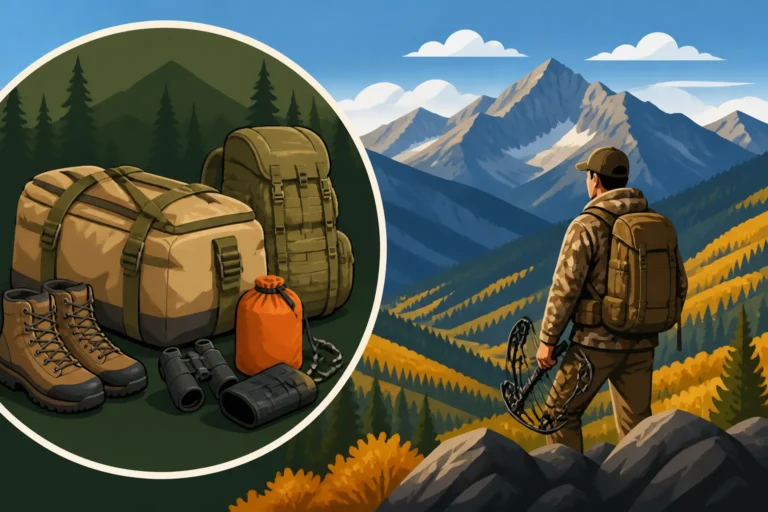
Colorado’s mountains are beautiful but unforgiving. Your gear needs to stand up to varied weather and rugged terrain. Essential items include high-quality layered clothing suitable for drastic temperature swings (think cold mornings, warm afternoons, and potential snowstorms), durable waterproof hiking boots, and a reliable backpack capable of hauling meat out. Optics are non-negotiable: good binoculars, a spotting scope, and a rangefinder are vital for locating elk and judging distances in vast landscapes. A reliable headlamp, first-aid kit, water filter, and emergency shelter are also must-haves. Many hunters underestimate the amount of water they’ll need, or how quickly weather can change.
For archery hunters, a reliable bow setup, sharp broadheads, and practice, practice, practice at varying distances and angles are critical. Rifle hunters need to ensure their rifle is sighted in, and they are proficient at shooting uphill and downhill. Don't forget game bags for packing out meat, a sharp knife, and paracord. Always have a way to communicate, whether it's a satellite messenger like a Garmin inReach or a reliable two-way radio system if hunting with a partner. For a comprehensive list, check out our Colorado Backcountry Hunting Gear List.
Physical and Mental Conditioning
Elk hunting in Colorado is physically demanding, especially during the rut when you might be covering significant ground at high elevations. You'll be climbing steep slopes, navigating uneven terrain, and potentially packing out hundreds of pounds of meat. Training beforehand is not optional; it’s essential. Focus on cardiovascular fitness, strength training (especially legs and core), and hiking with a weighted pack. Simulate hunting conditions as much as possible by hiking steep trails. Altitude training for Colorado hunting can also make a huge difference, particularly if you’re coming from sea level.
Beyond the physical, mental fortitude is equally important. Elk hunting can be tough. You'll face disappointment, bad weather, long days without seeing animals, and the sheer exhaustion of the mountains. Develop patience, resilience, and a positive mindset. The ability to push through discomfort and maintain focus when tired can be the difference between success and failure. Don't let a few silent mornings or bad weather days break your spirit. The elk are out there, and your mental game needs to be as strong as your physical one.
Navigating Public Land Pressure During the Rut
Colorado is renowned for its public land hunting opportunities, but during the rut, especially in OTC (Over-The-Counter) units, this can mean significant hunter pressure. Learning to mitigate this is crucial for success.
Finding Unpressured Areas and Elk
When everyone else is chasing bugles along accessible trails and roads, the smart hunter looks for the road less traveled – or, better yet, no road at all. Elk, especially mature bulls, are incredibly sensitive to pressure. They will quickly move into the thickest, nastiest, steepest, or most remote cover they can find. This means you need to be willing to go where others aren't. Scout for wilderness areas, large blocks of roadless national forest, or any terrain that makes access difficult. Use mapping apps like those from GoHunt to identify private land boundaries, inaccessible pockets of public land, and areas that require significant effort to reach. These are often the true sanctuaries for elk.
Think about elevation and aspect as well. While elk might use open parks to feed at night, they will often retreat to north-facing slopes with dense timber for bedding and security during the day, especially if pressured. Learning how to move quietly through these areas and being persistent can pay off. It might mean a longer hike, a tougher climb, or navigating through dense blowdowns, but those are precisely the places where other hunters turn back, and where the elk feel safe enough to stick around. Our guide on How to Hunt Elk on Public Land Pressure dives deeper into these strategies.
Strategies for High-Pressure Units
Hunting in high-pressure units, particularly during archery or the early rifle seasons when the rut is active, requires a different approach. Forget trying to compete with every bugle you hear. Instead, focus on being a "silent assassin." This means using the pressure to your advantage. Other hunters, moving through an area, can inadvertently push elk towards you. Position yourself strategically along known escape routes, saddles, or benches that elk will use to move between drainages when pressured. Think of it like being a predator waiting for the prey to be pushed your way.
Moreover, consider hunting during the middle of the day. Many hunters call it quits mid-morning or don't start until mid-afternoon. Elk often move between bedding and feeding areas, or simply relocate to avoid pressure, throughout the day. By staying vigilant and quietly covering ground during these "off" hours, you might intercept an elk that is on the move. Also, consider calling less or using softer, more subtle calls that won't attract other hunters, but might still pique a curious bull's interest. It's about being smarter, not necessarily louder, than the competition.
Disclaimer
Hunting is an inherently dangerous activity. Always prioritize safety, follow all local, state, and federal hunting regulations, and obtain the necessary licenses and permits. The information provided in this guide is for informational purposes only and does not constitute professional advice. Always exercise good judgment, be prepared for emergencies, and respect wildlife and the environment.