Colorado GMU 54 Hunting Guide
Choosing the right hunting unit in Colorado can feel like deciphering a secret code, leaving many hunters overwhelmed and unsure where to even start, especially when facing limited time and resources. This comprehensive guide is designed to cut through the confusion and provide you with detailed insights into Colorado's Game Management Unit (GMU) 54, helping you understand its unique characteristics, navigate its terrain, and develop effective strategies for a successful hunt.
Getting to Know Colorado GMU 54
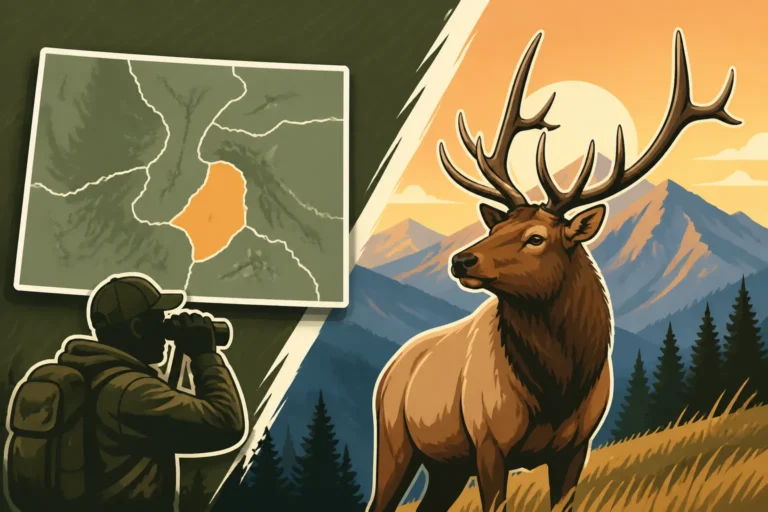
GMU 54, nestled in the central-western part of Colorado, is often a unit that piques interest for its diverse landscape and solid opportunities for both elk and mule deer. It's largely defined by the majestic Gunnison National Forest, offering hunters a mix of high-country basins, dense timber, aspen groves, and sagebrush parks. For many, GMU 54 represents a quintessential Colorado hunting experience, with plenty of public land to explore and a challenging but rewarding environment.
Geography and Terrain of GMU 54
GMU 54 covers a significant area, primarily south of the town of Gunnison, extending roughly from the West Elk Wilderness to the east, and bordered by the Curecanti National Recreation Area and the Black Canyon of the Gunnison National Park to the south. The terrain is incredibly varied, ranging from sagebrush flats and rolling foothills at lower elevations, around 7,000-8,000 feet, to steep, rugged mountains that climb well above 12,000 feet. You’ll encounter deep canyons, open parks, and thick stands of dark timber. This mosaic of habitats means animals can utilize different areas depending on the season, weather, and hunting pressure. The unit is crisscrossed by numerous drainages and includes parts of several mountain ranges, such as the West Elk Mountains and parts of the Fossil Ridge Wilderness Area. Understanding the geography is crucial, as the animals move between these varied landscapes throughout the year.
Public and Private Land Access in GMU 54
One of the great advantages of GMU 54, especially for DIY hunters, is the substantial amount of public land. The vast majority of the unit falls within the Gunnison National Forest, meaning abundant opportunities for public access. However, like many Colorado GMUs, there are also interspersed parcels of private land, particularly in the lower valleys and around ranching operations. Navigating these land boundaries is paramount for a legal and ethical hunt. This is where tools like onX Hunt truly shine; they are invaluable for quickly identifying public and private land boundaries in real-time, preventing accidental trespasses that can quickly sour a hunting trip. Always double-check your maps and be aware of your surroundings, especially when hunting close to agricultural areas or established ranches. Access points vary, with some areas having well-maintained forest service roads, while others require hiking into true wilderness.
Strategies for Elk Hunting in GMU 54
Elk hunting in GMU 54 can be incredibly rewarding, but it demands both physical preparedness and a smart strategy. The unit hosts a healthy elk population, but these animals are not easily found, especially as pressure increases.
Elk Behavior and Population Trends
Elk in GMU 54 are typical mountain elk: they move with the seasons, seeking high-elevation summer ranges in the alpine basins and timberline areas. As hunting pressure mounts and snow begins to fall in the shoulder seasons and during later rifle seasons, they often migrate to lower, often thicker, south-facing slopes, or move onto private land if available. The current elk population in GMU 54 is generally considered stable, with good bull-to-cow ratios, offering decent draw odds for specific tags, though Over-the-Counter (OTC) opportunities have become more limited or restricted in Colorado. You'll want to review the latest Colorado Parks and Wildlife (CPW) harvest reports and population objective data for GMU 54 to get the most up-to-date information on herd health and success rates. These reports, often found through resources like GoHunt, provide critical insights into where elk are being harvested and general population trends.
Seasonal Tactics and Preferred Habitats
Hunting methods for Colorado elk vary significantly by season.
Archery Season Tactics
During the early archery season (late August to late September), elk are often still in their higher-elevation summer range. This is the time of the rut, when bulls are vocal and active, making it a prime period for calling. Focus your efforts on high-country basins, timbered slopes, and saddles between feeding and bedding areas. You might find elk near wallows or natural springs, especially in dry years. Early mornings and late evenings are key, but during the rut, bugles can be heard throughout the day. When considering your approach, you might find valuable insights in our guide on How to Bugle-Locate a Colorado Bull and How to Set Up on a Bugling Elk. The key here is stealth and patience, often requiring you to get deep into the backcountry, where human presence is minimal.
Rifle Season Strategies
Rifle seasons bring increased hunter pressure, which invariably pushes elk into thicker cover and more secluded areas. During the first rifle season, usually mid-October, elk may still be somewhat responsive to calling, especially if the tail end of the rut lingers or if a cold front stimulates activity. By the second and third rifle seasons, elk are often seeking refuge in dense timber, especially north-facing slopes, where they feel secure. This is where still-hunting becomes incredibly effective. Slowly slip through the dark timber, pausing often to scan and listen. Focus on benches, saddles, and travel corridors between bedding areas and traditional feeding grounds. Later rifle seasons, particularly the fourth, can coincide with significant snow, pushing elk to lower elevations and south-facing slopes, often leading to migration patterns. This is when hunting migration corridors can be very productive. Be prepared for harsh weather conditions, as late-season hunts can bring significant challenges.
Muzzleloader Season and Late Season Hunts
Muzzleloader season, typically in mid-September, falls right in the heart of the rut, much like archery. The tactics are similar, but the muzzleloader’s shorter range and single-shot nature demand even greater stealth and shot placement. For those considering late-season cow elk tags, often available through specific draws or as leftover licenses, focus shifts to finding larger herds as they congregate on winter range. These hunts can be excellent for filling the freezer, but identifying public land access to these wintering grounds is crucial, as many lower elevations transition into private property. A solid understanding of Colorado Muzzleloader Hunting Guide will be beneficial for those opting for this method.
Hunting Mule Deer in GMU 54
While GMU 54 is renowned for its elk, it also offers strong opportunities for mule deer, especially if you understand their habits and preferred habitats.
Mule Deer Populations and Habitat Preferences
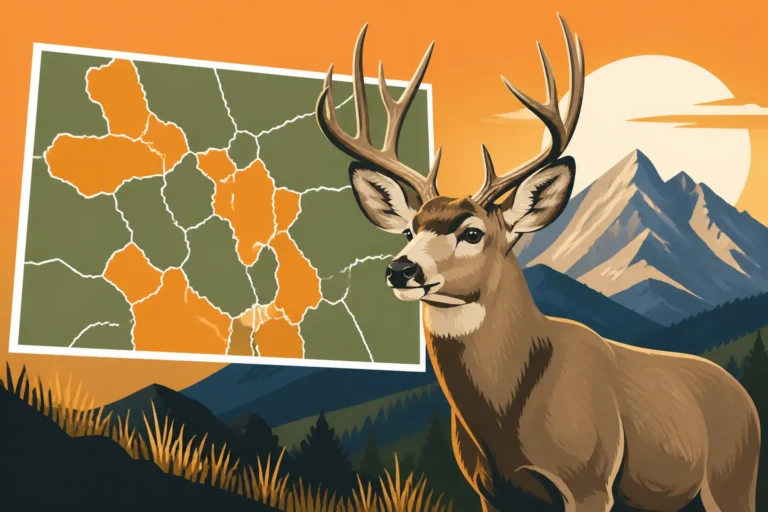
GMU 54 supports a healthy mule deer population, though like many areas in Colorado, deer numbers have seen fluctuations over the years. CPW data indicates that the unit generally has good numbers of bucks, and for hunters willing to put in the effort, trophy potential exists. Mule deer in GMU 54 utilize similar high-country summer ranges as elk, often found in alpine meadows, above timberline, and on steep, rocky slopes during the warmer months. As fall progresses and snow begins to fall, they typically migrate to lower elevations, favoring sagebrush hillsides, bitterbrush, and pinyon-juniper zones. They are often found browsing on aspens, serviceberry, and mountain mahogany. Knowing where to find these food sources at different elevations is key. Our Colorado Mule Deer Hunting Guide offers more general strategies applicable here.
Effective Seasonal Tactics for Mule Deer
Hunting mule deer successfully in GMU 54 requires adapting your approach to their seasonal movements and the specific habitat they prefer.
Archery Mule Deer Tactics
Archery season for mule deer in GMU 54 often overlaps with the early part of elk season. During this time, look for bucks in their summer bachelor groups, high in the open country, above timberline, or on steep, north-facing slopes offering cover and cool temperatures. Spot-and-stalk is the most effective method here. Spend hours glassing open basins and ridgelines at first light and last light, using high-quality optics to locate bedded bucks. Once spotted, a careful and patient stalk is necessary, often requiring significant physical exertion and careful attention to wind direction.
Rifle Season Mule Deer Hunting
Rifle seasons are popular for mule deer. Early rifle seasons (like the 1st rifle) may still find bucks scattered across mid to high elevations. As the later rifle seasons approach (2nd, 3rd, and especially 4th), bucks are often pushed down by snow and hunter pressure. The rut for mule deer typically peaks in mid to late November, often aligning with the 4th rifle season or later. This can make the 4th season particularly desirable for targeting mature bucks as they become more active and less wary, following does. Focus on areas with good cover near sagebrush flats, pinyon-juniper benches, and south-facing slopes where snow melts off quickly, revealing forage. Glassing vast areas from a vantage point, then moving in on spotted animals, is a classic and effective strategy for mule deer in GMU 54.
Navigating GMU 54 and Essential Considerations
Hunting in GMU 54, like any extensive mountainous terrain, comes with its own set of logistical challenges and crucial considerations. Proper planning and preparation can make all the difference.
Roads, Trail Systems, and Wilderness Areas
GMU 54 is well-served by a network of Forest Service roads, some of which are well-maintained, while others can be rough and require a high-clearance 4×4 vehicle. Many roads are closed seasonally, particularly at higher elevations, due to snow or to protect wildlife. Always check with the Gunnison National Forest office for current road conditions and closures before heading out. Beyond the roads, numerous trail systems lead into the deeper backcountry and the designated wilderness areas within GMU 54, such as portions of the West Elk Wilderness and Fossil Ridge Wilderness. In these areas, motorized vehicles and mechanized transport (like bicycles) are prohibited, meaning you'll be on foot or horseback. This offers a true backcountry experience but demands a higher level of fitness and self-sufficiency. Our guide on Colorado Backcountry Hunting Guide provides more detail on this type of hunt.
Hunter Pressure and Finding Solitude
As a relatively accessible unit with good populations, GMU 54 can experience significant hunter pressure, especially during the more popular rifle seasons. Many hunters stick close to roads and established trailheads. To escape the crowds and find undisturbed animals, you absolutely must be willing to hike further and get off the beaten path. Look for roadless areas, steep terrain, and areas that require a significant elevation gain to reach. This often means packing in for several days or establishing a spike camp deep in the wilderness. The rewards for this effort are often greater solitude and a higher chance of encountering less pressured animals.
Essential Gear and E-Scouting
Packing the right gear is non-negotiable for a Colorado hunt. Beyond the obvious rifle/bow and ammunition, consider layered clothing for rapidly changing mountain weather, quality rain gear, a reliable headlamp, first-aid kit, and enough food and water. Good optics – binoculars, spotting scope, and a rangefinder – are crucial for glassing vast expanses. For foot travel, sturdy, broken-in Best Boots for Colorado Elk Hunting are paramount, as you'll be covering miles of steep, uneven terrain. A capable Best Backpack for a Colorado Elk Hunt is essential for carrying your gear and, hopefully, packing out meat.
E-scouting is a game-changer for GMU 54. Before you even set foot in the unit, spend hours on your computer using mapping software like onX Hunt or GoHunt. These platforms allow you to:
- Identify public/private land boundaries.
- Pinpoint potential bedding areas (thick north-facing timber, dark timber).
- Locate feeding areas (open parks, aspen groves, sage flats).
- Trace water sources (springs, creeks, wallows).
- Map out travel corridors (saddles, ridges, benches).
- Mark potential glassing points and escape routes for animals.
- Identify trail systems and road access.
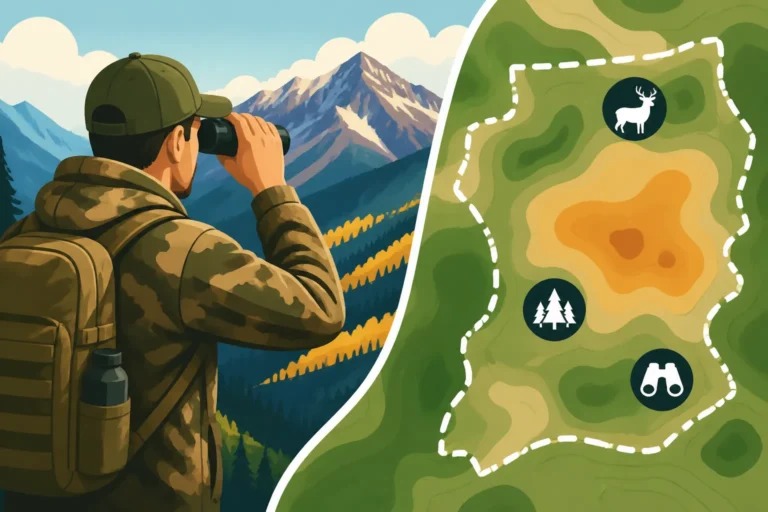
By thoroughly e-scouting, you can arrive in the unit with a well-developed plan, saving precious hunting time and increasing your efficiency. Many hunters also find success by cross-referencing e-scouting with CPW's interactive maps and historical harvest data for GMU 54.
Understanding Colorado Regulations and Hunt Codes
Before planning your hunt in GMU 54, thoroughly familiarize yourself with Colorado's hunting regulations. Regulations change, and it's your responsibility to know the current rules. Pay close attention to unit-specific rules, season dates, antler point restrictions (APRs) if applicable, and legal methods of take. Ensure you understand the hunt codes for the specific tag you're pursuing, whether it's an elk or mule deer tag. Applying for a Colorado Hunting License and understanding the Colorado Draw System and Preference Points are fundamental steps. This isn't just about legality; it's about respecting the game and the land.
Summary of GMU 54 Hunting Opportunities
GMU 54 presents a diverse and challenging hunting experience for both elk and mule deer. Its vast public lands, varied terrain, and healthy animal populations make it a compelling choice for many hunters. While success isn't guaranteed, diligent e-scouting, physical preparation, and an adaptable hunting strategy will significantly increase your odds. Remember, the mountains are unforgiving, so always prioritize safety, inform others of your plans, and be prepared for anything Mother Nature throws your way.
| Species | Primary Habitat | Key Season | General Strategy | Key Challenges |
|---|---|---|---|---|
| Elk | High-country basins, dense timber, aspen groves | Archery, 2nd & 3rd Rifle | Calling (rut), still-hunting dark timber, migration routes | High pressure, physical demands, thick cover |
| Mule Deer | Alpine meadows, sagebrush flats, pinyon-juniper | Archery, 4th Rifle | Spot-and-stalk, glassing, hunting rutting bucks | Scattered populations, pressure, weather |
Disclaimer
Please remember that hunting regulations, seasons, and unit boundaries can change. Always consult the most current Colorado Parks and Wildlife (CPW) regulations and official GMU maps before planning any hunt. This guide provides general information and should not be considered a substitute for official resources.