How Many Elk Are in Colorado
The challenge of planning a Colorado elk hunt often starts with a fundamental question: where are the elk, and how many are there? It can feel overwhelming trying to navigate the vast landscapes and decipher conflicting reports on herd numbers. This comprehensive guide will pull back the curtain on Colorado's elk population, explain how these magnificent animals are managed, and clarify what these numbers truly mean for your hunting strategy, whether you're a seasoned veteran or planning your first trip to the high country.
The Current State of Colorado's Elk Population
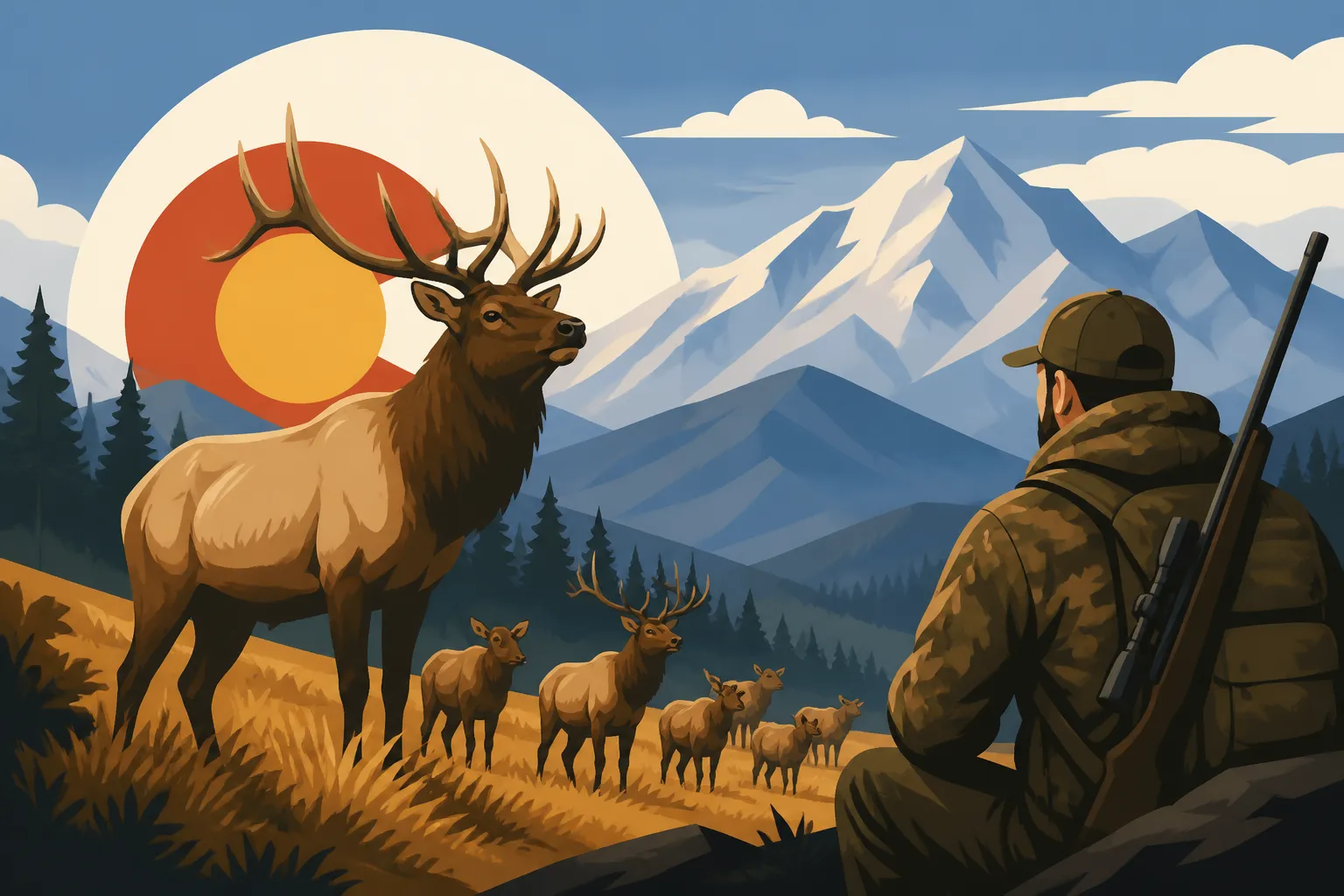
Colorado consistently holds the title for the largest elk population in North America, a fact that draws thousands of hunters to its mountains and forests each year. While exact figures fluctuate due to natural cycles, environmental factors, and wildlife management efforts, the sheer scale of the herds here is impressive. It’s no wonder so many dream of chasing wapiti in the Centennial State.
Overall Population Numbers and Trends
Colorado Parks and Wildlife (CPW) actively monitors the state's elk herds, typically estimating populations well over 280,000, sometimes even pushing past 300,000 individuals. These numbers are a testament to successful conservation and management strategies over decades. However, it's not a static number; populations ebb and flow. Factors like severe winters can lead to higher calf mortality, while abundant forage and mild conditions can see numbers climb. For example, some years ago, the population might have been around 290,000, while in others, it might dip slightly or rebound strongly. It's a living, breathing ecosystem, and elk numbers reflect that dynamic reality.
What's important for hunters to grasp is that while the overall number remains robust, local trends can vary significantly. Some Game Management Units (GMUs) might see stable or increasing numbers, offering excellent opportunities, while others could experience slight declines or shifts in distribution. Keeping an eye on CPW's annual reports and projections, often found within their hunting season brochures, is crucial for understanding these nuances. Websites and tools like GoHunt often aggregate this data, helping hunters analyze draw odds and herd objectives across different units.
Factors Influencing Herd Health
The health and size of Colorado's elk herds are influenced by a complex interplay of environmental factors, predator-prey dynamics, and human activity. Understanding these elements can give you a deeper appreciation for the resilience of these animals and help you anticipate their movements.
One of the most significant factors is habitat quality and availability. Elk thrive in diverse landscapes that offer a mix of open meadows for grazing, dense timber for cover, and reliable water sources. Areas with abundant high-quality forage, particularly after a wet spring, tend to support healthier and more numerous elk. Conversely, prolonged drought or widespread wildfires can degrade habitat, reducing food sources and forcing elk to move to new areas or face increased stress. For example, massive wildfires in areas like the White River National Forest can temporarily displace large numbers of elk, altering historical migration patterns until the habitat recovers. This is why knowing how to find elk when they go quiet is such a valuable skill.
Predation by mountain lions, black bears, and even wolves (though wolf populations are currently small and localized in Colorado) also plays a role, especially in calf survival. While predation is a natural part of the ecosystem, managers monitor these interactions to ensure that predator numbers don't disproportionately impact elk recruitment. Harsh winter conditions, particularly deep snow and prolonged cold snaps, can also significantly impact herd health, leading to increased mortality, especially among calves and older animals. These environmental pressures are constantly at play, creating a dynamic backdrop to Colorado's elk hunting seasons.
How Colorado Parks and Wildlife Manages Elk Herds
Managing the largest elk population in North America is no small feat. Colorado Parks and Wildlife (CPW) employs a rigorous, science-based approach to ensure the long-term health and sustainability of these iconic herds, while also providing ample hunting opportunities. Their strategies are designed to balance ecological well-being with recreational demands.
Data Collection and Monitoring Methods
At the heart of CPW's management strategy is comprehensive data collection. This isn't just guesswork; it's a dedicated effort involving various methods to accurately assess elk populations. One primary technique is aerial surveys, where biologists fly over specific GMUs in helicopters or fixed-wing aircraft to count elk. These surveys are often conducted in late winter when snow cover makes elk more visible and they're typically concentrated on winter ranges. The data collected from these surveys helps CPW estimate herd size, sex ratios (bulls to cows), and calf ratios (calves to cows), which are critical indicators of herd health and reproductive success.
Beyond aerial surveys, CPW also uses remote sensing technology, trail cameras, and citizen science programs to gather additional data. They also rely heavily on hunter harvest reports, which provide valuable information on hunter success rates, game taken, and hunter effort within specific units. All of this information is fed into sophisticated population models, allowing CPW to forecast future herd trends and make informed decisions about management. Understanding these methods gives you insight into why draw odds and tag allocations change from year to year. If you're planning a trip, exploring resources like the Colorado Hunting Atlas Explained can give you a better grasp of the tools available for researching specific areas.
Tag Allocation and Season Structures
The data collected directly influences CPW's tag allocation and season structures, which are meticulously designed to achieve specific population objectives for each GMU. Each unit has a "herd objective" – a target population range that CPW aims to maintain. If a herd is above its objective, CPW might issue more cow tags to reduce the population. If it's below, they might reduce tag numbers to allow the herd to grow. This precise control is why Colorado's draw system and preference points are so important for hunters.
Colorado offers a variety of hunting seasons, including archery, muzzleloader, and four distinct rifle seasons, each with specific rules and tag types. Many tags are distributed through a limited draw system, requiring hunters to accumulate preference points for highly sought-after units. However, Colorado also offers over-the-counter (OTC) tags for specific seasons and GMUs, primarily for antlered elk during archery and some rifle seasons. These OTC tags are immensely popular, especially for non-residents looking to experience a Western elk hunt without years of building points. You can learn more about these options in the guide to Colorado OTC Elk Tags Explained. The structure of these seasons and the allocation of tags are directly tied to population management, ensuring that hunting pressure is distributed in a way that sustains the herds.
Understanding Regional Elk Densities
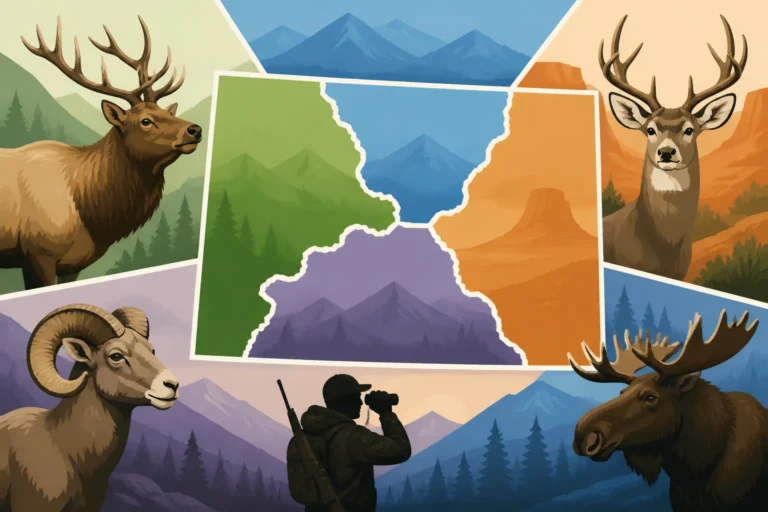
While Colorado boasts a massive statewide elk population, it's critical to understand that these animals aren't uniformly distributed across the entire state. Elk densities vary wildly from one region to another, and even within specific GMUs. This localized understanding is perhaps the most crucial piece of information for any hunter looking to fill a tag.
High-Density vs. Lower-Density Areas
When we talk about high-density elk areas in Colorado, most hunters immediately think of the northwestern part of the state, particularly within the vast expanse of the White River National Forest. GMUs like 12, 23, and 24 are legendary for harboring some of the largest concentrations of elk in the world. These areas often support tens of thousands of elk, making them a magnet for both resident and non-resident hunters. The sheer number of animals means more opportunities for encounters, though it often comes with increased hunter pressure. These units are frequently associated with over-the-counter opportunities or require fewer preference points for certain tags compared to more exclusive trophy units. For hunters prioritizing a chance to harvest an elk, these high-density areas, even with more competition, can be very appealing.
Conversely, there are many lower-density areas throughout Colorado. These might include regions in the Sangre de Cristo Mountains, parts of the eastern Front Range foothills, or areas where habitat is more fragmented or less productive. In these units, you might find fewer elk per square mile, and the hunting experience often shifts. Instead of encountering numerous small groups, you might be looking for more solitary bulls or smaller, widely dispersed cow herds. These areas can sometimes offer a more solitary hunting experience, away from the crowds, but they demand a different set of scouting and hunting skills. Finding success here often means dedicating more time to scouting, learning the intricacies of local elk movements, and being prepared to cover a lot of ground in search of those scattered animals. You can explore some of the Best GMUs for Elk Hunting in Colorado to get a better idea of how these densities play out in specific areas.
Impact of Habitat and Terrain
The primary driver behind these regional density differences is, without a doubt, habitat and terrain. Elk are creatures of habit and prefer landscapes that meet their specific needs for survival throughout the year. Areas with rich, diverse vegetation, including aspen groves, conifer forests, and open meadows, provide both food and cover. Water sources are another critical component; elk will always be found near reliable water.
For example, the deep timber and expansive wilderness areas of the Flat Tops Wilderness or the San Juan Mountains offer ideal summer range, providing lush feed and seclusion. As seasons change, elk will migrate to lower elevations or areas with better forage and less snow, such as south-facing slopes. Areas with complex terrain—steep canyons, hidden benches, and dark timber—offer security from predators and hunters, allowing elk to thrive. These are often the places where elk seek refuge, especially when hunting pressure increases. Knowing how to hunt elk in the dark timber or understand how to use thermals in Colorado elk country can be key to finding success in these environments. Using mapping applications like those offered by GoHunt or onX Hunt to analyze terrain, vegetation, and access points is invaluable for predicting where elk will be concentrated within any given unit.
Estimated Colorado Elk Population by Region (Illustrative)
| Region (General) | Key GMUs (Examples) | Estimated Population Range | General Density | Typical Terrain |
|---|---|---|---|---|
| Northwest (White River) | 12, 23, 24, 33 | 50,000 – 70,000+ | High | Dense timber, aspens, high plateaus, wilderness |
| Southwest (San Juans) | 74, 76, 77, 78 | 30,000 – 45,000 | Medium-High | Rugged mountains, steep canyons, high basins |
| Central Mountains (Gunnison) | 54, 55, 66 | 20,000 – 30,000 | Medium | Mixed forests, open parks, moderate to steep |
| North Central (Routt/Arapaho) | 18, 28, 161, 171 | 15,000 – 25,000 | Medium | Forested slopes, sagebrush parks |
| South Central (Sangre de Cristos) | 84, 86 | 5,000 – 10,000 | Low-Medium | Very rugged, high elevation, more sparse |
Note: These numbers are illustrative and fluctuate annually based on CPW's latest survey data and herd objectives.
What Elk Numbers Mean for Hunters
For you, the hunter, knowing "how many elk are in Colorado" isn't just a fun fact; it's a foundational piece of information that directly impacts your hunt planning, expectations, and strategies. The size and distribution of the herds dictate everything from tag availability to how you approach your time in the field.
OTC vs. Draw Tag Opportunities
The sheer number of elk in Colorado is precisely why the state can still offer significant over-the-counter (OTC) hunting opportunities, particularly for archery and some rifle seasons. For many, especially non-residents eager to experience a Western elk hunt, an OTC tag is the most accessible route. These tags are primarily for either-sex elk during archery season or antlered elk during second and third rifle seasons in designated GMUs. The abundance of elk in these areas allows CPW to issue a higher volume of tags without jeopardizing herd health. This means a new hunter can often get a tag without years of collecting preference points, making it an excellent entry point into the world of Colorado DIY Elk Hunting Guide.
However, it's a common misconception that high elk numbers equate to easy hunting. While the potential for encountering elk is higher in OTC units, these areas also typically experience much greater hunter pressure. You might be hunting shoulder-to-shoulder with other hunters, especially on accessible public land. This often pushes elk into thicker cover or more remote areas, demanding greater effort and persistence. In contrast, drawing a limited tag in a lower-density unit might mean fewer elk overall, but also significantly less hunter pressure, potentially leading to a higher quality hunt experience if you can locate those elusive animals. Understanding the nuances of the Colorado Draw System and Preference Points is essential for those seeking specific units or trophy opportunities.
Strategies for Finding Elk in Varied Populations
Regardless of whether you're chasing elk in a high-density OTC unit or a drawn tag area, the population numbers dictate your approach. In high-density units, like those within the White River National Forest, your strategy might focus more on finding pockets of unpressured elk. This often means moving deeper into the backcountry, away from roads and popular trailheads, or hunting during less conventional hours. You'll want to focus on areas that offer security cover, steep terrain, or hidden basins that other hunters overlook. Knowing how to hunt elk on public land pressure is crucial here. Early season archery hunters might focus on water sources or wallows, while rifle hunters might prioritize travel corridors between bedding and feeding areas.
In lower-density areas, your strategy shifts from avoiding crowds to maximizing your chances of finding any elk at all. This often involves extensive e-scouting with tools like GoHunt, focusing on historical movement patterns, identifying key habitat features, and being prepared to cover vast amounts of ground. You'll need to rely more heavily on glassing techniques, especially in open country, and be meticulously careful about scent control and moving quietly. Understanding Colorado Elk Behavior During the Rut or How to Call Elk in Colorado can be especially effective when you're working with fewer animals, as even a single bull's bugle can guide you to a hidden herd. Ultimately, the best strategy always aligns with the specific characteristics of the unit and the elk population within it.
The Long-Term Outlook for Colorado's Elk Herds
The future of Colorado's elk population is a topic of constant discussion among hunters, conservationists, and wildlife managers. While the state currently boasts robust numbers, maintaining these healthy herds for future generations requires ongoing vigilance and adaptive management strategies.
Conservation Efforts and Challenges
Colorado Parks and Wildlife, along with numerous conservation organizations, is deeply committed to ensuring the long-term health of the state's elk herds. These efforts include ongoing habitat improvement projects, such as prescribed burns to enhance forage, riparian zone restoration to improve water quality, and strategic land acquisitions to preserve critical winter range and migration corridors. The health of the habitat directly correlates with the ability of elk to thrive, and these proactive measures are vital.
However, significant challenges loom. Increasing human population growth in Colorado, coupled with continued development, leads to habitat fragmentation and loss. As towns expand, roads are built, and recreational use of public lands intensifies, elk face greater pressure and displacement from their traditional ranges. Climate change also presents an evolving threat, potentially altering vegetation patterns, water availability, and the frequency of extreme weather events like prolonged droughts or severe winters. Disease, such as Chronic Wasting Disease (CWD), is another concern, with CPW continuously monitoring its prevalence and impact on local herds. These complex challenges require collaborative solutions and careful planning to mitigate their effects on Colorado's cherished elk populations.
How Hunters Contribute to Sustainable Management
Hunters play an absolutely critical role in the sustainable management of Colorado's elk herds, often more than they realize. First and foremost, the revenue generated from hunting licenses, tags, and excise taxes on hunting equipment (through the Pittman-Robertson Act) directly funds CPW's wildlife management, research, and conservation programs. Without hunters, the financial engine for much of this work would simply disappear.
Beyond financial contributions, hunters are essential for population control. By harvesting elk according to CPW's carefully determined tag allocations, hunters help keep herd numbers within ecological carrying capacities. This prevents overgrazing of vegetation, reduces disease transmission, and maintains healthy sex and age ratios within the herds. When hunters report their harvest, whether it's through mandatory check-ins or online submissions, they provide invaluable data that CPW uses to refine its population models and future tag allocations. This feedback loop is crucial for adaptive management. Therefore, every hunter who buys a license and follows the regulations is a direct participant in ensuring that Colorado's elk herds remain abundant and healthy for generations to come. It’s a partnership that's essential for the future of Colorado Elk Hunting Guide as we know it.
Disclaimer
Please remember that hunting regulations, season dates, and specific elk population estimates can change annually. Always consult the official Colorado Parks and Wildlife (CPW) website and current year's hunting brochures for the most up-to-date and accurate information before planning any hunt. This guide is for informational purposes only.