How Big Are Colorado Elk
Every hunter who's ever dreamed of an elk hunt in the Rockies has probably pictured it: a massive bull, bugling across a canyon, its antlers catching the morning sun. But how big are these majestic creatures, really? It’s a question that weighs on the minds of many, from first-time hunters to seasoned veterans, often leading to a mixture of awe and practical considerations about recovery. This guide dives deep into the true dimensions of Colorado elk, helping you understand their impressive size, how their antlers develop, and what factors contribute to their overall grandeur.
The Impressive Stature of Colorado Elk
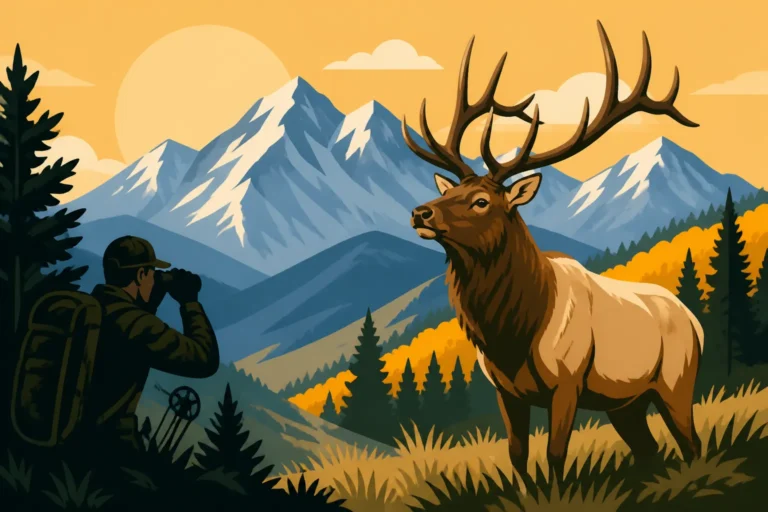
When we talk about elk in Colorado, we're primarily referring to the Rocky Mountain elk (Cervus canadensis nelsoni), one of the largest subspecies in North America. These animals are built for the rugged, high-country terrain they call home, possessing a robust frame and powerful musculature. Seeing one up close, or even just its tracks, gives you an immediate sense of their sheer scale.
Body Weight and Dimensions
The first thing most people want to know is, "How much do they weigh?" And the answer, as with many things in nature, is "it depends!" However, we can talk about some impressive averages. A mature bull elk in Colorado is a truly substantial animal. On average, adult bulls typically weigh between 700 to 900 pounds, but it's not uncommon for truly large, older bulls in prime condition to tip the scales at over 1,000 pounds. Imagine that, a ton of animal moving through the timber! This significant body mass is what allows them to withstand the harsh Colorado winters and dominate their environment.
Cows, while still large, are generally smaller than their male counterparts. A mature cow elk usually weighs in the range of 500 to 600 pounds, with some reaching up to 700 pounds. Even a cow can be a formidable animal to handle in the field, making quartering and packing out a physically demanding task. Beyond weight, these animals stand tall, with adult bulls reaching about 55-60 inches (around 4.5 to 5 feet) at the shoulder. Their body length, from the nose to the tail, can extend anywhere from 7 to 10 feet. It’s a lot of animal, and understanding these dimensions is crucial for everything from shot placement to planning your pack out. If you're wondering how to manage that kind of load, you might want to read our guide on how to pack out an elk in Colorado.
Sexual Dimorphism in Size
The difference in size between male (bull) and female (cow) elk is a classic example of sexual dimorphism, a common trait among many big game species. This size disparity isn't just about weight; it encompasses overall bulk, muscle mass, and even bone structure. Bulls are visibly more muscular, with thicker necks and shoulders, especially during the rut when they are constantly sparring and bugling for dominance. This enhanced musculature serves them well in asserting their status and engaging in the often violent clashes that define the breeding season.
Cows, on the other hand, prioritize efficiency for reproduction and raising calves. While still powerful, their build is generally more streamlined. Their primary role in the herd is to calve and nurture the young, and their smaller size, relative to bulls, might actually be an advantage in conserving energy, particularly when navigating deep snow or foraging efficiently. When you're out in the field, this difference is usually quite apparent, even at a distance. If you're targeting a specific sex, understanding these visual cues is key. For more on this, check out our piece on Colorado Bull Elk vs Cow Elk Tags.
Understanding Antler Growth and Scoring
While body size is certainly impressive, it's the antlers of a bull elk that truly captivate most hunters. These magnificent bone structures are a testament to the bull's health, age, and genetic potential. They are grown and shed annually, a remarkable biological feat that showcases nature's incredible design.
Typical Antler Characteristics
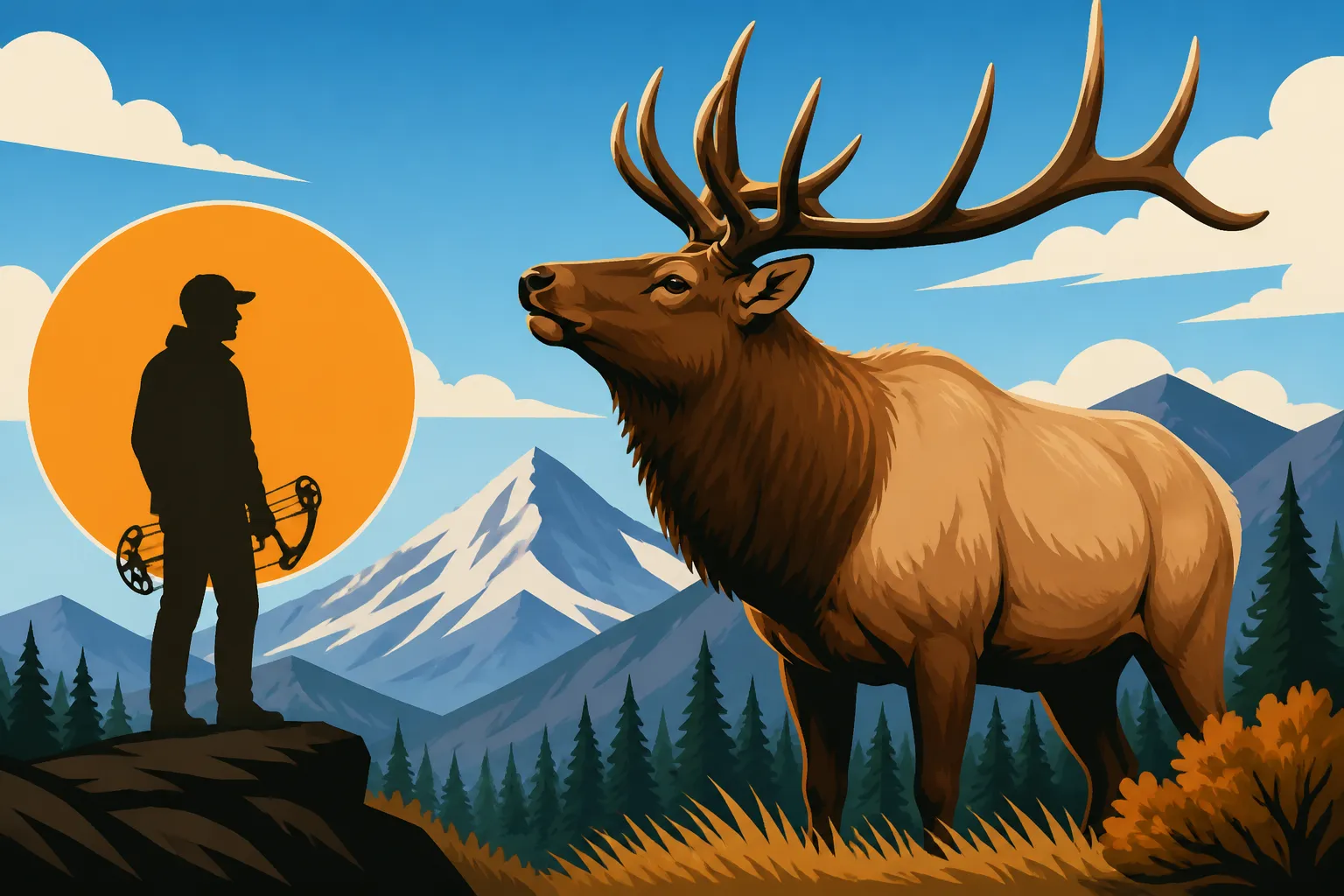
A mature bull elk's antlers are characterized by their massive main beams, often sweeping back over the shoulders, and a series of tines (points) projecting upwards. The most common configuration for a mature, desirable bull is a "6×6," meaning six points on each side. These points are specifically named: brow tines (or bez tines, the first points above the base), royal tines (or second tines), and then the main beam points. The largest point towards the rear is often called the "dagger" or "whale tail" for its impressive length and curvature.
Antler spread can vary significantly, but a wide bull can have an outside spread exceeding 5 feet. The sheer mass of the antlers, particularly at the bases, also contributes to their visual impact and, of course, their score. Healthy, mature bull elk in good habitat will typically exhibit thick, heavy antlers with good length and symmetry. Early in the season, when bulls are still in velvet, the antlers look soft and fuzzy, but as the season progresses, they shed the velvet, revealing hard, polished bone.
The Basics of Boone & Crockett Scoring
For many, the ultimate measure of an elk's antlers comes down to its Boone & Crockett (B&C) score, or for archery hunters, Pope & Young. This standardized scoring system evaluates antlers based on several criteria, including length of main beams, length of all individual tines, circumference measurements at various points along the beams, and the greatest spread. Symmetry is also a crucial factor, especially for "typical" scoring. Irregularities and abnormal points lead to deductions in typical scoring but can add to the overall score in the "non-typical" category.
Colorado is renowned for producing some truly enormous elk, consistently ranking among the top states for record-book animals. Hunters often use tools like the GoHunt Insider platform to research harvest data and trophy potential in specific GMUs before applying for a tag, trying to stack the odds in their favor for that once-in-a-lifetime bull. Understanding the B&C system helps hunters appreciate the nuances of antler development and gives them a framework for evaluating the trophy potential of a bull in the field. For a deeper dive into this, check out our guide on Colorado Elk Antler Scoring Explained.
Factors Influencing Elk Size in Colorado
It’s easy to look at a picture of a giant bull and wonder what made him so grand. The truth is, a complex interplay of environmental and genetic factors contributes to the ultimate size of a Colorado elk, both in terms of body mass and antler development.
Age, Genetics, and Nutrition
Three primary factors dictate how big an elk gets:
- Age: This is arguably the most critical factor. Elk, particularly bulls, continue to grow in body size and antler mass for many years. A bull typically reaches its peak antler potential between 8 to 12 years old. Younger bulls, while sporting impressive racks, usually haven't achieved the same mass or spread as their older counterparts. Cows also continue to gain body mass through their prime reproductive years.
- Genetics: Like all animals, elk inherit genetic traits from their parents. Some bloodlines simply have the genetic blueprint for larger bodies and more impressive antlers. Even in the best habitat, if the genetics aren't there, an elk won't reach those truly giant proportions.
- Nutrition: This is where the environment plays a huge role. Areas with abundant, high-quality forage rich in protein and minerals allow elk to grow larger bodies and produce healthier, larger antlers. Conversely, areas with poor forage, drought conditions, or high population densities can lead to stunted growth. Colorado's vast and diverse landscapes, from lush alpine meadows to productive lower-elevation shrublands, offer varying levels of nutritional support, which directly impacts the size and health of local elk herds. This is why some areas consistently produce bigger elk than others.
Habitat and Geographic Variations
Colorado’s diverse geography means that elk populations across the state can experience very different living conditions, which in turn affects their size.
- Habitat Quality: Areas with a rich mosaic of feed, cover, and water sources tend to support larger, healthier elk. Think about the productive valleys and high country of the Flat Tops Wilderness Area or the vast expanses of the White River National Forest. These regions provide ideal conditions for elk to thrive. Conversely, areas that have experienced extensive wildfires, habitat degradation, or are simply less productive naturally, might support elk that are smaller on average.
- Elevation and Climate: Elk inhabiting higher elevations often face harsher winters, which can impact their body condition and antler growth if winter range is limited. However, the summer range at high elevations can be incredibly lush, providing a compensatory boost. Lower elevation herds might have easier winters but could face more pressure from human development or less nutritious year-round forage. The specific combination of elevation, rainfall, and vegetation in a given hunting unit can profoundly influence the average size of the elk found there. For those looking to understand where these magnificent animals reside, our article on Colorado Elk Habitat and Elevation can be a great resource.
- Population Density: When elk populations are very high in a particular unit, it can lead to overgrazing and competition for resources. This competition can result in smaller body sizes and less impressive antlers across the board, simply because there isn't enough high-quality food to support so many large animals. Colorado Parks and Wildlife (CPW) actively manages herd sizes to balance ecological health with hunting opportunities, and hunters often rely on platforms like GoHunt for current population data and draw odds to find units with a good balance. If you are researching a hunt, you'll find that Colorado's best units for bull elk often have excellent habitat and well-managed populations.
Field Judging Elk Size: More Than Just Antlers
When you're out in the field, heart pounding, trying to make a quick decision about an elk, it’s not just about counting points. Field judging an elk's size involves evaluating its overall body mass, antler dimensions, and understanding how these elements combine to present a complete picture.
Estimating Body Mass in the Field
While antlers are often the focus, experienced hunters learn to size up an elk's body first. A truly large bull will have a deep chest, a heavy neck that seems to flow seamlessly into its shoulders (especially during the rut), and a substantial, blocky appearance. Compare it to other elk in the herd, if possible. A younger bull, even with decent antlers, might look "leggy" or less filled out in the body. A mature bull looks like a freight train on hooves.
When observing a bull, pay attention to its overall bulk. Are its legs disproportionately long compared to its body? Does its belly sag, or is it taut and muscular? These visual cues, combined with an understanding of the typical dimensions we discussed earlier, can help you estimate its body weight. This skill becomes even more crucial when trying to judge a cow elk, where antler size is not a factor. You’re looking for a broad chest, a solid midsection, and a healthy appearance, which usually indicates a mature animal that will provide a good amount of meat. This is also important to consider when thinking about your specific hunting method, as explained in Colorado Elk Hunting Methods Explained.
Common Misconceptions and Trophy Expectations
One of the biggest misconceptions new hunters have is solely focusing on the number of antler points. While a 6×6 is the gold standard, some 5x5s can be wider and heavier than small 6x6s. Similarly, mass and length of the tines and main beams contribute far more to a B&C score than just having an extra point or two. Hunters often develop "antler fever," where the sight of any rack can make the animal appear much larger than it truly is. Taking a moment to calm down, use your optics, and objectively assess the animal's features can prevent regret later.
Another common pitfall is underestimating the difficulty of finding and harvesting a truly "trophy" class bull, especially on public land. While Colorado has a robust elk population, and there are many opportunities for success, consistently finding animals in the 300"+ B&C class requires significant effort, scouting, and often, quite a bit of luck. GoHunt's data insights can certainly help you research units, but the mountains are full of surprises. It's often better to go into a hunt with realistic expectations, aiming for a healthy, mature animal, rather than solely fixating on a record-book bull, which can lead to passing up perfectly good opportunities. Learning how to judge a Colorado bull elk in the field is a skill honed over many seasons, but starting with a solid understanding of size dynamics is a great first step.
| Elk Type | Average Live Weight (lbs) | Average Shoulder Height (inches) | Typical Antler Spread (inches) | Antler Points (typical mature bull) |
|---|---|---|---|---|
| Bull Elk | 700 – 900 | 55 – 60 | 45 – 60 | 6×6 (12 total) |
| Cow Elk | 500 – 600 | 50 – 55 | N/A | N/A |
| Calf Elk | 100 – 200 | 30 – 40 | N/A | N/A |
This table provides a quick overview, but remember, individual variation is always present!
Disclaimer
Hunting is an inherently dangerous activity. The information provided in this guide is for informational purposes only and does not constitute professional advice. Always adhere to all local, state, and federal hunting regulations, obtain the necessary licenses and permits, and prioritize safety above all else. Hunt ethically, responsibly, and ensure you have the proper training and equipment before venturing into the field.