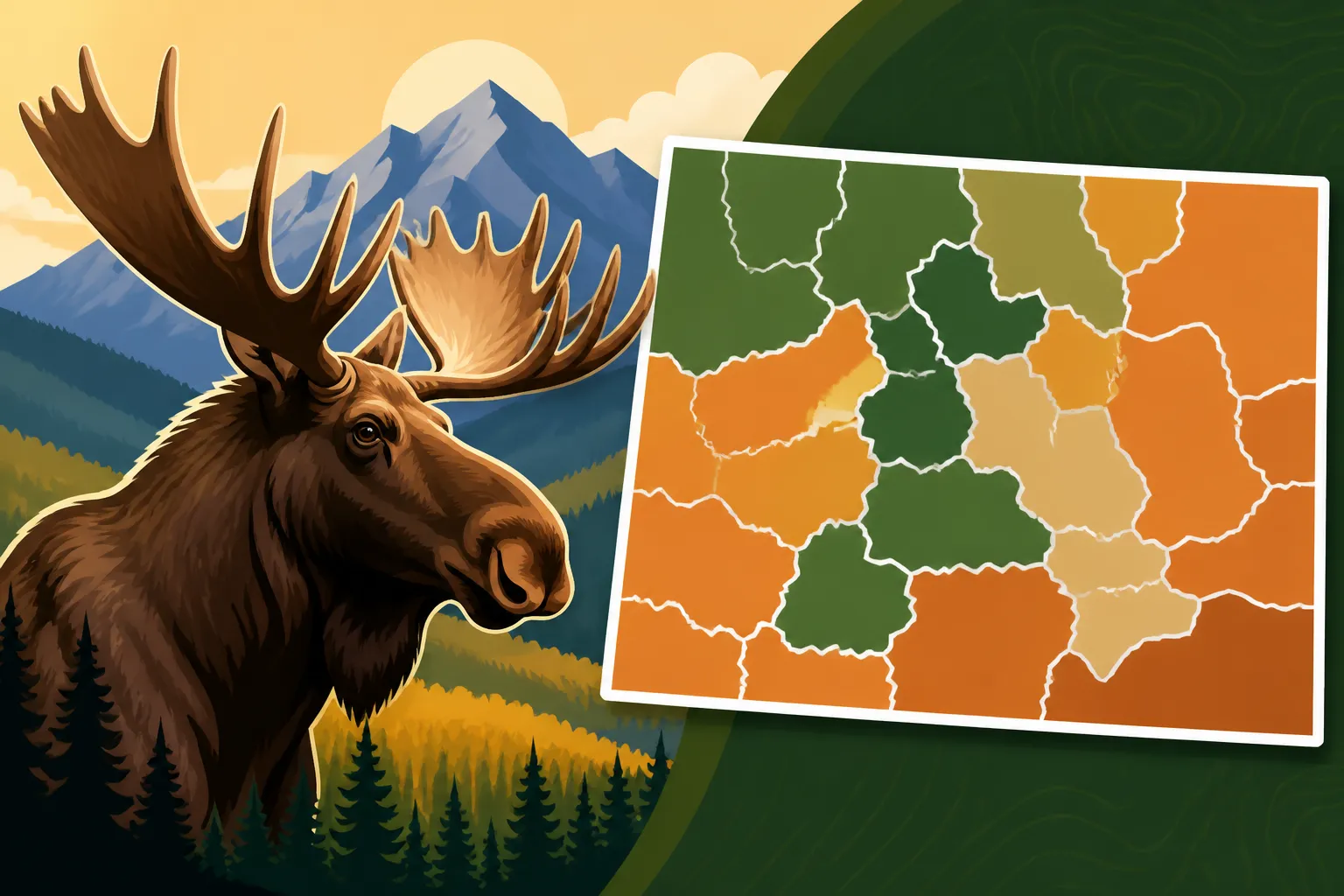
Colorado Moose Trophy Potential by Unit
Many aspiring hunters dream of adding a majestic Shiras moose to their trophy room, but when it comes to Colorado, simply drawing a tag is a monumental achievement, let alone finding a unit with the potential for a true giant. The frustration is real; with such long odds, you want to ensure your hard-earned preference points are invested in a unit that offers the best possible chance at a bull worthy of a lifetime of bragging rights. This comprehensive guide is dedicated to dissecting Colorado's moose hunting units (GMUs) through the lens of trophy potential, helping you understand where to focus your efforts for that once-in-a-lifetime bull.
Understanding Colorado Moose Trophy Potential
The Shiras moose, unique to the intermountain West, is a truly magnificent animal, and for many, the pinnacle of North American big game hunting. But what exactly makes a Colorado Shiras moose a "trophy," and what factors truly influence the chances of finding one?
What Defines a Trophy Shiras Moose
When we talk about a "trophy" Shiras moose, we're generally referring to a bull with a wide, symmetrical rack that boasts impressive palmation and multiple points, leading to a high score under organizations like Boone and Crockett (B&C) or Pope and Young (P&Y). For Shiras moose, a B&C entry typically requires a minimum score of 140 points, while a P&Y entry (for archery kills) is 120 points. However, a "trophy" is also in the eye of the behunter. For some, it's about the sheer experience of hunting this elusive giant in the Colorado wilderness, while for others, it's about putting their hands on a bull that truly stands out in terms of antler mass and spread.
Beyond the numbers, the overall body size and condition of a Colorado Shiras moose also contribute to its trophy status. These animals are massive, capable of weighing over 1,000 pounds, and a mature bull with a deep chocolate coat, a prominent dewlap, and a broad chest is an awe-inspiring sight, regardless of its antler score. Colorado has a healthy and expanding moose population, which means opportunities for quality animals exist, but knowing where those truly exceptional bulls reside requires careful planning. For a broader understanding of this species, you might want to explore our Colorado Moose Hunting Guide.
Factors Influencing Trophy Quality in Colorado
Several critical factors contribute to a GMU's ability to consistently produce trophy-class Shiras moose. Understanding these can help you pinpoint the best areas for your dream hunt.
Firstly, age class of bulls is paramount. Moose, like other cervids, need time to reach their genetic potential. Units with a good age structure, meaning a healthy proportion of older bulls, are more likely to yield bigger racks. This typically happens in units where hunter pressure is managed rigorously, and harvest rates on younger bulls are kept low. Colorado Parks and Wildlife (CPW) actively manages moose herds to ensure a sustainable population with opportunities for mature animals, but some units inherently offer better habitat and less disturbance.
Secondly, genetics and nutrition play a huge role. Units with superior habitat—meaning abundant, high-quality forage like willows, aspens, and various aquatic plants—will support healthier moose that can allocate more energy to antler growth. A mild winter following a good summer can also contribute to exceptional antler development, as bulls don't have to dip too heavily into their reserves for survival. Units like those in the North Park or Laramie River drainages are often cited for their rich moose habitat.
Finally, limited tags and hunter pressure are significant. Colorado moose tags are incredibly difficult to draw, making them one of the state's most coveted big game opportunities. The rarity of these tags, combined with the fact that many units offer fewer than 10 tags per year, helps maintain a high bull-to-cow ratio and ensures that mature bulls have a better chance of surviving to older age classes. This low hunting pressure in specific units directly translates into a higher probability of finding older, larger-antlered bulls. The limited access and challenging terrain in some backcountry areas also contribute to less pressure on mature animals, allowing them to thrive and grow larger racks. For a comprehensive overview of all big game, see our Colorado Big Game Species Guide.
Top Colorado GMUs for Trophy Moose Potential
While nearly any unit with moose in Colorado could produce a trophy, some GMUs consistently stand out for their robust populations, excellent habitat, and history of producing exceptional Shiras bulls. Keep in mind that "trophy potential" is often directly correlated with draw difficulty and the number of preference points required.
North Park Region GMUs
The North Park area, primarily centered around Walden, Colorado, is often considered the epicenter of Colorado moose hunting and consistently produces some of the state's largest Shiras moose. GMUs 6, 17, 171, 18, and 181 are the stars of this region.
GMU 6 and 17 (and 171): These units, encompassing areas like the Routt National Forest and surrounding state and private lands, offer a mosaic of prime moose habitat. Extensive willow bottoms along major river drainages like the Illinois and Michigan Rivers provide critical forage, while higher elevation timber stands offer cover. The moose population here is incredibly strong, and bulls have a history of reaching impressive sizes. Hunters in these units often report seeing numerous moose, giving them a better chance to be selective. The draw odds for these units are notoriously long, often requiring over 20-30 points for a non-resident bull tag. This high point requirement is a testament to the quality of the hunting, as dedicated hunters are willing to wait decades for a shot at a North Park giant. The expansive nature of these units also allows bulls to age, leading to larger, more mature racks.
GMU 18 and 181: Situated slightly to the east and south of the core North Park area, these units also boast excellent moose habitat, including vast willow flats and aspen groves that contribute to healthy herds. While still incredibly challenging to draw, they offer similar trophy potential to units 6 and 17. The terrain can be a bit more varied, ranging from open sagebrush parks to dense timber and mountain slopes. These units often require a significant commitment in terms of scouting and physical exertion, especially if you plan to access deeper areas away from roads. The consistent availability of water and abundant forage ensures that bulls have everything they need to grow to their maximum potential. Many hunters e-scout these areas extensively, utilizing tools like GoHunt to analyze historical harvest data and public land access points long before they even apply for a tag. This detailed preparation is crucial for understanding the nuances of these highly sought-after units.
Laramie River Drainage GMUs
Just to the east of North Park, the Laramie River drainage offers another incredibly rich environment for Shiras moose, particularly within GMUs 7, 8, 19, and 191. This region is characterized by lush riparian zones and high mountain country, providing an ideal mix of food and cover.
GMU 7 and 8: These units, partly within the Roosevelt National Forest and other wilderness areas, are known for their rugged beauty and fantastic moose habitat. The Laramie River itself, along with numerous smaller creeks and beaver ponds, creates an ideal environment for moose, which thrive on aquatic vegetation and willow browse. Bulls in these units consistently demonstrate robust body size and impressive antler growth. The sheer amount of undeveloped public land means that if you're willing to put in the effort to get away from roads, you can find unpressured animals. The draw odds remain steep, often rivaling the North Park units in terms of points needed, but the rewards are substantial. Hunters here often face challenging terrain, but the solitude and potential for a truly world-class bull make it worth the endeavor. Understanding How to Hunt Elk at High Elevation can provide insights into adapting to similar terrain and conditions for moose.
GMU 19 and 191: Further west in the Laramie River drainage, these units connect with some of the same excellent habitat found in units 7 and 8. The moose population here is also very strong, and trophy potential is high. These units often involve a mix of private land and public land, requiring careful attention to land ownership maps, but the public land access can lead to some incredible hunting opportunities. Like other top-tier moose units, patience and a long-term strategy of building preference points are essential for drawing a tag here. The consistent presence of water sources and dense cover ensures that these areas remain strongholds for mature bulls. For those considering a Colorado Backcountry Hunting Guide, these units offer prime opportunities for such an adventure.
Other Notable Units and Emerging Areas
While North Park and the Laramie River drainage are historically the most renowned, Colorado's moose population is expanding, leading to new areas showing increasing trophy potential.
GMUs 12, 13, 14 (Flat Tops/Steamboat area): These units, part of the vast Flat Tops Wilderness Area and surrounding national forest lands, also hold significant moose populations. While perhaps not as historically celebrated for trophy potential as North Park, they are consistently producing quality bulls. Moose were introduced here later than in North Park, but the population has thrived. The extensive high-elevation willow basins and dark timber offer excellent habitat. With patience and persistent scouting, a hunter can certainly find a trophy-caliber bull in these units. The draw odds can sometimes be slightly less extreme than the absolute top units, but they are still very difficult. These units are also excellent for Colorado Elk Hunting Methods Explained, so understanding the landscape can double your preparation.
GMUs 20, 201 (Rawah Wilderness): Located in the northern Front Range, these rugged units around the Rawah Wilderness area contain a smaller but healthy moose population. The challenging, high-alpine environment means that bulls here are truly wilderness animals. While not as high-density as other areas, the limited human disturbance and excellent forage in specific pockets mean that bulls have the opportunity to mature. Hunters considering these units should be prepared for strenuous hunting in remote terrain. The reward, however, can be a solitary experience with a hard-earned trophy.
GMUs in the Southwest (e.g., parts of the San Juans): Moose have also expanded into parts of southwestern Colorado, including portions of the San Juan Mountains. While these populations are generally newer and smaller, isolated pockets of excellent habitat can produce impressive bulls. These areas might be considered "emerging" and could offer surprising trophy potential as the moose population matures and expands. Researching specific smaller drainages and high-elevation basins in these regions could pay off for a truly adventurous hunter. The Colorado Hunting Atlas Explained is an invaluable tool for identifying potential moose habitat in these less traditional areas.
Strategizing for a Colorado Trophy Moose Tag
Drawing a Colorado moose tag, especially for a trophy unit, is a journey of patience, research, and often, a bit of luck. It's not a short-term endeavor; it's a long-term commitment.
Navigating the Colorado Draw System for Moose
Colorado's draw system for moose tags is highly competitive. Unlike elk or deer, moose tags are exclusively draw-only, with no over-the-counter options. This means every single tag, including coveted bull tags in prime trophy units, must be applied for through the annual limited license draw. The number of tags issued for moose in any given GMU is extremely low, often single digits, which contributes to the astronomical number of preference points required to draw. It's not uncommon for non-residents to need 20, 25, or even 30+ preference points to draw a bull tag in the top units. Even residents often need a decade or more of accumulated points.
Understanding How Many Points for a Colorado Moose Tag is crucial. The system primarily uses preference points, meaning the applicant with the most points gets the tag. This creates a scenario known as "point creep," where the number of points needed to draw a specific unit slowly increases each year as more people apply and accumulate points. Using historical draw data from CPW and third-party tools like GoHunt can give you realistic expectations for current point requirements. These resources can help you identify units where your current point total might give you a realistic chance, or conversely, show you which units are pipe dreams for the next decade. When considering applying, make sure you're familiar with Colorado Hunt Codes Explained to ensure you're applying for the correct species, sex, and unit.
Researching Units and Building Preference Points
Given the difficulty of drawing a moose tag, meticulous research and a long-term strategy for accumulating preference points are essential.
First, dive deep into the CPW website. They publish extensive harvest statistics, draw odds, and herd management plans for each GMU. Look for units with high bull-to-cow ratios and a history of successful hunts for mature animals. Pay attention to success rates and average days hunted, which can indicate the density of moose and the difficulty of the terrain. Consider factors such as public land access, road systems, and wilderness areas. Our guide on How to Choose a Colorado Hunting Unit offers excellent strategies applicable to moose as well.
Secondly, commit to building preference points. If you're serious about hunting a trophy Shiras moose in Colorado, you'll likely need to apply for a preference point every year, even if you don't plan to hunt immediately. This allows you to slowly climb the ladder in the draw system. Many hunters spend years, even decades, building points while simultaneously researching their dream unit. Consider applying for a point-only option if you don't want to risk drawing a tag in a unit you're not fully prepared for. This long game is often the only game when it comes to coveted moose tags. Utilizing tools for Colorado E-Scout Before a Colorado Hunt can also give you an edge by helping you become intimately familiar with potential units long before you set foot on the ground.
Managing Expectations and Alternative Strategies
It's vital to manage your expectations when pursuing a Colorado moose. Even with a tag in a top trophy unit, hunting is unpredictable. Weather, moose behavior, and your own abilities can all impact success. The goal is to maximize your opportunity for a trophy, not to guarantee one.
If Colorado's draw system for moose proves too challenging or too long a wait, consider other states that offer Shiras moose tags, such as Wyoming, Idaho, Montana, or Utah. Each state has its own draw system and trophy potential, which might offer different timelines or opportunities. While this guide focuses on Colorado, it's always good to be aware of the broader landscape of moose hunting.
Finally, while less common for moose than other big game, explore options like landowner tags or private ranch hunts. Some private landowners in Colorado receive moose tags for their properties, and these tags can sometimes be purchased directly or acquired through an outfitter. This can be a significantly more expensive route but might bypass the lengthy draw process. Remember to vet any private land opportunity thoroughly to ensure it aligns with your hunting goals. Understanding Colorado Ranching for Wildlife Explained could also offer unique pathways, though moose opportunities within that program might be limited.
Colorado Moose Trophy Unit Comparison
Here's a simplified table comparing some of the top-tier Colorado GMUs for moose, focusing on what hunters typically consider for trophy potential:
| GMU (General Region) | Estimated Points Needed (Non-Res Bull) | Trophy Potential | General Characteristics | Primary Habitat | Notes |
|---|---|---|---|---|---|
| 6, 17, 171 (North Park) | 25-35+ | Very High | Renowned for dense moose populations, excellent access (roads, trails). | Willow bottoms, riverine, dense timber | Premier trophy units, extremely difficult draw. |
| 18, 181 (North Park E) | 20-30+ | Very High | Similar to 6/17/171, slightly more varied terrain. | Willow bottoms, aspen, conifer | Still top-tier, expect stiff competition for tags. |
| 7, 8 (Laramie River) | 20-30+ | High | Rugged, beautiful, good wilderness access. | Laramie River drainage, high country willows | Strenuous hunt, but high potential for big bulls. |
| 19, 191 (Laramie River W) | 18-28+ | High | Excellent habitat, includes both public and private lands. | Riparian zones, dense cover, some private land | Good potential, careful navigation of land ownership. |
| 12, 13, 14 (Flat Tops) | 15-25+ | High/Medium | Expansive wilderness, growing moose population. | High elevation willows, dark timber | Strong populations, increasing trophy potential. |
| 20, 201 (Rawah) | 15-25+ | Medium/High | Remote, challenging, true backcountry experience. | Alpine basins, remote drainages | Smaller population, but quality wilderness bulls. |
Note: Preference points needed are estimates and fluctuate annually. Always check the latest CPW draw statistics and use resources like GoHunt for the most current data.
Disclaimer
The information provided in this guide is for general informational purposes only and does not constitute official hunting regulations or legal advice. Hunting regulations, season dates, and draw odds are subject to change annually by Colorado Parks and Wildlife (CPW). Always consult the most current CPW regulations and proclamations before planning any hunting trip. It is the hunter's responsibility to know and follow all applicable laws and regulations. This guide does not endorse or promote illegal hunting practices.