Colorado Black Bear: Where to Find Them
Finding black bears in the vast, diverse landscapes of Colorado can feel like a daunting task. They’re elusive creatures, masters of their environment, and they don't exactly hang out in easily accessible spots waiting for you. This guide aims to demystify where black bears typically roam in Colorado, helping you understand their habitat preferences, seasonal movements, and the best places to concentrate your efforts for a successful hunt or observation.
Understanding Colorado Black Bear Habitat
Colorado’s black bear population is thriving, estimated to be between 17,000 and 20,000 strong. These incredible animals are highly adaptable, but they certainly have their favorite stomping grounds. Unlike grizzlies, which were extirpated from Colorado, black bears generally prefer forests, thick brush, and rugged terrain that offers both cover and food. They are rarely found far from timber.
Dense Cover and Water Sources
When you're thinking about where bears live, think "security." Black bears crave dense cover, especially in areas with a healthy understory of brush and trees where they can hide, den, and escape from both predators and humans. This means you're often looking at thick timber stands, dense oak brush, and areas with heavy pockets of aspens or pines. They use this cover for everything from midday naps to raising their cubs.
Water is another non-negotiable for bears. Just like any other wildlife, they need reliable water sources to drink, especially in warmer months. Seeps, springs, small streams, and mountain lakes are all prime locations. Bears often travel along drainages and riparian corridors, using the dense vegetation these areas provide as natural highways. If you can find an area with a good mix of thick cover and consistent water, you're already on the right track. Many hunters find success by keying in on these areas, understanding that bears won't be far from a drink, particularly when natural food sources might be scarce.
Elevation and Terrain Preferences
Black bears in Colorado occupy a wide range of elevations, from the scrub oak foothills to the high alpine forests. However, their specific location can shift dramatically with the seasons and the availability of food. In general, you'll find them most commonly in the mid-to-high elevations, typically between 6,000 and 10,000 feet, especially in areas characterized by mixed conifer and aspen forests. They love the varied terrain that offers steep slopes, rock slides, and dense timber pockets, providing them with abundant escape routes and secluded bedding areas.
South-facing slopes, especially in spring and early summer, can be hotspots as they warm up faster, melting snow and promoting early vegetation growth. Bears are keen on these sunny slopes, gorging on the first green shoots. As the season progresses, they might move to north-facing slopes for cooler temperatures and different food sources, like berries or acorns. Understanding these shifts, much like how you would consider elk behavior in different terrain, is crucial for pinpointing where Colorado black bears might be. The San Juan Mountains, the Flat Tops, and parts of the Routt National Forest are known for offering exactly this kind of varied terrain and elevation.
Seasonal Movements and Food Sources
Black bears are opportunists, and their entire annual cycle revolves around finding and consuming enough calories to survive hibernation. This means their whereabouts are heavily dictated by what food sources are available at any given time.
Spring and Early Summer Foraging
When bears emerge from their dens in the spring, usually around April or May, they're typically found at lower elevations or on those sun-drenched, south-facing slopes. Their primary focus is on consuming easily digestible greens to get their digestive systems back in order. They'll browse on fresh grasses, dandelions, clover, and other new growth. You might find them in open meadows adjacent to dense timber, or along roadsides where vegetation greens up quickly.
As spring transitions into early summer, around June, they’ll start incorporating insects like ants and grubs, as well as carrion if available. This is also when you'll see them targeting winter-killed deer or elk. Areas that experienced significant winterkill can be prime spots for bears in the spring. Rivers and creeks are important in these early months, as they provide both water and tender vegetation along their banks. For those interested in Colorado Spring Bear Season and Tags, knowing these early season food sources is paramount.
Late Summer and Fall Mast Crops
The late summer and fall months, from August through October, are arguably the most critical time for bears as they enter hyperphagia – a period of intense feeding to build up fat reserves for winter. This is when mast crops become king. Oak brush, particularly gambel oak, is an absolute magnet for bears. Acorns are incredibly calorie-dense, and bears will literally spend weeks or even months in a good oak patch, sometimes traveling considerable distances to find them. Look for areas with dense oak brush, especially on slopes, and scout for signs like scat filled with acorn hulls or broken branches where bears have been feeding.
Beyond acorns, bears also feast on various berries, including serviceberry, chokecherry, elderberry, and buffalo berry. They also target pine nuts, particularly from Ponderosa pines. If there’s a good berry crop or pine nut crop, bears will focus heavily on those areas. This reliance on specific food sources means that knowing the local phenology – when different plants produce fruit or nuts – can give you a massive advantage in predicting bear movements. This is often the best time for Colorado Fall Bear Season and Tags. When these natural food sources are abundant, bears can be less visible near human settlements. However, if natural food sources fail, bears are more likely to venture into lower elevations and suburban areas in search of easily accessible food, leading to increased human-wildlife conflicts.
The Role of Human-Provided Food Sources
While natural food sources are their preference, bears are incredibly smart and adaptable. If natural food is scarce, or if they learn of easier meals, they will gravitate towards human-provided sources. This includes campgrounds, cabins, residential areas with unsecured trash, fruit trees, and even agricultural fields. Areas near towns that back up to national forest or BLM land, such as those outside of Durango, Aspen, or even communities along the Front Range, can see increased bear activity, especially in lean years. This is less about hunting and more about understanding bear behavior and mitigating conflicts. It’s a good reminder that secure food storage is essential for anyone recreating or living in bear country.
Key Areas and GMUs to Focus On
Colorado is divided into numerous Game Management Units (GMUs), each with its own specific characteristics and bear populations. While bears are widespread, some areas consistently offer better opportunities due to prime habitat and healthy populations.
Western Slope Bear Hotspots
The Western Slope of Colorado is generally considered bear country central. Units like GMU 40, GMU 43, and the Uncompahgre Plateau (GMUs 61, 62) are renowned for their robust bear populations and excellent habitat. These areas offer a fantastic mix of dense conifer forests, aspen stands, and expansive oak brush fields, particularly in the lower to mid-elevations. The Uncompahgre National Forest and Grand Mesa National Forest are vast tracts of public land that provide ideal conditions.
GMU 40, for example, stretches across the Grand Mesa and has diverse terrain perfect for bears. If you're looking for Colorado Black Bear Population and Range information, you'll often find these units highlighted. The sheer amount of public land here means bears have plenty of undisturbed territory, especially in wilderness or roadless areas. Early season hunters might find bears feeding on the lower reaches of these units, while late season often means glassing those thick oak brush hillsides.
Southern Colorado Mountain Ranges
The San Juan Mountains in Southwest Colorado are another premier destination for black bear. Units like GMU 76, GMU 77, and GMU 78 around areas such as Pagosa Springs and Durango offer incredibly rugged, remote terrain that holds a significant number of bears. The abundant water sources, mixed conifer forests, and extensive berry patches make this a prime habitat.
These mountains are steep, so be prepared for a physical challenge. However, the rewards can be great. Glassing large basins and south-facing slopes in the morning and evening, especially during berry season, can be highly effective. The dense cover here often means bears are not easily seen from roads, requiring hunters to get off the beaten path and into the backcountry. The Rio Grande National Forest and San Juan National Forest dominate these regions, offering plenty of public access for hunters willing to put in the effort.
Central and Northern Colorado Ranges
While not always as widely known for bears as the Western and Southern slopes, central and northern Colorado still hold healthy populations. Areas like the Flat Tops Wilderness Area (GMUs 23, 24) and the White River National Forest (GMUs 12, 25, 26) are significant elk country but also host plenty of bears. The expansive wilderness and relatively lower human pressure in the deeper parts of these units make them ideal.
The Rawah Wilderness Area and parts of the Routt National Forest in Northern Colorado also have good bear numbers, especially in units with significant tracts of dense timber and oak brush. These areas often experience higher hunting pressure for elk and deer, so bears can become more nocturnal or retreat into the thickest cover available. Utilizing mapping tools like those from GoHunt can really help you identify these specific habitats and plan your approach, especially when trying to differentiate between various GMUs. If you're planning a trip, consider looking into Colorado National Forest Hunting Guide or Colorado BLM Land Hunting to understand access points and regulations.
| Region | Prime GMUs | Key Habitat Features | Seasonal Focus | Notes |
|---|---|---|---|---|
| Western Slope | 40, 43, 61, 62 | Mixed conifer, aspen, extensive gambel oak, varied elevations, vast public land | Early season: lower elevation greens; Fall: oak brush | High bear density, excellent public land access. |
| Southern Mountains | 76, 77, 78 | Rugged terrain, dense forests, abundant water, diverse berry patches, steep slopes | Early season: green-up; Late summer/Fall: berries, mast | Physically demanding hunts, good for backcountry enthusiasts. |
| Central/Northern | 12, 23, 24, 25, 26 | Wilderness areas, thick timber, elk country, some oak brush in specific pockets | Consistent water, dense cover year-round | Bears may be more elusive due to higher elk/deer hunter pressure. |
| Foothills/Plains Edge | Variable | Pockets of scrub oak, riparian corridors, near agricultural lands, mixed with housing | Drought years, failed mast crops, human food sources | Often conflict areas, not ideal for hunting, more for observation/management. |
Leveraging Tools for Bear Scouting
Modern technology has revolutionized how we scout and locate game, and black bears are no exception. Using these tools effectively can significantly increase your chances of finding where the bears are.
E-Scouting with Mapping Software
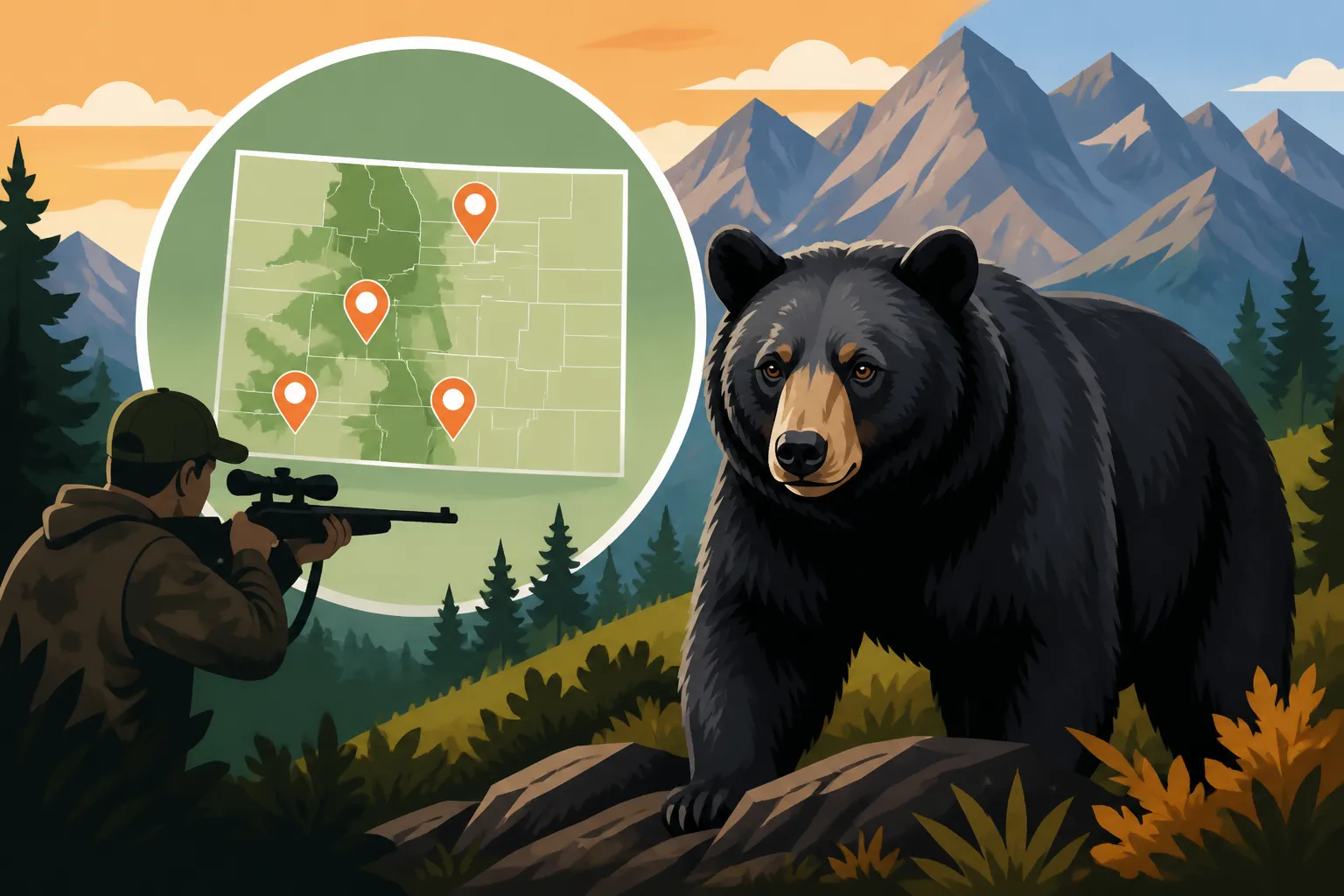
Before you even set foot in Colorado, you can do a tremendous amount of scouting from home. Platforms like GoHunt, Gaia GPS, and onX Hunt are invaluable resources. They allow you to meticulously study satellite imagery, topo maps, and land ownership data. When e-scouting for bears, focus on identifying:
- Dense patches of cover: Look for dark green areas that signify thick timber or oak brush.
- Water sources: Identify springs, seeps, small ponds, and perennial streams.
- South-facing slopes: These are often identifiable by lighter green areas in spring or areas where snow clears faster.
- Transition zones: Areas where different habitat types meet, like forest edges next to meadows or clear-cuts, are often travel corridors and feeding areas.
- Roadless areas/wilderness: These areas generally experience less human disturbance, making bears more comfortable.
Overlaying vegetation maps, if available, can also help pinpoint specific tree species like oak stands or pine nut groves. For anyone wondering How to E-Scout Before a Colorado Hunt, starting with bears often involves looking for these specific habitat elements. Remember, bears often stick to the thickest cover, even when feeding, so look for dense areas adjacent to potential food sources.
Trail Cameras and On-the-Ground Reconnaissance
Nothing beats boots-on-the-ground scouting, but trail cameras can be a powerful extension of your eyes and ears, especially when trying to confirm bear presence and patterns. Place trail cameras in areas you’ve identified through e-scouting: near consistent water sources, along well-used game trails leading into dense cover, or in suspected feeding areas like oak brush patches. You’ll be surprised at how often bears use the same routes.
When scouting in person, look for fresh bear sign:
- Scat: What they’re eating tells you what’s available. Scat full of berries, acorns, or grass is a dead giveaway.
- Tracks: Look for distinct paw prints in soft ground near water or trails.
- Rub trees: Bears love to rub on trees, leaving hair and claw marks.
- Turned-over rocks or logs: Bears often flip these over looking for insects.
- Broken branches: Especially in oak brush, bears will break branches to access acorns or berries.
Combine your digital scouting with physical exploration, and you’ll start to build a clear picture of bear activity in your chosen unit. Understanding general Colorado Hunting Seasons Explained will help you time your scouting efforts to match specific bear behaviors.
Ethical Considerations and Conservation
As hunters and outdoor enthusiasts, we have a responsibility to not only understand where bears are but also to approach our interactions with them ethically and with conservation in mind. Colorado Parks and Wildlife (CPW) manages the bear population carefully to ensure its health and sustainability.
Respecting Bear Habitat and Behavior
When venturing into bear country, whether hunting or simply recreating, it's crucial to respect their space. Bears are typically shy and will avoid humans if given the opportunity. However, surprising a bear, especially a sow with cubs, can be dangerous. Always make noise while hiking, especially in dense cover, and carry bear spray as a safety precaution. Understanding Colorado Black Bear Behavior is key to both your safety and successful hunting.
For hunters, ethical practices mean ensuring a clean kill and making every effort to recover the animal. Bears are tough, and shot placement is critical. Additionally, familiarizing yourself with CPW regulations regarding baiting (which is generally prohibited in Colorado) and hound hunting (restricted) is essential.
The Role of Hunters in Bear Management
Hunters play a vital role in managing Colorado’s bear population. Through hunting, we help maintain healthy bear numbers in balance with their habitat and other wildlife species. Overpopulation can lead to increased human-wildlife conflicts and strain natural food resources. The fees and licenses we purchase directly fund CPW's conservation efforts, including bear research, habitat improvement, and public education.
By responsibly pursuing black bears, we contribute to the long-term health of this incredible species and ensure that future generations can continue to appreciate them in Colorado's wild places. Always ensure you have the correct tags and understand the specific regulations for your chosen Colorado Elk Season Dates Guide, as bear tags are often purchased in conjunction with or as an add-on to other big game licenses.
Disclaimer
Please remember that hunting regulations, season dates, and unit boundaries can change. Always consult the most current Colorado Parks and Wildlife (CPW) regulations and maps before planning any hunt. This guide is for informational purposes only and does not supersede official CPW guidelines.