Colorado 1st Rifle Elk Season Explained
The anticipation of elk season in Colorado often brings a mix of excitement and apprehension, especially for those eyeing the coveted 1st Rifle season. Many hunters struggle to understand its unique structure, the intense competition for tags, and the specific challenges that come with hunting during this early, short window. This guide aims to demystify the Colorado 1st Rifle Elk Season, providing a clear overview of its characteristics, advantages, tactics, and how to navigate the draw system to maximize your chances of success.
Understanding the Colorado 1st Rifle Elk Season
The 1st Rifle Elk Season in Colorado holds a special place in the hearts of many big game hunters. It’s a short, intense period, typically falling in late October, where the mountains are often starting to see their first significant snowfalls, and bull elk are just wrapping up the peak of the rut, transitioning into post-rut behavior. This timing creates a distinct hunting experience that is vastly different from archery or later rifle seasons.
Key Dates and Timing
The Colorado 1st Rifle Elk Season is consistently the first of the four limited rifle elk seasons, generally occurring for a brief five-day window in mid to late October. This specific timing is crucial for hunters to understand, as it dictates everything from elk behavior to weather conditions. Unlike over-the-counter (OTC) archery or some late-season cow tags, tags for the 1st Rifle season are always draw-only, meaning you must apply and be successful in the Colorado Parks and Wildlife (CPW) big game draw.
For instance, looking at recent years, the 1st Rifle season typically starts on a Saturday, running through Wednesday. This short duration means every single day on the mountain counts, and there's little room for error or slow starts. It's a sprint, not a marathon. The exact dates shift slightly each year, so always check the most current Colorado Parks and Wildlife Big Game Brochure. Keeping an eye on the Colorado Elk Season Dates Guide is crucial for planning your application and hunt.
General Characteristics of the Season
Hunting during the 1st Rifle season means you'll be in the mountains during a period of transition. The vibrant fall colors might still be hanging on in some areas, while higher elevations could already be blanketed in several inches of snow. Elk, having recently exerted immense energy during the rut, are often in the process of recovering, moving towards winter feeding grounds, or still lingering in areas where they found receptive cows. This can make them predictable in some ways, but unpredictable in others, as they’re no longer as vocal as they were during the peak of the rut.
Weather is a huge factor. You could experience anything from crisp, sunny days to blizzards, sometimes within the same hunt. Hunters must be prepared for everything. The brief duration also means hunter pressure, while perhaps not as widespread as OTC archery units, can be concentrated in specific areas that drew tags. This is often the first opportunity many hunters have to pursue elk with a rifle, making it a highly anticipated and competitive period.
Advantages and Disadvantages of 1st Rifle Season
Deciding when to hunt elk in Colorado is a big decision, and the 1st Rifle season presents its own unique set of pros and cons. Understanding these can help you determine if this short, intense window aligns with your hunting style and expectations. It's not for everyone, but for those who commit, it can be incredibly rewarding.
The Benefits of Early Rifle Hunting
One of the biggest advantages of the 1st Rifle season is the potential for encountering post-rut bulls. While the roaring bugles of the September rut might be dying down, bulls are often still in groups with cows, or at least haven't dispersed widely to their winter range yet. This means you can sometimes find good concentrations of elk, especially if a fresh snow pushes them down from the highest peaks. The cold weather, if it arrives, can make elk more active during daylight hours as they seek to feed and conserve energy.
Furthermore, with fewer tags issued compared to later rifle seasons, there can be less overall hunter pressure in certain units. While you won't escape other hunters entirely, especially on public land, the limited nature of the tags can translate to a slightly more spread-out hunting experience if you've drawn a tag in a less accessible area. It's also often your first crack at a bull with a rifle after months of anticipation, which is a significant draw for many. For those who understand Colorado Rifle Elk Hunting Guide principles, this early season can be highly productive.
Challenges and Considerations
However, the 1st Rifle season also comes with significant hurdles. The primary one is acquiring a tag. Since all 1st Rifle elk tags are draw-only, you'll need to participate in the Colorado Draw System and Preference Points, which can be competitive. Many units require a substantial number of preference points, especially for quality bull tags. This means it's often not a season you can jump into last minute, requiring years of planning for some hunters. GoHunt's Insider tool can be invaluable here for researching draw odds.
The short, five-day season is another major challenge. If you hit a patch of bad weather that grounds elk, or if your scouting efforts don't pan out immediately, you have very little time to adjust and find success. Unlike longer seasons, you can't afford to lose a day or two to travel or adverse conditions. The weather can also be extremely volatile, from mild Indian summer days to full-blown blizzards, requiring meticulous gear planning and physical readiness. Lastly, elk can be much quieter after the rut, making them harder to locate by sound, necessitating more extensive glassing and tracking efforts.
Key Tactics for Success in 1st Rifle Season
Hunting the 1st Rifle elk season demands a thoughtful approach, blending good pre-season preparation with smart on-the-ground strategies. It's a short window where every decision can make a difference. Focusing on these key tactical areas will give you a significant edge.
Scouting and Pre-Season Preparation
Effective scouting is paramount for 1st Rifle success. Because elk behavior is transitioning from rut to post-rut, understanding their movement patterns before the season opens is critical. E-scouting, using tools like GoHunt's mapping features, allows you to identify potential travel corridors, north-facing slopes where elk might bed, and south-facing slopes they’ll feed on after a snowfall. Look for areas with a mix of dark timber, open parks, and water sources. These are prime elk habitat, especially as winter approaches. You can learn a lot from guides like How to E-Scout Before a Colorado Hunt.
In-person scouting, if possible, is even better. Look for fresh sign: tracks, droppings, rubs, and wallows. While wallows might be less active post-rut, they indicate historical use. Pay attention to feed sources – what are elk eating in that specific unit in mid-October? Are they still on aspens, or have they moved to evergreen browse? Identifying these patterns allows you to predict where elk will be when opening day arrives. With the season being so short, having a solid plan A, B, and C before you even leave home is non-negotiable.
Hunting Strategies on the Ground
During the 1st Rifle season, your hunting strategy needs to adapt to the post-rut, potentially snowy conditions. While some incidental bugling might occur, relying solely on calling is often less effective than during the archery rut. Instead, focus on still-hunting through timber, particularly on north-facing slopes where elk seek thermal cover, or spot-and-stalk hunting across open basins. Elk will often be feeding heavily in the mornings and evenings to build up fat reserves for winter, so these are critical times to be actively hunting.
If snow is on the ground, fresh tracks become your best friend. Follow tracks, paying close attention to their size and direction, and whether they indicate a single bull or a herd. In thicker timber, moving slowly and quietly, stopping frequently to glass ahead, is key. Use the wind and thermals to your advantage; elk have an incredible sense of smell. You can explore a variety of methods by reading Colorado Elk Hunting Methods Explained. If you’re hunting higher elevations, remember elk will move down with heavy snow. Focus on benches, saddles, and transition areas between bedding and feeding.
Gear and Physical Conditioning
The unpredictable nature of October weather in the Colorado high country means your gear choices are incredibly important. Layering is not just a suggestion; it’s a necessity. You’ll need a robust layering system that can handle anything from 50-degree sunshine to zero-degree blizzards with driving wind. Waterproof and windproof outer layers are essential. Good quality boots that are broken in, waterproof, and offer excellent ankle support are crucial for navigating uneven, potentially snowy terrain.
A reliable rifle chambered in a suitable caliber for elk, like a .30-06, .300 Win Mag, or 7mm Rem Mag, is obviously necessary. Ensure it's sighted in precisely for mountain conditions, accounting for uphill and downhill shots, and potential long ranges. Optics – quality binoculars, a spotting scope (especially if glassing large basins), and a rangefinder – are non-negotiable. A sturdy backpack capable of hauling meat is also vital, as you'll likely be packing an elk out from remote locations.
Beyond gear, physical conditioning cannot be overstated. Hunting in Colorado, especially in the mountains, is physically demanding. You'll be covering miles at high altitudes, often through steep, rugged terrain, and potentially packing out hundreds of pounds of meat. Training for months prior to your hunt with exercises that mimic mountain activity – hiking with a loaded pack, incline training, and cardiovascular workouts – will significantly increase your odds of success and enjoyment. Consider guides like How to Prepare for High-Altitude Hunting for a comprehensive fitness plan.
Navigating the Draw and Tag Requirements
For many, the biggest hurdle to hunting the Colorado 1st Rifle Elk Season isn't the physical demands or the challenging weather, but simply drawing a tag. This season is highly coveted, and understanding the nuances of the CPW draw system is essential.
Drawing a 1st Rifle Elk Tag
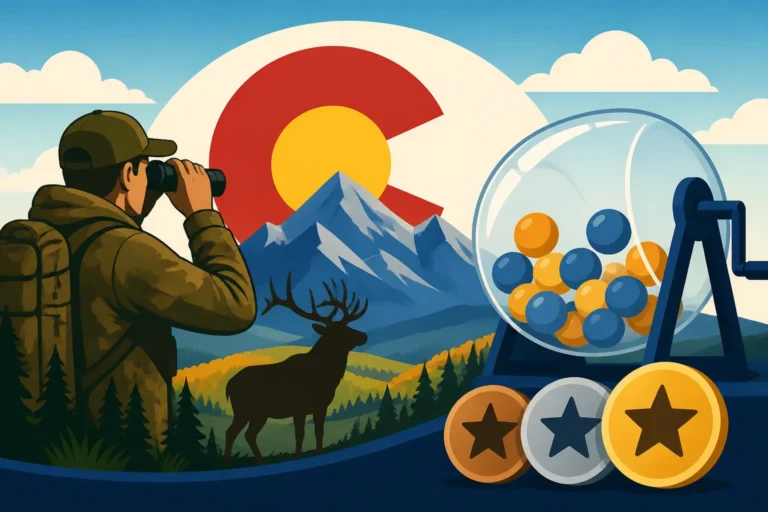
Unlike some archery or later rifle seasons that offer over-the-counter (OTC) opportunities for elk, the 1st Rifle season always requires a limited draw tag. This means you must apply through the Colorado Parks and Wildlife draw system, typically in April, and hope you accumulate enough preference points or get lucky in a random drawing. For many non-residents, and even some residents, drawing a quality bull tag in a desirable unit for 1st Rifle can take many years of accumulating preference points.
When researching units, tools like GoHunt are invaluable for analyzing draw odds, success rates, and the number of preference points required for specific hunt codes. You'll need to understand how Colorado Preference Points Explained works, and how point creep can affect your chances year to year. It's often a long-term game, so decide if you want to apply for a "sure thing" unit that requires fewer points but might offer lower quality, or if you're willing to build points for a trophy unit over several years. Knowing the Colorado Big Game Draw Deadlines is crucial so you don't miss your chance to apply.
Understanding Unit Specifics
Not all GMUs (Game Management Units) are created equal, especially for 1st Rifle season. Some units might hold a high density of elk but also see significant pressure. Others might have lower elk numbers but offer a chance at a true trophy bull, often requiring a substantial number of preference points to draw. It's critical to research specific units thoroughly. Look into herd statistics, public land access, terrain, and historical success rates. GoHunt's data helps visualize these factors.
Consider the amount of public land within a unit. Units with large tracts of wilderness or national forest land, such as those covered in the Colorado National Forest Hunting Guide, can offer more opportunities to escape pressure, but they also demand a greater commitment in terms of physical exertion and backcountry savvy. Some units might be predominantly private land, making drawing a public land tag even harder or necessitating an outfitter. Understanding these distinctions is paramount when applying for a limited tag, ensuring that if you do draw, you have the kind of hunting experience you're truly seeking. Don't forget to consider how to find quality elk areas by checking out Best GMUs for Elk Hunting in Colorado.
Considerations for the Colorado 1st Rifle Season
Beyond the core tactics and draw strategy, a few other elements are worth deep consideration to ensure a successful and ethical hunt during the Colorado 1st Rifle season.
Ethical Hunting and Game Recovery
Once you’ve drawn a tag and put in the work on the ground, the moment of truth arrives. Ethical hunting means making a clean, humane shot and committing to game recovery. With potentially changing weather conditions, including snow, tracking an animal can be challenging. Always give a shot animal sufficient time before beginning the track, especially if the shot wasn't immediately fatal. If snow is on the ground, fresh blood and tracks can be easier to follow, but falling snow can quickly obscure a trail.
This is where your physical conditioning and mental toughness truly come into play. Recovering an elk, particularly a bull, in the backcountry can be an arduous task. It often requires multiple trips with heavy packs, even with a strong hunting partner. Understanding How to Pack Out an Elk in Colorado is not just a good idea; it's a fundamental part of the hunt. Have a clear plan for quartering the animal, keeping the meat clean, and packing it out efficiently. Never take a shot you're not confident in, and always be prepared for the work that comes after the shot.
Weather Preparedness and Safety
The 1st Rifle season's mid-October timing places it squarely in a period where Colorado's high country weather can be notoriously fickle. A hunt might start with pleasant, mild temperatures, only to be hit by a sudden, severe snowstorm within a matter of hours. This rapid change can create dangerous conditions, including hypothermia, getting lost in whiteout conditions, and difficult travel.
Your packing list must account for this extreme variability. Beyond the layered clothing, consider essentials like an emergency shelter, fire starting tools, a reliable headlamp with extra batteries, navigation tools (GPS and physical map/compass), and extra food and water. Always let someone know your exact hunting plans, including your route and expected return time. Hunting solo in this environment significantly increases risk, so consider a hunting partner if possible. Being prepared for the worst allows you to focus on the hunt itself, rather than worrying about survival.
Post-Hunt Meat Care
Once an elk is down, the clock starts ticking, especially if temperatures are mild or even hovering above freezing. Rapid field dressing and proper meat care are critical to ensure the hard-earned meat doesn't spoil. Get the animal gutted and skinned as quickly as possible to allow the carcass to cool. Quartering the elk and hanging the quarters to air out, away from predators, is standard practice. If you're in an area with bears, proper food and meat storage is essential.
In an ideal scenario, the weather will be cold enough to naturally cool the meat during the pack out. However, if it's warmer, you'll need to strategize getting the meat to a cooler or processor quickly. Consider using game bags that protect the meat from flies and debris while allowing it to breathe. Planning your processing steps well in advance, whether you're taking it to a local processor or handling it yourself, is a vital part of the overall hunting experience.
Disclaimer
Hunting is an inherently dangerous activity. This guide provides general information and recommendations. Always consult the official Colorado Parks and Wildlife regulations for the most current and specific rules, dates, and requirements. Hunter safety courses and landowner permissions are critical. Practice responsible and ethical hunting at all times.