How to Draw a Colorado Pronghorn Tag
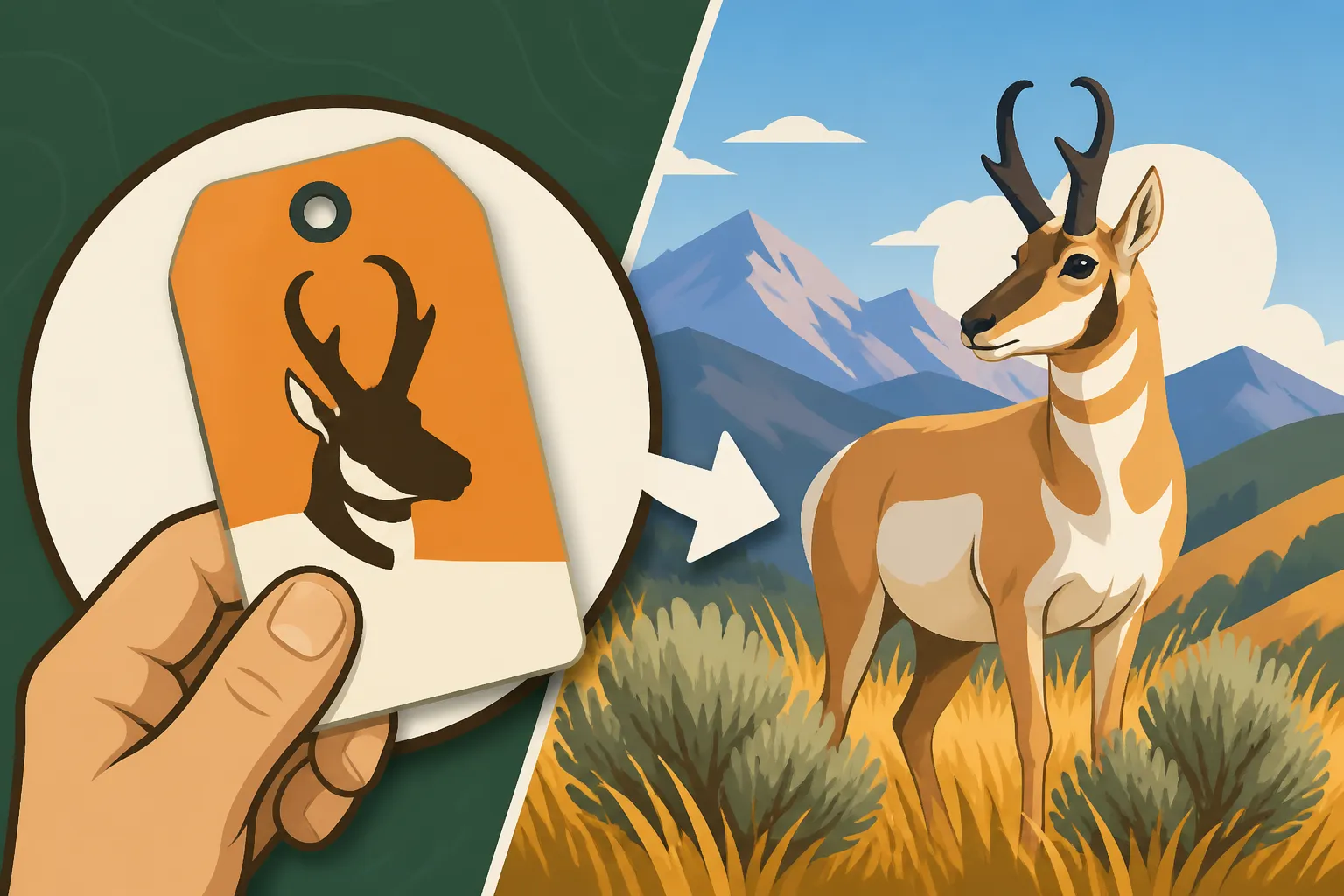
Trying to navigate the Colorado Parks and Wildlife (CPW) big game draw can feel like deciphering an ancient scroll, especially when you have your heart set on a specific animal like a pronghorn. The system of preference points, hunt codes, and application timelines can be incredibly frustrating and intimidating, often leading hunters to just guess or skip the draw entirely. This comprehensive guide is here to demystify the process, walking you through everything you need to know to successfully apply for and hopefully draw a coveted Colorado pronghorn tag.
Understanding the Colorado Pronghorn Draw System
Let's be honest, the Colorado draw system isn't always the most intuitive. It’s a complex beast designed to allocate a limited number of tags across a huge pool of eager hunters, ensuring fair chase and wildlife management. For pronghorn, specifically, many of the prime units are only accessible through the draw, meaning you can't just walk into a sporting goods store and buy an over-the-counter (OTC) tag. This makes understanding the draw system paramount if you dream of hunting one of these incredible animals on the plains or in the high desert of Colorado.
Preference Points and How They Work for Pronghorn
At the heart of Colorado's draw system, particularly for species like pronghorn, are preference points. Think of these as loyalty points. Every year you apply for a limited tag but are unsuccessful, you accrue one preference point (as long as you pay the application fee and select the preference point option). These points then give you a leg up in future draws. It's a system that rewards persistence, ensuring that eventually, those who stick with it will get a chance at a tag. For pronghorn, the number of points required for desirable units can vary wildly, from 0 to 5 or more, depending on the unit, the specific tag (buck or doe), and the overall demand. For a deeper dive, you might find our guide on how Colorado Preference Points Work to be incredibly helpful.
Imagine you're aiming for a buck pronghorn tag in a well-known unit on the Eastern Plains, say near Limon or Sterling. Units like GMU 103 or 104 often require several points because they consistently produce good quality animals and offer accessible terrain. If you're a first-time applicant, going for one of these high-demand units without any points is like buying a single lottery ticket for a massive jackpot – possible, but highly improbable. The key is to start accumulating points, even if it means applying for a point only for a few years. It’s a long-term strategy, but it’s often the most reliable path to drawing a quality tag. Tools like GoHunt's insider data can be incredibly valuable here, showing you the historical draw odds and points required for specific units.
Key Dates and Deadlines for Pronghorn Applications
Missing a deadline in the Colorado draw system is like missing the bus – you're simply out of luck for the year. The primary draw application period for most big game, including pronghorn, typically opens in March and closes in early April. For example, in recent years, the deadline has often fallen around the first Tuesday in April. It's absolutely critical to mark these dates on your calendar, set reminders, and apply well in advance to avoid any last-minute technical glitches.
Here’s a simplified breakdown of the general timeline for a typical year:
| Event | Approximate Dates (Subject to Change Annually) | Key Action |
|---|---|---|
| Application Period Opens | Early March | Begin researching units and hunt codes. |
| Application Deadline | Early April (e.g., April 2nd) | Submit your application online, pay fees. |
| Draw Results Posted | Late May/Early June | Check your CPW account for draw status. |
| Payment Deadline for Drawn Tags | Mid-June | Ensure funds are available if successful. |
| Secondary Draw Application | Late June/Early July | Apply for leftover tags if unsuccessful in primary. |
| Leftover Tags Available | Early August | Purchase remaining OTC or limited tags. |
It's vital to remember that these dates can shift slightly each year, so always check the official Colorado Parks and Wildlife website for the most current regulations and application brochures. Don't rely on outdated information! Our guide to Colorado Big Game Draw Deadlines can also help keep you on track.
Essential Licenses and Requirements Before You Apply
Before you can even think about putting in for a pronghorn tag, there are a few foundational requirements you need to meet. First and foremost, you'll need to purchase an annual Colorado hunting license. For non-residents, this is a bit more involved, as you'll likely need to purchase a qualifying license (often a small game or fishing license) before you can apply for big game. This ensures you're a registered participant in the state's wildlife management. You'll also need a Habitat Stamp, which contributes directly to conservation efforts across the state.
If you're under a certain age or haven't hunted before, you'll also need to complete a hunter education course. Colorado takes hunter safety seriously, and proof of certification is mandatory. This is a one-time requirement for most, but ensure your records are updated with CPW. For out-of-state hunters, certifications from other states are generally accepted, but always double-check. Don't wait until the last minute to get these prerequisites sorted, as delays can derail your entire draw strategy. You can find more detailed information in our article on How to Apply for a Colorado Hunting License.
Navigating the Application Process for Pronghorn
Once you've got your ducks in a row with licenses and dates, it's time to tackle the application itself. This is where many hunters get overwhelmed, but breaking it down step-by-step makes it much more manageable. The CPW online application portal is relatively user-friendly, but understanding the specific terminology and options is crucial.
Choosing the Right Hunt Code and Unit
This is arguably the most critical step in your application. Every specific hunt – a buck pronghorn in Unit 102 during archery season, for example – has a unique "hunt code." This code dictates the species, sex, unit, season, and weapon type. Pronghorn hunts are generally divided into buck (antlered) and doe (antlerless) tags, and then further by weapon type (archery, muzzleloader, or rifle) and specific season dates.
Your goal here is to align your preference points, hunting style, and desired outcome with a realistic hunt code. If you have 3 preference points and want to hunt a trophy buck, you'll be looking at different units and codes than someone with 0 points just hoping to get any doe tag. Many hunters use resources like GoHunt's MRS (Membership Research Service) to filter hunt codes by success rates, public land access, and point requirements. Understanding Colorado Hunt Codes Explained is key to making an informed decision. For instance, a hunt code like "P-M-102-1-R" might mean Pronghorn, Male (buck), Unit 102, 1st Rifle Season, which would be a highly coveted tag.
Group Applications vs. Individual Strategy
Colorado allows for group applications, which can be a double-edged sword. If you're hunting with a buddy or family, applying as a group means that if one person draws, everyone in the group draws. The catch? Your application is only as strong as the person in the group with the fewest preference points. So, if you have 5 points and your buddy has 0, your group application will be considered a "0-point" application.
This strategy is excellent for ensuring everyone gets a tag together, but it can significantly reduce your odds of drawing a high-demand tag if there's a large point disparity within your group. For pronghorn, where point creep (the gradual increase in points required to draw a tag) can be a factor in desirable units, it often makes sense for hunters to apply individually for a few years to build up points, then potentially form a group once everyone has a similar, higher point total. If your primary goal is to get any tag for a group experience, then applying together might be the right move, aiming for units that consistently draw with 0-1 points.
Common Pitfalls to Avoid During Application
The Colorado draw system has its share of traps for the unwary. One of the most common pitfalls is simply forgetting to select the "preference point only" option if you don't want a tag this year or know you won't draw your first choice. If you apply for a hunt code you don't draw, and don't explicitly choose the preference point option, you might not earn a point for that year, effectively losing a year of building points. This is a critical detail in our Colorado Draw System and Preference Points guide.
Another frequent mistake is applying for a unit that has virtually no chance of being drawn with your current point total. While it's fun to dream of a trophy unit, being realistic about your points is crucial. Using draw odds data from previous years is your best friend here. Also, double-check all your personal information – address, hunting license number, credit card details – before submitting. A simple typo can invalidate your application or cause delays if you do draw. Ensure your credit card has sufficient funds for the tag if you are successful, as CPW will charge your card automatically upon drawing a tag. Failure to pay will result in a forfeiture of the tag and potentially your preference points for that year.
Maximizing Your Chances: Strategies for Drawing a Pronghorn Tag
Drawing a pronghorn tag, especially for a quality buck hunt, isn't always easy. But with a smart strategy, you can significantly improve your odds. It's about combining research, patience, and a bit of calculated risk.
Researching Draw Odds and Unit Demographics
This is where the real homework comes in. Colorado Parks and Wildlife publishes draw statistics from previous years, showing the number of applicants, points required, and success rates for every hunt code. Spend time poring over these reports. Look for trends: Is the number of points for your target unit increasing steadily (point creep)? Are there units that consistently draw with 0 or 1 point for a doe tag, making them good options for building experience or simply getting out in the field?
Private services like GoHunt offer even more sophisticated tools, often presenting this data in user-friendly formats with filters and predictive analysis, helping you sort through the complexity. Consider factors like public land access within a unit (BLM land, State Trust Land, etc.), which you can identify using the Colorado Hunting Atlas Explained. Some units might require more points but offer significantly more public land and higher hunter success rates, while others might have lower point requirements but be heavily private. It's about finding the balance that fits your hunting style and patience level. Our detailed guide on How Many Points for a Colorado Pronghorn Tag provides specific examples and data analysis to help you make these decisions.
Building or Burning Preference Points Strategically
Your preference point strategy will be highly personal. If you're new to Colorado or just starting your pronghorn journey, your priority should likely be building points. This means applying for a preference point only for a few years while you research units and save up. This is a low-cost way to accumulate points without risking drawing a tag in a unit you're not prepared for or don't really want.
Once you have a few points, you can start looking at units that historically draw within your point range. This is often referred to as "burning" your points – using them to draw a tag. A common strategy is to identify a "dream tag" unit that requires, say, 5 points, and a "backup unit" that requires 2-3 points. When you hit 5 points, you put in for your dream unit. If you're unsuccessful, you still retain your points. If you're successful, your points reset to zero. The trick is knowing when to hold 'em and when to fold 'em, balancing your desire for a tag with the long-term goal of drawing a premium unit. For those looking for a challenging but rewarding experience, understanding Colorado Archery Elk Hunting Guide might offer insights into strategic point management for other species, too.
Considering Leftover and Secondary Draw Opportunities
Even if you don't draw in the primary lottery, your hunt isn't necessarily over! Colorado has both a secondary draw and a leftover tag list. The secondary draw typically opens in June or July and offers another chance to apply for tags that went undrawn in the primary draw. These are usually tags in less popular units or for less sought-after seasons or sex (e.g., doe tags in units with ample animals). While the selection might not be as vast as the primary draw, it's a great opportunity for hunters with few or no preference points to still secure a tag.
Following the secondary draw, any remaining tags are sold over-the-counter on a first-come, first-served basis, typically starting in early August. These are often called "leftover tags." While premium buck tags are almost never available as leftovers, you can often find quality doe tags or tags for less accessible units. This is particularly appealing for those looking for a meat hunt or a first-time experience. Be ready to act fast on leftover day, as these tags can disappear within minutes for popular units. Our comprehensive guide on Colorado Leftover Tags Explained will provide more insights into this exciting last-chance opportunity.
What to Do After the Draw Results are Posted
The day draw results are posted can feel like Christmas morning for some and a lump of coal for others. No matter the outcome, knowing what to do next is crucial for both planning your hunt or strategizing for the following year.
Understanding Your Draw Results
When the results go live, you'll log into your CPW account to check your status. If you drew, congratulations! You'll see which hunt code you received. If you didn't draw, it's important to understand why. Did you gain a preference point? Or did you apply for a tag and not draw it, but also fail to elect for a preference point, effectively wasting a year? The CPW system will usually indicate your point gain or status. Take a moment to review the draw statistics for the year you just applied. This information helps inform your strategy for next year, allowing you to see if the points required for your desired unit increased or decreased.
If you are successful, ensure your payment information is current and funded. CPW will charge your card for the tag cost shortly after results are posted. Failure to pay will mean you forfeit the tag and your hard-earned preference points, which would be a heartbreaking scenario after all that waiting. Once paid, your tag will typically be mailed to you, though some options for electronic tags may be available.
Options for Unsuccessful Applicants
For those who didn't draw a pronghorn tag in the primary lottery, don't despair! This is a common experience, and it's part of the game. First, confirm that you indeed received a preference point for the year. This is your consolation prize and a step forward for next year. Then, start looking at the secondary draw. There might be some excellent opportunities for doe tags or even buck tags in less competitive units. It's a great way to get out and hunt without having to wait another full year.
Next, keep an eye on the leftover tag list. As mentioned, these can be fantastic options, especially for a meat hunt or if you're flexible on your unit choice. Be online and ready to purchase as soon as they become available. Finally, if all else fails for the current year, it's time to refine your strategy for next year. What would you do differently? Would you apply for a less competitive unit? Would you focus solely on building points? Resources like the Colorado Pronghorn Draw Odds Explained can help you analyze past data to inform your future decisions.
Preparing for Your Hunt (Once You Draw!)
Drawing a pronghorn tag is just the first step – now the real fun and preparation begin! Pronghorn hunting often involves a lot of glassing and walking on open terrain, so physical conditioning is essential. Start hiking, practicing your shooting from various field positions, and getting your optics dialed in. Our guide on How to Glass for Colorado Mule Deer offers great tips that are transferable to pronghorn, as glassing is crucial for spotting these animals across vast landscapes.
Scouting is also key. If you can, make a trip out to your drawn unit to familiarize yourself with the terrain, public land access points, and potential water sources. Even if you can't go in person, e-scouting with tools like OnX maps can give you a significant advantage. Focus on identifying areas with good forage, water, and escape cover where pronghorn might frequent. Understanding Colorado Pronghorn: Where to Find Them will give you a better idea of typical pronghorn habitats and behaviors. Good luck out there – may your aim be true and your freezer be full!
Disclaimer
Please remember that hunting regulations, season dates, and draw procedures in Colorado are subject to change annually by Colorado Parks and Wildlife (CPW). While we strive to provide the most current and accurate information, it is always your responsibility to consult the official CPW website and current year's hunting brochures before applying for any tags or heading into the field. This guide is for informational purposes only and should not be considered legal advice or a substitute for official CPW resources.