Colorado Archery Season Dates and Rules
Trying to figure out Colorado's archery season dates and rules can feel like deciphering an ancient scroll, especially when you're just trying to plan your next hunting adventure. It's easy to get lost in the sea of regulations, special draw codes, and overlapping seasons for different species. This comprehensive guide is here to cut through the confusion, helping you understand the ins and outs of Colorado's archery seasons for big game so you can prepare with confidence.
Navigating Colorado's Archery Elk and Deer Seasons
For many, archery hunting in Colorado conjures images of crisp mountain mornings, bugling bulls, and the intense satisfaction of a close-range encounter. But before you can even dream of drawing your bow, you absolutely have to nail down the specifics of the season dates and understand how they apply to the game you're after. This isn't just a suggestion; it's the foundation of a legal and successful hunt.
Understanding Key Dates and How They Differ by Species
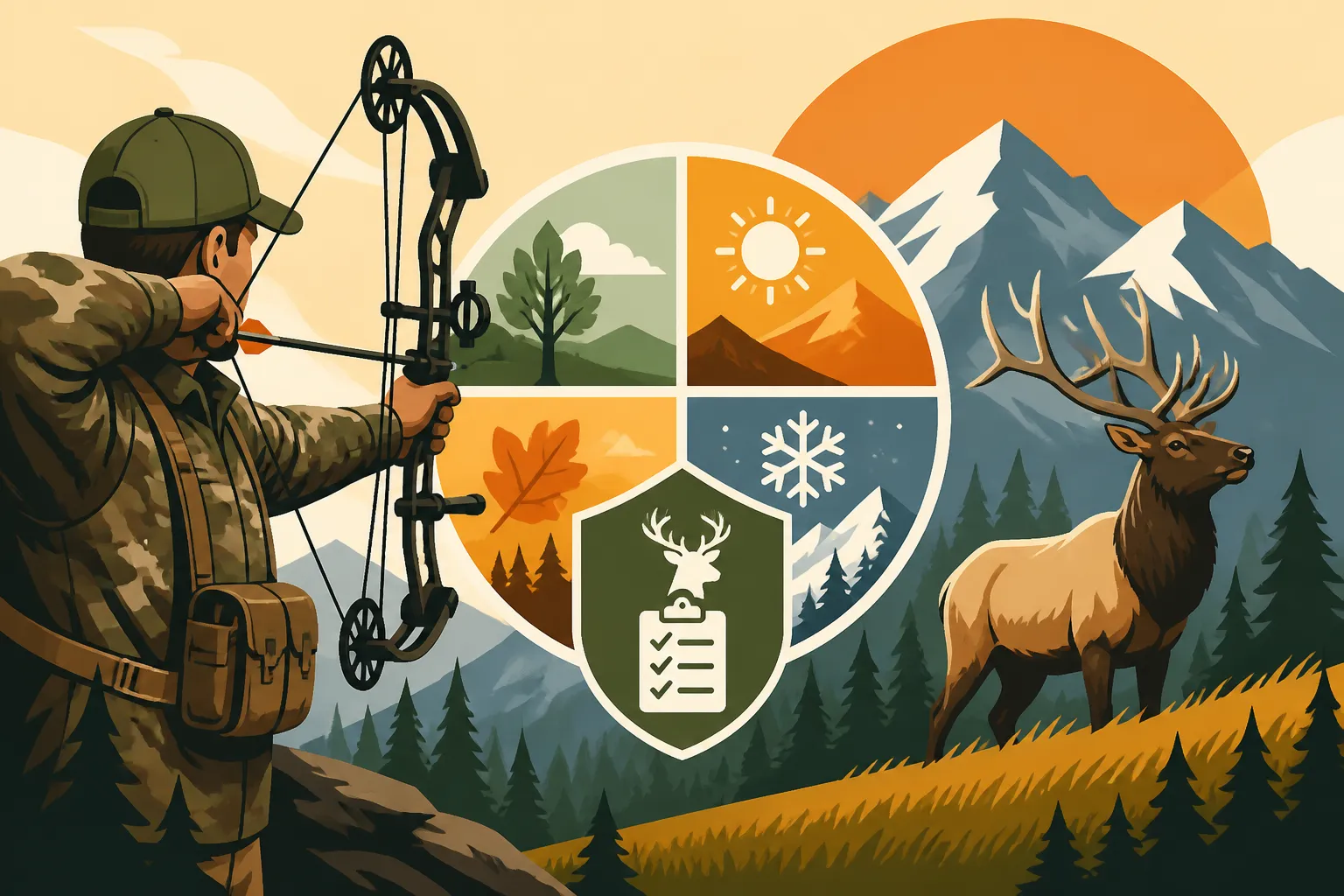
Colorado's archery season for elk and deer typically runs concurrently, offering a fantastic opportunity for hunters to pursue both species if they hold the appropriate tags. Generally, the statewide archery season for both elk and mule deer begins in late August and extends through late September. This period is a hunter's dream, as it often overlaps with the highly anticipated elk rut, providing chances to call in responsive bulls. For mule deer, while the rut isn't in full swing, it's still a prime time to find them in their summer feeding patterns before they feel significant hunting pressure.
It's crucial to remember that while these general dates provide a framework, there can be subtle differences. For instance, certain units might have extended archery opportunities, particularly for cow elk in specific management units later in the fall or early winter, often designed to meet population reduction goals. Similarly, while the main archery season is fairly straightforward, understanding specific dates for other species like bear or pronghorn, which can sometimes be hunted concurrently with elk and deer, is another layer of planning. Always, and I mean always, double-check the current year's Colorado Parks and Wildlife (CPW) big game regulations brochure. Relying on outdated information is a sure-fire way to ruin a hunt or, worse, face legal repercussions.
The Importance of Specific Unit Regulations
Here's where things get really nuanced and where many hunters, especially those new to Colorado, can stumble. While there's a statewide archery season, the rules within those dates can vary wildly depending on the specific Game Management Unit (GMU) you plan to hunt. These variations are primarily driven by herd management objectives. You might find units with antler point restrictions (APRs) for elk or deer, meaning bulls or bucks must have a minimum number of points on one antler to be legally harvested. Other units might be "either-sex" for a portion of the season, allowing the harvest of a cow or a bull, then transitioning to "antlered-only" or "antlerless-only."
It’s not just about the animal's antlers, either. Some GMUs might have specific restrictions on private land access, or certain wilderness areas could have unique regulations. This is where tools like the Colorado Hunting Atlas become your best friend, allowing you to visually explore public land, private land, and unit boundaries. When you’re researching potential areas, cross-referencing these maps with the detailed regulations for that specific GMU is non-negotiable. Many experienced hunters use services like GoHunt to dive deep into unit data, including draw odds, harvest success rates, and specific regulations, which can be a huge time-saver compared to sifting through endless pages of regulations manually. Understanding Colorado Hunting Units (GMUs) Explained can dramatically simplify your pre-hunt research.
Essential Rules and Regulations for Colorado Archery Hunters
Once you've locked down your dates and chosen your GMU, the next critical step is ensuring your gear and licenses are in complete compliance. Colorado is pretty clear on what's legal and what's not, but it's up to you to know the details.
Weapon Restrictions and Equipment Requirements
Colorado has specific requirements for archery equipment to ensure humane and ethical harvesting of big game. For elk, deer, bear, and moose, your bow must have a minimum draw weight of 35 pounds. For pronghorn, mountain lion, and bighorn sheep, it's also 35 pounds. The arrow itself must be at least 20 inches long from the nock to the end of the shaft, and it needs to be fitted with a broadhead.
Now, about those broadheads:
- They must have at least two cutting edges.
- The minimum cutting diameter for a broadhead is 7/8 inch.
- It cannot be a barbed broadhead.
- Mechanical broadheads are perfectly legal in Colorado, provided they meet the minimum cutting diameter when expanded.
- Electronic devices attached to the bow or arrow that project a beam of light (like laser sights) are generally prohibited for aiming purposes. However, illuminated nocks are legal as they don't aid in aiming.
Crossbows are typically considered archery equipment in Colorado but are generally restricted to hunters with a certified mobility-impaired hunter permit, or during specific crossbow seasons if offered (always check current regs). It’s not just about what you can use, but what you must not use. For example, poisonous or explosive arrows are strictly forbidden. Double-checking these specifications before you head afield can save you a lot of grief. For a deeper dive into the tools of the trade, consider reading Best Archery Setups for Colorado Elk to ensure your equipment is top-notch and legal.
Tag Requirements and Hunting License Fundamentals
You can have the perfect bow and broadhead, but without the correct paperwork, you're not going anywhere. Every hunter pursuing big game in Colorado needs a valid hunting license. On top of that, you'll need a Habitat Stamp, which contributes directly to wildlife conservation efforts across the state. These are standard, annual requirements.
Beyond the general license and stamp, you need species-specific tags. For archery elk and deer, Colorado offers a mix of over-the-counter (OTC) tags and limited draw tags. OTC archery elk tags are a huge draw for non-residents and residents alike, offering flexibility without needing to accumulate preference points. However, many mule deer tags and certain prime elk tags are only available through the limited draw. This means you’ll apply months in advance, often in April, and hope you draw a tag for your chosen unit and species.
Understanding the difference between an OTC archery tag and a draw tag is crucial for planning. OTC tags are purchased directly without applying in the draw, usually available starting in August before the season. Draw tags require an application, which means you'll need to learn How to Apply for a Colorado Hunting License and familiarize yourself with the Colorado Draw System and Preference Points. Don't forget that if you're a non-resident, your tag costs will be significantly higher, and there are specific allocations for non-residents in the draw. Services like GoHunt are invaluable for analyzing draw odds and strategizing your applications to maximize your chances of securing those coveted limited tags.
Planning Your Archery Hunt: Beyond the Dates
Knowing the dates and rules is step one. Step two involves translating that knowledge into a concrete hunt plan. This means understanding where to focus your efforts, what kind of tag to pursue, and most importantly, how to be an ethical and responsible hunter.
Over-the-Counter OTC Opportunities vs. Draw Units
The choice between an over-the-counter (OTC) archery tag and a limited draw tag often dictates the entire character of your hunt. OTC archery elk tags are widely available for much of Colorado's public land, offering incredible flexibility for hunters who might not have accumulated preference points or prefer to hunt different areas year to year. These tags are a fantastic entry point for new Colorado elk hunters or those on a budget, as they eliminate the uncertainty of the draw. However, OTC areas can experience more hunter pressure, especially during the peak rut. You might need to hike deeper or hunt smarter to find unpressured elk. For more detail, check out Colorado OTC Elk Tags Explained.
On the flip side, draw units typically offer better success rates and potentially higher quality animals because hunter numbers are controlled. These tags often require significant preference points, meaning you might wait several years to draw a coveted unit. This strategy is for those playing the long game, targeting specific, high-demand areas. When using platforms like GoHunt, you can filter units by draw success rates, harvest data, and public land access, helping you decide whether to go for the readily available OTC tag or invest in the draw system for a premier unit. Your decision will heavily influence your Colorado Archery Elk Hunting Guide approach.
Ethical Considerations and Hunter Responsibility
Beyond legality, ethical hunting practices are paramount, especially during the archery season. The relatively close-range nature of archery shots means that quick, clean kills are the goal. This necessitates rigorous practice with your equipment, knowing your maximum effective range, and passing on marginal shots. Nothing tarnishes a hunt faster than an unethical shot and a lost animal.
Retrieval is another major ethical and practical consideration. Elk are huge animals, often found in steep, rugged terrain. If you're fortunate enough to make a successful shot, you'll need a plan for How to Pack Out an Elk in Colorado. This often involves quartering the animal in the field, which requires specific knowledge and tools. Respecting private land boundaries is non-negotiable; always know exactly where you are, using reliable GPS apps like onX Hunt. Additionally, packing out all your trash, minimizing your impact, and sharing the woods respectfully with other users (hikers, campers, other hunters) reflects well on the hunting community as a whole. A responsible hunter understands that their actions contribute to the public perception and future of hunting.
Season Dates at a Glance: Colorado Archery Big Game
To help you get a handle on the typical archery season structure, here's a general overview. Always confirm with the official CPW regulations for the current year, as dates can shift slightly!
| Species | Typical Archery Season Dates (General) | Common Tag Type | Key Considerations |
|---|---|---|---|
| Elk | Late August – Late September | OTC & Draw | Overlaps with the rut; high hunter numbers in OTC units. |
| Mule Deer | Late August – Late September | OTC & Draw | Typically OTC antlered in limited areas, mostly draw. |
| Black Bear | Early September – Late September | OTC & Draw | Often concurrent with elk/deer season. Requires separate tag. |
| Pronghorn | Mid-August – Mid-September | Draw Only | Primarily plains units; limited draw. |
This table provides a quick reference, but remember that specific GMUs or special seasons can have variations. Tools like GoHunt's filter system can help narrow down options based on these species and your desired season type. Learning Colorado Elk Season Dates Guide and Colorado Mule Deer Season Dates and Tags are excellent next steps in your planning.
Ultimately, archery hunting in Colorado offers a challenging and deeply rewarding experience. By diligently researching the season dates, understanding the unit-specific rules, ensuring your equipment is legal, and committing to ethical practices, you set yourself up for a successful and memorable adventure. It might seem like a lot to take in, but with careful planning, those mountain slopes will feel a lot less daunting.
Disclaimer
Please be aware that hunting regulations, season dates, and unit boundaries in Colorado are subject to change annually by Colorado Parks and Wildlife (CPW). This guide provides general information based on typical patterns. It is your sole responsibility to consult and adhere to the most current official CPW Big Game Hunting Brochure and any emergency regulations before planning or undertaking any hunting activity. Failure to do so could result in fines, penalties, or loss of hunting privileges.