Colorado Muzzleloader Season Dates and Rules
Figuring out the ins and outs of Colorado's hunting seasons can feel like trying to solve a complex puzzle, especially when you're zeroing in on a specific method like muzzleloading. Many hunters are drawn to the unique challenge and prime timing of muzzleloader season, but the specific dates, equipment rules, and tag acquisition methods can be a real head-scratcher. This guide is here to break down everything you need to know about Colorado's muzzleloader season dates and rules, ensuring you're prepared and compliant for a successful hunt.
Understanding Colorado's Muzzleloader Season Structure
Colorado's muzzleloader season offers a distinct window of opportunity for hunters looking for a primitive weapons experience, often strategically placed to coincide with periods of heightened animal activity. It's a season that demands precision, preparation, and a deep understanding of the regulations, as it stands apart from the broader rifle and archery seasons.
Key Dates for Muzzleloader Season
Typically, Colorado's muzzleloader season for elk and deer falls in mid-September, nestled right between the archery season and the first rifle season. This timing is no accident; it often aligns perfectly with the early stages of the elk rut, or at least the pre-rut excitement, making for some truly unforgettable hunting experiences. While the exact dates can shift slightly year-to-year based on the Colorado Parks and Wildlife (CPW) five-year season structure, hunters can generally mark their calendars for about nine days in the second or third week of September.
For instance, in recent years, the muzzleloader season has typically started around the second Saturday of September and run through the following Sunday. This mid-September window means you'll likely be hunting during crisp mornings and mild afternoons, with the aspens just starting to turn golden in the high country. It's a beautiful time to be in the mountains, but also a time when big game animals are actively moving and potentially vocal, especially bull elk. Always, always double-check the current year's official CPW Big Game brochure for the precise dates, as failing to do so could lead to a ruined hunt or, worse, legal issues. You can find more details on general season timings in our comprehensive guide, Colorado Hunting Seasons Explained.
The Role of the Draw and OTC Opportunities for Muzzleloader Hunters
Unlike some of Colorado's over-the-counter (OTC) rifle seasons, muzzleloader tags for elk and deer are almost exclusively obtained through the limited draw system. This means you'll need to apply for a specific hunt code in the spring, typically by early April. This draw system can be competitive, especially for quality units that consistently produce larger bulls or bucks. You'll use preference points, which you accumulate by applying and not drawing a tag, to increase your odds for these desirable units.
Many experienced hunters, and especially those new to the complexities of the draw, rely on resources like GoHunt to analyze draw odds and strategize their applications. GoHunt's data can help you understand how many preference points are typically needed for certain units and hunt codes, allowing you to make informed decisions. Sometimes, particularly for antlerless (cow) elk or certain deer units, there might be leftover tags available after the main draw, but these are rare for prime muzzleloader bull or buck opportunities and are usually picked up quickly. It's crucial to understand Colorado Preference Points Explained if you plan to consistently hunt Colorado's best units.
Essential Rules and Regulations for Muzzleloader Hunting
Muzzleloader hunting in Colorado isn't just about using a different type of firearm; it's about adhering to a specific set of rules designed to preserve the primitive nature of the hunt. These regulations cover everything from the equipment you can use to the hours you can hunt, and understanding them perfectly is non-negotiable for a legal and ethical pursuit.
Muzzleloader Equipment and Ammunition Restrictions
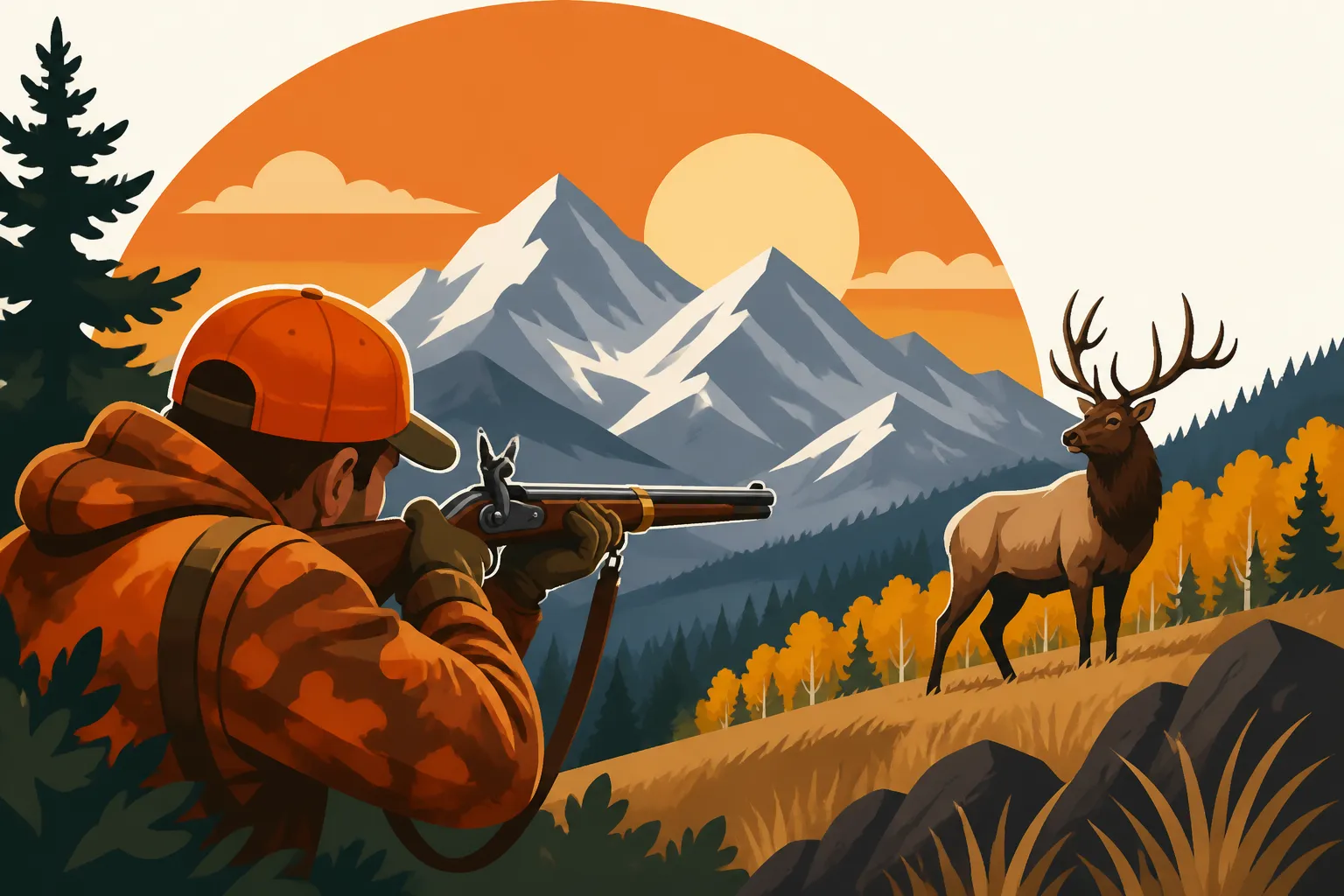
Colorado's regulations for muzzleloader equipment are quite specific, aiming to keep the playing field fair and the challenge intact. For starters, your muzzleloader must be at least .40 caliber for deer and pronghorn, and at least .50 caliber for elk and moose. This ensures sufficient knockdown power for humane kills. Perhaps the most significant restriction is the open sights only rule – scopes, red dots, or any magnification devices are strictly prohibited. You'll be relying on iron sights, which demands a different level of shooting proficiency and practice.
Furthermore, only a single projectile, such as a round ball or conical bullet, loaded from the muzzle, is permitted. Sabots, which are plastic sleeves that allow you to shoot smaller-diameter bullets, are generally allowed, but you cannot use a bullet that has a self-contained cartridge or requires a breech-loading action. Electronic ignitions or any system that relies on smokeless powder are also out. Only black powder or an approved black powder substitute (like Pyrodex or Triple Seven) can be used. This commitment to traditional methods is what truly defines the Colorado Muzzleloader Hunting Guide. To prepare properly, consult our guide on the Best Muzzleloader Setup for Colorado.
Legal Shooting Hours and Bag Limits
Just like other big game seasons, muzzleloader hunters must abide by strict legal shooting hours. These hours are typically from one-half hour before sunrise to one-half hour after sunset. This specific timeframe is critical to remember; it’s not just when you feel like you have enough light, but when the regulations state you do. Hunting outside these hours is a serious offense. You'll want to carry a reliable watch or use a hunting app that calculates sunrise and sunset times for your specific location.
Regarding bag limits, these are clearly outlined on your tag. Most muzzleloader tags are for a single animal—one bull elk, one buck deer, or one cow elk, depending on what you drew. Always verify your specific hunt code and tag details, as some units may offer antlerless opportunities or unique regulations. For instance, an "either-sex" tag allows you to harvest either a bull or a cow, while a "bull only" tag restricts you to antlered animals, usually requiring a certain number of antler points. Understanding these distinctions is vital, as harvesting the wrong sex or animal type is considered a violation.
Planning Your Colorado Muzzleloader Hunt
A successful Colorado muzzleloader hunt isn't just about showing up with the right gear; it's about meticulous planning, from choosing your hunting grounds to getting your body ready for the rugged terrain. The unique timing of muzzleloader season, often coinciding with the early rut and variable mountain weather, adds layers to this planning process.
Scouting and Unit Selection for Muzzleloader Season
Choosing the right GMU (Game Management Unit) is arguably the most critical decision you'll make, especially for a draw-only season like muzzleloader. Researching draw odds, success rates, and game populations for specific units is essential. Tools like GoHunt's Insider platform offer invaluable data, helping hunters analyze historical draw success and animal harvest statistics. You can filter by species, weapon type, and even point requirements to find units that fit your preferences and point totals. Look for units known for healthy elk or deer populations, good public land access, and terrain suitable for muzzleloader hunting, which often means areas with timber and open parks where you can still effectively use open sights.
E-scouting is your best friend here. Before you ever step foot in Colorado, spend hours on mapping applications like OnX Hunt, studying topography, identifying potential bedding areas, feeding grounds, water sources, and travel corridors. Focus on north-facing slopes for bedding, south-facing slopes for early morning feeding, and saddles or benches for natural travel routes. Early fall is a transition period, and animals might be shifting from summer range, so understanding Colorado Elk Migration Patterns can give you an edge. Consider areas that offer a good mix of timber and open country, allowing for spot-and-stalk tactics while still providing concealment. For more detailed insights, check out our guide on How to E-Scout Before a Colorado Hunt.
Physical Preparation and High-Altitude Considerations
Colorado's mountains are no joke, and hunting them with a muzzleloader in September can be particularly demanding. The elevation, often ranging from 8,000 to over 11,000 feet, will test your cardiovascular fitness. Even if you're coming from a relatively fit background, the thin air can quickly lead to shortness of breath, fatigue, and even altitude sickness. Start a rigorous fitness regimen months in advance, focusing on hiking with a weighted pack, stair climbing, and general cardio endurance.
Altitude sickness can severely impact your hunt, turning an exciting adventure into a miserable and potentially dangerous situation. Symptoms can include headaches, nausea, dizziness, and extreme fatigue. Hydration is key, and acclimating for a day or two at a lower elevation before heading into the high country can make a significant difference. Consider arriving in Colorado a few days early to let your body adjust. Packing light but effectively is also crucial, especially if you plan to hunt deep in the backcountry. For a complete breakdown, refer to How to Physically Prepare for Colorado Elk and Altitude Training for Colorado Hunting. Remember, you're not just preparing to walk; you're preparing to hunt in challenging conditions, which includes potentially packing out hundreds of pounds of meat over rugged terrain.
Why Muzzleloader Season Offers a Unique Colorado Experience
Many hunters who try muzzleloader season in Colorado never look back, drawn by a combination of factors that make it truly special. It's an opportunity that often provides a less crowded environment than rifle season, coupled with the potential to encounter elk and deer during a highly active period.
The Challenge and Reward of Muzzleloader Hunting
There's an undeniable allure to hunting with a muzzleloader. It’s a step back in time, forcing you to rely on fundamental hunting skills and a profound understanding of your weapon's capabilities. The open sights demand closer shots, often within 100-150 yards for most hunters, which means you need to get closer to the animal. This fosters a more intimate and intense hunting experience, where stealth, patience, and woodsmanship are paramount. Each shot carries more weight, given the slower reloading time compared to modern rifles, adding to the intensity.
The satisfaction of harvesting an animal with a muzzleloader is immense. It's a testament to your commitment to the hunt, your shooting discipline, and your ability to navigate the challenges of the field with a more primitive tool. It forces you to become a better hunter, refining your stalking techniques and your ability to read animal behavior. This is why so many consider it the quintessential Colorado Backcountry Hunting Guide experience, truly testing your mettle against the wilderness and the game.
Muzzleloader Season Advantages Less Pressure, Prime Rut Opportunity
One of the biggest advantages of muzzleloader season is often the reduced hunter pressure compared to the general rifle seasons. While not completely devoid of other hunters, the specialized nature of the equipment and the limited draw system mean fewer people in the woods. This can lead to less skittish animals and a more tranquil hunting environment, allowing you to immerse yourself fully in the experience.
Furthermore, the timing in mid-September often coincides with the pre-rut or early rut period for elk, and a similar active phase for deer. This means you have a higher chance of encountering vocal bulls, hearing bugles echoing through the timber, and seeing increased deer movement as they establish territories. This window offers a fantastic opportunity for hunters to engage with animals during their peak activity, employing tactics like calling for elk, which can be incredibly effective when bulls are responsive. For those seeking these unique opportunities, Colorado Archery Elk Hunting Guide tactics can often crossover, emphasizing stealth and close encounters.
Colorado Muzzleloader Season Overview
Here's a quick reference table summarizing the key aspects of Colorado's muzzleloader season for big game.
| Feature | Description | Important Notes |
|---|---|---|
| Typical Dates | Mid-September (approx. 9 days) | Always check the official CPW Big Game brochure for exact dates each year. |
| Tag Acquisition | Primarily via Limited Draw | Apply by early April; preference points often required for quality units. Limited leftover tags may be available. GoHunt can assist with draw odds. |
| Required Caliber | .40 caliber minimum for deer/pronghorn, .50 caliber minimum for elk/moose | Ensures humane harvest. |
| Sights | Open sights only | No scopes, red dots, or magnification allowed. Practice with iron sights extensively. |
| Projectile Type | Single projectile (round ball or conical bullet), loaded from muzzle. Sabots allowed. | No self-contained cartridges or breech-loading. Only one shot per loading. |
| Powder | Black powder or approved black powder substitute (e.g., Pyrodex, Triple Seven) | No smokeless powder or electronic ignitions. |
| Shooting Hours | One-half hour before sunrise to one-half hour after sunset | Adhere strictly to these times. Use a reliable reference for sunrise/sunset for your specific location. |
| Bag Limits | As per your specific tag (e.g., one bull elk, one buck deer, one cow elk) | Carefully verify your hunt code and tag details to avoid violations. |
| Overall Experience | Challenging, rewarding, often less crowded, potential for prime rut encounters | Requires excellent woodsmanship, shooting proficiency, and physical fitness due to altitude and terrain. |
Disclaimer
Please remember that hunting regulations can and do change. While this guide provides a comprehensive overview of Colorado's muzzleloader season, it is absolutely essential to consult the most current Colorado Parks and Wildlife (CPW) Big Game Hunting Brochure each year before you apply for tags or head into the field. This guide is for informational purposes only and should not be considered a substitute for the official regulations.