Colorado 4th Rifle Season Dates
Navigating Colorado's complex hunting season dates can feel like trying to solve a puzzle with half the pieces missing, especially when you're dreaming of a late-season hunt. Many hunters, particularly those new to the state or traveling from afar, often struggle to pinpoint the exact windows for rifle seasons, leading to confusion and missed application deadlines. This comprehensive guide is here to untangle the specifics of Colorado's 4th Rifle Season dates, helping you understand when to plan your hunt, what to expect, and how to best prepare for this unique, challenging, and often rewarding opportunity.
Understanding Colorado's Rifle Seasons and the Draw System
Colorado's hunting structure is famously robust, designed to manage game populations while offering diverse opportunities for hunters. Unlike some states with a single, long rifle season, Colorado breaks its general rifle seasons for elk and deer into multiple, distinct segments. This staggered approach aims to spread out hunter pressure, provide different experiences throughout the fall, and optimize harvest goals for various game management units (GMUs).
The Staggered Rifle Seasons Explained
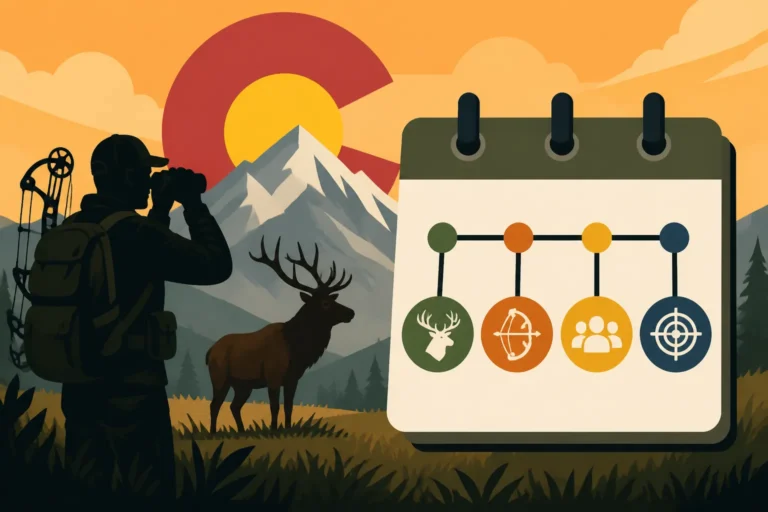
Colorado's rifle seasons typically kick off in mid-October and run through mid-November, divided into four main periods: 1st, 2nd, 3rd, and 4th Rifle Seasons. The first season is usually elk-only, often requiring a drawn tag, and generally has the lowest hunter numbers. The 2nd and 3rd seasons are typically combined elk and deer, offering over-the-counter (OTC) options in many units for elk, but usually requiring a draw for deer. Then comes the 4th Rifle Season, our focus today, which is almost exclusively a limited draw hunt for both elk and deer.
Each season has its own set of dates, weather patterns, and animal behaviors, making the timing of your hunt a critical decision. For instance, the early seasons might see warmer weather and active elk bugling, while the late seasons, like the 4th rifle, are synonymous with colder temperatures, snow, and potential animal migrations. Understanding these distinct periods is the first step in planning a successful Colorado hunt, and for many, the late season allure of the 4th rifle is undeniable, despite its challenges.
How the Draw System Impacts Late-Season Opportunities
The vast majority of 4th Rifle Season tags are allocated through Colorado's primary draw system. This means you can't just walk into a sporting goods store and buy a 4th season tag for most units. You have to apply months in advance, typically by early April, and hope your luck (or your accumulated preference points) is good enough to draw a tag. This system is designed to control hunter numbers in specific units and seasons, especially for highly sought-after limited entry hunts.
For many hunters, especially non-residents, the draw system can be a steep learning curve. It requires careful research into hunt codes, draw odds, and preference point requirements for various GMUs. Websites like GoHunt provide invaluable tools and data for dissecting these complexities, helping hunters make informed decisions about where and when to apply. Without drawing a tag, your chances of hunting the 4th Rifle Season are slim to none, outside of the rare leftover tags or landowner tags, which we'll touch on later. This reliance on the draw system makes the 4th season distinct from some of the earlier, more accessible OTC elk seasons.
The Preference Point System and 4th Season
Colorado utilizes a preference point system for its big game draw, which is incredibly important for anyone hoping to hunt the 4th Rifle Season. For most desirable 4th season elk and deer tags, you'll need to accumulate a significant number of preference points over several years. A preference point basically gives you an advantage in the draw for future applications, increasing your odds of drawing a coveted tag. Each year you apply for a limited draw tag and are unsuccessful, you accrue one preference point (if you select the preference point option).
This means that many hunters eyeing a 4th season hunt are often playing the long game, building points for years to secure a high-demand tag in a prime unit. For example, some trophy units might require 10+ points for a bull elk tag during the 4th rifle season. Understanding Colorado Preference Points Explained is crucial here. If you're new to the state and want a 4th season tag, you might consider applying for a preference point for a few years first, or looking for units with lower point requirements or potential leftover opportunities, though these are often much more difficult to find for the 4th season.
Specific Dates for Colorado's 4th Rifle Season
Pinpointing the exact dates for any Colorado hunting season is paramount, and the 4th Rifle Season is no exception. These dates are set annually by Colorado Parks and Wildlife (CPW), and while they typically follow a consistent pattern, slight variations can occur from year to year. It's always essential to consult the most current CPW Big Game Brochure for the exact season dates to avoid any heartbreaking errors.
Anticipating the Official Season Structure
Generally, the 4th Rifle Season in Colorado takes place in the second half of November. It's usually a shorter season, lasting about five days, unlike the longer 2nd and 3rd rifle seasons which often span nine days. This shorter duration, combined with its limited-entry nature, contributes to its unique character. Hunters often anticipate deep snow and colder temperatures during this time, which can trigger significant elk and deer migration, potentially funneling animals into more accessible areas at lower elevations.
The exact start and end dates shift annually based on the calendar, as the seasons are set to begin on specific days of the week (e.g., the second or third Saturday of the month). This rolling calendar means that while the season consistently falls in mid-to-late November, the precise dates will vary. For planning purposes, hunters should always aim to check the official CPW regulations as soon as they are released, usually in late winter or early spring for the upcoming fall seasons. Many experienced hunters use tools like those on GoHunt to stay updated on these precise dates and potential shifts.
Key Date Ranges to Mark on Your Calendar
While the official dates for future years will need verification, we can look at historical patterns to give you a strong indication. For example, in recent years, the 4th Rifle Season has typically run for approximately 5 days.
Let's look at a recent example, though remember to always check current CPW regulations for the most up-to-date information:
| Season | Approximate Start Date | Approximate End Date | Duration (Days) | Notes |
|---|---|---|---|---|
| 1st Rifle Elk | Mid-October | Mid-October | 5 | Elk only, typically draw only |
| 2nd Rifle | Late October | Early November | 9 | Elk & Deer, often OTC for elk, draw for deer |
| 3rd Rifle | Mid-November | Mid-November | 9 | Elk & Deer, often OTC for elk, draw for deer |
| 4th Rifle | Mid-November | Late November | 5 | Elk & Deer, almost always draw only, specific units and species |
This table provides a generalized overview. The 4th Rifle Season usually begins a few days after the 3rd Rifle Season concludes, offering a brief respite before the final general rifle season. This short window, combined with the late-fall weather, means hunters need to be prepared for intense, focused hunting. For a detailed breakdown of all seasons, you can also consult a guide like Colorado Hunting Seasons Explained.
Understanding Calendar Shifts and Their Impact
The slight shifts in season dates each year might seem minor, but they can have significant impacts on hunting conditions and animal behavior. For instance, if the 4th season starts a few days later, it could mean encountering deeper snow, colder temperatures, and potentially more intense animal migration patterns. A later start could also mean less hunting pressure if the worst of the winter weather has already set in, discouraging some hunters.
Conversely, an earlier start might mean milder conditions but also potentially less snow-driven migration, requiring hunters to be more mobile and adapt to animals that might still be holding in higher country. These subtle shifts can also affect tag availability and draw odds, as hunters might adjust their applications based on perceived weather advantages or disadvantages. It's not just about knowing when the season is, but also understanding the nuances of why those dates matter for animal movement and hunter success. Staying flexible and preparing for a range of conditions is always wise when planning a Colorado 4th Rifle hunt.
Species You Can Hunt During 4th Rifle Season
The 4th Rifle Season is a prime time for big game hunting in Colorado, particularly for elk and mule deer. By mid-to-late November, these animals are often undergoing significant changes in their behavior, driven by breeding cycles and the onset of winter weather. This can present unique challenges and incredible opportunities for the prepared hunter.
Primary Big Game Opportunities: Elk and Deer
Elk are undoubtedly the most popular target during the 4th Rifle Season. As winter begins to bite in the high country, elk herds typically start their migration from summer ranges down to wintering grounds at lower elevations. This movement can concentrate animals, making them more predictable for hunters who understand these patterns. Bulls, having just come off the rut, are often in recovery mode but still susceptible to calling if conditions are right, though spotting and stalking or ambushing migration routes might be more effective. Finding these migrating herds on How to Hunt Colorado Late-Season Migration can be a game-changer.
Mule deer also offer excellent opportunities. Similar to elk, mule deer in the high country will be moving towards their winter range. Crucially, the 4th Rifle Season often overlaps with the tail end of the mule deer rut or the pre-rut staging. This means bucks can be highly active, focused on does, and potentially less wary than earlier in the season. Hunting bucks during this period can be incredibly rewarding, especially if you can locate areas where does are congregating. However, drawing a limited deer tag for 4th season can be even more challenging than drawing an elk tag in some units.
Other Potential Game and Tag Considerations
While elk and mule deer are the primary focus, some limited opportunities for other species might exist in specific units or through special draws during or around the 4th Rifle Season. For instance, some late-season cow elk tags might become available through leftover sales or specific management hunts, though these are typically not part of the general 4th rifle draw. Black bear seasons usually conclude before the 4th rifle, but it's always worth checking the regulations for any unique or extended seasons in specific GMUs.
However, for the general hunter focusing on the 4th Rifle, it's safe to assume your target will be elk or mule deer. The draw for these tags is competitive, and securing one for a good unit is an accomplishment in itself. Don't expect to find many "bonus" opportunities for other species unless you've done extensive research into obscure hunt codes and special licenses. Focus your efforts on the primary targets and the specific hunt code you drew.
Late Season Behavior of Target Species
The late season brings distinct behavioral shifts. Elk, particularly, are driven by two main factors: breeding and survival. By the 4th rifle, the rut is generally over, and bulls are no longer bugling with the same intensity. Instead, they're focused on feeding and recovering energy, often grouping up with cows and calves. Snow can push them down into timbered basins, south-facing slopes, or river bottom areas where forage is easier to access. Hunters need to be prepared for silent hunting, tracking, and glassing large areas to find these wintering herds. Learning How to Find Elk in Deep Timber becomes paramount.
Mule deer, on the other hand, might still be in the thick of their rut or just coming out of it. Bucks will be actively seeking out does, making them more visible and less cautious. Key strategies for mule deer include finding doe groups and then searching for the bucks that will inevitably be nearby. Understanding How Weather Moves Colorado Elk and deer can give you a significant advantage, as fresh snow can reveal tracks and push animals into predictable patterns. This time of year demands patience, resilience, and a deep understanding of winter animal movements.
Pros and Cons of Hunting 4th Rifle Season
Every hunting season in Colorado offers a unique set of advantages and disadvantages, and the 4th Rifle Season is no exception. While it can be incredibly challenging, it also holds the promise of a truly memorable, high-reward hunting experience for those willing to embrace its distinct character.
Advantages: Fewer Hunters, Migration Opportunities
One of the biggest draws of the 4th Rifle Season, especially for those who despise crowds, is the significantly reduced hunter pressure compared to the earlier general seasons. Because tags are almost exclusively limited draw, fewer hunters are in the field in any given unit. This can translate to a more serene experience and potentially less pressured animals, which can be a huge psychological and practical advantage. You won't be competing with a sea of orange in many units, allowing for more strategic and patient hunting.
Furthermore, the 4th season often coincides with major animal migrations. As snow piles up in the high country, elk and deer are forced to move to lower elevations, often funneling through predictable travel corridors. This can concentrate animals, making them easier to locate, track, and intercept. A well-timed snowstorm during your hunt can dramatically improve success rates, as animals are on the move and more visible against a snowy backdrop. For hunters willing to brave the elements, this migration can offer once-in-a-lifetime opportunities to encounter large herds of animals. This is where researching How to Hunt Colorado Late-Season Migration comes into its own.
Disadvantages: Harsh Weather, Limited Tags, Physical Demands
Now for the downsides, and they are significant. The most prominent challenge of the 4th Rifle Season is the weather. Mid-to-late November in the Colorado Rockies means bitter cold, deep snow, high winds, and rapidly changing conditions. You must be prepared for extreme winter camping, frozen gear, and the constant battle against hypothermia. These conditions are not for the faint of heart and demand top-tier gear and meticulous planning. A sudden blizzard can turn a hunting trip into a survival situation if you're not adequately prepared.
The limited nature of the tags is another significant hurdle. As discussed, these are almost entirely draw-only, and many units require years of accumulated preference points to draw a desirable tag. This means it's not a season you can typically decide to hunt spontaneously. The barrier to entry is high, and unsuccessful applicants face the disappointment of not getting a tag for that year. Finally, the physical demands are immense. Navigating deep snow, often at high altitudes, while carrying heavy gear and potentially packing out an animal, requires exceptional physical fitness. You need to know How to Physically Prepare for Colorado Elk for this kind of hunt. It's a true test of endurance and resilience.
Is 4th Season Right for Your Hunting Style?
Considering these pros and cons, it's clear the 4th Rifle Season isn't for everyone. It suits experienced hunters who thrive in challenging conditions, prioritize a less crowded experience, and are willing to invest the time and effort into the draw system. If you dream of hunting elk or big mule deer bucks in their winter habitat, surrounded by snow-covered peaks, and you're prepared for the physical and mental rigors, then the 4th season could be your ultimate Colorado hunting adventure.
However, if you're a beginner, prefer milder weather, or want an easier tag acquisition process, then earlier seasons or perhaps an Over-The-Counter (OTC) archery or 2nd/3rd rifle elk tag might be a more suitable entry point into Colorado hunting. Understanding your own capabilities and preferences is key to choosing the right season. The 4th Rifle Season rewards grit and preparation, but it can also humble even the most seasoned hunter.
Drawing and Acquiring 4th Rifle Season Tags
As we've emphasized, securing a tag for Colorado's 4th Rifle Season is primarily a game of strategy, patience, and understanding the draw system. Unlike the more accessible OTC seasons, these tags are highly coveted and require careful planning well in advance of the hunt itself.
Drawing Success Rates and Point Requirements
The success rates for drawing 4th Rifle Season elk and deer tags vary wildly by unit and the specific species/sex (e.g., bull elk vs. antlerless elk). Generally, tags for mature bull elk or trophy mule deer bucks in prime units will require a substantial number of preference points – often 5, 10, or even more for non-residents. Some less popular units or those with lower animal populations might be drawn with fewer points, or even zero points, but these are exceptions rather than the rule for 4th rifle.
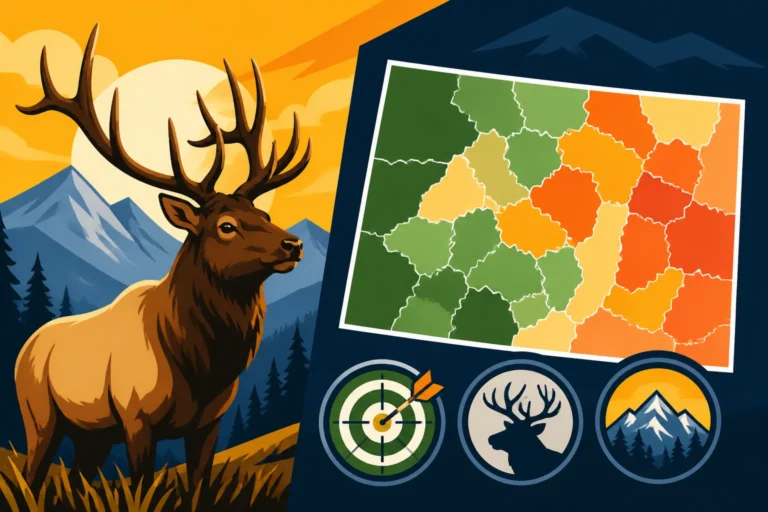
Websites like GoHunt compile extensive draw odds data, showing how many points were required to draw specific hunt codes in previous years. This information is critical for making informed application choices. For example, if a bull elk tag in GMU 76 during 4th rifle required 15 points last year, and you only have 5, it's highly unlikely you'll draw it this year. You'd be better off applying for a unit with lower point requirements or applying for a preference point to build your total for a future hunt. This strategic approach is what separates successful applicants from those who are perpetually disappointed. Understanding How Many Points for a Colorado Elk Tag is fundamental.
Leftover Tag Opportunities for 4th Season
While the vast majority of 4th Rifle Season tags are drawn in the primary draw, there is a very small chance that some tags might become available in the leftover sale. This typically happens if not enough applicants drew the initial allocation or if tags were turned back in by hunters who couldn't use them. However, for 4th Rifle Season, leftover tags are exceptionally rare, especially for desirable units and species. If they do appear, they are often for antlerless (cow) elk or in less accessible units, and they sell out almost instantly.
The leftover sale usually occurs in late summer, giving hunters who were unsuccessful in the primary draw a second chance. While it's worth checking, don't stake your entire 4th season plan on acquiring a leftover tag. These are more of a bonus for lucky or incredibly fast-acting hunters. If you're serious about hunting 4th rifle, plan for the primary draw and aim for a unit you can realistically draw with your current preference points. You can learn more about Colorado Leftover Tags Explained, but be aware that 4th rifle tags are almost a ghost in this process.
Understanding Hunt Codes for 4th Rifle
Colorado's hunt codes are the specific identifiers for each type of tag, combining species, sex, unit, season, and weapon choice. For example, an elk hunt code might look something like "E-E-001-4R," meaning Elk, Either-sex, GMU 001, 4th Rifle. For deer, it might be "D-M-044-4R" (Deer, Male/Buck, GMU 044, 4th Rifle). These codes are critical for applying correctly and understanding exactly what type of tag you're pursuing.
When researching draw odds and applying, you must pay close attention to the specific hunt code. A small difference in the code can mean the difference between a bull elk tag and a cow elk tag, or a general unit and a trophy unit. The CPW Big Game Brochure provides a comprehensive list of all hunt codes, and online tools like GoHunt allow you to search and filter these codes by season, species, and unit to find the tags that align with your preference points and hunting goals. Mastering Colorado Hunt Codes Explained is non-negotiable for anyone navigating the Colorado draw, especially for a complex season like the 4th rifle.
Preparing for a Late-Season 4th Rifle Hunt
A successful 4th Rifle Season hunt in Colorado is as much about preparation as it is about hunting skill. The challenging conditions demand meticulous planning, the right gear, and a significant commitment to physical fitness. Skimping on any of these elements can quickly turn a dream hunt into a miserable, even dangerous, experience.
Essential Gear and Clothing Considerations
The extreme weather of late November in the Colorado mountains means your gear choices are critical. Layering is paramount, starting with a good base layer (merino wool is fantastic), followed by insulating mid-layers, and finally, a waterproof and windproof outer shell. Think multiple hats, heavy gloves, and a neck gaiter or balaclava. Your boots must be insulated, waterproof, and broken-in – a guide like Best Boots for Colorado Elk Hunting can help you choose wisely. Pack extra socks and hand warmers. You'll also need a high-quality, cold-weather sleeping bag and pad if you're camping, rated well below the expected nighttime temperatures.
Beyond clothing, consider cold-weather specific items like a reliable stove that performs in freezing temperatures, fuel, a thermos for hot drinks, and an emergency shelter. Optics become even more important when animals are concentrated and distant; a good pair of binoculars and a spotting scope can make a huge difference in locating animals against snowy backgrounds. Don't forget an emergency communication device, like a satellite messenger, as cell service will be nonexistent in many hunting areas. Every piece of gear needs to be reliable in sub-freezing conditions.
Physical Conditioning for Winter Mountain Hunting
Hunting the 4th Rifle Season demands an exceptional level of physical fitness. You'll likely be dealing with deep snow, steep inclines, and high altitudes, all while carrying a heavy pack. This is not a hunt for someone who hasn't put in the work beforehand. Your fitness plan should go beyond basic cardio and include strength training, especially for your legs and core, and extensive hiking with a loaded pack.
Focus on exercises that simulate mountain travel, such as stair climbing, incline treadmill work, and weighted squats. Consider mock pack-outs with heavy loads to prepare your body for the immense strain of hauling an elk or deer out of the backcountry in snow. Starting your fitness regimen months, if not a year, in advance is ideal. Guides on Altitude Training for Colorado Hunting or How to Prepare for High-Altitude Hunting can provide invaluable insight and specific plans to get you ready. Even if you're hunting lower elevations due to migration, the combination of cold, snow, and rough terrain will still test your limits.
Logistics: Travel, Lodging, and Game Care in Cold Weather
Travel to and from your hunting unit in November can be tricky. Mountain passes might be snow-covered or closed, requiring four-wheel drive and chains. Factor in extra travel time and have backup routes planned. Lodging options might range from rustic cabins and wall tents to full-service hotels in nearby towns. If you're camping, ensure your setup is robust enough for winter conditions; a good quality wall tent with a wood stove can make a huge difference in comfort and morale. Learn How to Set Up a Wall Tent Elk Camp if you plan to go this route.
Game care in cold weather, while challenging, also presents some advantages. The cold helps preserve meat, but you still need to get it quartered and cooled quickly to prevent spoilage, especially if temperatures fluctuate. Have a plan for packing out your animal, whether it's via backpack, horses, or a utility vehicle. If you're successful, consider local meat processors who are accustomed to handling game, or ensure you have the necessary coolers and ice (though ice might be plentiful from nature!) for transport. The colder temperatures mean you can often hang meat for longer, allowing it to age properly, but protect it from scavengers and keep it clean.
Disclaimer
Please be aware that hunting regulations, season dates, and draw requirements for Colorado are subject to change annually by Colorado Parks and Wildlife (CPW). The information provided in this guide is based on general patterns and past regulations but should always be verified with the most current official CPW Big Game Hunting Brochure and regulations before making any final plans or applications. It is the hunter's responsibility to know and understand all applicable laws and regulations.