Colorado Bear Tag Options
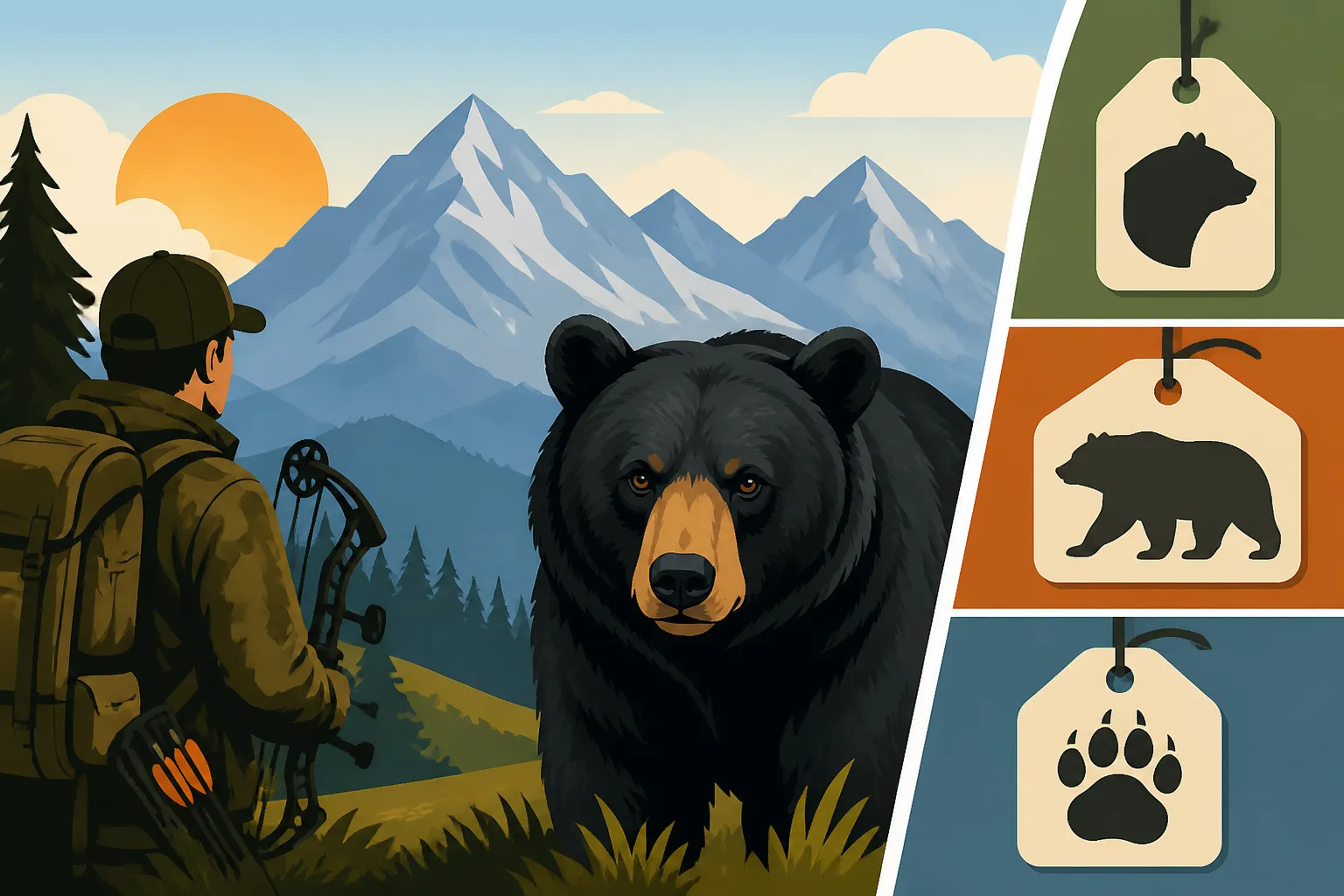
Figuring out the ins and outs of Colorado bear tags can feel like trying to solve a Rubik's Cube blindfolded – especially with all the talk about concurrent seasons, limited draws, and those coveted over-the-counter options. It's easy to get frustrated wading through regulations and online forums trying to piece together a coherent plan. This comprehensive guide is designed to demystify Colorado's bear tag system, offering clear, actionable insights so you can confidently plan your fall bear hunt.
Understanding the Landscape of Colorado Bear Tag Options
Colorado's approach to bear hunting is distinct, largely focusing on fall seasons and managing populations through a mix of draw and over-the-counter (OTC) opportunities that often coincide with other big game seasons. Unlike some other states, Colorado explicitly prohibits baiting and the use of hounds for bear hunting for the general public, shaping the methods hunters use to pursue these intelligent animals. This unique framework means that understanding the tag options isn't just about dates and deadlines; it's about integrating bear hunting into a broader strategy, often alongside an elk or deer hunt.
The Nuances of Fall Bear vs. Spring Bear Hunting
When you first start looking into bear hunting in Colorado, one of the immediate distinctions you'll encounter is the absence of a public spring bear season. This can be a bit of a surprise if you're accustomed to spring bear hunts in other Western states. Historically, Colorado did have spring bear seasons, but these were phased out due to management considerations, specifically concerning cubs and sows emerging from dens. Today, spring bear hunting is generally restricted to specific, tightly controlled situations, primarily on private lands through special licenses often associated with depredation permits or tribal lands. For the vast majority of hunters, especially those relying on public land access, the only game in town is the fall bear season.
The fall bear season in Colorado is a big deal, precisely because it aligns with the most popular big game seasons: archery, muzzleloader, and rifle elk and deer. This strategic overlap isn't accidental; it’s designed to allow hunters to pursue a bear concurrently with their primary big game animal. This means if you've got a rifle tag for elk, you can often add a bear tag to that hunt. The bear tag isn't tied to your elk or deer success either; you can harvest a bear and still fill your other tags, or vice versa. This concurrent approach offers a fantastic opportunity for an additional harvest, but it also means you're often hunting for a bear in the same high-pressure units as other big game hunters, making scouting and strategy all the more critical. The regulations for Colorado Fall Bear Season and Tags are detailed and vary slightly by unit, so checking specific dates for your chosen GMU is always the first step.
Over-the-Counter vs. Limited Draw Bear Tags
The choice between an OTC bear tag and a limited draw tag is perhaps the most significant decision you’ll make when planning your Colorado bear hunt. It dictates your preparation, your expectations, and ultimately, where and when you can hunt.
Over-the-Counter (OTC) Bear Tags: For many hunters, the OTC bear tag is the most accessible option. These are typically available as an "add-on" to a limited big game license (like a rifle elk tag) or sometimes as standalone licenses for specific archery or muzzleloader seasons in certain units. The beauty of OTC tags is their simplicity: you buy it, and you're good to go, no draw necessary. This is especially appealing for non-residents who might find the draw system for elk or mule deer more challenging. However, "OTC" doesn't mean easy. These tags are often available in units that also see high pressure from elk and deer hunters, and finding a bear requires dedicated effort. You'll need to understand the nuances of Colorado Archery Season Dates and Colorado Muzzleloader Season Dates if pursuing those specific options.
Limited Draw Bear Tags: These tags are where preference points come into play for bears. Unlike elk or deer, the demand for limited bear tags isn't quite as intense across the board, but for prime units known for higher bear densities or larger bears, these tags can still be difficult to draw. The limited draw system allocates a fixed number of tags for specific units and seasons, giving hunters who apply a better chance at less pressured areas or specific early fall seasons before the rifle onslaught. Applying for a limited tag means going through the primary draw, typically in April, which requires a bit more foresight and planning. You might use resources like GoHunt's draw odds data to gauge your chances in various units.
Concurrent vs. Standalone Bear Seasons
Colorado's bear seasons are generally designed to run concurrently with other big game seasons, offering maximum opportunity for hunters. This is a critical point that differentiates Colorado from many other states.
Concurrent Seasons: The most common scenario for bear hunting in Colorado involves purchasing a bear tag that runs concurrently with your chosen elk or deer season. For example, if you're planning a Colorado Rifle Elk Hunting Guide trip in the second rifle season, you can often buy a concurrent bear tag that allows you to hunt bear during those same dates. This is incredibly efficient, as you're already in the backcountry, scouting, and covering ground. You're simply adding another species to your pursuit. However, it also means your bear hunting efforts might be secondary to your primary target, or at least strategically integrated. You'll often find bears in similar habitats as elk and deer, especially around food sources like oak brush for acorns or berry patches.
Standalone Seasons: While less common for the general public, certain limited draw bear tags can offer "standalone" seasons. These might be early archery bear seasons in specific units, occurring before the general archery elk or deer seasons, or late-season opportunities after the main rifle seasons have concluded. These standalone seasons can sometimes offer a unique experience with less hunter interference and potentially different bear behavior patterns. However, they are almost exclusively part of the limited draw system, meaning you'll need to apply and potentially build up preference points to secure one. The exact dates and availability of these standalone tags are highly unit-dependent and subject to annual changes by Colorado Parks and Wildlife (CPW).
Navigating the Colorado Bear Draw System
Understanding Colorado's draw system is paramount for any hunter hoping to secure a limited bear tag. It’s a beast of a system, involving preference points, hunt codes, and specific application timelines that can feel overwhelming, especially for new or non-resident hunters. But once you grasp the basics, it opens up a world of opportunities beyond the more crowded OTC units.
The Application Process for Limited Bear Tags
Applying for a limited bear tag in Colorado follows the same general procedure as applying for other big game species, centered around the primary draw. This typically kicks off in early March, with the application deadline usually falling in early April. You'll need to use the Colorado Parks and Wildlife (CPW) online portal to submit your application.
First, you'll need a valid Colorado hunting license and a Habitat Stamp. If you’re a non-resident, you’ll also need to consider the Colorado Non-Resident Hunting License Guide and its associated costs. Once those prerequisites are met, you'll navigate to the draw application section. Here, you'll select "bear" as your species and then choose your desired hunt code. This is where the complexity comes in: each hunt code specifies the Game Management Unit (GMU), the season (e.g., archery, muzzleloader, 1st rifle), and the sex of the animal (e.g., either-sex, male-only if available). You can find these hunt codes in the annual big game brochure, which CPW publishes well in advance of the draw.
The application process allows you to select up to four choices for a limited bear tag. It's smart to research your first choice thoroughly, as that's where your preference points (if any) will be applied. Subsequent choices are usually filled through a random drawing for any remaining tags. Many hunters utilize tools like GoHunt's Insider subscription for detailed draw odds, application strategies, and unit breakdowns, which can save countless hours of research. They centralize information like success rates, public land percentages, and points required, making the labyrinthine process much more manageable.
Preference Points for Bear Tags
Ah, preference points – the currency of the Colorado draw system. For bear tags, preference points work identically to elk and deer. You earn one point for each year you apply for a limited bear tag and are unsuccessful in drawing your first choice. If you don't want to hunt bear but still want to build points for the future, you can apply for a "point only" option during the draw period, effectively putting a placeholder in the system.
Unlike some coveted elk or deer units that can take over a decade to draw, many limited bear tags in Colorado can be drawn with relatively few preference points, and some even with zero points, particularly in less popular units or for certain seasons. This makes building points for a bear tag a more accessible long-term strategy for many hunters. However, just like with any species, the most desirable units – those known for higher bear densities or trophy potential – will require more points. It's crucial to understand how Colorado Preference Points Explained work, and how they accumulate, especially if you're balancing point building for multiple species.
For example, a bear tag in a popular unit might require 3-5 preference points, while another unit might be a 0-1 point draw. Analyzing historical draw results from CPW or using resources like GoHunt's point tracker can give you a realistic idea of what it takes to draw in your desired GMU. The strategy often involves deciding whether to "burn" your points on a moderate tag or continue building for a premium experience down the line.
Understanding Draw Odds
Draw odds are the probability of you successfully drawing a particular tag, and for bear tags, they fluctuate annually based on applicant numbers, available tags, and point creep. This information is vital for crafting a smart application strategy.
What Influences Draw Odds: Several factors play into draw odds:
- Number of Applicants: More applicants for a specific hunt code means lower odds.
- Number of Tags: CPW determines the number of tags based on population objectives and harvest goals. A higher tag quota naturally increases odds.
- Preference Point Distribution: The number of applicants at various preference point levels significantly impacts who draws. If there are many applicants with the same number of points as you, it becomes a random draw within that point pool.
- Non-Resident Quotas: Colorado has specific quotas for non-resident tags, typically 35% of the total available tags for any given hunt code, but this can vary. This means non-residents are competing within a smaller pool, which can sometimes make draw odds tougher.
How to Research Draw Odds: CPW publishes historical draw results, including the minimum points needed to draw and the odds at different point levels. This is your primary source of truth. However, interpreting this raw data can be time-consuming. This is where external tools and platforms come in handy. Services like GoHunt synthesize this data, often providing more user-friendly interfaces, predicted draw odds, and filtering capabilities that allow you to quickly assess your chances for various hunt codes based on your current preference point total. They can help you identify a Colorado Hunt Codes Explained and understand its draw probability.
A common frustration is "point creep," where the number of points required to draw a tag slowly increases over time as more people apply and build points. Staying informed through current data helps mitigate this risk and allows you to adjust your strategy year to year. It's a game of informed predictions, and having access to robust data is your best defense against disappointment.
Over-the-Counter (OTC) Bear Tag Opportunities
For many, the over-the-counter bear tag represents the simplest and most straightforward path to hunting black bears in Colorado. While often overshadowed by the limited draw system, these tags offer tremendous value, especially for hunters already planning an elk or deer hunt during the fall. Understanding their availability and limitations is key to making the most of these opportunities.
General Fall Bear as an Add-On
The most common way to hunt bear in Colorado is by purchasing an OTC bear tag as an "add-on" to a limited elk or deer license. This means if you've successfully drawn a limited rifle elk tag, for instance, you can then purchase an OTC bear tag that allows you to hunt bear during the same season dates in the same unit your elk tag is valid for. It's a fantastic way to maximize your time in the field and potentially bring home more than just your primary big game animal. This concurrent opportunity aligns with Colorado's broader goal of managing bear populations.
This system is particularly appealing because it doesn't require any prior application or preference points for the bear tag itself. You simply buy it online or from a license agent once you have your primary big game license in hand. However, it's crucial to verify that the specific GMU and season for your primary big game tag allows for an OTC bear add-on, as not all units or seasons do. The CPW Big Game brochure details these specific unit allowances annually.
When considering a general fall bear add-on, think about your primary hunt strategy. Are you focused on Colorado Elk Hunting Methods Explained like spot-and-stalk, or are you sitting over water? These tactics might need slight adjustments if you're also actively looking for bear. Bears in the fall are primarily focused on putting on weight for winter, meaning they'll be keying in on food sources like acorns, berries, and sometimes even fresh elk or deer carcasses if one is available. This can be a great way to combine efforts, keeping an eye out for bear sign while still actively hunting for elk or deer.
Specific OTC Archery and Muzzleloader Bear Tags
While the general add-on is prevalent, Colorado also offers specific OTC bear tags for certain archery and muzzleloader seasons. These are not tied to drawing another big game tag and can be purchased as standalone licenses. This means you could plan a dedicated bear hunt during these early seasons without needing an elk or deer tag.
OTC Archery Bear: In some GMUs, an OTC archery bear tag might be available during the early archery season, typically running from late August through late September. This can be a challenging but rewarding hunt. Bears are actively feeding and often haven't been pressured by rifle hunters yet. However, the dense cover and the bear's keen senses make archery hunting a close-quarters game. Hunters often focus on natural food sources, water holes, or even actively calling, especially during the elk rut when bears might be attracted to gut piles or the commotion. Checking Colorado Archery Elk Hunting Guide resources can sometimes give you clues about unit characteristics that might also favor bear activity.
OTC Muzzleloader Bear: Similarly, some units may offer OTC muzzleloader bear tags during the muzzleloader season, usually in mid-September. This season presents a unique blend of challenge and opportunity. Muzzleloaders require specific shooting skills and considerations, but the season's timing often falls right in the peak of early fall feeding. Like archery, these tags are specific to certain units, so always confirm eligibility and dates in the current CPW regulations. Utilizing a Colorado Muzzleloader Hunting Guide can provide broader context for hunting tactics that might apply to bear.
The key takeaway for any OTC bear tag, whether add-on or standalone, is proactive research. Availability changes, and what was OTC one year might be limited draw the next. Always consult the most current CPW regulations and consider tools like GoHunt for up-to-date unit information and accessibility.
Considerations for OTC Bear Hunting
Choosing to pursue a bear with an OTC tag comes with its own set of unique considerations. While it offers flexibility, it also often means navigating specific challenges.
Increased Hunter Pressure: Many of the units that offer OTC bear tags are also popular destinations for elk and deer hunters. This means you'll likely encounter more fellow hunters, especially during the peak rifle seasons. Increased human presence can push bears into thicker cover or make them more nocturnal. Your hunting strategy needs to account for this pressure, perhaps by focusing on harder-to-reach areas or hunting during less conventional times.
Finding Bears Without Bait or Hounds: As mentioned, Colorado prohibits baiting and the use of hounds for general public bear hunting. This means successful OTC bear hunting relies heavily on scouting, tracking, and understanding bear behavior. Hunters must focus on identifying natural food sources (acorns, berries, serviceberry, chokecherry), water sources, and travel corridors. How to E-Scout Before a Colorado Hunt is incredibly valuable here, using satellite imagery to identify likely bear habitats, dense timber stands, and areas with good forage. Ground scouting before the season, looking for scat, tracks, and rubbed trees, is also essential.
Flexibility and Opportunity: Despite the challenges, OTC bear tags offer incredible flexibility. They allow you to decide last-minute to pursue a bear if conditions are right or if you happen to encounter good sign while hunting another species. They're also an excellent option for first-time bear hunters who want to gain experience without the commitment of the draw system. Many hunters find that adding a bear tag enhances their overall big game hunting experience in Colorado, adding another layer of challenge and excitement to their trip.
Key Regulations and Important Considerations for Bear Hunters
Hunting black bears in Colorado is a privilege that comes with strict rules designed to ensure ethical hunting practices and sustainable bear populations. Beyond just securing a tag, understanding and adhering to these regulations is crucial for a successful and legal hunt. Ignoring them can lead to severe penalties, including fines, license revocation, and even criminal charges.
Prohibited Methods for Bear Hunting
Colorado has a clear stance on what methods are not allowed when hunting black bears. These prohibitions are fundamental to the state's bear management philosophy and ensure fair chase principles.
No Baiting: This is perhaps the most significant restriction for many bear hunters, especially those from states where baiting is a common and effective tactic. In Colorado, it is strictly illegal to use any natural or artificial attractant (like donuts, dog food, or grease) to lure bears. This means hunters must rely entirely on scouting, tracking, and natural habitat knowledge to find bears. This rule pushes hunters to become more skilled at identifying natural food sources, bedding areas, and travel patterns, making the hunt more challenging but arguably more rewarding. It's important to remember that this prohibition applies even if you're not directly hunting the bear over the bait – simply setting out bait is a violation.
No Hounds: Similar to baiting, the use of dogs (hounds) to pursue, tree, or corner a bear is prohibited for the general hunting public in Colorado. Again, this differs from some other states where hound hunting is a long-standing tradition. The absence of hounds means hunters cannot rely on dogs to track and hold a bear once located. This further emphasizes the need for stealth, patience, and meticulous scouting when pursuing bears in the dense cover they often inhabit. Understanding Colorado Black Bear Behavior is vital for success without these tools.
Other Restrictions: Beyond baiting and hounds, other general hunting regulations apply to bears, such as restrictions on shooting from a vehicle or public road, hunting within certain distances of occupied dwellings, and utilizing artificial light sources at night. It's imperative to review the current CPW big game regulations brochure each year, as rules can occasionally be updated or clarified.
Mandatory Check and Reporting
One of the most critical regulations for bear hunters in Colorado is the mandatory check and reporting requirement after harvesting a bear. This isn't just a suggestion; it's a legal obligation and a vital component of the state's wildlife management efforts.
The 5-Day Rule: Any hunter who harvests a black bear in Colorado must physically present the skull and hide to a CPW office or an authorized checking station within five days of the kill. This rule is absolute, regardless of whether you're a resident or non-resident, or whether you're deep in the backcountry. The five-day window can be tight, especially if you're hunting remotely, so factor this into your hunt planning. It's not uncommon for hunters to quarter their bear in the field and pack it out, but the skull and hide must remain intact enough for CPW to take specific measurements and samples.
What Happens at the Check Station: When you present your bear, CPW staff will collect important biological data. This typically includes:
- Sex Verification: Determining if the bear is male or female.
- Age Data: A small tooth, usually a premolar, is extracted to determine the bear's age. This is crucial for understanding population demographics and health.
- Harvest Location: Confirming the GMU and specific area where the bear was harvested.
- Health Checks: Sometimes, tissue samples might be taken to monitor for diseases or overall health.
This data is invaluable for CPW to monitor bear populations, track harvest rates, and make informed management decisions for future seasons. Failing to check your bear is a serious offense and can result in significant penalties. Plan your hunt logistics, especially if you're in a remote area, to ensure you can meet this five-day deadline.
Safety and Ethical Considerations
Beyond the legal requirements, hunting bears demands a high level of safety awareness and a commitment to ethical practices. These animals are powerful, and the environment they inhabit can be challenging.
Bear Spray and Awareness: While hunting bears, you're obviously in bear country. Carrying bear spray, knowing how to use it, and having it readily accessible is just good practice, especially in areas with high bear densities. Always be aware of your surroundings, look for fresh sign, and make noise when moving through thick cover to avoid surprising a bear. This is particularly important if you're hunting in dark timber or thick riparian areas.
Ethical Shot Placement: Bears are incredibly resilient animals. An ethical hunter strives for a quick, humane kill. This means taking responsible shots at close ranges, knowing your rifle or bow’s capabilities, and being intimately familiar with bear anatomy to ensure a vital hit. Broadside or quartering-away shots targeting the heart and lungs are generally preferred. Avoid headshots or spine shots unless you are absolutely certain of hitting the brain or severing the spinal cord, as these can easily wound a bear and lead to a lost animal. If you're planning a Colorado DIY Elk Hunting Guide experience and decide to add a bear, prepare for the bear hunt specifically.
Proper Field Care: Once a bear is down, proper field care is essential. Bears can carry a fair amount of fat, and their meat can spoil quickly if not cooled and processed properly. Skinning and quartering the bear immediately, removing as much fat as possible, and getting the meat cooled are critical steps. Some hunters bring game bags specifically for bear meat to keep it clean and allow for airflow. Knowing How to Quarter an Elk in the Field provides a good baseline, but bears have different fat distributions and unique challenges.
Respect for the Animal: Ultimately, bear hunting is about respect for the animal and the ecosystem. Ensuring an ethical hunt, from shot placement to proper reporting, honors the bear and contributes to the long-term health of Colorado’s wildlife.
Strategic Planning for Your Colorado Bear Hunt
A successful bear hunt in Colorado, especially without the aid of bait or hounds, hinges on meticulous planning and strategy. It's not enough to simply have a tag; you need a solid understanding of bear behavior, habitat, and how to effectively scout and hunt them. This strategic approach maximizes your chances of encountering and harvesting a bear.
Scouting and Unit Selection
Choosing the right Game Management Unit (GMU) and thoroughly scouting it are foundational elements for a successful bear hunt. Bears are creatures of habit, often tied to food sources, and their presence can be predicted if you know what to look for.
Habitat and Food Sources: In the fall, bears are hyper-focused on hyperphagia – eating as much as possible to build fat reserves for hibernation. This means identifying key fall food sources in your chosen GMU is paramount. Look for areas rich in oak brush (especially Gambel oak for acorns), chokecherry, serviceberry, wild raspberries, and other berry-producing shrubs. These food sources are often found on south-facing slopes, in drainages, or along forest edges. High-elevation basins and dark timber can also hold bears, particularly if they contain berry patches or if elk or deer are frequenting those areas, providing potential opportunities for scavenging. Tools like GoHunt provide detailed unit maps and habitat analyses that can highlight these features, allowing you to narrow down your focus before you even set foot in the field.
Unit Selection Beyond Elk/Deer: While many bear tags are add-ons to elk or deer licenses, don't just default to the same units you'd hunt for elk. Research units that are specifically known for healthy bear populations. CPW provides bear harvest data by GMU, which can offer insights into where bears are consistently being taken. Consider units with a good mix of dense cover (for security), water, and diverse food sources. Units with wilderness areas or large tracts of public land, like those covered in a Colorado Backcountry Hunting Guide, can also offer less pressured bear hunting opportunities.
Pre-Season Scouting: Nothing beats boots-on-the-ground scouting. Look for fresh bear sign:
- Scat: Varies with diet, but look for berries, seeds, or hair.
- Tracks: Distinctive five-toed paw prints, often found near water or in muddy areas.
- Rub Trees: Bears will rub against trees, leaving hair and claw marks.
- Turned Over Rocks/Logs: Signs of bears digging for grubs or insects.
- Broken Branches: Evidence of bears feeding on berries or acorns.
This pre-season reconnaissance, combined with E-scouting using satellite imagery to identify prime habitat, gives you a significant advantage. Focus on identifying travel corridors between bedding areas, water, and food sources.
Gear and Preparation
Your gear needs to be appropriate for a backcountry bear hunt, which often means being prepared for rugged terrain, variable weather, and the unique challenges of packing out a large animal.
Optics are King: Since baiting isn't allowed, you'll be relying heavily on your optics for spotting bears. High-quality binoculars (10×42 or 12×50) and a spotting scope (15-45x or 20-60x) are essential for glassing distant hillsides and timber edges. Bears can be surprisingly cryptic, blending seamlessly into the environment. Spend time patiently glassing likely feeding areas at dawn and dusk. For specific advice, refer to a Best Optics for Colorado Big Game guide.
Appropriate Firearm or Bow: Ensure your weapon is capable of cleanly dispatching a black bear. For rifles, common calibers like .30-06, .308, .270, 7mm Rem Mag, or larger are all suitable, using stout, well-constructed bullets designed for penetration. For archery, a high-poundage bow with heavy, sharp broadheads designed for deep penetration is critical. Practice shooting at various angles, including uphill and downhill, as bears can be found in diverse terrain. Make sure you’re comfortable with your setup for ethical shots.
Pack-Out Strategy: A bear is a large animal, often heavier and denser than a deer, with a lot of fat. Be prepared for a challenging pack-out. This means a sturdy backpack, game bags, a good sharp knife, and potentially a bone saw. If hunting solo, consider how you’ll handle the full process, especially the mandatory check. Understanding How to Pack Out an Elk in Colorado can provide valuable insights, though bear meat handling has its own nuances due to fat content.
Safety Essentials: Beyond bear spray, carry a first-aid kit, navigation tools (GPS, map, compass, or a reliable app like OnX Hunt), water, and emergency shelter. The mountains can be unpredictable, and being prepared for an unexpected night out is paramount.
Combining Bear with Other Hunts
For most Colorado hunters, the bear hunt is a concurrent affair, happening simultaneously with their pursuit of elk or deer. This integrated approach is efficient but requires thoughtful planning.
Prioritization and Focus: Decide beforehand whether the bear is a secondary target or if you're truly going after both animals with equal zeal. If elk or deer are your priority, the bear becomes an opportunistic target – if you see one and can get an ethical shot, you take it. If you're seriously targeting both, your daily strategy might involve glassing known bear haunts in the early morning and late evening, and then shifting your focus to elk or deer sign during the mid-day.
Strategic Timing: Fall bear seasons are often long, spanning from early archery through late rifle seasons. If you've drawn an early season elk tag, the bears will be actively feeding on berries and acorns. As the season progresses into late rifle hunts, bears might be lower in elevation, keying into late-season food sources or preparing to den. Their behavior will also shift as hunting pressure increases. Understanding Colorado Hunting Seasons Explained can help align your bear hunt with the optimal timing for both species.
Managing Success: What happens if you get both an elk and a bear on the same trip? This is a great problem to have, but it demands logistical planning. You'll have two large animals to field dress, quarter, and pack out, plus the mandatory bear check. Having a hunting partner is invaluable here. If hunting solo, you’ll need a robust plan for cooling meat, packing it out efficiently, and making that five-day check station deadline. Be realistic about what you can accomplish physically and logistically.
By combining thorough scouting, the right gear, and a flexible strategy, you can turn your Colorado bear tag into a rewarding and memorable hunting experience, whether it's a dedicated pursuit or an exciting addition to your elk or deer hunt.
Disclaimer
Please be aware that hunting regulations, season dates, and tag availability in Colorado are subject to change annually. Always consult the most current Colorado Parks and Wildlife (CPW) big game brochures and official regulations before planning and executing any hunt. This guide is for informational purposes only and should not be considered a substitute for official CPW publications.