How to Layer for a Colorado Elk Hunt
One of the most vexing challenges when planning a Colorado elk hunt isn't just finding the elk, but figuring out what to wear. The mountains can throw four seasons at you in a single day, leaving many hunters miserably cold, soaked, or overheating. This comprehensive guide will walk you through the art and science of layering for a Colorado elk hunt, ensuring you stay comfortable and focused, no matter what the high country decides to dish out.
Understanding Colorado's Volatile Mountain Weather
Colorado's high country is breathtakingly beautiful, but it's also notoriously unpredictable when it comes to weather. Many hunters, especially those new to western hunting, underestimate just how quickly conditions can change. What starts as a clear, crisp morning can rapidly transform into a blizzard or a torrential downpour by afternoon, often accompanied by a significant temperature drop.
From Crisp Mornings to Warm Afternoons
Imagine waking up in your tent to frost on the fly, the air so cold you can see your breath plume in front of you. You might shiver as you pull on your clothes, wondering if you've brought enough insulation. Then, as the sun crests the ridge and you begin your uphill trek, sweat starts to bead on your brow. This dramatic swing from bitter cold to warm, sunny conditions is a hallmark of Colorado's mountain environment, especially during the early and mid-hunting seasons. The air might be cool, but direct sunlight at high altitudes can feel incredibly intense, and the physical exertion of ascending steep terrain will quickly generate a lot of body heat. You might find yourself shedding layers just an hour after putting them on, only to need them again when you stop to glass a distant basin or the sun ducks behind a cloud. Understanding these diurnal shifts is the first step in mastering your layering strategy.
The Sudden Shift: Rain, Snow, and Wind
Beyond the daily temperature swings, Colorado is famous for its sudden, violent weather events. A bluebird sky can turn dark with thunderheads in a matter of minutes, unleashing hail, heavy rain, or even an early-season snowstorm. These storms often bring high winds, which can drastically lower the effective temperature and penetrate inadequately protected clothing. I've been caught in September snow squalls that turned lush green meadows white in an hour, and faced torrential downpours that left creek beds swollen. If you're hunting in the high country, especially units like those in the San Juan Mountains or the Flat Tops Wilderness, you simply must be prepared for anything from a warm drizzle to a full-blown winter storm, even in seasons that are typically milder. A good layering system accounts for these extremes, providing both insulation and robust protection from the elements. This is especially true when you're deep in the Colorado Backcountry Hunting Guide where shelter and warmth are far from immediate.
The Core Principle: The Three-Layer System
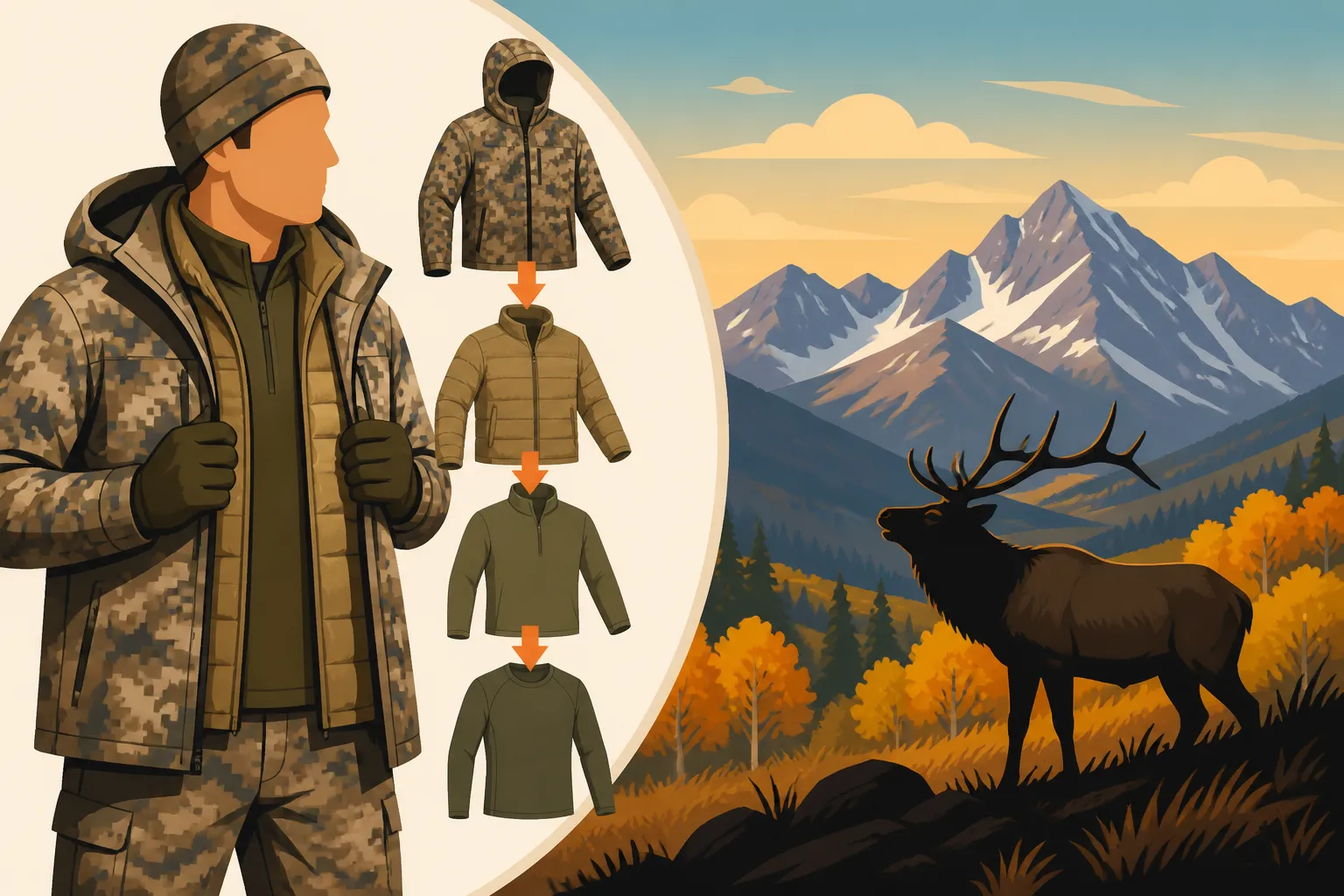
The secret to staying comfortable in Colorado's unpredictable climate isn't about having one super-warm jacket; it's about the versatility of a three-layer system. This method allows you to add or remove clothing strategically, regulating your body temperature and moisture levels as conditions and your activity change. It's a foundational concept in Colorado Elk Hunting Methods Explained.
Base Layers: Managing Moisture
Your base layer is the first line of defense against both cold and overheating. Its primary job is to wick sweat away from your skin, keeping you dry. When sweat stays on your skin, it cools rapidly, leading to hypothermia even in moderate temperatures. Think of it like a second skin. For Colorado elk hunting, you want materials that are excellent at moisture management. Merino wool is a perennial favorite among seasoned hunters for its natural odor resistance, warmth-to-weight ratio, and ability to insulate even when damp. Synthetic fabrics, like polyester blends, are also highly effective at wicking and dry quickly, often at a lower cost. Avoid cotton at all costs; it absorbs moisture and takes forever to dry, essentially becoming a cold, damp rag against your skin. When choosing your base layer, consider a lightweight option for high exertion or warmer early season hunts, and a midweight or even heavy-weight option for colder conditions or when you anticipate less movement, like during late season hunts described in Colorado Late Season Elk Season Explained. The fit should be snug, but not constricting, to maximize its wicking capabilities.
Mid-Layers: Providing Insulation
The mid-layer is your insulation workhorse, designed to trap air and provide warmth. This is where you adjust your thermal comfort based on the temperature and your activity level. Common materials include fleece, synthetic puffies (filled with Primaloft or other synthetic insulations), and down jackets. For active hunting, a breathable fleece or a lightweight synthetic puffy is ideal. You can easily throw it on during a glassing session or a quick break, then stash it in your pack once you start moving again. For colder conditions, or when spending extended periods sitting, a thicker fleece or a heavier puffy jacket (down or synthetic) becomes essential. Down offers incredible warmth-to-weight, but loses its insulating properties if it gets wet, making synthetic alternatives a safer bet in persistently damp environments. The beauty of the mid-layer is its modularity; you might carry a couple of different options, like a light fleece for active wear and a packable puffy for static warmth, giving you immense flexibility.
Outer Layers: Protection from the Elements
Your outer layer, often called a shell, is your ultimate shield against wind, rain, and snow. Its main function is to keep the elements out while allowing moisture vapor from your body to escape, preventing that clammy feeling inside. Modern outer layers achieve this through waterproof/breathable membranes like Gore-Tex, eVent, or various proprietary technologies offered by gear manufacturers. When selecting an outer layer for a Colorado hunt, prioritize durability and quietness if you're stalking. A noisy jacket can easily spook an elk you've spent hours tracking. Look for features like adjustable hoods (crucial for keeping moisture out of your face), pit zips for ventilation during strenuous activity, and waterproof zippers. For example, during a chilly Colorado 3rd Rifle Elk Season Explained hunt, a truly windproof and waterproof shell can make all the difference in keeping you warm and preventing heat loss. You might consider a lightweight, packable rain jacket and pants for early season, and a more robust, insulated shell for the brutal cold of late fall or winter hunts. Having reliable rain gear is paramount, regardless of the forecast; never leave camp without it.
Beyond the Basics: Essential Layering Considerations
While the three-layer system is fundamental, successful layering for Colorado elk hunting involves more than just selecting the right garments. It requires attention to detail, proactive adjustment, and smart packing.
The Importance of Head, Hand, and Foot Protection
Many hunters focus solely on their torso, forgetting that a significant amount of body heat is lost through extremities. Your head, hands, and feet are vital for maintaining overall warmth and comfort.
For your head, always carry at least one warm hat – merino wool or fleece beanies are excellent. A balaclava or neck gaiter can be a game-changer when the wind picks up or temperatures plummet, offering protection to your face and neck.
Hands need dexterity for shooting and handling gear, but also warmth. A common strategy is to layer gloves: a thin merino or synthetic liner glove for mild conditions or under a warmer outer glove, and then a heavier, insulated, waterproof glove or mitten for extreme cold. Keeping an extra pair of dry gloves in your pack is always a wise move.
Your feet are your foundation, especially when you're covering miles of rugged terrain daily. Invest in high-quality merino wool socks of varying thicknesses. You might start with a thinner liner sock and a heavier outer sock, or simply a thick, cushioned hiking sock. Always pack multiple pairs and change them frequently to prevent blisters and maintain warmth. Wet feet are cold feet, and cold feet lead to a miserable hunt. Check out guides like Best Boots for Colorado Elk Hunting for more specific footwear recommendations.
Adapting to Activity Levels and Terrain
The dynamic nature of elk hunting means your layering needs will constantly change. A steep uphill climb in the morning, especially if you're pursuing elk, will quickly lead to overheating if you don't shed layers. As a general rule, you should feel slightly cool when you start hiking; your body will generate plenty of heat once you get moving. Conversely, when you stop to glass a distant hillside, or take a break for lunch, that body heat quickly dissipates, and you'll want to add an insulating layer back on immediately. This is where a good insulating puffy becomes invaluable. You might carry a lightweight puffy that packs down tiny for these stop-and-go moments. If you're hunting in particularly challenging terrain, like a steep, north-facing slope where the sun rarely hits, you'll need more insulation than on a sunny south-facing slope. When planning your hunt, consider the unit's topography and elevation. Higher elevations, like those found when learning How to Hunt Elk at High Elevation, mean thinner air and often colder, more exposed conditions, necessitating warmer layers. This active management of your layers is key to avoiding excessive sweating (which makes you cold later) or chilling down too much.
Smart Packing and Storage Strategies
You can have the best layering system in the world, but if your extra layers are buried at the bottom of your pack, or worse, get wet, they won't do you any good. Smart packing is crucial.
First, keep your most-used layers easily accessible. Your outer shell and a primary mid-layer should be in a top pocket or within easy reach in the main compartment. Many hunters use a dedicated stuff sack for their puffy jacket so it can be deployed quickly.
Second, protect your spare layers. Waterproof stuff sacks or heavy-duty Ziploc bags are your friends. There's nothing worse than needing a dry, warm layer only to find it soaked from a sudden rain shower that seeped through your pack. Consider using a pack cover, even if your pack is "water resistant."
Third, utilize external pockets for smaller items like hats and gloves. This saves you from digging through your main pack. When you're actively hunting, like pursuing a bull during Colorado Archery Elk Hunting Guide, you'll appreciate being able to grab a pair of gloves without making a ruckus.
Many hunters find tools like GoHunt's mapping and planning features helpful not just for scouting units, but also for understanding terrain and weather patterns specific to their chosen GMU, which then informs their gear selection and layering strategy. Knowing the average temperatures and expected precipitation for your hunt dates, which GoHunt provides, allows you to make informed decisions about the weight and type of layers you'll need, helping you refine your personal Best Colorado Elk Hunting Gear list.
Recommended Layering for Specific Colorado Elk Seasons
While the three-layer system is universal, the specific weights and types of layers you choose will vary significantly depending on the season you're hunting. Each season in Colorado presents its own unique weather challenges.
Early Archery Season Late August – Early September
The early archery season is often considered the "mildest" in terms of weather, but don't let that fool you. Days can be warm, even hot in the sun, especially at lower elevations, but mornings and evenings are crisp, and high-altitude storms are always a possibility.
For your base layer, a lightweight merino wool or synthetic is generally sufficient. You'll be moving a lot, often in steep terrain, so moisture-wicking is paramount to prevent overheating and chafing. For example, during peak activity, you might only wear a lightweight base layer top and your hunting pants.
Mid-layers should be light and highly compressible. A thin fleece vest or a very lightweight synthetic puffy jacket that can easily be stuffed into your day pack is perfect for those cooler mornings, shaded areas, or when you stop to listen for a bugle. When the sun is high and you're hiking, this layer will likely be off.
Your outer layer still needs to be fully waterproof and windproof, even if it's lightweight. A sudden afternoon thunderstorm can drench you quickly. Look for a shell that's highly breathable to avoid trapping sweat. Don't forget a warm beanie and light gloves for those frosty pre-dawn hikes. This is also a good time to consider how your gear integrates, especially if you're planning a more intense adventure, as detailed in How to Physically Prepare for Colorado Elk.
Mid-Season Late September – October Rifle Seasons
This is where Colorado weather truly starts to get interesting. The mid-season, encompassing the archery rut, muzzleloader, and the first few rifle seasons, can range from glorious Indian summer days to full-blown winter conditions. Snow is common, especially at higher elevations, and temperatures can plummet.
You'll want a versatile base layer system here. A midweight merino wool or synthetic base layer will be your default. Consider packing a lightweight base layer as well for very active days, or a heavier one for periods of minimal movement.
Mid-layers become more critical. A medium-weight fleece jacket combined with a good synthetic or down puffy jacket will give you the flexibility you need. For instance, if you're in Colorado 2nd Rifle Season Dates, you might wear your midweight base, then a fleece, and keep a packable puffy ready for when you stop. You might even consider a puffy vest as an additional, adaptable insulation piece.
For your outer layer, a durable, fully waterproof, and windproof shell is non-negotiable. This is the time of year when you might encounter rain, sleet, and significant snow. The jacket should be robust enough to withstand brush and keep you dry during prolonged exposure to the elements. Good waterproof hunting pants are equally important. Don't skimp on a warm hat and insulated gloves. When exploring strategies for Colorado Muzzleloader Hunting Guide, adequate protection from the elements is a must for both comfort and firearm function.
Late Season November – December
Late-season elk hunting in Colorado is not for the faint of heart. Expect cold temperatures, deep snow, and often brutal winds. This is a time when warmth and survival become paramount, and your layering system must be at its most robust.
Heavyweight merino wool or synthetic base layers are a must. These provide the maximum next-to-skin warmth. Some hunters even double up on base layer bottoms for added insulation.
Your mid-layers need to be substantial. A thick fleece jacket or two, combined with a heavy-duty synthetic or down puffy jacket, is essential. Many hunters opt for a large, expedition-style puffy that can be worn over everything during glassing sessions or breaks. Puffy pants are also a consideration for extreme cold, especially if you plan to be stationary.
The outer layer for late season should be the most protective and durable you own. A heavily insulated, waterproof, and windproof shell jacket and pants are non-negotiable. Look for features that minimize heat loss, like storm flaps, cinchable hems, and excellent wrist closures. You might even consider gaiters to keep snow out of your Best Boots for Colorado Elk Hunting. A very warm winter hat (like a bomber hat with ear flaps), a thick balaclava, and heavy-duty insulated, waterproof mittens (or a combination of gloves and mittens) are crucial for preventing frostbite. When preparing for this period, it's wise to consult resources like How to Prepare for High-Altitude Hunting, as the combination of cold and elevation can be extremely taxing.
Here's a quick reference table to help visualize layering for different seasons:
| Layer Type | Early Archery (Aug-Sep) | Mid-Season (Sep-Oct) | Late Season (Nov-Dec) |
|---|---|---|---|
| Base Layer | Lightweight Merino/Synthetic | Midweight Merino/Synthetic | Heavyweight Merino/Synthetic |
| Mid Layer | Light Fleece/Packable Puffy (thin) | Midweight Fleece + Puffy Jacket | Heavy Fleece + Expedition Puffy Jacket |
| Outer Layer | Lightweight, Breathable Rain Shell | Durable Waterproof/Windproof Shell | Insulated, Heavy-Duty Waterproof/Windproof Shell |
| Headwear | Lightweight Beanie | Warm Beanie/Neck Gaiter | Insulated Winter Hat/Balaclava |
| Handwear | Light Liner Gloves | Liner Gloves + Insulated Gloves | Heavy Insulated Mittens/Gloves |
| Footwear | Midweight Merino Socks (multiple) | Mid/Heavy Merino Socks (multiple) | Heavy Merino Socks (multiple), Gaiters |
Disclaimer
Hunting in Colorado involves inherent risks, including those associated with extreme weather conditions and wildlife. The information provided in this guide is for informational purposes only and should not be considered a substitute for professional advice, thorough preparation, or adherence to all local, state, and federal hunting regulations. Always prioritize safety and consult official Colorado Parks and Wildlife resources for the most current rules and recommendations.