How to Move Quietly Through Colorado Timber
There's nothing quite as frustrating as busting an elk in thick Colorado timber because a twig snapped underfoot or your pant leg brushed a branch too loudly. Moving silently through the dense woods is arguably one of the biggest challenges for any hunter, often feeling like an impossible task when you're trying to sneak up on an animal with incredible senses. This guide is all about sharing the hard-earned wisdom on how to become a ghost in the timber, helping you navigate Colorado's rugged terrain with the stealth needed for success.
Understanding the Challenges of Quiet Movement in Colorado Timber
Anyone who's spent time pursuing big game in Colorado knows that the timber here isn't like a manicured park trail. It's a tangled mess of deadfall, aspen groves with crunchy leaves, dense dark timber that seems to swallow sound (and then spit it back out as a crunch), and unforgiving rocky slopes. Trying to move quietly feels like walking through a minefield blindfolded, especially when you're wearing hunting boots and carrying a pack. The frustrations are real – you spot an elk, get into position, take one step, and CRACK, the whole woods echoes with the sound of a breaking branch. It’s enough to make you want to throw your hands up!
The biggest hurdle is the sheer variety of terrain and ground cover. One moment you might be in soft pine duff, the next you're navigating a field of sharp, broken shale, and then suddenly you're wading through a thicket of scrub oak with brittle leaves. Each step presents a new challenge, and the sounds you make can carry surprisingly far in the still mountain air. Add to that the fact that animals like elk and deer possess hearing that puts our best technology to shame, and you quickly realize that simply "being careful" isn't enough. You need a deliberate, practiced approach. It's not just about what you step on; it's about how you step, what you wear, and when you choose to move. Many hunters underestimate the cumulative effect of small noises – a swishing pant leg, a clinking zipper pull, a squeaky backpack frame.
The goal isn't necessarily absolute silence, which is nearly impossible in rough terrain, but rather controlled noise. We want to minimize sharp, unnatural sounds that instantly alert game. A slow, continuous rustle is far less alarming than a sudden, loud crunch. This distinction is key. Learning to blend the subtle sounds of your movement with the ambient forest noise is an art form that takes time and practice. Consider the wind, the thermals, and even the sounds of other animals. When a squirrel is chattering or the wind is really blowing, that's often your cue to move a little quicker, covering ground while your noise is masked.
Essential Gear for Stealth in the Woods
Believe it or not, the gear you choose can make or break your ability to move quietly. It's not just about camouflage; it's about the materials, fit, and functionality of every item you bring into the timber. From head to toe, thoughtful gear selection can significantly reduce your auditory signature.
Footwear for Silent Movement
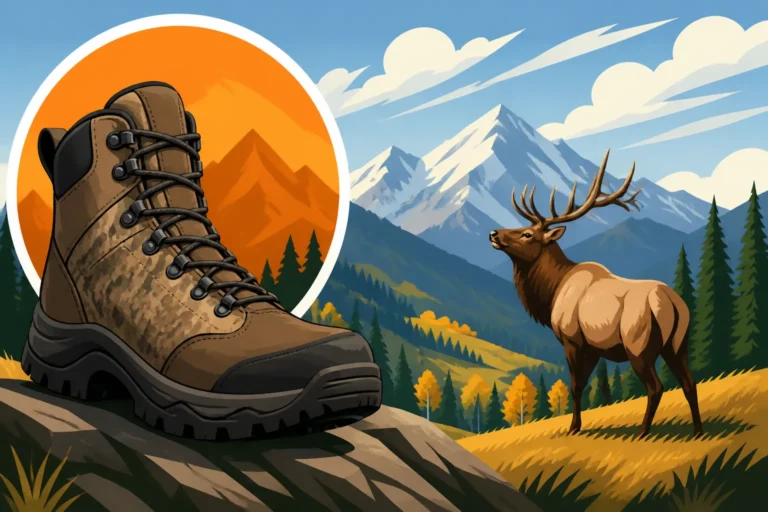
Your boots are perhaps the most critical piece of equipment for quiet movement. Heavy, stiff boots with aggressive lugs might offer great traction, but they can be incredibly loud. The ideal hunting boot for timber stealth strikes a balance between support, protection, and quiet flexibility. Look for boots with softer, more pliable outsoles that can conform to the ground, rather than rigid soles that bridge over small obstacles and then snap down loudly. Think about soles made of softer rubber compounds.
Consider the terrain you'll be mostly covering. If you're often in areas with lots of loose rocks or shale, a slightly stiffer sole might actually be better to prevent sharp rocks from poking through and causing pain, but even then, try to find one with a more "grippy" rather than "clunky" tread pattern. For deep timber and softer duff, a boot with less aggressive lugs or even a stalking slipper over your boots for final approaches can make a huge difference. When choosing, think about how much "give" the boot has. Can you roll your foot silently? Does the sole squeak on wet rocks or leaves? My go-to strategy often involves using a lighter, more flexible boot like a Salomon or Kenetrek hardscrabble for most of the hunt, then taking extra care when approaching. You can also look into specialized stalking boots or even moccasins for the absolute final approach, but for general timber travel, balance is key.
Clothing and Backpack Considerations
Your clothing needs to be quiet. Period. This means avoiding anything that "swishes" or "crinkles" with movement. Fabrics like fleece, wool, or brushed synthetics are excellent choices because they are inherently quiet. Nylon ripstop or crisp polyester, while durable, can sound like a flag flapping in the wind with every step. Pay attention to the fit, too. Baggy clothing can snag on branches or rub together, creating unwanted noise. A more athletic fit, while not tight, will reduce excess fabric movement.
Just as important as your clothes is your backpack. A noisy backpack can ruin a hunt faster than almost anything else. Check for squeaky frames, jingling zipper pulls, or loose straps that flap against the pack. Many modern backcountry packs, especially those designed for hunting, feature quiet materials and smart designs to minimize noise. Brands like Kifaru or Mystery Ranch are well-known for their rugged, quiet packs. Before hitting the woods, go through your pack and silence anything that makes noise. Wrap cordage around zipper pulls, use electrical tape on anything that rattles, and make sure your gear inside isn't clanking together. I can’t tell you how many times a simple piece of moleskin or athletic tape has saved a stalk by silencing a buckle or a tool in my pack. Even a small item like a rangefinder or a grunt tube can become a noise culprit if not secured. Remember, using planning tools like GoHunt to e-scout an area can help you gauge the density of timber, allowing you to choose the right sized, quietest pack for the anticipated terrain. For more on essential gear, check out our guide on Colorado Backcountry Hunting Gear List.
Mastering the Art of Silent Footwork and Movement
Gear is just part of the equation; how you move is ultimately what determines your stealth. This involves a conscious effort to control every step, every body movement, and every interaction with the environment. It's a slow, deliberate dance with the forest floor.
The Deliberate Step and Body Control
This is where the rubber meets the road, or more accurately, where your boot meets the crunchy leaves. The core principle of silent footwork is the "test step." Before putting your full weight down, gently place the ball of your foot (or heel, depending on the incline) on the ground and feel for potential noise makers. Roll your foot slowly, distributing your weight, to test for sticks, rocks, or anything that might snap or scrape. If it feels noisy, lift your foot and try a slightly different spot. This takes an incredible amount of patience, especially when elk are bugling just ahead.
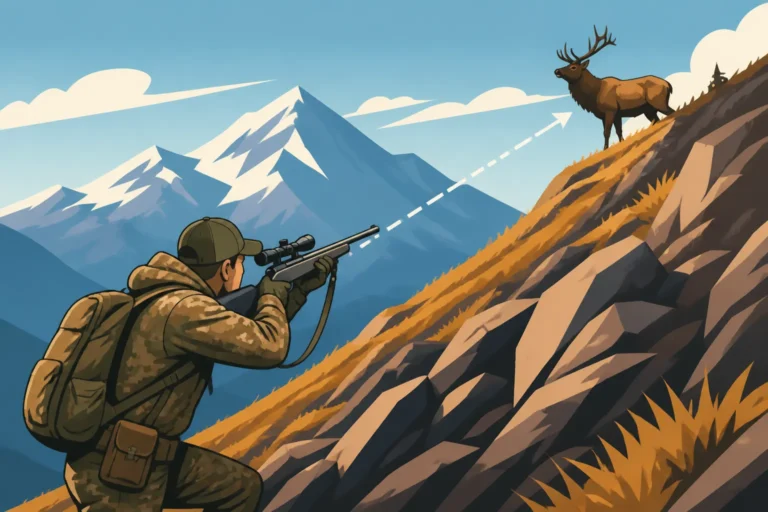
When moving uphill, lead with your toes and roll your weight onto your foot, planting your heel last. This helps you grip silently and prevent rocks from sliding. Downhill, lead with your heel and roll to your toes. This helps control your descent and prevents you from slipping loudly. Keep your knees bent and your body low, almost like you're stalking a cat. This lowers your center of gravity, allows for smoother weight transfer, and keeps your silhouette smaller against the trees. Always try to look two or three steps ahead, planning your route through the quietest patches of ground. Think about how a wild cat moves – fluid, deliberate, and always testing the ground before committing. For deeper insights into navigating challenging terrain, our article on How to Hunt Elk in the Dark Timber offers specific strategies for these dense areas.
Pausing, Listening, and Masking Sound
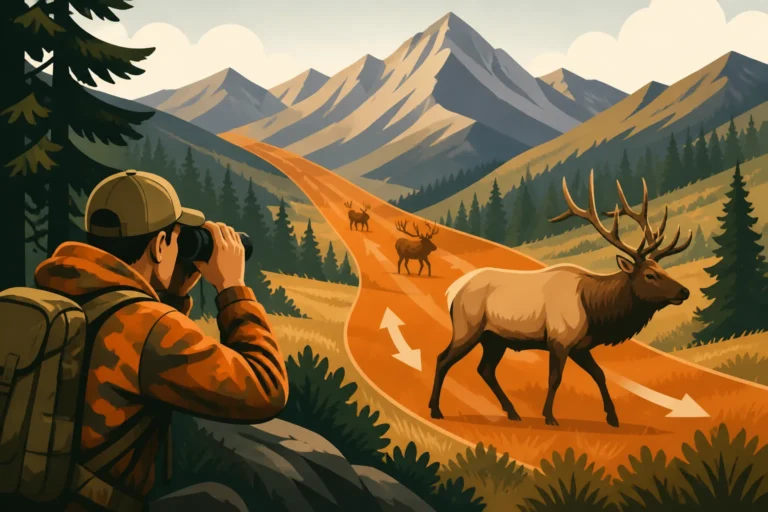
Moving quietly isn't just about the steps you take; it's also about when you don't take them. Integrate frequent pauses into your movement. Stop for a full minute or two, scanning your surroundings, listening intently, and letting the forest return to its natural rhythm. This allows animals that might have been alerted by your subtle movements to settle down, and it gives you a chance to pinpoint their location if they make a sound. Often, the animals will resume their normal activities, giving away their position. These pauses are also crucial for managing your scent cone and thermals, which are vital for hunting success in Colorado.
When you do move, try to do so when natural sounds can mask your own. A gust of wind rustling through the pines, the distant rumble of thunder, the babbling of a nearby stream, or even a flock of noisy jays can provide excellent cover. If you're calling elk, try to time your movement with your calls, especially louder bugles, to mask your approach. This is an advanced tactic and requires practice, but it can be incredibly effective during the rut. For more on calling tactics, you might find our guide on Colorado Elk Hunting: Calling Tactics helpful.
Here's a quick comparison of ground cover and typical noise levels:
| Ground Cover Type | Typical Noise Level | Best Movement Strategy | Considerations |
|---|---|---|---|
| Pine Needle Duff | Low to Medium | Slow, deliberate heel-to-toe roll | Can have hidden sticks; watch for dry spots |
| Dry Aspen Leaves | High | Extremely slow, lift feet high, seek bare ground | Avoid at all costs if possible; move with wind |
| Wet Leaves/Ground | Low | Standard stalking; watch for slippery spots | Excellent for stealth; often found in depressions |
| Loose Rock/Shale | Medium to High | Test each foot placement, move off main trail | Very loud if rushed; look for moss or dirt patches |
| Thick Grass/Moss | Low | Great for stealth; can hide uneven ground | Be aware of hidden obstacles beneath |
| Snow (crusted) | High | Break crust with toe first, slow & steady | Move in shaded areas where snow is softer |
| Snow (fresh powder) | Low | Excellent for stealth; still use test steps | Deep snow can be exhausting; thermals are key |
Environmental Factors and How to Use Them for Stealth
The natural world itself can be your greatest ally or your biggest betrayer when it comes to silent movement. Understanding and leveraging environmental factors is a hallmark of truly effective timber hunters.
Wind, Thermals, and Ambient Noise
The wind is not just about scent control; it's a powerful tool for masking sound. When the wind is blowing, especially if it's consistently in your favor regarding scent, it can drown out an incredible amount of your movement noise. This is the time to make your biggest pushes, covering ground efficiently while the forest is alive with rustling leaves and swaying branches. However, be mindful of sudden lulls or shifts in direction. Always prioritize scent control, but don't overlook the auditory benefits of a good breeze. Our article on How to Use the Wind Hunting Colorado Elk delves deeper into this crucial aspect.
Thermals, the rising and falling air currents in mountainous terrain, also play a significant role. In the mornings, thermals generally rise, carrying your scent and potentially your sound uphill. In the evenings, they fall, carrying everything downhill. Moving with the thermals (so they carry your scent and sound away from where you expect game) can be a significant advantage. This means typically trying to approach from below in the morning and from above in the evening. Combining an understanding of thermals with the wind direction gives you a truly three-dimensional awareness of how your presence is being broadcast. For a comprehensive look, see How to Use Thermals in Colorado Elk Country.
Beyond wind, listen for other ambient noises. Rain, hail, distant thunder, or even the persistent buzz of insects in a certain area can provide a sound buffer. The key is to be attuned to these natural rhythms and capitalize on them. Many successful hunters I know will pause their stalk for a few minutes if a noisy raven or blue jay starts squawking, knowing that the disturbance itself will make any game more alert to unnatural sounds. Wait for the natural forest soundtrack to return before moving.
Snow and Wet Conditions
Snowfall can be a double-edged sword for stealth. Fresh, deep powder is arguably the quietest medium to move through. Your steps are muffled, and the cold air tends to carry sound less effectively. This is a prime time for still-hunting. However, crusted snow can be agonizingly loud, forcing hunters to break through a noisy crust with every step. In such conditions, consider altering your route to shaded areas where snow might remain softer, or seek out bare patches of ground. If you must cross crusted snow, try to "feel" for softer spots, lifting your feet high to clear the crust before gently pressing down.
Wet conditions, whether from rain or heavy dew, are often a hunter's best friend for silent movement. Wet leaves, damp pine duff, and moist ground are all significantly quieter than their dry counterparts. The forest floor becomes a forgiving carpet, muffling your footsteps. This is why some hunters specifically target days with light rain or recent precipitation for their timber stalks. It's not just about the game being more active; it's about the incredible advantage it gives you in terms of stealth. Take advantage of wet logs and mossy rocks, as these often provide the quietest foot placement. Before your hunt, leverage resources like GoHunt to understand the specific timber types and topographical features of your target unit, which can help you predict where wet, quiet conditions might be most prevalent.
Moving quietly through Colorado timber is a skill honed by experience, patience, and a deep respect for the animal's senses. It's a journey, not a destination, and every successful stalk will teach you something new.
Disclaimer
Please note that hunting regulations, seasons, and access can change. Always consult the most current Colorado Parks and Wildlife (CPW) regulations before planning any hunting trip. This guide is for informational purposes only and does not replace official sources or professional advice.