How to Hunt Elk During the Peak Rut
There's nothing quite like the peak of the elk rut in Colorado. The mountains literally come alive with bugles echoing through the timber and across vast basins, creating an almost electric atmosphere. But let's be honest, all that excitement can also feel overwhelming and make an already challenging hunt even more confusing. This guide is here to cut through the noise, offering clear, actionable strategies to help you effectively hunt elk during this thrilling, yet often chaotic, period.
The Raucous Reality of the Peak Elk Rut
The peak rut is a spectacle unlike any other in the hunting world. It's when bull elk are at their most vocal, aggressive, and, crucially for hunters, most susceptible to calling and strategic maneuvers. However, this period also comes with its own unique set of challenges, from heightened elk awareness to increased hunter pressure.
What Defines the Peak Rut?
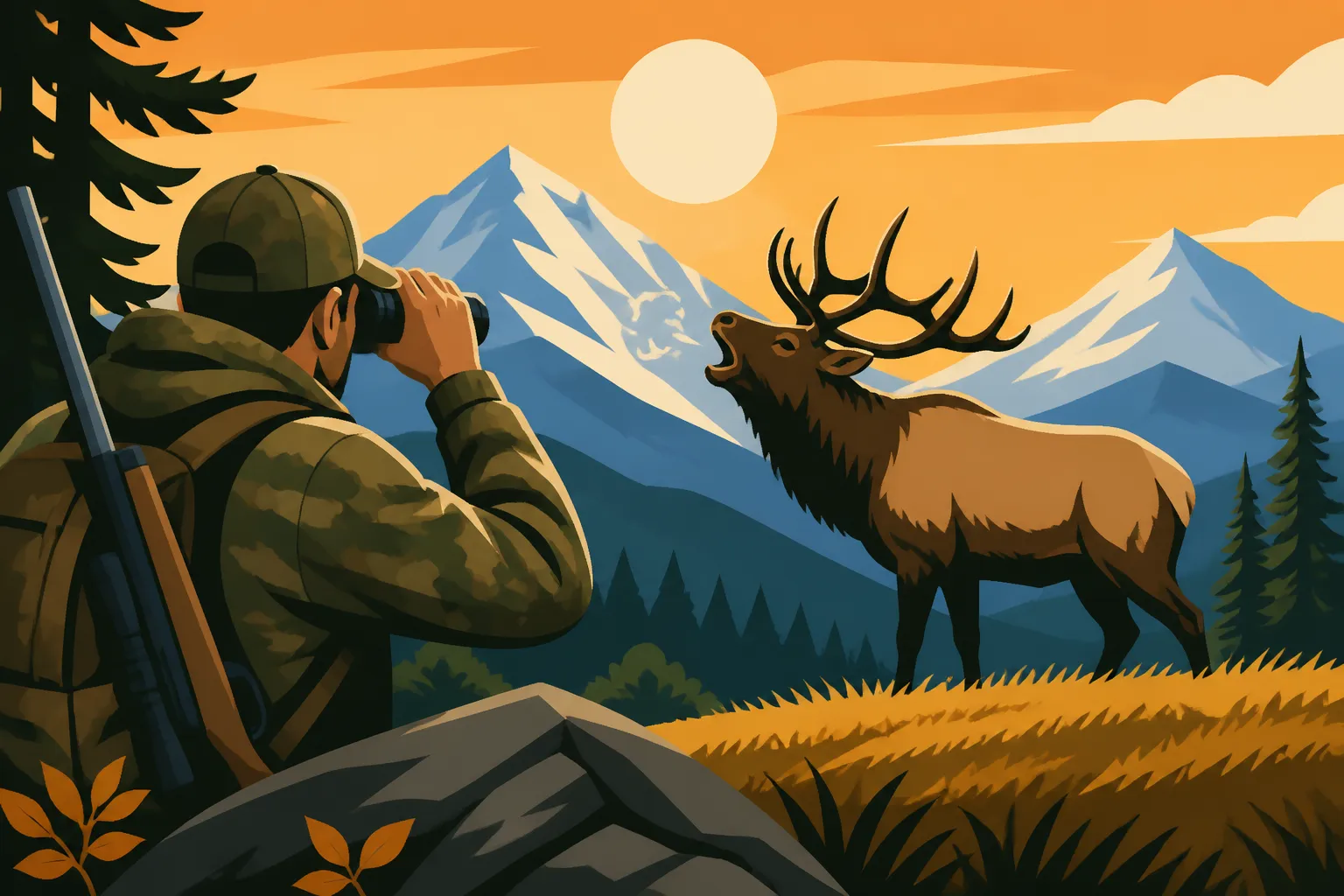
When we talk about the "peak rut" in Colorado, we're generally referring to that intense window, typically from late September into the first week or two of October, where breeding activity is in full swing. Bulls are actively seeking cows, herding harems, and constantly challenging rivals. This manifests as a frenzy of bugling, raking trees, and wallowing. You'll hear everything from guttural growls to high-pitched screams, often in rapid succession. This isn't just a casual bugle; it's a declaration, a challenge, a desperate plea. This heightened activity makes them more visible and audible, but also more on edge. They're focused, but not necessarily on you, which can be both a blessing and a curse.
Understanding the behavior during this time is paramount. Cows are coming into estrus, and bulls are constantly trying to gather and hold them. Dominant bulls will have harems, constantly pushing and prodding their cows, while satellite bulls lurk on the fringes, looking for any opportunity to steal a cow or challenge the herd bull. This dynamic creates incredible opportunities for hunters, as a well-placed call can draw an inquisitive satellite bull or enrage a dominant bull enough to commit. However, it also means elk are on high alert, reacting not just to their own kind but also to any perceived threat or opportunity.
The sheer volume of vocalizations is the most obvious sign you're in the peak rut. You'll also notice fresh rubs on saplings and small trees, where bulls have thrashed their antlers, marking their territory and shedding velvet. Wallows, muddy depressions where bulls roll to cool down and spread their scent, become heavily used. Droppings might indicate more concentrated activity, and you might even stumble upon sheds from previous years, or observe signs of recent sparring matches. All these clues paint a picture of intense activity, confirming you're in the right place at the right time for How to Hunt the Colorado Rut.
Timing and Environmental Factors
While the general window for the peak rut is well-established, specific timing can fluctuate by a few days or even a week due to various factors. One of the most significant influences is weather. A sudden cold front or a fresh dusting of snow can often kick the rut into overdrive, signaling to the elk that winter is approaching and it's time to breed. Conversely, unseasonably warm weather can make elk more lethargic, pushing their activity levels into the cooler parts of the day, particularly dawn and dusk. This means you might need to adjust your hunting times, focusing on early mornings and late evenings when the temperatures are more favorable for elk movement and vocalization.
Moon phases also play a subtle role, though perhaps not as dramatically as popular hunting folklore suggests. Some hunters swear by the full moon bringing out more nocturnal activity, making daytime hunting tougher. Others believe it has little impact. Realistically, while elk might feed more under a bright moon, the biological drive of the rut is so strong that they will still be active and vocal during daylight hours, especially when breeding opportunities arise. However, always observe local conditions; if you notice a significant drop in daytime activity, it might be worth shifting your focus to strategic ambush points near bedding or feeding areas during low-light periods.
Finally, hunter pressure, especially in readily accessible public land units, can significantly impact how elk behave during the rut. If every ridge is being bugled, elk can go quiet or become more wary. They might still be rutting, but they'll do it more discreetly, deeper in the timber, or in thicker cover. This makes knowing How to Hunt Elk on Public Land Pressure a critical skill. You might need to adjust your calling strategies, using more subtle cow calls or patient still-hunting methods rather than aggressive bugling. Areas with less pressure, often deeper in designated wilderness areas or roadless country, tend to see more "classic" rutting behavior with less wary elk. Using scouting platforms like GoHunt can help you identify areas with less road access and potentially lower pressure, giving you a better chance at unpressured rutting activity.
Mastering Peak Rut Calling Strategies
Calling is undeniably the cornerstone of hunting elk during the peak rut. It's how you communicate, provoke, and ultimately draw in a bull. But it's not just about making noise; it's about making the right noise at the right time, and understanding the nuances of elk communication.
Aggressive Bugling and Challenge Calls
During the peak rut, bulls are actively seeking confrontations, and aggressive bugling can be incredibly effective. This isn't the time for timid locator bugles from afar; this is when you use a full-throttle challenge bugle to simulate a rival bull infringing on another's territory or attempting to steal cows. When executing a challenge bugle, you want to sound confident and mature. Think about varying your pitch and volume, perhaps adding a chuckle at the end to really sell the aggression. The goal is to provoke a response, either by drawing the bull directly in or getting him to commit to a specific location where you can then set up.
When a bull responds to your aggressive bugle, it's crucial to interpret his communication. A strong, immediate, and close bugle usually means he's interested in a fight. If he answers, try to mimic his intensity. If he continues to approach, be ready. However, if he moves away or his bugle sounds weaker, he might be a satellite bull not looking for trouble, or a dominant bull already engaged elsewhere. Always pay attention to the cadence, volume, and location of his bugles. If he stops bugling but you hear branches breaking, he's likely closing the distance silently, so get ready! Learning How to Bugle for Colorado Elk effectively will give you a significant advantage. Remember, not every bull wants a fight; some will ignore you, some will try to go around you, and some will charge straight in. Be prepared for any outcome.
It's also beneficial to incorporate visual elements if possible. While not always practical in dense timber, combining your aggressive bugle with raking a small tree with a stick or shedding antler can add realism. This simulates a bull rubbing his antlers, further selling the illusion of a rival. This technique, when used sparingly and appropriately, can sometimes be the tipping point that convinces a hesitant bull to commit to your position. Always be aware of your surroundings, ensuring you have a clear shot lane and escape route if things get too intense.
The Art of Cow and Calf Calling
While bugles are the attention-grabbers, cow and calf calls are often the closer. During the peak rut, bulls are desperately looking for receptive cows. A well-placed series of cow mews, chirps, and even calf calls can simulate a lost cow looking for the herd, or a small group of cows that a bull might want to investigate or gather into his harem. These calls can be especially effective on satellite bulls who are less likely to respond to aggressive bugles from a perceived dominant rival, but more than willing to check out what sounds like an unescorted cow.
The key to effective cow calling is realism and moderation. You don't want to sound like a frantic, distressed cow unless that's the specific scenario you're trying to create (e.g., a "lost calf" distress call to bring in a protective cow or a bull curious about the commotion). More often, soft, inquisitive mews and chirps are ideal. Try to vary the sequence and intensity, making it sound like multiple cows, or a cow calling to her calf. This naturalistic sound can often lull a wary bull into a false sense of security, thinking he's approaching a natural group of elk. You can even combine this with very light, guttural grunts to mimic a bull pushing his cows.
Consider using a combination of cow calls and subtle bugles. A common and highly effective strategy is to have one hunter bugle aggressively, while another hunter (often positioned 50-75 yards ahead and slightly off to the side) offers soft cow mews. This creates the illusion of a herd bull with his cows, drawing in a rival bull who is looking to cut off or steal a cow, or challenge the herd bull. This dynamic setup can be incredibly exciting and often results in a bull walking right into your partner's shooting lane. For more in-depth knowledge on this, check out How to Cow Call Colorado Elk. Practice different cow calls and learn to interpret the subtle responses of the bulls.
Decoys and Vocal Combinations
Adding a visual element to your calling can be a game-changer, especially during the peak rut. An elk decoy, particularly a cow or satellite bull decoy, can provide the visual confirmation that a hesitant bull needs to fully commit. When a bull hears your calls and then spots what appears to be another elk, his caution often gives way to curiosity or aggression. Decoys work best in open or semi-open terrain where they can be seen from a distance. Set the decoy upwind of your position, giving the approaching bull a clear line of sight, and ensuring he focuses on the decoy rather than your actual hide.
The most effective strategy often involves combining your vocalizations with a decoy. Imagine a scenario: you let out a series of cow mews and soft bugles, and a bull answers. As he gets closer, he sees your cow decoy. This can make him believe he's approaching a real cow or small herd. If you then offer a subtle challenge bugle or a series of aggressive grunts, he might come in looking for a fight, focusing his attention entirely on the decoy. This allows you to draw your bow or shoulder your rifle unnoticed, giving you a critical advantage. However, remember that decoys can also draw other hunters, so always be aware of your surroundings and wear blaze orange, even in archery season, if regulations permit or common sense dictates.
Creating a realistic scenario with multiple calls and potentially a decoy requires practice and good communication if hunting with a partner. One hunter can be the primary caller, using bugles and cow calls, while another manages the decoy or provides subtle secondary calls. This full sensory experience – sound and sight – can bypass a bull's innate wariness during the rut. Platforms like GoHunt are invaluable for scouting potential calling setups, identifying open pockets, and understanding terrain features where a decoy would be most visible and effective. Don't be afraid to experiment with different call combinations until you find what works for the specific elk you're pursuing.
Locating and Intercepting Rutting Elk
Finding elk during the rut is half the battle, and while their increased vocalizations help, strategic scouting and understanding their movement patterns are still vital. This is especially true in Colorado's vast and varied terrain.
E-Scouting and Pre-Season Prep for Rut Areas
Long before you even set foot in a unit, a good E-scouting session on GoHunt can reveal historical hot spots and likely rutting areas. Look for north-facing slopes with good timber cover, especially those with small pockets of meadows or open timber where cows might feed. Identify potential wallows (often visible as dark, muddy patches on satellite imagery) and travel corridors between bedding and feeding areas. During the peak rut, bulls are actively moving, so understanding these corridors, saddles, and benches is crucial. E-scouting can highlight potential pinch points where elk are likely to cross, making for ideal ambush locations.
Pay close attention to water sources. While elk might not need to drink as frequently in cooler temperatures, wallows are magnets for rutting bulls. Identify these on your maps, as well as any small springs or seeps. These locations become activity hubs during the rut. Also, consider areas with mixed timber and open parks; bulls love to move between the security of the trees and the visibility of the openings, constantly checking for cows or rivals. Tools like GoHunt allow you to overlay public and private land boundaries, topography, and even historical burn areas, which can concentrate elk in specific pockets, helping you narrow down your search even further.
Furthermore, pre-season scouting trips, if possible, are invaluable. Even if you're not in the rut, look for elk sign, rubs, and old wallows. This ground-truthing can confirm what you're seeing on your maps and give you a better feel for the terrain. Note where you hear bugles during earlier seasons, as these areas often become rutting hot zones year after year. Understanding how these patterns shift with hunter pressure or weather changes will be key. Remember, while the rut makes them vocal, they're still creatures of habit, often returning to preferred areas if undisturbed. Knowing How to E-Scout Before a Colorado Hunt is a fundamental skill for any hunter.
Reading the Landscape: Signs and Sounds
Once you're in the field, your senses become your most important tools. Listen intently for bugles, cow calls, and even the sounds of elk moving through the timber. Don't just listen for loud bugles; pay attention to subtle chirps, mews, and grunts that might indicate nearby, silent activity. The wind is constantly shifting in the mountains, so knowing How to Use the Wind Hunting Colorado Elk is non-negotiable. Elk have an incredible sense of smell, and a single gust of wind in the wrong direction can end your hunt before it even begins. Always approach from downwind, or use thermals to your advantage, understanding that cool morning air flows downhill and warm afternoon air flows uphill.
Beyond listening, actively look for fresh sign. Fresh rubs, with sap still oozing from the bark, indicate recent bull activity. Well-used wallows, with fresh mud and strong elk scent, are clear indicators that bulls are in the area. Look for tracks, especially larger bull tracks, in dusty trails or soft ground. Scrapes, where bulls paw the ground and urinate, are also signs of breeding activity. The more fresh sign you find, the closer you are to the action. It's like putting together a puzzle, with each piece of sign helping you visualize the elk's movements and routines.
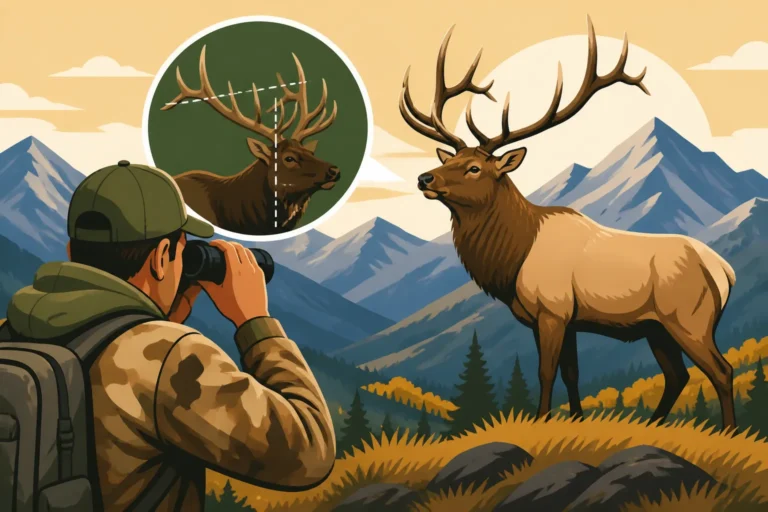
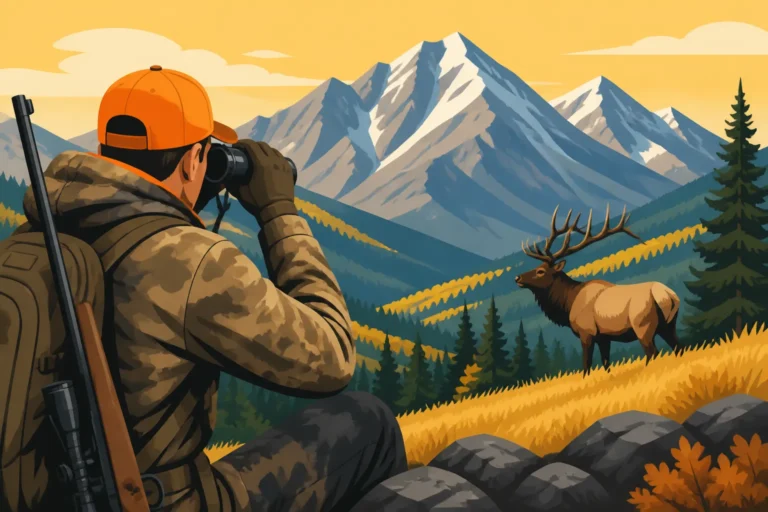
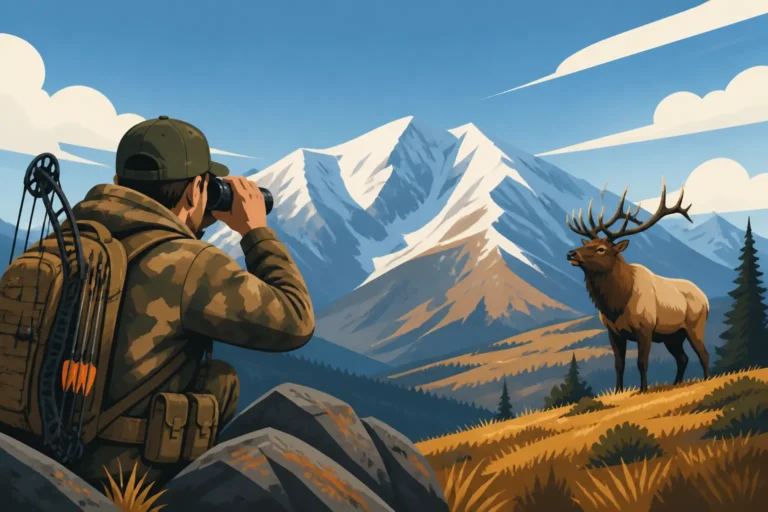
Don't forget to use your optics. Even when you're moving, periodically stop and glass openings, timber edges, and distant ridges. A good pair of binoculars or a spotting scope can reveal elk far away, allowing you to plan a strategic approach. Sometimes, you'll spot a bull or a herd moving silently, even during the peak rut. Being patient and methodical with your glassing, especially in big country like the Flat Tops Wilderness or the San Juan Mountains, can save you miles of walking and put you on elk that others miss. For specific areas, exploring guides like Hunting the Flat Tops for Elk or Hunting the San Juans for Elk can offer valuable localized insights.
Strategic Approaches and Wind Management
Approaching rutting elk requires a delicate balance of aggression and stealth. Once you've located a bugling bull, your next move is critical. If he's actively coming to your calls, sometimes the best approach is to stay put and let him come to you. If he's hanging up, or moving away, you'll need to strategize your move. Use topography to your advantage, staying out of sight behind ridges, in draws, or within dense timber. Move slowly and deliberately, taking care not to snap twigs or make unnecessary noise. The crunch of dry leaves or the scrape of your boots on rock can alert elk from a surprising distance.
Wind management is paramount. During the peak rut, bulls are so focused on breeding that they might sometimes ignore a slight whiff of human scent, but don't count on it. Always try to keep the wind in your favor, blowing your scent away from where you expect the elk to be. This means constantly checking wind direction and adjusting your approach. If the wind is swirling or unpredictable, it might be best to wait for more stable conditions or choose an alternate route. Sometimes, this means making a wide loop to get to the downwind side of a bugle, adding significant time and effort, but drastically increasing your chances of success.
When setting up for a call or an ambush, always have an escape route or an alternative position. Rutting bulls can come in fast and from unexpected directions. You want to be able to move quickly if needed, or adjust your position without being detected. Use natural cover like trees, boulders, or dense brush to break up your silhouette. Think about the shot angle and what the bull will see as he approaches. You want him focused on the sound or the decoy, not on you. Being prepared for close-quarters action is a must, especially in thick timber during the peak of the rut.
Ethical Considerations and The Shot Opportunity
The excitement of the peak rut can sometimes lead to rushed decisions. Maintaining ethical hunting practices and ensuring a clean, humane harvest are always the top priorities.
Patience and Shot Selection in High-Energy Situations
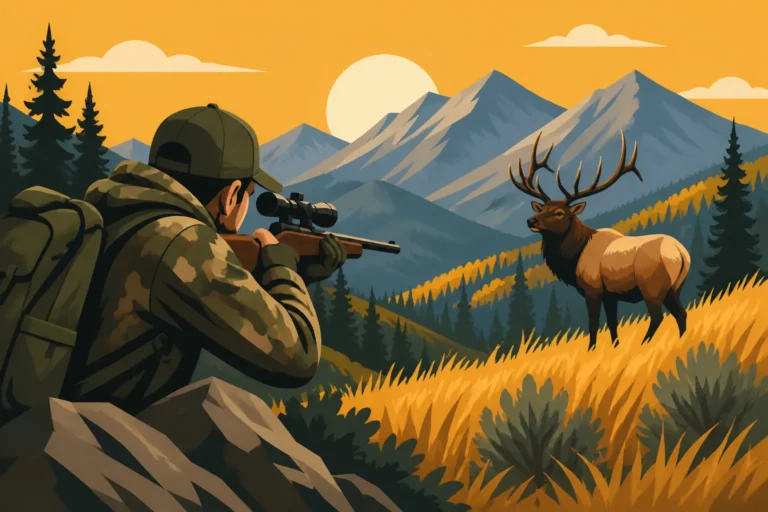
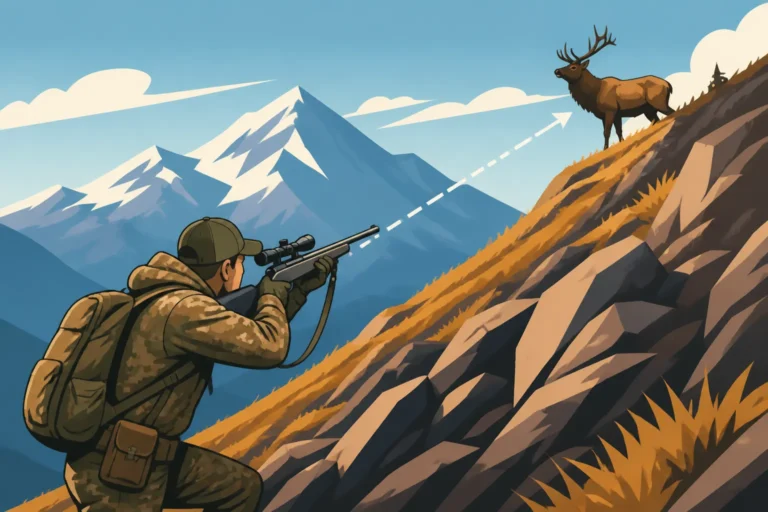
The sound of a bull elk bugling just out of sight, especially one that's ripping screams and tearing up trees, can get your adrenaline pumping like nothing else. In these high-stakes moments, it's incredibly easy to get tunnel vision and rush the shot. However, this is precisely when patience becomes your greatest asset. An ethical hunter always prioritizes a clean, humane kill. This means waiting for the animal to present a clear, broadside or slightly quartering-away shot at a comfortable distance, with no obstructions.
Elk vitals are relatively large, but they are concentrated, and a clean shot requires precision. Don't let the excitement of the moment cause you to take a risky shot at a running animal, a steeply angled shot, or one through dense brush. Even during the rut, bulls can stop for a moment, especially if you give a soft cow call or a subtle grunt. This brief pause is your window. Take a deep breath, calm your nerves, focus on the vitals, and execute your shot. It's better to let a bull walk away than to take a questionable shot that results in a wounded animal and a difficult, if not impossible, recovery. For more on preparing for the moment of truth, consider reading How to Practice for a Colorado Elk Shot.
Understanding the anatomy of an elk is critical. The heart and lungs are located behind the shoulder, typically in the lower third of the body. Aiming for this area will maximize your chances of a quick, ethical kill. Practice shooting from various positions you might encounter in the field – kneeling, standing, sitting – and under simulated stress, so when the moment comes, you're prepared. Remember, the rut offers incredible opportunities, but they are fleeting, and your responsibility to the animal comes first.
Handling Post-Shot Scenarios
Once you've taken your shot, the work truly begins. If the animal goes down immediately, approach cautiously, ensuring it's expired before getting too close. If the elk runs off, mark the exact spot where it was standing when you shot and where you last saw it disappear. Then, wait. Giving the animal 30 minutes to an hour (or longer if it's a gut shot) allows it to bed down and expire, making for a much easier recovery. Resist the urge to immediately pursue, as pushing a wounded animal can make tracking nearly impossible.
Begin tracking by carefully examining the shot site for blood, hair, bone fragments, or anything that indicates the hit. Follow the blood trail slowly and methodically, marking your trail with surveyor's tape or bright flagging as you go. Look for broken branches, overturned leaves, and distinct tracks. In mountainous Colorado terrain, tracking can be incredibly challenging, especially through thick timber or over rocky ground. If the blood trail disappears, expand your search in circles around the last known sign, looking for any clue. Knowing How to Pack Out an Elk in Colorado becomes critical after a successful shot, as the clock starts ticking immediately.
Once you find the animal, the immediate priority is to field dress it to begin the cooling process and preserve the meat. The quicker you can get the hide off and the meat cooling, especially in warmer early-season rut conditions, the better the quality of your harvest. Many hunters prefer to quarter an elk in the field, making it easier to pack out of rugged terrain. This is hard work, but it's part of the ethical commitment you make when hunting. Learning How to Quarter an Elk in the Field efficiently will save you immense time and energy.
| Elk Call Type | Primary Purpose During Peak Rut | When to Use | Expected Bull Response | Important Considerations |
|---|---|---|---|---|
| Aggressive Bugle | Challenge, draw out rivals | When you hear a bull bugle, or to instigate a response | Responsive bugles, direct approach, or silent approach | Sound confident, vary pitch/volume, combine with raking |
| Soft Bugle/Locator | Locate distant bulls, sound less threatening | Early morning/late evening, when moving, or after a long wait | Distant bugle in return, head turning towards your sound | Use sparingly in pressured areas, don't over-call |
| Cow Mew/Chirp | Attract curious bulls, imitate cows | Anytime, especially when bulls hang up or to sound like a herd | Direct approach, subtle grunts, or no immediate sound | Sound realistic, vary rhythm, can be combined with bugles |
| Distress Cow/Calf | Grab immediate attention | Rarely, but sometimes for a hung-up bull or to draw a protective cow | Fast approach, often with aggressive bugles from a bull | Use only when other calls fail, can spook wary elk |
| Chuckles/Grumpy Grunts | Signify dominance, herd bull pushing cows | After a bugle, when a bull is close, or pushing cows | Increased aggression, closer approach, responsive grunts | Adds realism, best when a bull is already engaged |
Disclaimer
Hunting is an inherently dangerous activity. This guide provides general information and strategies, but local conditions, regulations, and individual skill levels vary. Always prioritize safety, adhere to all Colorado Parks and Wildlife (CPW) regulations, and ensure you have the necessary licenses and permits. Respect wildlife, landowners, and other outdoor enthusiasts. The information provided herein is for educational purposes and should not replace professional guidance or personal experience.