How to Spot-and-Stalk Colorado Whitetail Deer
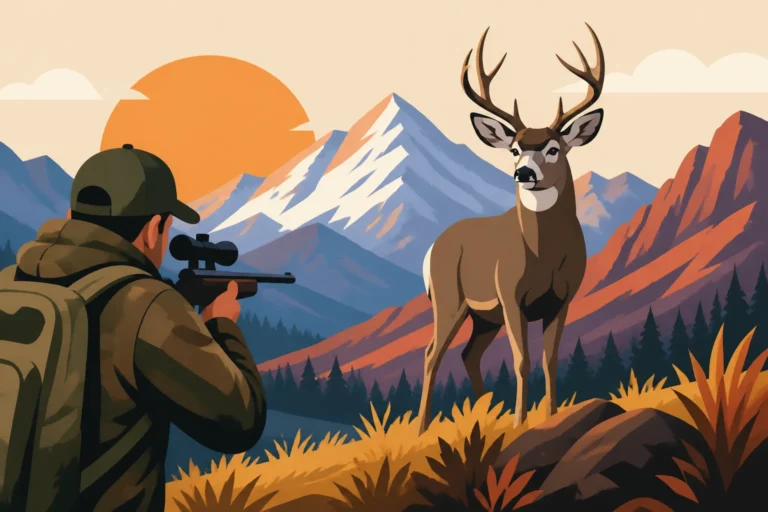
Hunting whitetail deer in Colorado might conjure images of Eastern treestand sits, but out here, especially on the plains or in our vast river bottoms, a different, often more exciting, approach takes center stage: spot-and-stalk. Many hunters get frustrated trying to apply traditional whitetail methods to Colorado's unique terrain, feeling like they're always a step behind the deer. This guide will help you master the art of spot-and-stalk for Colorado whitetails, covering everything from understanding their behavior to executing a successful stalk in varied landscapes.
Unpacking Colorado Whitetail Behavior and Habitat
Colorado's whitetail deer aren't your typical dense forest inhabitants. While you might find them in pockets of timber, their primary domains often lie along riparian corridors, agricultural edges, and the vast, often overlooked, plains. Understanding these unique preferences is the first critical step to a successful spot-and-stalk hunt.
The River Bottom Realm: Thick Cover and Predictable Patterns
Along the major river systems of eastern Colorado, like the South Platte, Republican, and Arkansas rivers, you'll find extensive ribbons of cottonwood, willow, and thick brush. These riparian areas provide everything a whitetail needs: water, dense bedding cover, and forage from nearby agricultural fields. The challenge here for spot-and-stalkers is the sheer density of the vegetation. You might be able to spot a deer across a field, but getting close through the tangled undergrowth without being detected is another story entirely.
Whitetails in these areas often follow predictable patterns. They'll bed down deep in the thickest cover during the day, emerging at dawn and dusk to feed in adjacent fields. During the rut, these patterns can become a bit more erratic as bucks cruise for does. Learning to identify their travel corridors and pinch points within these river bottoms is crucial. This often involves looking for well-worn trails, fresh rubs, and scrapes, particularly in the weeks leading up to and during the rut. Scouting these areas extensively, both virtually and on foot, can give you a significant advantage. Tools like GoHunt can provide detailed aerial imagery, helping you identify pockets of thick cover and potential travel routes from the comfort of your home. If you're looking for more general information, you might want to read our guide on Colorado Whitetail Deer Hunting.
Plains and Farmland: Open Vistas and Subtle Terrain
Venturing out onto the eastern plains, whitetails often inhabit smaller drainages, isolated creek beds, and patches of tall grasses or CRP (Conservation Reserve Program) land. Here, the landscape opens up dramatically, making the "spot" part of spot-and-stalk both easier and harder. Easier because you can often glass for miles, but harder because there's far less cover to conceal your approach. These deer are incredibly adept at using subtle terrain features – a slight rise, a shallow coulee, or even just a few rows of standing corn – to their advantage.
Unlike their river bottom cousins, plains whitetails might bed in less obvious locations, sometimes just a depression in a field. Their movement patterns are often dictated by feeding opportunities and proximity to water. Early morning and late evening finds them moving to and from agricultural fields. Midday might see them bedded near a water source or tucked into a small draw. The key to spotting them here is patience and high-quality optics, thoroughly scanning every patch of cover and slight elevation change. For a broader comparison of deer species and their habitats, you can check out Colorado Plains Whitetail vs Mountain Mule Deer.
Mastering the Spot-and-Stalk for Whitetails
The essence of spot-and-stalk is observation, patience, and precise execution. For Colorado whitetails, these principles are amplified by their unique habitats and hyper-alert nature.
The Art of the Spot: Glassing for Success
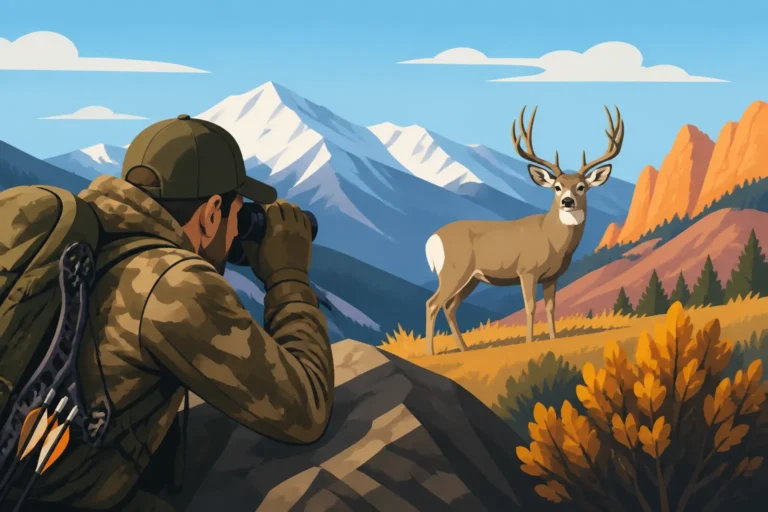
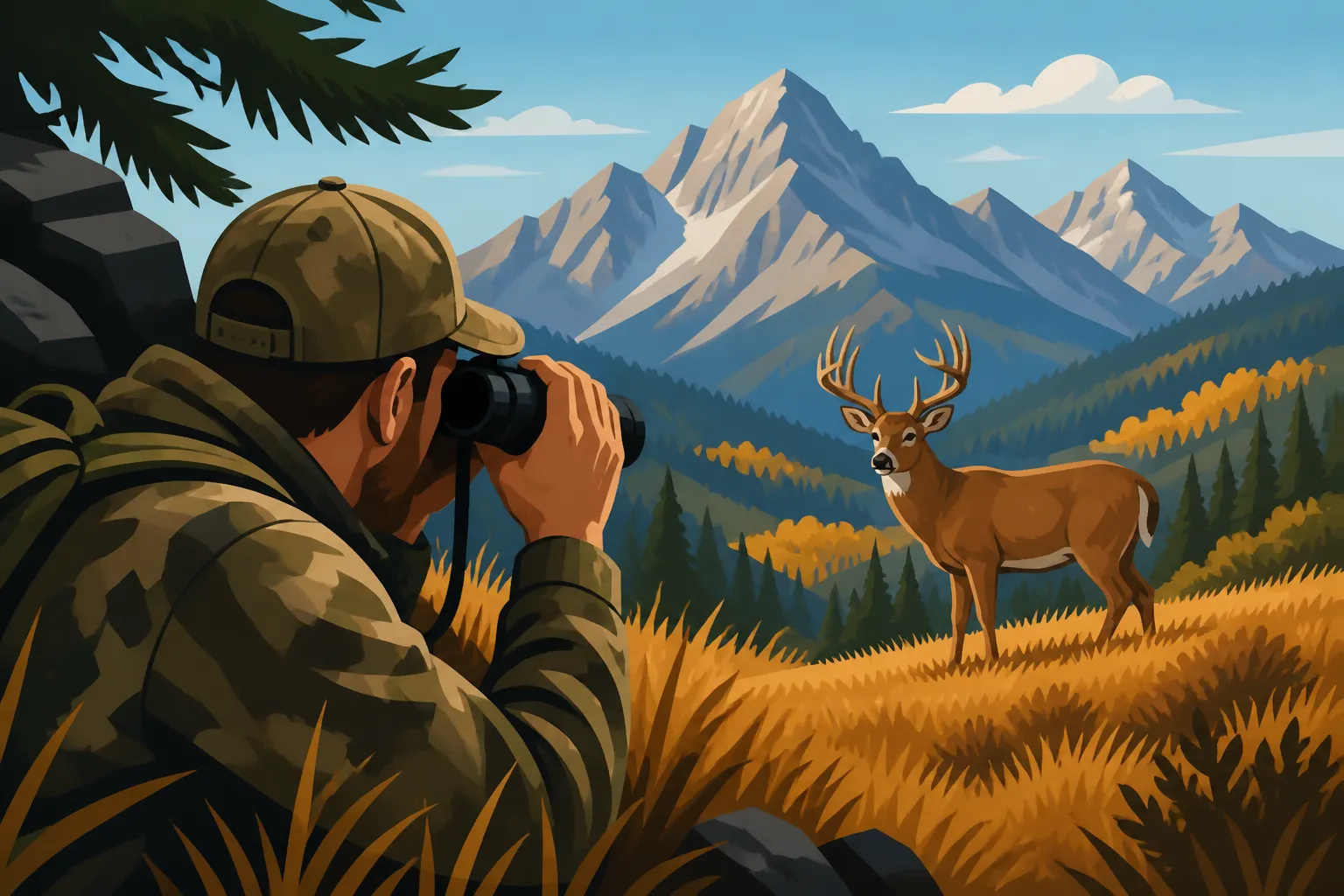
Before you even think about stalking, you have to find the deer. This is where your optics become your best friend. In the open plains, you'll want to find a high vantage point that allows you to see for vast distances. Don't just scan quickly; methodically grid out the landscape, paying close attention to any irregularities. A flicker of an ear, a patch of white, or the horizontal line of a deer's back against vertical grasses can be all you get. Quality binoculars (10×42 or 12×50) and a spotting scope (15-45x or 20-60x) are indispensable.
In river bottoms, the spotting challenge shifts. Instead of vast distances, you're often looking into shaded, dense cover or across narrow clearings. Here, the best strategy is often to find a vantage point that overlooks a large section of the river corridor or an adjacent field, and wait for deer to move into the open. You're not just looking for a deer, you're looking for parts of a deer. A dark spot that looks out of place, a subtle movement, or the shine of an antler might be your only clue. Take your time, soak up the landscape, and let your eyes adjust to the nuances of the environment. If you want to dive deeper into optics, our guide on Best Optics for Colorado Big Game might be helpful.
The Stalk: A Calculated Chess Match
Once you've spotted a whitetail you want to pursue, the real game begins. This isn't a race; it's a slow, deliberate chess match where every move matters.
Reading the Wind and Thermals
Wind is paramount when stalking whitetails. Their sense of smell is incredibly acute, and if they catch your scent, the game is over. Always approach from downwind. This sounds simple, but mountain terrain, even subtle changes on the plains, can create swirling winds or unpredictable thermals. In the mornings, thermals generally rise, pulling your scent uphill. In the evenings, they fall, carrying your scent downhill. During the midday, especially in flat areas, wind can be more consistent, but still prone to swirling around terrain features or buildings. Always carry a wind checker, like a small squeeze bottle of powder or a milkweed pod, and use it frequently to confirm your wind direction. Understanding How to Use the Wind Hunting Colorado Elk provides excellent insights applicable to any big game.
Using Terrain and Cover for Concealment
This is where Colorado's whitetail habitats truly challenge you. In open plains, even a small depression or a patch of taller grass can be enough to break up your silhouette. Think like a predator: low, slow, and utilizing every scrap of available cover. You might have to crawl on your hands and knees for hundreds of yards. In river bottoms, the cover is abundant but noisy. Move incredibly slowly, picking up your feet and placing them down deliberately to avoid snapping twigs or rustling leaves. Focus on moving when the deer's head is down or obscured.
Executing the Final Approach
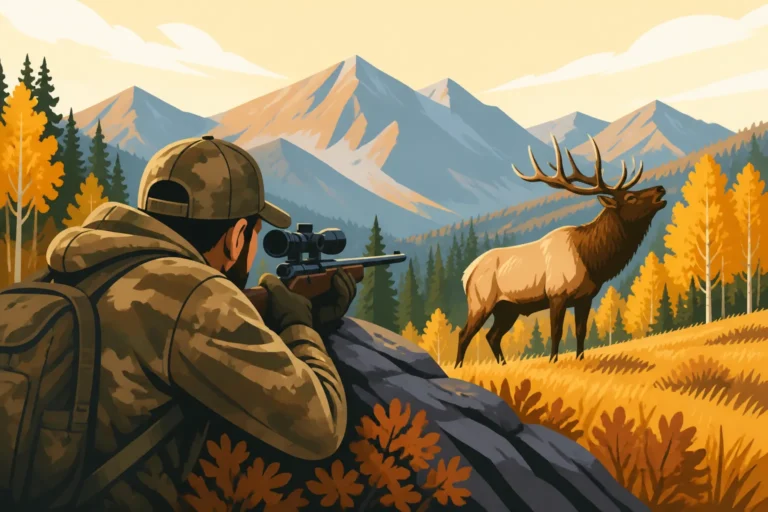
As you get closer, your movements must become even more precise. Identify your shooting lane and a solid rest before the deer knows you're there. If the deer is feeding, try to time your movements with its head down. If it's bedded, you might have to wait for it to stand or shift position. Sometimes, the best strategy is to get as close as you can and then wait for an opportunity. This could mean hours. Patience is your most valuable tool. Often, the final approach becomes a waiting game, where the hunter with the most discipline comes out on top. Consider a deeper dive into stealth techniques with How to Move Quietly Through Colorado Timber.
Essential Gear and Preparation for Success
Spot-and-stalk hunting for Colorado whitetails demands specific gear and meticulous preparation. Being physically and mentally ready will significantly increase your odds.
Optics and Mapping Tools
As discussed, high-quality optics are non-negotiable. Invest in the best binoculars and spotting scope you can afford. Rangefinders are also essential for accurate shot placement in open terrain. For e-scouting, a premium mapping platform is critical. This is where tools like GoHunt shine. Their detailed maps, public/private land overlays, and historical data can help you identify bedding areas, travel corridors, and potential stalking routes before you ever step foot in the field. This pre-scouting is half the battle, allowing you to maximize your time in the field. For comprehensive e-scouting tips, look at How to E-Scout Before a Colorado Hunt.
Clothing, Footwear, and Backpack
Layering is key for Colorado's unpredictable weather. Even on the plains, temperatures can swing dramatically between morning and midday. Choose quiet, durable fabrics that won't rustle as you move. Camouflage patterns that blend with the local vegetation (like drab greens, browns, and tans) are best. Footwear should be comfortable, quiet, and offer good ankle support for navigating uneven terrain or river bottom debris. A good daypack is essential to carry your optics, water, snacks, extra layers, first-aid kit, and game processing tools.
Here’s a quick overview of essential gear for a spot-and-stalk whitetail hunt:
| Gear Item | Purpose | Key Features | Importance Level |
|---|---|---|---|
| Binoculars | Locating deer from a distance, general observation | 10×42 or 12×50, good low-light performance | High |
| Spotting Scope | Confirming deer identity, assessing antler size | 15-45x or 20-60x, stable tripod | High |
| Rangefinder | Accurate distance measurement for shot placement | Angle compensation, quick readings | High |
| Mapping App/GPS | Navigation, identifying public land, marking spots | Offline capabilities, topo maps, public land layers | High |
| Wind Checker | Constantly monitoring wind direction | Squeeze bottle powder or milkweed | High |
| Quiet Clothing | Concealment and silent movement | Layered system, quiet fabrics, appropriate camo | High |
| Comfortable Boots | Support for long walks, quiet movement | Ankle support, waterproof, broken-in | High |
| Daypack | Carrying essentials, potentially meat | Comfortable, sufficient capacity | Medium |
| First-Aid Kit | Emergency preparedness | Basic supplies, pain relievers, blister treatment | Medium |
| Game Processing Kit | Field dressing an animal | Sharp knife, game bags, gloves | Medium |
Physical and Mental Toughness
Spot-and-stalk hunting, especially for Colorado whitetails, is often a physically demanding endeavor. You'll cover miles on foot, often in rough terrain, and spend long hours glassing. Mental fortitude is equally important. The ability to remain patient, focused, and adaptable when things don't go as planned is critical. You might blow out several deer before you get an opportunity, and that's okay. Learn from each experience and apply those lessons to your next stalk. For general fitness advice, consider How to Physically Prepare for Colorado Elk.
Overcoming Challenges and Common Mistakes
Spot-and-stalk whitetail hunting in Colorado is rarely easy. Expect challenges and learn from your mistakes to improve your success rate.
Dealing with Hunting Pressure
Colorado's public lands, even on the plains, can experience significant hunting pressure, especially during rifle seasons. Whitetails quickly become nocturnal or move into denser, harder-to-reach cover when pressured. To counter this, try to hunt mid-week, or venture further from easy road access. Focus on overlooked pockets of cover or areas that require a longer hike. Sometimes, finding areas that other hunters avoid is the key to finding unpressured deer. Understanding How to Hunt Elk on Public Land Pressure can offer valuable insights applicable to whitetails too.
Patience is Your Ultimate Virtue
One of the biggest mistakes hunters make is rushing the stalk. You've spotted a deer, your adrenaline is pumping, and you want to close the distance quickly. Resist this urge! A fast approach almost always ends in failure. Whitetails are incredibly jumpy. Take your time, assess the situation, plan your route, and be prepared to wait. Sometimes, a successful stalk involves a lot of waiting for the deer to move into a better position or for the wind to stabilize.
Avoiding Detection in Open Terrain
In open country, your silhouette is a dead giveaway. Stay low, use the terrain to your advantage, and consider how your movement might be perceived from the deer's perspective. Even a small bush can break up your outline if you move slowly and deliberately behind it. When crossing exposed areas, try to do so quickly when the deer's head is down or when its line of sight is obstructed. This is also where knowing How to Judge Distance in the Mountains becomes important, as misjudging distances in wide-open spaces can lead to unnecessary exposure. Remember, the goal is to be invisible until you're ready to make a move.
Ultimately, hunting Colorado whitetails via spot-and-stalk is a deeply rewarding experience that truly tests your hunting skills. It requires a keen eye, meticulous planning, unwavering patience, and a deep respect for the animal and its environment. Embrace the challenge, learn from every outing, and you'll find immense satisfaction in earning your deer in the vast and beautiful landscapes of Colorado.
Disclaimer
Hunting is an inherently dangerous activity. This guide is for informational purposes only and does not guarantee success or safety. Always prioritize safety, follow all local, state, and federal hunting regulations, and consider taking a hunter education course. Be aware of your surroundings and any potential hazards. The author and publisher are not responsible for any accidents, injuries, or legal issues that may arise from hunting activities.