Is Colorado GMU 43 Good for Elk
Trying to figure out which of Colorado’s vast Game Management Units (GMUs) holds the key to your dream elk hunt can feel like a riddle wrapped in an enigma, especially when you're staring at maps and draw odds. Many hunters, myself included, have pondered, "Is Colorado GMU 43 good for elk?" This guide is here to cut through the confusion, offering a realistic look at GMU 43’s potential, challenges, and what you need to know to pursue elk in this stunning, rugged corner of Colorado.
Decoding GMU 43's Elk Potential: Terrain and Habitat Insights
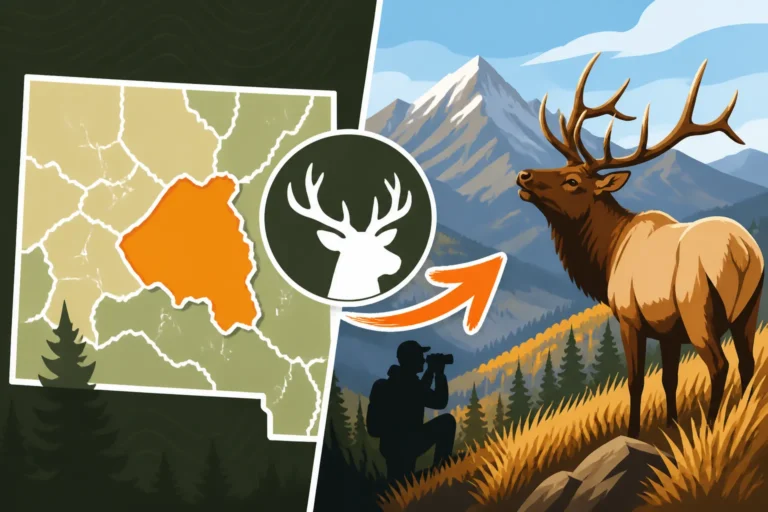
GMU 43, nestled deep within Colorado's West Elk Mountains and touching the fringes of the Ruby Range, is one of those units that gets a lot of chatter. It’s known for its incredibly steep, challenging terrain, high elevations, and dense timber, which can be both a blessing and a curse for elk hunters. This isn't a unit for the faint of heart or those seeking flat ground and easy access.
Geographical Overview and Access Points
When you look at GMU 43 on a map, you immediately see the ruggedness. You're talking about elevations that frequently exceed 10,000 feet, often pushing up to 12,000-13,000 feet in places like the peaks of the West Elks. The unit is primarily comprised of the Gunnison National Forest and the Raggeds Wilderness, meaning a significant portion is public land, but it’s wilderness-designated, which limits motorized access. Access points often involve trailheads off Colorado State Highway 133 or County Road 12 (Ohio Pass Road) from the Crested Butte/Gunnison side, or further north via Kebler Pass Road (seasonal).
The landscape is a mosaic of steep, dark timbered slopes – think thick stands of spruce and fir – interspersed with expansive aspen groves, particularly beautiful in the fall, and open parks at higher elevations. Lower down, you'll find sagebrush flats and oak brush, which become critical winter range. This mix offers elk everything they need: dense cover for bedding, varied forage, and abundant water sources from snowmelt and numerous creeks. Getting into these areas means navigating steep, rocky trails, sometimes through thick blowdowns, and often gaining thousands of feet in elevation. This is where a good mapping system like onX Hunt becomes absolutely indispensable for identifying trails, public land boundaries, and potential bedding areas.
Key Elk Habitat Features
Elk thrive in diverse habitats, and GMU 43 offers a textbook example of this diversity, albeit on a very vertical scale. The unit’s numerous north-facing slopes, with their persistent pockets of snow and cooler temperatures, are prime bedding and escape cover for elk, especially during warmer early seasons. These slopes hold moisture longer, supporting lush vegetation that elk gravitate towards. Conversely, south-facing slopes, while often drier, provide crucial winter forage once the snow starts to drive elk down from the highest elevations.
Water is rarely an issue here, with countless springs, seeps, and creeks flowing through the drainages. Identifying these water sources, particularly those in secluded areas, can be a game-changer when trying to pinpoint where elk might be watering during dry spells or warm weather. During the rut, wallows also become significant focal points. When the elk are on the move, understanding their migration patterns and travel corridors through saddles and benches is paramount. Many hunters focus on these transition zones, especially when learning How to Hunt Elk at High Elevation. The sheer vastness of the unit means elk have plenty of room to roam and escape pressure, making them challenging but rewarding to pursue.
Elk Population Dynamics and Navigating Hunting Pressure in GMU 43
GMU 43 is part of a larger Game Management Unit complex that generally holds a robust elk population, making it a perennial favorite for many hunters. However, "robust population" doesn't necessarily translate to "easy hunting." There's a lot to unpack when it comes to herd health and how hunter pressure impacts your experience.
Herd Health and Numbers
According to Colorado Parks and Wildlife (CPW) data, the elk herd in the West Elks, which includes GMU 43, is generally managed for sustained yield and opportunity. This means they aim for a healthy population that can support hunting pressure while maintaining herd objectives. While specific numbers for GMU 43 alone aren't always broken out, it's widely considered to be a strong elk unit with good bull-to-cow ratios in many areas, particularly in those harder-to-reach spots.
Disease, like Chronic Wasting Disease (CWD), is a consideration in many parts of Colorado, including some areas within or adjacent to GMU 43. CPW regularly monitors CWD prevalence, and hunters should always check the latest regulations and recommendations regarding testing and carcass disposal. While CWD can be a concern, the overall health and population levels in this region still offer excellent hunting prospects. The sheer size and ruggedness of the unit allow elk to spread out, utilize diverse habitat, and often grow to impressive sizes, leading to good trophy potential for those willing to put in the work.
Navigating Hunter Pressure
Let's be real: good elk units in Colorado attract hunters. GMU 43 is no exception. While it's certainly not as congested as some of the Over-The-Counter (OTC) units in the second or third rifle seasons, especially in its more accessible fringes, you will encounter other hunters. The key to success here, as with many quality public land units, is to be willing to go where others aren't.
For hunters seeking to escape the crowds, focusing on the wilderness areas or utilizing tactics that get you deeper into the backcountry can pay dividends. This often means embracing a true Colorado Backcountry Hunting Guide approach, packing in for multiple days, and covering serious mileage away from roads and popular trailheads. Archery season, while still busy, can offer opportunities before the full rush of rifle season. During rifle seasons, the initial days tend to see the highest pressure. Elk are smart; they'll quickly move into the darkest, steepest, most inaccessible timber once they feel the pressure. Hunting midweek, rather than just on weekends, can also help mitigate competition. Understanding how to interpret maps with onX Hunt or downloading satellite imagery before your trip to identify potential refuge areas is crucial for finding solitude and undisturbed elk.
Draw Odds, Seasons, and Strategic Considerations for GMU 43
Hunting GMU 43, for most, requires navigating Colorado's complex draw system. While there might be limited Over-The-Counter (OTC) opportunities for specific antlerless tags or seasons in some adjacent GMUs, the coveted bull tags for GMU 43 are typically draw-only, requiring preference points.
Draw Success and Tag Availability
The primary challenge for hunting GMU 43 is often drawing a tag. This unit is popular, and for good reason, so the draw odds can be steep, especially for bull elk. The number of preference points required varies significantly by season and specific hunt code. Generally, muzzleloader and early rifle bull tags demand more points than archery or later rifle seasons. Cow tags often require fewer points or can sometimes be obtained as leftover tags.
For instance, a trophy bull tag in the first rifle season might require 5-10+ points for a non-resident, while a later season bull tag might be more accessible with 2-4 points, or even 0-1 points in some cases, particularly for residents. It's imperative to consult the current Colorado Parks and Wildlife (CPW) Draw Recap and hunt brochures. Services like GoHunt provide excellent data analysis, helping you understand your chances and strategize how to use your preference points effectively. When planning your application, you’ll need to understand How Many Preference Points for Colorado Elk to make an informed decision about your chances in GMU 43.
Here's a simplified look at the point ranges, but always check current CPW regulations for the most up-to-date data:
| Season | Tag Type | Resident Preference Points (Est.) | Non-Resident Preference Points (Est.) |
|---|---|---|---|
| Archery | Bull (Either-sex) | 0-3 | 1-4 |
| Muzzleloader | Bull | 2-5 | 4-8 |
| 1st Rifle | Bull | 3-6 | 5-10+ |
| 2nd Rifle | Bull | 0-3 | 1-4 |
| 3rd Rifle | Bull | 0-2 | 0-3 |
| 4th Rifle | Bull | 0-1 | 0-2 |
| Archery/Rifle | Cow/Antlerless | 0 | 0-1 (often OTC or leftover) |
Note: These are estimated ranges. Actual points required fluctuate annually based on applicant numbers and available tags.
Seasonal Hunting Strategies
The steep, varied terrain of GMU 43 means elk behavior changes dramatically throughout the hunting seasons, requiring different approaches:
- Early Archery (Late August-September): This is often a physically demanding hunt, with elk still at higher elevations and spread out. You'll need to locate them by glassing alpine basins and listening for bugles. The rut typically kicks in during mid-September, offering exciting calling opportunities. Knowing How to Call Elk in Colorado is essential here. The weather can range from warm to early snowstorms, so be prepared for anything.
- Muzzleloader (Mid-September): Overlapping with the peak of the rut, this season can be incredibly productive, but tags are highly sought after. Elk are vocal, making them easier to locate, but hunter numbers are also higher in desirable areas.
- 1st Rifle (Mid-October): Often called the "hunter's season," the 1st rifle offers exclusive elk hunting days. Elk are still relatively high, but the rut is winding down. Cooler temperatures and potential snow can start to push them. This is a great time to be in the backcountry.
- 2nd & 3rd Rifle (Late October-Early November): These seasons see increasing hunter pressure but also colder weather and often significant snowfall, which can initiate elk migration. Elk will begin moving towards lower elevations and dense timber for cover. These seasons also allow deer hunting concurrently in many units, which means more hunters in the woods. Learning How to Find Elk in Deep Timber becomes critical.
- 4th Rifle (Mid-November): This is a late-season hunt, often characterized by deep snow and severely cold temperatures. Elk are typically concentrated on winter range at lower elevations, but access can be challenging due to snow. Success often hinges on finding migration corridors and staging areas.
No matter the season, understanding How to Use the Wind Hunting Colorado Elk and How to Use Thermals in Colorado Elk Country is critical in this mountainous unit, as the swirling air currents can betray your presence quickly.
Essential Gear and Physical Preparation for GMU 43
Success in GMU 43 isn't just about finding elk; it's about being physically and mentally prepared to tackle some of Colorado's most challenging terrain. The wrong gear or insufficient fitness can quickly turn an incredible opportunity into a miserable ordeal.
Essential Gear for Rugged Terrain
When you're hunting in GMU 43, think bombproof and lightweight. Every ounce matters when you're climbing steep slopes at 11,000 feet.
- Footwear: This is non-negotiable. You need high-quality, sturdy, waterproof mountaineering or heavy-duty hunting boots that provide excellent ankle support. Brands like Kenetrek or Schnee's are popular for a reason. Blisters or sprained ankles can end a hunt. See our guide on Best Boots for Colorado Elk Hunting for more detailed recommendations.
- Backpack: A capable pack, ideally 4,000-6,000 cubic inches, is crucial not just for carrying your daily essentials but also for packing out meat. Look for packs with a sturdy frame that can handle heavy loads. Mystery Ranch and KUIU are excellent choices.
- Optics: High-quality binoculars (10×42 or 12×50) are essential for glassing vast basins and identifying elk at long distances. A spotting scope (15-45x or 20-60x) can be a huge asset for confirming trophy quality or planning stalks, especially when you're How to Glass Big Colorado Basins.
- Layered Clothing System: Temperatures can swing wildly from freezing nights to warm afternoons, and from calm sunshine to sudden blizzards. A merino wool base layer, a fleece mid-layer, and a durable, waterproof/windproof outer shell are standard. Don't forget a warm puffy jacket for glassing sessions or sitting still.
- Navigation Tools: While onX Hunt on your phone is excellent, always carry a backup. A dedicated GPS unit or a physical map and compass are lifesavers when electronics fail or batteries die in remote areas.
- Shelter & Sleep System: If you're going deep, a lightweight tent, sleeping bag rated for below-freezing temperatures, and an insulated sleeping pad are critical.
Packing smart is key. You'll want to review a comprehensive Colorado Backcountry Hunting Gear List to ensure you haven't forgotten anything vital. Remember, you might be hours, or even a full day's hike, from your vehicle.
Physical Fitness Requirements
Hunting in GMU 43 is less a casual stroll and more an extreme endurance sport. The average hunter will burn thousands of calories daily navigating its steep, high-altitude terrain.
- Cardiovascular Endurance: This is paramount. You need to be able to hike uphill for extended periods at high elevation without getting completely gassed. Start training months in advance with a focus on incline walking, stair climbing, and rucking (hiking with a weighted pack). Simulating the loads you'll carry is vital. Our guide on How to Physically Prepare for Colorado Elk offers a great starting point.
- Strength and Stamina: You'll be carrying heavy loads – your pack, your rifle/bow, and hopefully, elk meat. Focus on core strength, leg strength, and overall back conditioning. Deadlifts, squats, lunges, and farmer's carries are excellent exercises.
- Altitude Acclimation: If you're coming from sea level, the altitude in GMU 43 will hit you hard. Plan to arrive a few days early to acclimate, staying hydrated and taking it easy. Some hunters train for altitude using hypoxic tents or other methods, but simply getting to Colorado early is often the most practical approach. Read up on Altitude Training for Colorado Hunting to understand what's involved.
- Mental Toughness: The physical demands are immense, but the mental game is just as important. Expect setbacks, bad weather, long days without seeing elk, and moments of doubt. A positive attitude and persistence are invaluable assets in such challenging country.
Ultimately, GMU 43 is a unit that demands respect, preparation, and a willingness to work harder than you thought possible. It offers incredible beauty and the chance at a truly memorable elk hunting experience, but it’s not for the unprepared.
Disclaimer
Please remember that hunting regulations, season dates, and draw odds are subject to change annually by Colorado Parks and Wildlife (CPW). Always consult the most current CPW regulations and hunting brochures before planning your hunt. This information is for general guidance and educational purposes only.