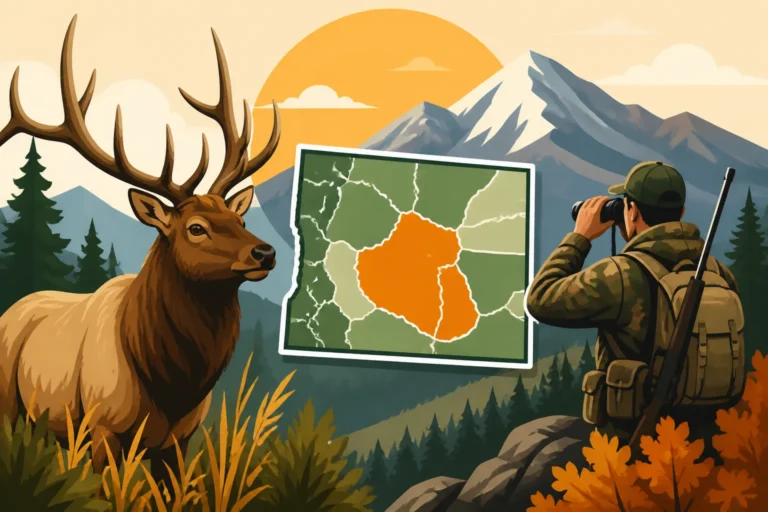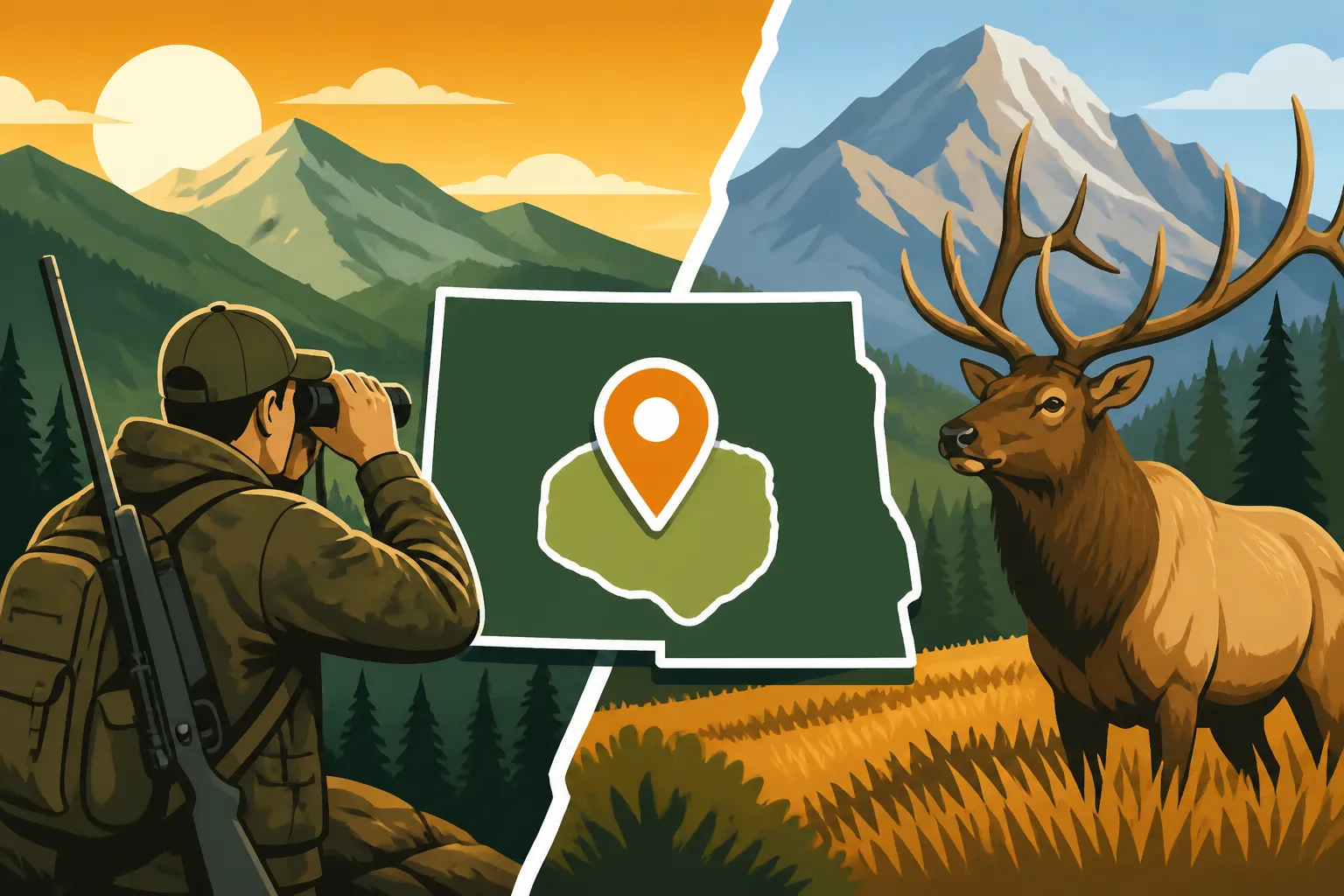
Is Colorado GMU 40 Good for Elk
Deciding which Colorado GMU is the right fit for your elk hunt can feel like trying to solve a complex puzzle, especially when you're pouring over maps and statistics, wondering if a specific unit holds the promise you're looking for. Many hunters eye GMU 40 with a mix of hope and apprehension, curious about its potential. This comprehensive guide will peel back the layers on GMU 40, offering an in-depth look at its terrain, elk populations, access points, and what it truly takes to find success in this challenging yet rewarding hunting area.
Understanding Colorado GMU 40: A Geographic Overview
GMU 40, nestled in Colorado's Western Slope, is often a unit that sparks interest due to its diverse landscape and reputation. It's not a unit to be underestimated; its character is defined by a blend of high-country wilderness, sprawling national forests, and intermingled private lands that demand careful scouting and a strategic approach. Before you even think about packing your boots, it's crucial to understand the lay of the land, as it profoundly dictates elk movement and hunting opportunities.
Geographical Boundaries and Key Features
GMU 40 is located in west-central Colorado, encompassing significant portions of the Grand Mesa and surrounding areas. Its boundaries are generally defined by the Colorado River to the north, the Gunnison River to the south, and various roads and geographic features to the east and west. This unit is famously dominated by the Grand Mesa, which is one of the world's largest flat-topped mountains. Imagine vast, timbered plateaus giving way to steep canyons and deep drainages—that's the essence of GMU 40. The mesa itself is punctuated by numerous lakes, reservoirs, and perennial streams, which are invaluable water sources for wildlife.
The terrain can be incredibly rugged, with elevations ranging dramatically. On the Grand Mesa, you'll find expansive timber stands, primarily composed of spruce, fir, and aspen. As you descend into the lower elevations, particularly along the river corridors, the vegetation shifts to pinyon-juniper forests, sagebrush flats, and riparian zones. This topographical diversity means elk will utilize different areas depending on the season, weather, and hunting pressure. Understanding these transitions is key to anticipating where elk might be holding. For a broader context, you might want to read our guide on how Colorado GMUs work to better understand unit designations.
Elevation and Vegetation Zones
The elevation swings in GMU 40 are a critical factor for elk hunters. The Grand Mesa's plateau sits at an average elevation of around 10,000 to 11,000 feet, providing excellent summer range and critical high-elevation habitat. However, as winter approaches and snow begins to pile up, elk will migrate to lower elevations, often seeking refuge in the pinyon-juniper and sagebrush country at 6,000 to 8,000 feet. This migration pattern is a constant dance that hunters must learn to predict.
The vegetation zones are equally important. At the highest elevations, the dark timber provides thermal cover and security, especially during hunting season. Aspen groves are food-rich areas, offering palatable browse and hiding spots. Further down, oak brush thickets become vital, providing both cover and forage as elk descend. Learning to recognize these different zones and understanding what each offers to elk at various times of the year will significantly improve your scouting and hunting success. Using modern tools like onX Hunt can give you an incredible advantage in visualizing these elevation changes and vegetation types from home, helping you plan your approach before you even step foot in the field.
Elk Population Dynamics and Habitat in GMU 40
When asking "Is Colorado GMU 40 good for elk?", the health and density of the elk population are paramount. GMU 40 is part of a larger elk management unit, and its herd numbers fluctuate based on factors like winter severity, calf recruitment, predator pressure, and hunting success. While it's not known for the highest densities of elk compared to some northern Colorado units, it consistently holds a respectable population, making it a viable option for many hunters, especially those willing to work for their animals.
Current Herd Health and Trends
Colorado Parks and Wildlife (CPW) manages elk herds across the state with specific objectives for population size and sex ratios. GMU 40 falls within a data analysis unit that typically reports moderate to good elk numbers. Historically, this unit has been a reliable producer of elk, though it rarely offers easy hunting. Success often hinges on getting away from roads and into tougher terrain. CPW keeps an eye on the herd by conducting aerial surveys and analyzing hunter harvest data, which helps them adjust tag allocations. These trends are crucial for understanding your draw odds and overall hunting potential.
It’s worth noting that like many areas, GMU 40 can experience shifts. Severe winters, for instance, can impact calf survival rates, potentially leading to a dip in numbers a few years down the line. Conversely, mild winters can allow the herd to thrive. Websites like GoHunt provide valuable insights and detailed data on herd objectives and population trends for specific units, which can be invaluable for your planning. While GMU 40 isn't typically discussed as a "trophy unit" in the same vein as some other highly restricted units, it certainly produces mature bulls for persistent hunters.
Key Habitat Areas for Elk
Elk in GMU 40 rely heavily on the diverse habitat offered by the Grand Mesa and its surrounding canyons. During the summer and early fall, particularly for archery and early rifle seasons, many elk will be found on the high plateau of the Grand Mesa. Here, they utilize the dense timber for bedding and security, venturing into aspen parks and meadows to feed, especially during dawn and dusk. Water sources, abundant across the mesa, also draw elk in. Understanding how to hunt elk at high elevation will be particularly beneficial here.
As hunting pressure mounts and temperatures drop, elk will often move into the darker, thicker timber for security, or begin their migration to lower elevations. The steep, north-facing slopes and deep drainages that cut off the mesa are crucial travel corridors and security cover during this transition. These areas offer thermal protection from harsh weather and escape routes from hunters. Later in the season, during the third and fourth rifle hunts, elk will be more concentrated in the pinyon-juniper and oak brush areas at lower elevations, where they can escape deep snow and access remaining forage. Identifying these benches and saddles, along with traditional travel corridors, becomes critical for late-season success.
Hunting Access and Public Land Opportunities in GMU 40
One of the biggest questions for any Colorado hunter, especially non-residents, is "Where can I actually hunt?" GMU 40 offers a significant amount of public land, primarily through the Grand Mesa National Forest and Bureau of Land Management (BLM) holdings. However, this public land is often interspersed with private property, creating a complex patchwork that can be confusing if you're not prepared.
Public vs. Private Land Breakdown
GMU 40 boasts a substantial percentage of public land, making it attractive for DIY hunters. The vast majority of the Grand Mesa itself is National Forest land, offering extensive opportunities for public hunting. Below the rim, significant BLM parcels exist, often in the steeper, more rugged canyons and mesas. However, numerous private ranch properties are also scattered throughout the unit, particularly in the lower elevations and along agricultural fringes.
This mosaic of land ownership means that while there's plenty of public ground, elk don't respect property lines. They will move freely between public and private land, often bedding on private ground during the day and feeding on public at night, or vice-versa, especially if pressure is high. This necessitates meticulous scouting and a clear understanding of boundaries. Tools like onX Hunt are indispensable here, allowing you to instantly visualize public and private land boundaries, landowner names, and even access easements. It's a game-changer for avoiding trespassing and maximizing your hunting time on legal ground. Always respect private property, and if you're lucky enough to gain permission, cherish it!
Access Points and Road Systems
Access into GMU 40 varies considerably depending on the specific area you're targeting. The Grand Mesa is crisscrossed by a network of forest service roads, many of which are well-maintained and accessible by two-wheel drive vehicles during the summer and early fall. However, many of these roads become impassable with early snowfalls, often restricting access to snowmobiles or skis later in the season. There are also numerous two-track roads and ATV trails that can get you deeper into the public land, but always check motor vehicle use regulations as some areas are restricted to foot or horseback traffic only.
For those willing to go the extra mile, GMU 40 offers significant wilderness and roadless areas within the National Forest, particularly on the Grand Mesa itself. These areas provide opportunities for a more remote, backcountry experience, though they demand a higher level of fitness and preparation. Consider reading a guide on Colorado backcountry hunting if you plan to venture deep. Access to some BLM lands in the canyon country can be trickier, often requiring 4×4 vehicles or foot travel from designated trailheads. Carefully studying maps beforehand, perhaps through the Colorado Hunting Atlas, is crucial for identifying viable access points and understanding the road network. Remember, the deeper you go, the less hunter pressure you'll likely encounter, which can translate to better elk encounters.
| Feature / Aspect | High Elevation (Grand Mesa Plateau) | Mid-Elevation (Slopes & Ridges) | Low Elevation (Canyon Bottoms & Foothills) |
|---|---|---|---|
| Typical Elevation | 10,000 – 11,000 ft | 8,000 – 10,000 ft | 6,000 – 8,000 ft |
| Dominant Vegetation | Spruce, Fir, Aspen, Meadows | Oak Brush, Pinyon-Juniper, Some Aspen | Pinyon-Juniper, Sagebrush, Riparian |
| Elk Use (Summer/Early Fall) | Primary summer range, abundant forage, water | Transition, occasional feeding | Limited, hot, less cover |
| Elk Use (Late Fall/Winter) | Minimal (deep snow), migration corridor | Heavy use for security and forage | Primary winter range, key forage |
| Hunter Access | Good via forest roads, many trails, some wilderness | Varies, rougher roads, foot access | Varies, private land concerns, steeper terrain |
| Hunting Challenge | Physically demanding, high elevation | Moderate to high, navigation, pressure | High (private land), finding elk in cover |
Hunting Strategies and Considerations for GMU 40
Successfully hunting elk in GMU 40 is a marathon, not a sprint. It requires patience, physical fitness, and a willingness to adapt. Whether you're chasing them with a bow or a rifle, understanding elk behavior within this specific unit's dynamics is your biggest asset.
Best Seasons and Tactics
GMU 40 hosts all the standard Colorado elk seasons: archery, muzzleloader, and the four rifle seasons. Each season presents unique challenges and opportunities.
- Archery Season: This can be fantastic if you can get away from pressure. Elk are still typically higher on the Grand Mesa, often in Bachelor groups or starting to bugle as the rut approaches. Calling tactics, especially if you know how to bugle for Colorado elk or how to cow call Colorado elk, can be effective. Spot-and-stalk hunting in Colorado is also a viable method in the more open timber and meadows. However, with limited OTC archery tags, finding unpressured elk requires effort.
- Muzzleloader Season: This short, intense season usually falls right at the peak of the rut, offering exciting opportunities to locate bugling bulls. The challenge is the limited range and single-shot nature of muzzleloaders. Hunters often combine calling with patient glassing.
- Rifle Seasons (1st-4th): The early rifle seasons (1st and 2nd) often see elk still relatively high on the mesa, especially if weather is mild. Hunters will need to cover ground and be prepared for changing conditions. As the seasons progress into 3rd and 4th rifle, elk will increasingly be found in lower elevation winter range. This often means focusing on the pinyon-juniper breaks and oak brush thickets below the main mesa. Learning how to hunt elk in rifle season pressure is crucial, as GMU 40 sees its share of hunters. Glassing big Colorado basins from afar can be a highly effective tactic here, especially when elk are moving between feeding and bedding areas.
Regardless of the season, a consistent strategy for GMU 40 involves:
- Early Season (Archery/Muzzleloader/1st Rifle): Focus on the high country of the Grand Mesa. Find dense timber patches adjacent to open feed areas or water sources. Expect elk to be pressured once hunting starts, so be prepared to go deep or hunt during mid-day when others are resting.
- Late Season (3rd/4th Rifle): Shift your focus to lower elevations and migration routes. Look for north-facing slopes, pinyon-juniper thickets, and oak brush. Elk will be looking for cover and forage away from deep snow.
- Wind and Thermals: Colorado elk hunting always demands attention to wind direction and thermals, especially in mountainous terrain like GMU 40.
Challenges and Tips for Success
Hunting GMU 40, while rewarding, comes with its own set of challenges. It’s not for the faint of heart or those unwilling to put in the work.
- Physical Demands: The terrain is rugged, with significant elevation changes. If you plan to hunt the high country, you need to be in excellent physical condition. Even the lower country can be steep and demanding. Training for physical preparation for Colorado elk hunting is non-negotiable.
- Hunter Pressure: While not as infamous as some OTC units, GMU 40 does see hunter pressure, especially on public land near easily accessible roads. To truly find success, you'll need to be willing to hike further and get off the beaten path. This could mean heading into one of the designated roadless areas or simply walking a few miles past where most hunters stop. Utilizing a guide like "How to Hunt Elk on Public Land Pressure" can provide invaluable strategies.
- Weather Variability: Colorado weather in the fall is unpredictable. You can experience warm, sunny days followed by blizzards within hours. Be prepared for anything, from rain to snow to freezing temperatures. This means carrying appropriate gear and layers.
- E-Scouting and Boots-on-the-Ground Scouting: E-scouting using tools like onX Hunt or GoHunt is essential for breaking down the unit before your trip. Identify potential bedding areas, feeding zones, water sources, and escape routes. However, there's no substitute for boots-on-the-ground scouting, even if it's just a few days before your hunt. This allows you to verify conditions, locate fresh sign, and adapt your plan.
- Game Retrieval: If you're fortunate enough to harvest an elk, remember that getting it out of the backcountry can be an immense challenge. Plan your pack-out strategy beforehand. If you're alone, knowing how to pack out an elk in Colorado solo is critical. Consider a game cart or hiring a packer if you're targeting remote areas.
Overall, GMU 40 is a good unit for elk if you are an adaptable, physically capable hunter who is willing to put in the effort required to navigate its diverse and often challenging landscape. It’s not a "gimme" unit, but for those who respect its terrain and understand elk behavior within it, GMU 40 can absolutely deliver a memorable Colorado elk hunting experience.
Disclaimer
Please remember that hunting regulations, seasons, and unit boundaries can change. Always consult the most current Colorado Parks and Wildlife (CPW) regulations and maps before planning any hunting trip. This information is for general guidance and educational purposes only.