Colorado Mule Deer Trophy Potential by Unit
Colorado mule deer trophy potential depends on genetics, nutrition, age structure, and navigating preference points for specific game management units.
Know what you’re after.
Big game, small game, upland birds, and waterfowl — identification, behavior, rut and migration timing, and how each species moves through the season.
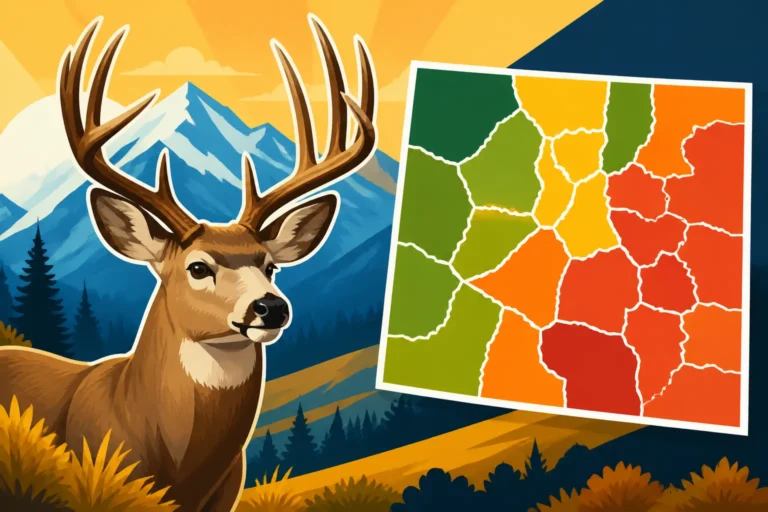
Colorado mule deer trophy potential depends on genetics, nutrition, age structure, and navigating preference points for specific game management units.
Colorado mule deer habitats and seasonal migration patterns determine where hunters find herds across western slopes, high country, and eastern plains.
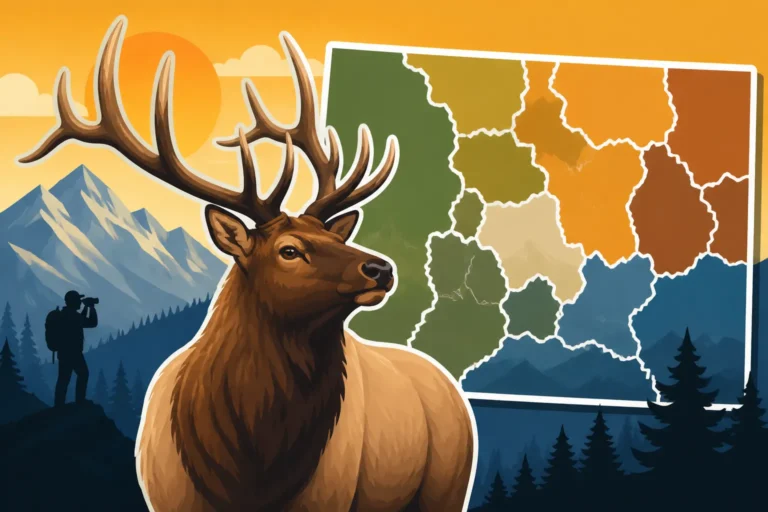
Colorado game management units provide varying trophy elk potential determined by preference points, hunter pressure, and habitat quality.
Colorado elk locations and movement patterns depend on seasonal elevation shifts, weather, and basic needs like food, water, and dense cover.
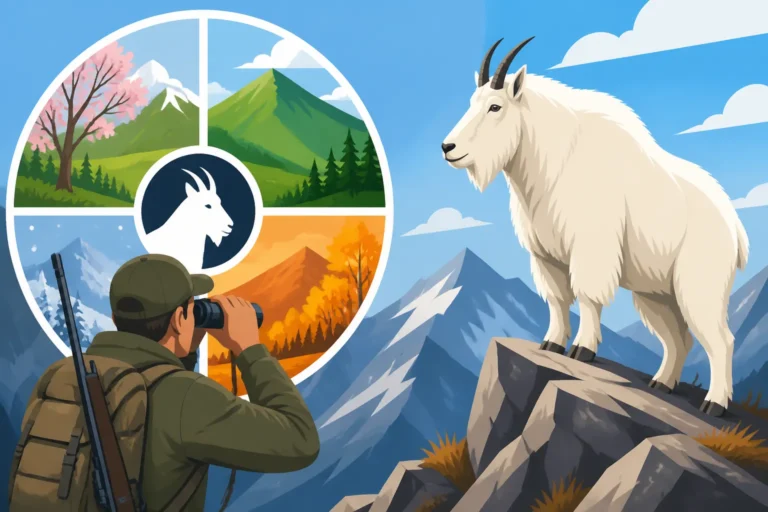
Colorado mountain goat seasons run from September through November, requiring hunters to navigate high-altitude terrain, winter weather, and the rut.
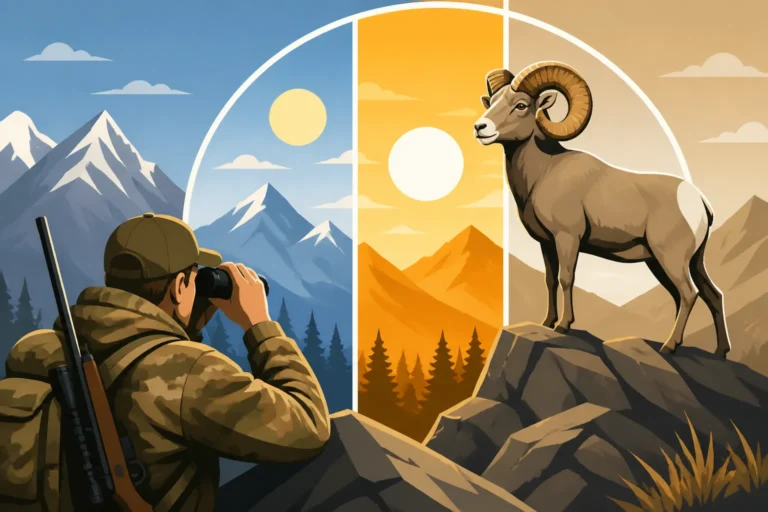
Colorado bighorn sheep seasons span from August archery hunts through November rifle peaks and December winter ranges, requiring specific planning.
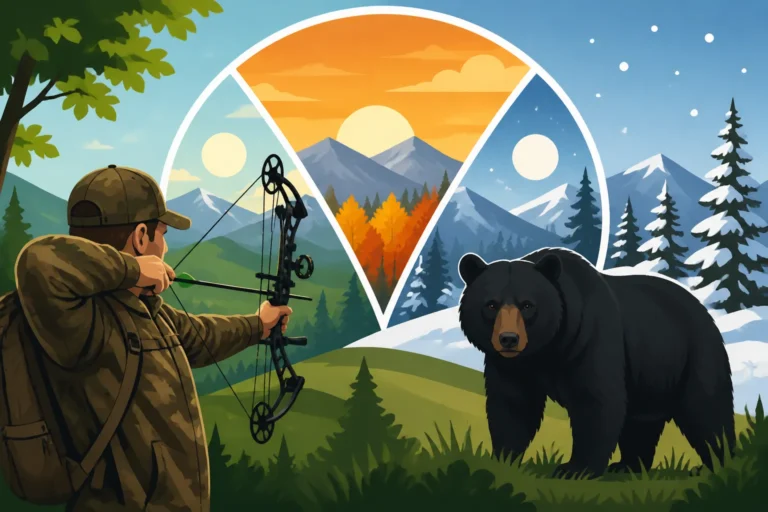
Colorado black bear hunting seasons, weather patterns, and food sources dictate the best times and methods for a successful hunt.
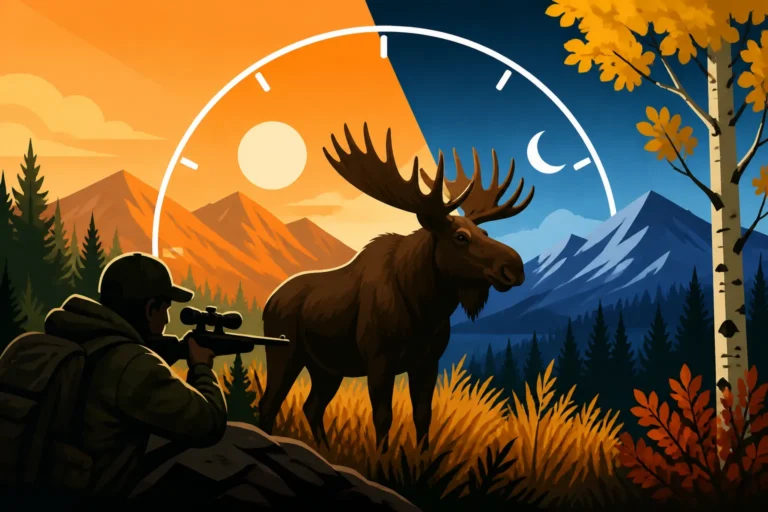
Colorado moose hunting seasons span archery, muzzleloader, and rifle dates, featuring distinct animal behaviors and tactical challenges.
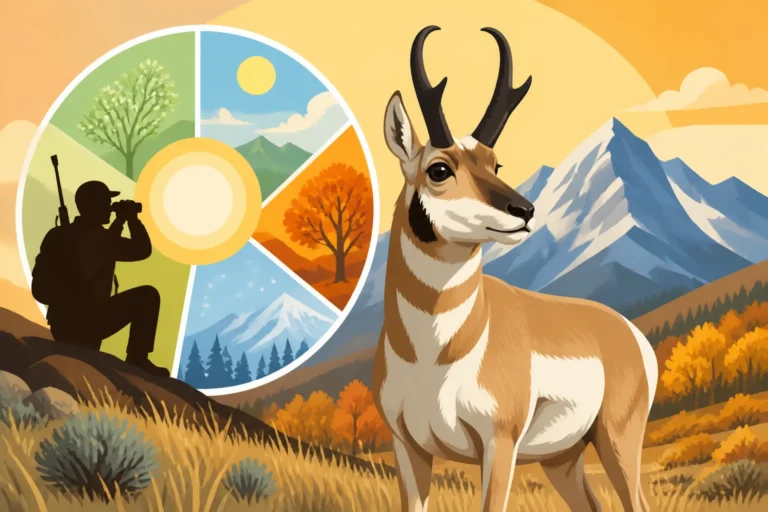
Colorado pronghorn hunting seasons, seasonal behavior, weather, and methods determine the ideal dates for archery, muzzleloader, and rifle hunts.
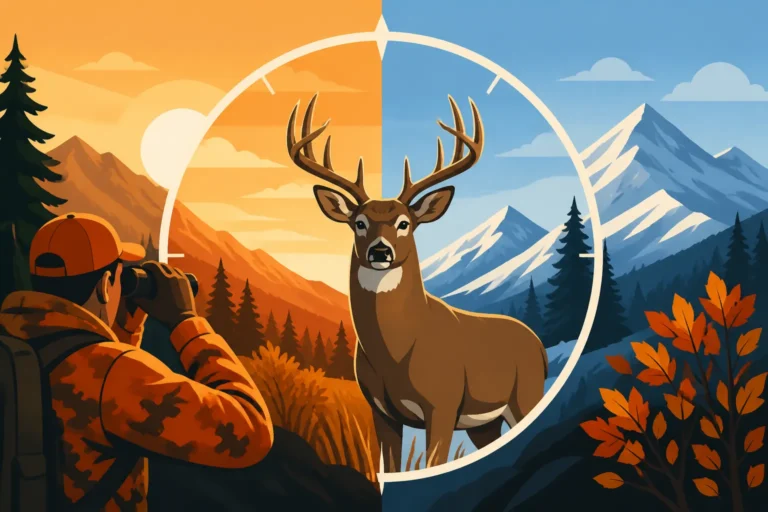
Colorado whitetail deer hunting windows and strategies along eastern river systems explain prime timing for archery, muzzleloader, and rut seasons.