Colorado Elk Antler Scoring Explained
Colorado elk antler scoring methods, including Boone and Crockett and Safari Club International systems, are explained for hunters.
Know what you’re after.
Big game, small game, upland birds, and waterfowl — identification, behavior, rut and migration timing, and how each species moves through the season.
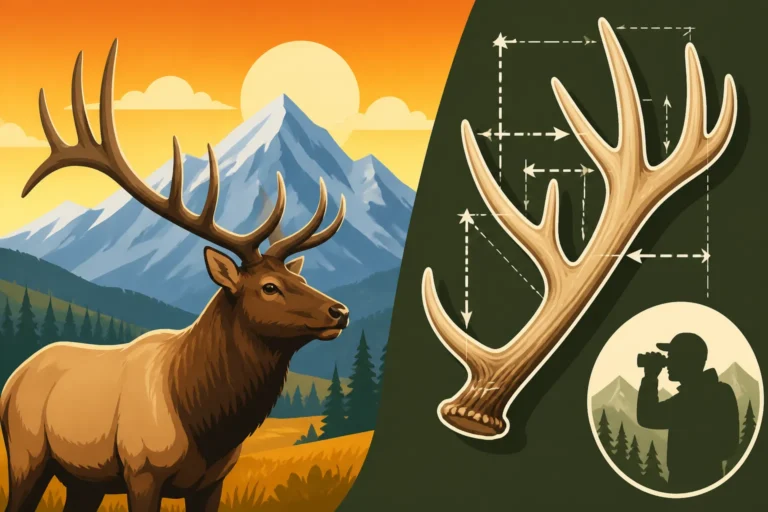
Colorado elk antler scoring methods, including Boone and Crockett and Safari Club International systems, are explained for hunters.
Colorado elk body weight, shoulder height, antler growth, Boone and Crockett scoring, and the biological factors influencing their overall size.
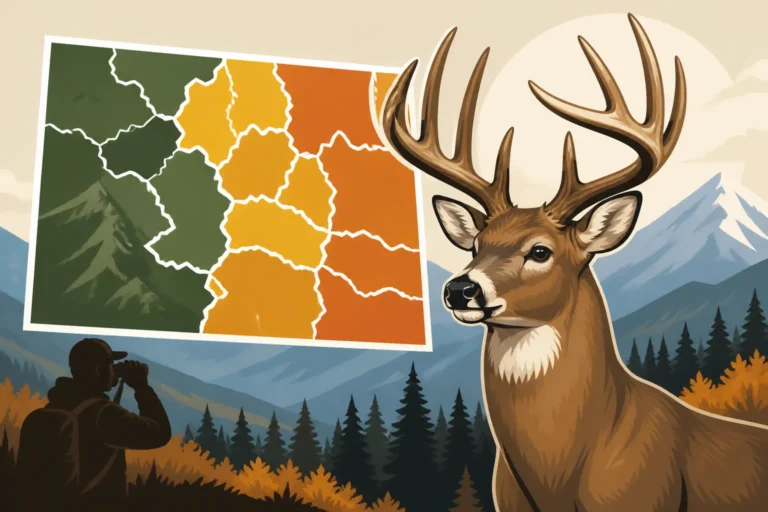
Colorado whitetail deer hunting units along eastern river basins offer trophy potential, realistic antler sizes, and specialized public land strategies.
Colorado whitetail deer inhabit river bottoms and agricultural lands, requiring specialized scouting, access strategies, and specific hunting tactics.
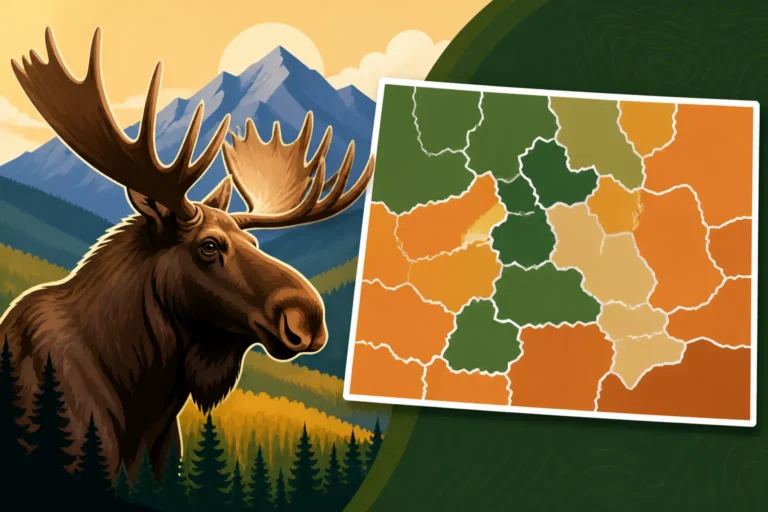
Colorado moose hunting units offer varying trophy potential based on age structure, genetics, and low hunter pressure in specific GMUs.
Colorado moose populations, prime habitats, and specific Game Management Units are detailed to help locate these animals for viewing or hunting.
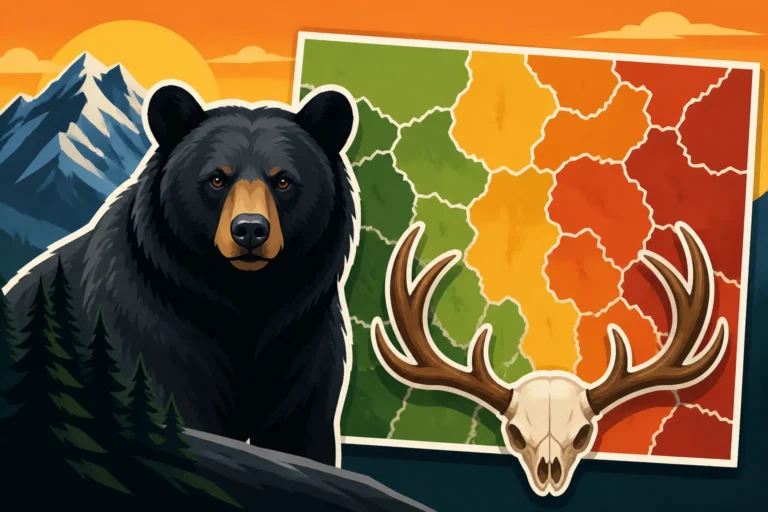
Colorado black bear trophy potential depends on skull size, age, food availability, and selecting specific game management units with rugged public land.
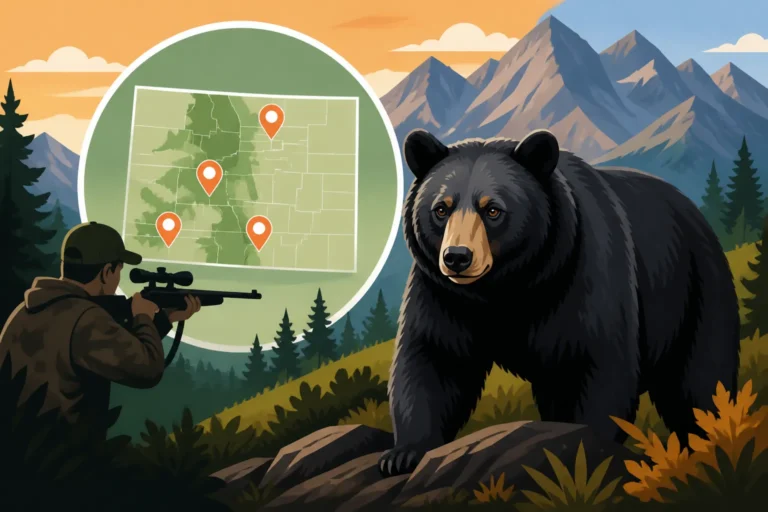
Colorado black bear habitats and seasonal food sources determine where populations roam across western, southern, central, and northern mountain ranges.
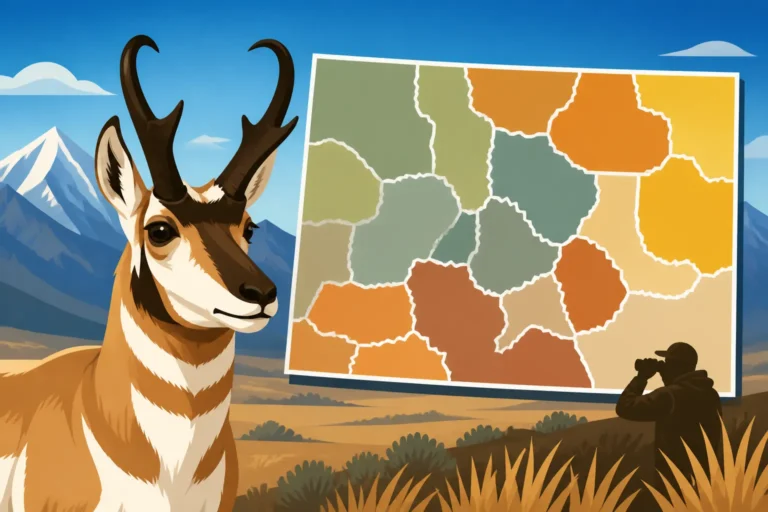
Colorado pronghorn trophy potential highlights top game management units, scoring standards, and key habitat factors to plan a successful hunt.
Colorado pronghorn habitats, key regions, and scouting techniques for locating animals across the state appear in this resource.