Colorado Bear-Human Conflict and Hunting
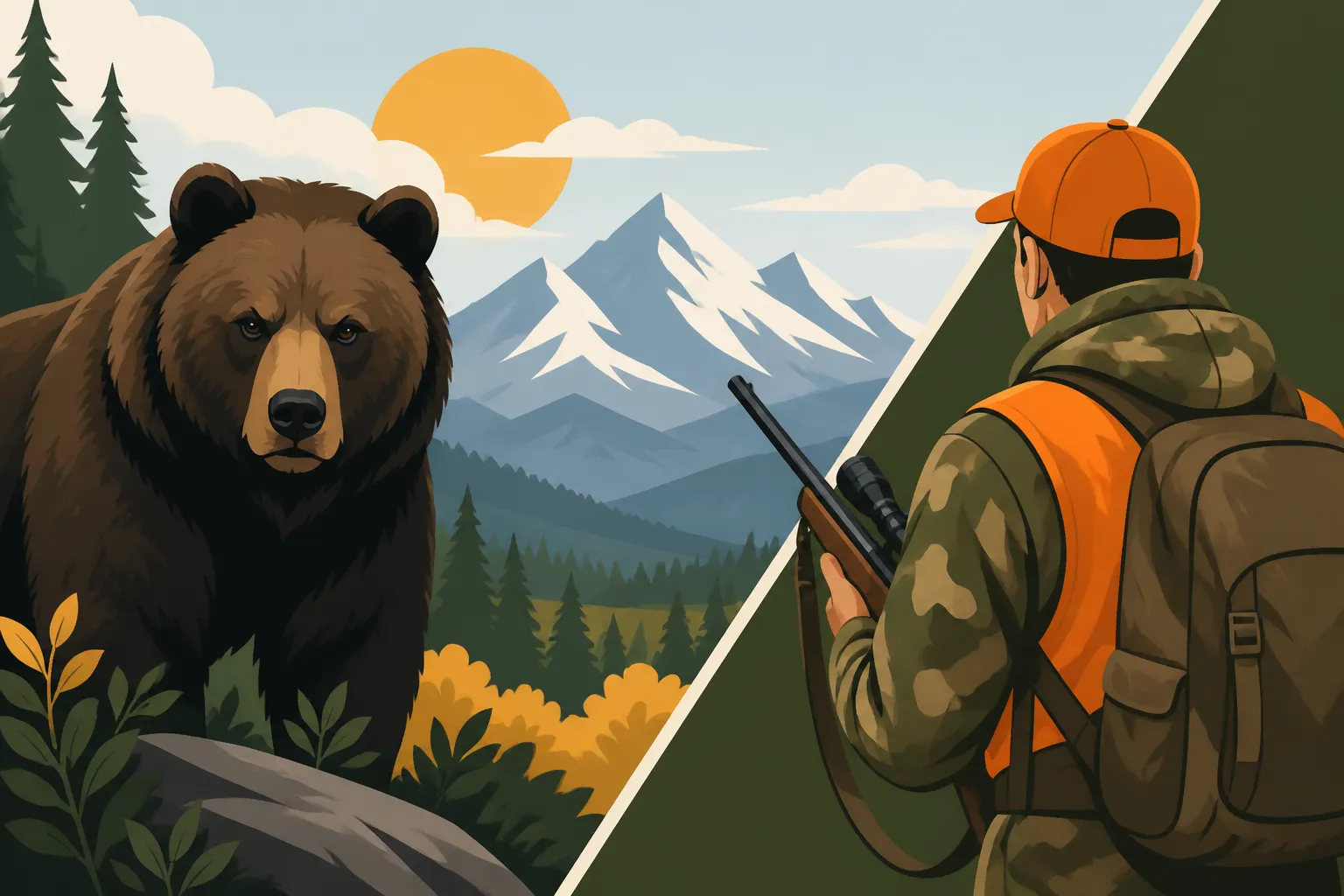
Living in Colorado, it's becoming increasingly common to hear stories, sometimes unsettling, about bears venturing closer to our homes and communities. This rise in bear-human encounters can be frustrating and even frightening for residents who simply want to protect their families and property. This guide aims to shed light on why these interactions are on the rise, explore the role of ethical hunting in managing bear populations, and provide practical advice for how both hunters and non-hunters can foster safer coexistence with Colorado's black bears.
Understanding the Rise of Bear-Human Encounters in Colorado
Colorado's black bear population is thriving, which is fantastic news for wildlife enthusiasts, but it also means more bears are navigating a landscape increasingly shared with humans. The interface between wilderness and urban areas, especially along the Front Range and in mountain communities, has become a hotbed for these interactions. It's a complex issue, often stemming from environmental factors, human behavior, and the natural instincts of these incredibly adaptable animals.
Why Bears Venture Closer to Human Habitats
Bears are driven by an instinctual need to forage and find food, especially as they prepare for hibernation or when raising cubs. When natural food sources like berries, nuts, and acorns are scarce due to drought, late frosts, or other environmental shifts, bears become more opportunistic. They'll follow their noses to the path of least resistance, and unfortunately for us, that often leads straight into our backyards, campsites, and even our homes. Our trash, pet food, bird feeders, and even barbecue grills present an irresistible buffet, requiring minimal effort for maximum caloric reward.
Another significant factor is simply the increasing overlap of human development with traditional bear habitat. As Colorado's population grows and communities expand deeper into the foothills and mountains, we're building homes and infrastructure directly in areas where bears have always lived and traveled. This encroachment naturally reduces their undisturbed habitat, pushing them into closer proximity with people. What was once a wild berry patch might now be a suburban cul-de-sac, forcing bears to adapt or seek new foraging grounds, which are often residential.
Common Scenarios of Conflict
The conflicts we see aren't usually aggressive attacks out of the blue; they're often a result of bears simply looking for food and being surprised or cornered. The most frequent calls Colorado Parks and Wildlife (CPW) receives about bears involve them getting into trash cans. Imagine a bear, hungry and curious, easily tipping over an unsecured bin on trash day. Once they've learned that trash equals an easy meal, they'll keep coming back, creating a habitual pattern that's hard to break. This is why securing all attractants is so critical, as we'll discuss later.
Beyond trash, other common attractants that draw bears in include outdoor pet food left on porches overnight, overflowing bird feeders, uncleaned barbecue grills, and even open garage doors where freezers or stored food are accessible. Bears are incredibly strong and intelligent, and they quickly learn to associate human structures with food rewards. They might even try to enter homes through unlocked doors or windows, especially if they smell something tempting inside. These scenarios, while driven by hunger, can escalate quickly and pose a significant safety risk to both humans and the bear involved, often leading to the bear being euthanized if it becomes too habituated or dangerous.
The Role of Hunting in Mitigating Conflict
When discussions turn to managing bear populations and reducing human-bear conflicts, regulated bear hunting often becomes a focal point. It's a topic that garners strong opinions on both sides, but from a wildlife management perspective, it plays a vital and often misunderstood role in maintaining ecological balance and fostering coexistence. Colorado Parks and Wildlife, like many state agencies, utilizes hunting as a scientifically backed tool to manage populations.
How Bear Hunting Contributes to Management
Regulated bear hunting is primarily used as a population management tool. When bear populations grow unchecked, they can exceed the carrying capacity of their natural habitat, leading to increased competition for food, disease, and, yes, more frequent interactions with humans as they spread out in search of resources. By allowing a controlled harvest, wildlife agencies aim to stabilize populations at healthy levels that are sustainable for the ecosystem and minimize conflicts with people. This isn't about eradication; it's about balance.
Furthermore, hunting can help disperse bears, especially younger, more adventurous individuals, from high-conflict areas. Bears that are harvested are typically those that are more active and less wary, which can include bears that are venturing closer to human settlements. While hunting doesn't directly target "problem bears" that are already habituated (those are often handled by CPW directly), it can influence the overall bear density and behavior across a larger area. This proactive management, combined with public education on securing attractants, forms a multi-faceted approach to reducing nuisance bears and protecting both wildlife and communities. For a deeper understanding of how the state manages these populations, exploring the Colorado Black Bear Hunting Guide can provide valuable insights.
Ethical Considerations and Public Perception
The idea of hunting bears can be contentious, and it's essential to address the ethical considerations and public perception head-on. Opponents often argue that hunting is cruel or unnecessary, especially for an animal like the black bear. However, ethical bear hunting, as regulated by states like Colorado, adheres to strict fair chase principles. In Colorado, for example, baiting bears is strictly prohibited, as is hunting with hounds. This means hunters must actively pursue bears through scouting and tracking, making it a challenging and respectful pursuit that emphasizes fair chase.
From a management standpoint, the alternative to regulated hunting for population control often involves more invasive or less humane methods, such as trapping and relocation (which often has low success rates for bears and can simply move the problem), or euthanasia of nuisance animals. By allowing ethical hunting, Colorado aims to maintain healthy bear numbers while providing recreational opportunities for hunters who contribute significantly to conservation efforts through license fees and excise taxes on gear. Understanding Colorado Black Bear Behavior is also crucial for ethical hunting, ensuring a respectful approach to the animal.
Colorado's Bear Hunting Seasons and Regulations
If you're considering bear hunting in Colorado, it's crucial to understand the distinct seasons and stringent regulations put in place by Colorado Parks and Wildlife (CPW). These rules are designed not only to ensure a fair chase and ethical hunt but also to manage the bear population effectively and minimize any impact on denning sows or cubs. Colorado offers both spring and fall seasons, each with unique characteristics and tag acquisition methods.
Key Seasons and Methods for Bear Hunting
Colorado offers both a spring and a fall bear season. The spring bear season is typically very limited and often occurs concurrently with spring turkey season in specific units, running from April through May. These tags are usually very limited and highly sought after. The fall bear season is far more expansive and often runs concurrently with archery, muzzleloader, and rifle seasons for elk and deer. This overlap allows many big game hunters to purchase a bear tag as an add-on, increasing their opportunities in the field. You can learn more about specific timelines in the Colorado Fall Bear Season and Tags and Colorado Spring Bear Season and Tags guides.
The methods permitted for hunting black bears in Colorado are quite specific. As mentioned, baiting and the use of hounds are strictly prohibited, setting Colorado apart from many other states. This means hunters must rely on traditional spot-and-stalk tactics, still-hunting, or calling. Success often hinges on extensive scouting, identifying active feeding areas, bedding sites, and travel corridors. During the fall, bears are often found gorging on acorns, berries, or other high-calorie foods, making these areas prime spots. Hunters can utilize archery equipment, muzzleloaders, or rifles, depending on the specific season they are participating in, following all established big game regulations. For detailed information on specific tactics, you might find the How to Hunt Black Bear in Colorado post helpful.
Applying for a Colorado Bear Tag
Acquiring a Colorado bear tag primarily happens through the state's draw system, though there can be over-the-counter (OTC) opportunities for specific seasons or units. For the most desirable units and seasons, especially the limited spring hunts, you'll need to apply in the annual primary draw, typically in April. This process involves selecting specific hunt codes and using preference points, if available, to increase your odds. It can be a bit daunting to navigate, but resources like the GoHunt platform are incredibly useful for analyzing draw odds and strategizing your application. They provide detailed insights that can make a real difference in your success.
Many fall bear tags, however, are offered as over-the-counter add-on licenses that can be purchased in conjunction with a deer or elk license. These OTC opportunities often coincide with the general rifle seasons. It’s important to note that these OTC bear tags are only valid in specific units and during particular rifle seasons, and you must possess a valid deer or elk license for that specific unit and season to legally hunt bear. Always double-check the current year's regulations on the CPW website or through trusted services like GoHunt to ensure you're compliant. Understanding Colorado Draw System and Preference Points is key to applying successfully for limited tags, and the Colorado Bear Tag Options explains the various choices available to hunters.
Here's a quick overview of bear hunting seasons in Colorado:
| Season Type | Typical Dates | Methods Permitted | Tag Type | Notes |
|---|---|---|---|---|
| Spring Bear | April 1 – May 31 (Limited) | Archery, Rifle, Muzzle | Draw (Limited) | Specific units, often concurrent with Spring Turkey. Highly competitive. |
| Archery Bear | Late Aug – Late Sept | Archery | Draw or OTC | Concurrent with Archery Deer/Elk. No baiting/hounds. |
| Muzzleloader Bear | Early Sept | Muzzleloader | Draw or OTC | Concurrent with Muzzleloader Deer/Elk. No baiting/hounds. |
| Rifle Bear (Fall) | Mid Oct – Late Nov | Rifle | Draw or OTC | Concurrent with Rifle Deer/Elk Seasons (1st-4th). No baiting/hounds. |
Always consult the current Colorado Parks and Wildlife Big Game Brochure for exact dates, unit restrictions, and regulations, as they can change annually.
Strategies for Coexisting with Bears
While hunting serves as a crucial management tool, the responsibility for reducing bear-human conflict ultimately falls on everyone living in or visiting bear country. Proactive measures to remove attractants and knowing how to react during an encounter are the most effective ways to prevent issues and ensure the safety of both humans and bears. Our actions, or inactions, directly influence how frequently and aggressively bears interact with our communities.
Securing Attractants and Property
The vast majority of bear conflicts arise from bears accessing human food sources. The simplest yet most impactful strategy for coexistence is to diligently secure all potential attractants. This starts with trash – invest in bear-resistant trash cans, or keep your bins locked in a garage or shed until the morning of pick-up. Even better, consider a solid, critter-proof compost system if you're into gardening. CPW strongly advocates for a "bear-aware" lifestyle.
Beyond trash, think about everything outside that might smell like food. Clean your barbecue grills thoroughly after every use; don't just put a cover on a greasy grate. Bring pet food bowls inside, especially overnight, and don't leave bird feeders out when bears are active (typically April through November). If you have fruit trees, pick ripe fruit promptly and clean up any fallen fruit. Even securing your garage door can make a difference, as bears have been known to slip inside to investigate interesting smells. Remember, a fed bear is a dead bear, because once they associate humans with food, they lose their natural wariness and become a public safety risk that often leads to their removal or euthanasia.
What to Do During a Bear Encounter
Despite all precautions, encountering a bear in the wild or even near your home can still happen. The key is to remain calm and know how to react appropriately. First and foremost, never run from a bear; this can trigger their chase instinct. Instead, make yourself look as large as possible by standing tall, waving your arms, and making plenty of noise. Speak in a firm, confident voice. If you have children or pets with you, gather them close and pick up small children to prevent them from running or becoming separated.
If the bear doesn't retreat, slowly back away while continuing to face the bear. Avoid direct eye contact, as this can be perceived as a challenge. If a bear stands on its hind legs, it's usually just trying to get a better look or smell, not an act of aggression. If a bear charges, stand your ground and continue to make noise. Most charges are bluffs. However, if a bear makes physical contact and you determine it's a predatory attack (which is extremely rare), fight back aggressively. Use anything at your disposal – rocks, sticks, your fists. The goal is to convince the bear that you are not easy prey. Always report bear sightings or conflicts to Colorado Parks and Wildlife immediately, especially if the bear seems habituated or aggressive. Being informed and prepared is your best defense, whether you're out hunting Colorado Big Game Species Guide or simply enjoying your backyard.
Disclaimer
Please be aware that hunting regulations, season dates, and wildlife management policies are subject to change. Always consult the most current Colorado Parks and Wildlife (CPW) regulations and official publications before planning any hunting trip or implementing wildlife coexistence strategies. This guide is for informational purposes only and does not supersede official state regulations.