Colorado Mule Deer Behavior in the Rut
Heading out to chase a big Colorado mule deer buck during the rut can be one of the most exciting, yet frustrating, endeavors in Western hunting. These magnificent animals, often elusive, become remarkably focused on breeding during this period, throwing caution to the wind in ways they rarely do at other times of the year. Understanding these shifts in behavior isn't just helpful; it's absolutely critical to putting yourself in a position for success, turning those fleeting glimpses into real opportunities.
Decoding the Mule Deer Rut Phases
The mule deer rut isn't a single event, but rather a season of escalating and de-escalating activity, heavily influenced by regional factors, weather, and the specific dynamics of the herd you're hunting. Knowing which phase you're in can drastically change your approach, helping you anticipate where bucks will be and what they'll be doing.
Early Pre-Rut: The Anticipation Builds
Before the peak frenzy, usually starting in late October and extending into early November, you'll witness the subtle rumblings of the rut. Bucks, especially the mature ones, begin to move more freely, starting to break away from their summer bachelor groups. They're still focused on feeding, packing on those last few pounds before the energy-sapping demands of breeding, but a shift is undeniable. You'll see increased daylight activity, and while they aren't actively chasing does yet, they're definitely starting to "feel it." Their necks swell, they become more territorial, and you might see some sparring matches, testing out their dominance without serious intent to injure.
This is a fantastic time to pattern bucks around food sources or transition areas between bedding and feeding. They're still somewhat predictable, even as they ramp up their hormone levels. Don't expect screaming chases, but anticipate more visibility and a readiness to engage with other bucks. This period sets the stage, giving you a chance to scout and observe before the real chaos unfolds.
Peak Rut: The Frenzy of Breeding
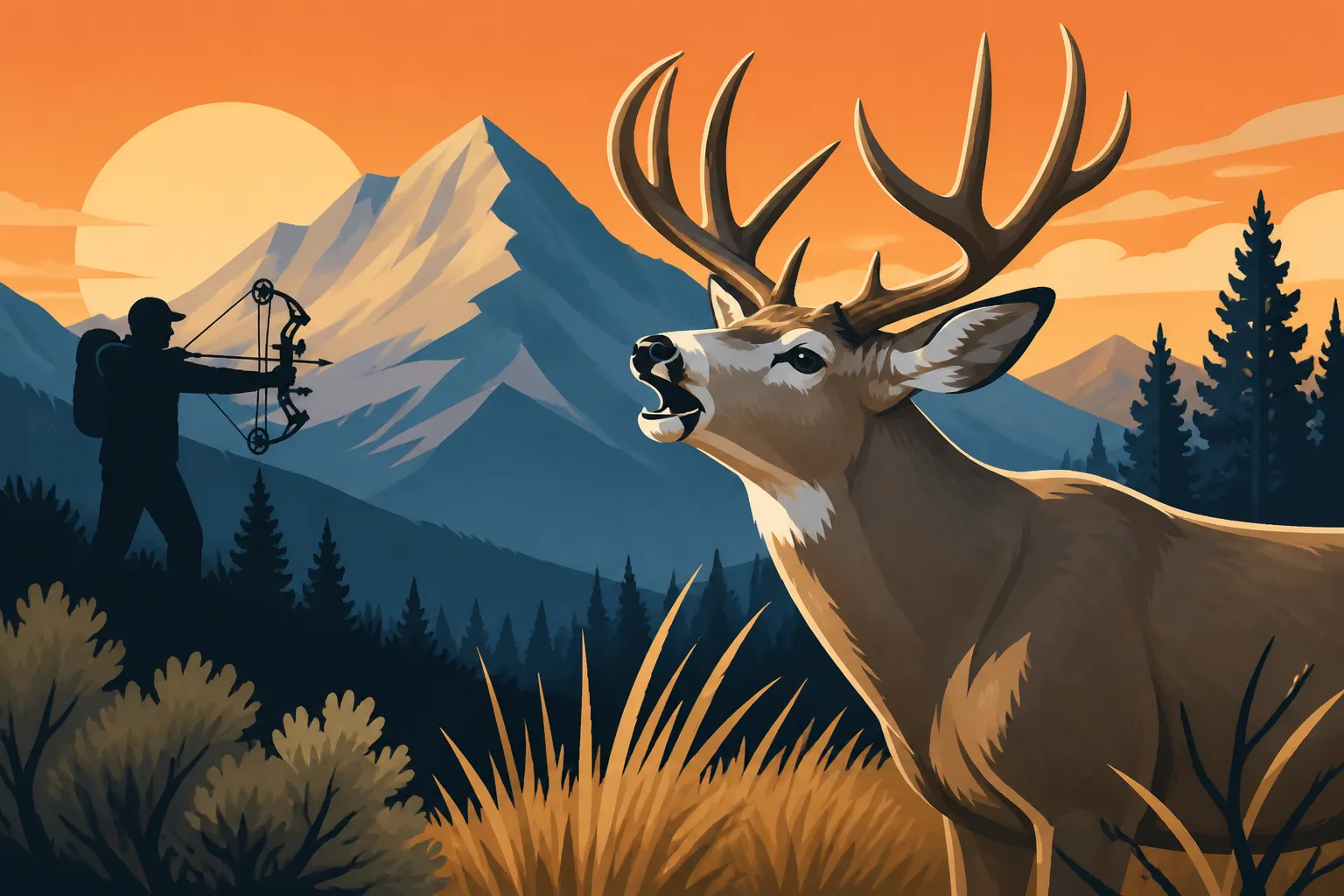
This is the phase everyone talks about, typically hitting from mid-November through the first week or two of December in most parts of Colorado. During the peak rut, bucks are absolutely consumed by the drive to breed. Their primary focus shifts entirely from food to does, and their guard drops significantly. You'll see bucks actively "tending" does, staying close to a receptive female, pushing other bucks away, and generally becoming much more visible and vocal. This is when you'll witness those spectacular chases, head-to-head fights, and the overall pandemonium that makes rut hunting so thrilling.
During the peak, bucks are often exhausted, running themselves ragged. They'll drop their caution to pursue a doe, often venturing into open areas or moving in daylight without their usual stealth. This is where patience and glassing large areas become your best friends. Keep an eye on groups of does; a mature buck is likely nearby, even if he's currently out of sight. Remember that this intense activity can be sporadic, with bursts of energy followed by periods of rest, so don't give up if things go quiet for an hour or two. Persistence during this window often pays off big.
Post-Rut: Recovery and Receding Activity
Once the majority of does have been bred, usually by mid-December, the frantic pace of the rut begins to wind down. Bucks are physically depleted, having burned through a significant portion of their body fat. Their antlers are still intact, but their energy reserves are at an all-time low. Their main priority shifts back to survival: finding abundant food sources to recover and prepare for the harsh winter ahead. You'll often see them seeking out south-facing slopes, lower elevations, or sheltered pockets where forage is more accessible and they can bask in the sun to conserve energy.
Hunting during the post-rut requires a different mindset. The intense chasing is over, and bucks become much more reclusive again, prioritizing rest and recovery. They're wary, but also tired, making them susceptible to careful still-hunting or methodical spot-and-stalk tactics around prime feeding and bedding areas. Don't expect them to come charging into calls, but understand that their need to replenish means they'll be moving towards food. Finding these recovering giants often means hitting those winter range transition areas.
Key Rut Behaviors and What They Mean for Hunters
Understanding the specific actions mule deer bucks exhibit during the rut can give you a significant edge. Each behavior is a clue, revealing their mindset, location, and potential vulnerabilities.
Scrapes and Rubs: The Calling Cards
Before and during the rut, bucks become very active in creating scrapes and rubs, which are essentially their personal advertisements and territorial markers. Scrapes are made by pawing away leaf litter and dirt, often under an overhanging branch, and then urinating on the exposed earth. These act as scent posts, communicating their presence and breeding readiness to does and other bucks. Rubs are created by bucks scraping their antlers against small trees or brush, leaving visible marks and depositing scent from their forehead glands.
These signs are incredibly important to read. Fresh rubs indicate recent buck activity and can lead you to travel corridors or bedding areas. A series of fresh rubs might show you the path a buck is taking between two points. Scrapes, especially active ones (often distinguishable by fresh, damp earth), are high-traffic areas during the rut. Setting up downwind of an active scrape line, or using How to Still-Hunt Colorado Timber to quietly move through an area riddled with them, can put you right in a buck's bedroom. Pay attention to the size of the rubs; larger rubs usually indicate a more mature buck.
Chasing and Tending Does: The Pursuit
During the peak rut, the most visible behavior is often the active pursuit and tending of does. Bucks will relentlessly chase does, sometimes for long distances, until the doe is ready to breed. Once a receptive doe is found, a buck will "tend" her, staying very close, often nose-to-tail, and aggressively fending off any other bucks that approach. This singular focus on does makes them incredibly vulnerable.
This behavior offers a prime opportunity for hunters. When you spot a group of does, scan them intensely. If they appear agitated, or you see a single buck constantly pushing one particular doe, you're likely observing a tending pair. Other bucks, sometimes referred to as "satellite bucks," will often hang around the periphery, hoping to cut in. Your best bet is to find a good vantage point and observe. These bucks are often so fixated that they'll present themselves, sometimes even ignoring human presence briefly if their rut drive is strong enough. Using a resource like GoHunt to analyze historical rut timing data for your specific Game Management Unit (GMU) can help you pinpoint the precise weeks when this intense chasing is most likely to occur.
Fighting and Sparring: Dominance Displays
While often less frequent than chasing, actual fights between bucks during the rut are memorable events. These are serious confrontations to establish dominance and breeding rights, often involving loud clashes of antlers. Younger bucks engage in more sparring, testing each other, while mature bucks fight with lethal intent. Even if you don't witness a full-blown fight, seeing bucks posture, push, and shove is common.
If you hear the crash of antlers, it's worth investigating cautiously. Bucks engaged in a fight, or immediately after a fight, are highly distracted and often exhausted. This can provide a window for a careful approach. Keep the wind in your favor, move slowly, and use terrain to your advantage. It’s a rare opportunity, but one that can lead to success. Learning How to Find Elk When They Go Quiet might be more applicable to elk, but the principle of locating game by sounds extends to deer as well.
Rut Hunting Strategies for Colorado Mule Deer
Hunting the Colorado mule deer rut requires a combination of patience, keen observation, and strategic adaptation. Simply walking around hoping to stumble upon a rutting buck is rarely effective.
Spot-and-Stalk in Open Country
Colorado's vast, open country, especially in areas like the eastern plains or high sagebrush basins, is perfectly suited for spot-and-stalk hunting during the rut. Bucks are more visible, and their movements are less covert. Get to a high point before first light, set up your optics, and systematically glass every square inch of terrain. Look for movement, distinct buck characteristics (swollen necks, larger bodies), or groups of does, especially if a buck is tending them. Good optics are paramount; don't skimp here. A clear, crisp spotting scope can make all the difference in identifying a distant buck and planning your approach.
Once you spot a desirable buck, the real work begins. Carefully plan your stalk, using terrain features (ridges, draws, clumps of trees) to hide your approach. Pay meticulous attention to the wind direction, as a mule deer's nose is their primary defense. Move slowly, deliberately, and be prepared for the buck to move with the does. This is where Colorado Mule Deer Hunting: Spot-and-Stalk Tactics truly shines, as you need to be proficient in reading the landscape and anticipating animal movement. Patience is your ally; sometimes, waiting for a buck to move into a more favorable position or distraction is better than rushing a stalk.
Timber Hunting and Still-Hunting
While spot-and-stalk dominates the narrative for mule deer, many Colorado bucks, especially in heavily timbered regions or during hunting pressure, will retreat to dense cover. In these scenarios, still-hunting or setting up ambushes in travel corridors becomes more effective. During the rut, bucks will still cruise through timber, scent-checking for does, creating rubs, and generally being more active than usual within the trees.
To effectively hunt timber, move incredibly slowly, pausing frequently to glass ahead and listen. Utilize the wind and thermals to your advantage. Focus on saddles, benches, and ridges that connect larger bedding areas to potential feeding zones or known doe hangouts. These are natural travel routes for rutting bucks. Positioning yourself quietly near areas with fresh sign, especially rubs along a ridge line, can yield close encounters. The key is to be as stealthy as possible, blending into the environment, and anticipating movement rather than just reacting to it. This technique is often discussed in detail in guides like How to Hunt Elk in the Dark Timber, and many principles apply to deer.
| Rut Phase | Typical Timing (Colorado) | Primary Buck Behavior | Optimal Hunting Strategy |
|---|---|---|---|
| Early Pre-Rut | Late Oct – Early Nov | Increased movement, sparring, feeding heavily, scent checking | Pattern food sources, ambushes, some spot-and-stalk |
| Peak Rut | Mid Nov – Early Dec | Chasing, tending does, fighting, high visibility | Spot-and-stalk, focus on does, glassing large areas |
| Post-Rut | Mid Dec – Late Dec | Recovering, feeding, reclusive, seeking shelter | Still-hunting, focus on winter range food/bedding, careful glassing |
Leveraging Technology and E-Scouting for Rut Success
In today's hunting world, using modern tools can significantly enhance your chances, especially when dealing with dynamic rutting behavior. E-scouting and mapping applications have revolutionized how hunters approach unfamiliar terrain.
Understanding Terrain and Access with Digital Maps
Before you even set foot in the field, applications like OnX Hunt, BaseMap, or the tools offered through GoHunt can provide an immense amount of information. You can identify potential bedding areas, feeding zones, water sources, and critical travel corridors between them. During the rut, bucks will be moving between these areas more frequently, sometimes ignoring their usual caution. Identifying pinch points, saddles, or benches that funnel deer movement can be a game-changer. These digital maps allow you to overlay public/private land boundaries, wilderness areas, and even historical burn scars or timber cuts that might be attracting deer.
Spending time e-scouting helps you formulate a solid game plan, allowing you to prioritize areas to investigate on foot. You can identify primary glassing knobs, escape routes, and potential approach vectors for a stalk. This is especially useful if you're hunting an Colorado DIY Elk Hunting Guide style hunt without the benefit of a professional guide. Knowing the lay of the land digitally gives you confidence and a strategic advantage, saving precious time and energy when you're on the ground.
Utilizing Historical Data and Rut Forecasts
Some platforms, like GoHunt, compile historical rut data and even provide forecasts, often broken down by specific regions or GMUs. While no forecast is 100% accurate, these tools can give you a better understanding of when the rut typically peaks in your chosen area, factoring in weather patterns, moon phases, and herd health. This kind of data can influence everything from when you decide to take time off work to which specific weeks you focus your hunting efforts.
Beyond just the rut, these platforms often provide draw odds, harvest statistics, and habitat information that can further refine your unit choice and strategy. Analyzing success rates for Colorado Mule Deer Draw Odds Explained or looking into specific units known for their rut activity can help you decide where to focus your efforts. This allows you to combine your understanding of mule deer behavior with hard data, increasing your odds of encountering a rutting buck.
Adapting to Weather and Environmental Factors
Mule deer behavior during the rut is highly susceptible to external influences. Paying attention to weather and environmental shifts can help you predict how and where bucks will move.
The Impact of Snow and Cold Fronts
A fresh blanket of snow can dramatically change the rutting landscape, often for the better, especially for hunters. Snow makes deer more visible against the white backdrop, and it can also push deer to lower elevations or into specific thermal pockets where forage is easier to access. A significant cold front often ignites rutting activity, as the sudden drop in temperature seems to energize bucks, pushing them to seek out does with renewed vigor. The colder weather can also consolidate deer onto specific winter range, making them easier to locate.
When snow hits, focus on tracking, especially for large, solitary buck tracks. These are often easier to follow in fresh powder. Also, look for deer congregating on sun-drenched, south-facing slopes, where they can warm up and feed. Be prepared for How to Hunt Elk in the Snow, and understand that similar principles apply to mule deer. Hunters need to adjust their gear accordingly, ensuring they have appropriate layers and insulation to stay warm and functional in the new conditions.
Moon Phases and Daily Fluctuations
While hotly debated, many hunters believe moon phases can influence the timing and intensity of daily rut activity. A full moon, for instance, might encourage more nocturnal rutting, leading to quieter daytime activity as bucks recover. Conversely, a new moon could mean more daylight movement. While scientific consensus varies, it’s worth observing how deer in your area react to different moon cycles.
Regardless of the moon, daily fluctuations are a given. Deer activity is often highest at dawn and dusk, but during the peak rut, bucks can be seen moving at any time of day. However, they'll still take breaks to bed down, often in thick cover, to conserve energy. Don't get discouraged if the middle of the day seems slow; a hot doe or a challenge from a rival buck can ignite activity at any moment. Remain vigilant throughout the day, constantly glassing and being ready to move. This continuous observation helps you understand Colorado Mule Deer Behavior in the Rut and how it changes hour by hour.
Disclaimer
Hunting is an inherently dangerous activity. This guide provides general information for educational purposes only. Always prioritize safety, adhere to all Colorado Parks and Wildlife regulations, and obtain proper licenses and tags before heading into the field. Ensure you are physically prepared, have appropriate gear, and understand responsible wildlife ethics.