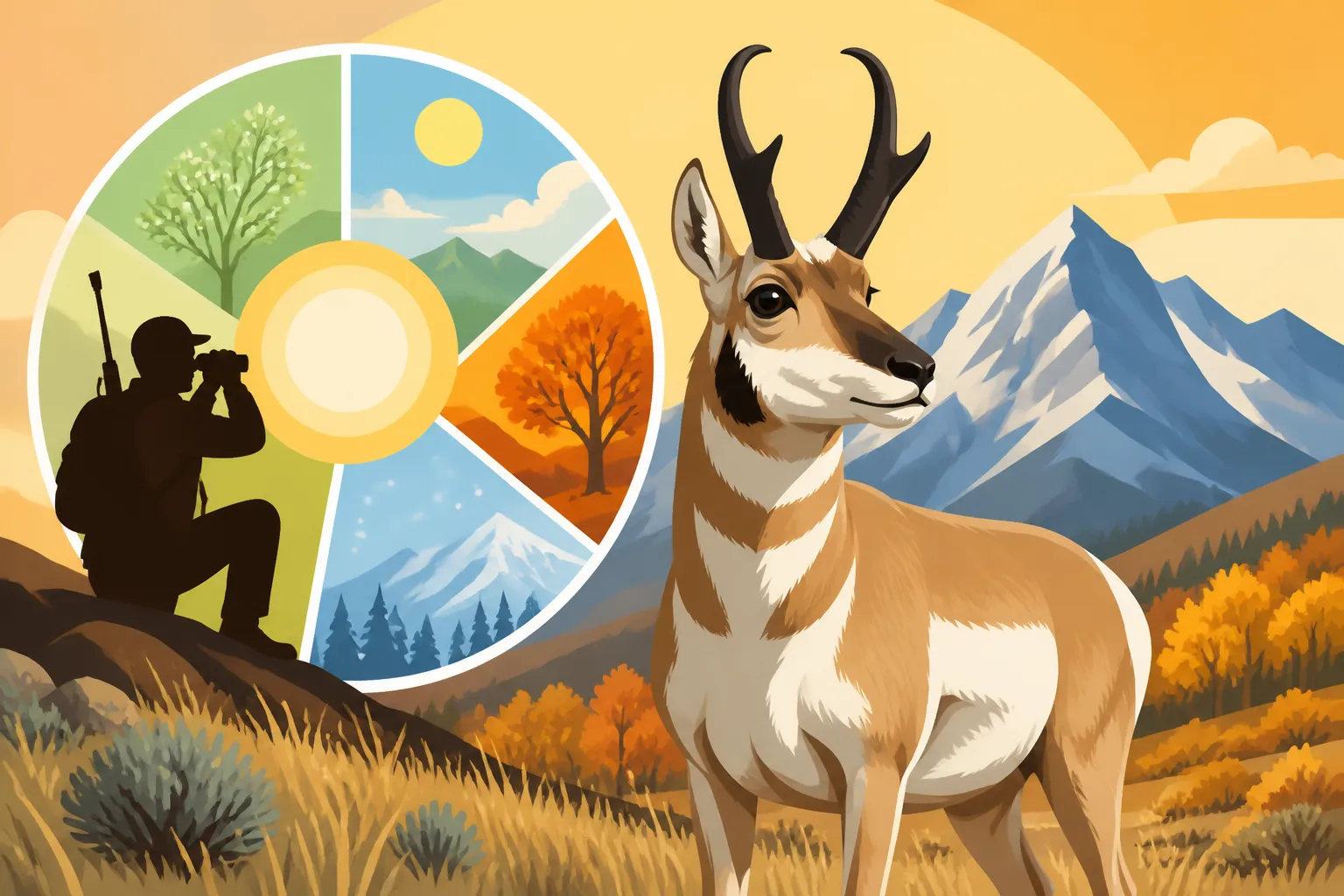
Best Time to Hunt Pronghorn in Colorado
Trying to pinpoint the absolute "best" time to hunt pronghorn in Colorado can feel like trying to catch one of these prairie speedsters in an open field – they’re fast, elusive, and the landscape is vast. It's not just about picking a date on a calendar; it’s about understanding their behavior, the specific hunting seasons, and how external factors like weather and hunter pressure come into play. This comprehensive guide will help you navigate the nuances, giving you the insights you need to choose your ideal window for chasing pronghorn across Colorado’s breathtaking plains.
Understanding the Annual Rhythm of Colorado Pronghorn
Pronghorn, often mistakenly called antelope, are truly unique to North America, and their annual cycle dictates much of their behavior, which in turn influences the best times to hunt them. Unlike elk or deer, their habitat is primarily wide-open grasslands and sagebrush flats, making their movements and habits more visible but also making them incredibly wary.
Pronghorn Biology and Habitat
Colorado’s pronghorn populations are robust, particularly on the eastern plains, the Piceance Basin, and parts of the Western Slope. These animals are built for speed and survival in open country. Their incredible eyesight, often compared to that of 8x binoculars, means they see you long before you ever spot them. They prefer areas with good visibility to spot predators, usually avoiding dense timber or broken terrain. Their diet consists mainly of forbs and shrubs, allowing them to thrive in arid environments where other big game might struggle. Understanding their biology is the first step in understanding when and where to find them. If you're new to chasing these speedy animals, our Colorado Pronghorn Hunting Guide offers a fantastic starting point.
Seasonal Behavioral Changes
Pronghorn behavior shifts dramatically throughout the year, driven by breeding, fawning, and food availability.
- Spring (Fawning Season): Late May to early June is when fawns are born. Does will typically isolate themselves and hide their fawns in tall grass or brush. At this time, bucks are generally still in bachelor groups, often found grazing peacefully, rebuilding their energy reserves after a long winter. They're not yet thinking about the rut, but their horns are growing rapidly.
- Summer (Pre-Rut): By July and August, fawns are more mobile, and bucks are starting to spar, establishing dominance hierarchies. Their dark horn sheaths are fully developed, and they're looking impressive. Water sources become critical during the hot summer months, often concentrating animals. This is a crucial time for e-scouting and figuring out their travel patterns. Many hunters utilize platforms like GoHunt to research units and study historical data during this phase.
- Fall (Rut and Post-Rut): This is the most dynamic period. The rut usually kicks off in mid-September and can run through early October. Bucks become extremely territorial, herding does and fighting off rivals. After the rut, animals settle back into larger groups, focusing on feeding to put on weight before winter. The post-rut can offer excellent opportunities as animals are often less wary and more focused on forage.
- Winter (Survival Mode): As snow and cold descend, pronghorn gather in large herds, seeking out lower elevations and areas with accessible forage. Survival becomes their primary focus, and their movements are dictated by weather and food. Late-season hunts, if available, can capitalize on these larger congregations, though animals will be very skittish due to prior hunting pressure.
Colorado Pronghorn Seasons: A Detailed Breakdown
Colorado offers several distinct hunting seasons for pronghorn, each with its own characteristics, opportunities, and challenges. Understanding the specifics of archery, muzzleloader, and rifle seasons is key to deciding your "best time." For comprehensive dates and tag information, refer to the official Colorado Pronghorn Season Dates and Tags publication.
Archery Season: The Early Challenge
Colorado's archery season for pronghorn typically runs from late August through late September. This period often coincides with the pre-rut and early rut, presenting unique opportunities and significant challenges.
- Opportunities: The biggest draw for archery season is that it often overlaps with the peak of the rut. This means bucks are actively chasing does, sometimes making them less cautious and more susceptible to decoying. Decoying a dominant buck during the rut can be one of the most exciting and adrenaline-pumping experiences in hunting. If you're keen on calling them in close, check out our insights on Colorado Pronghorn Decoying. Water sources are also a major magnet in late August and early September, offering ambush opportunities for bowhunters.
- Challenges: The heat can be brutal. Early season often means temperatures soaring into the 80s or even 90s on the plains, making hydration crucial and meat care a high priority. Pronghorn, with their incredible eyesight, are notoriously difficult to stalk in open country. Closing the distance to bow range (typically under 60 yards) requires extreme patience, stealth, and often a bit of luck. Hunter pressure can also be significant, especially in over-the-counter (OTC) units.
Muzzleloader Season: A Short Window
The muzzleloader season for pronghorn is usually a short, concentrated window in late September to early October, often hitting the tail end of the rut.
- Opportunities: This season typically lands smack in the middle of or just after the peak rut, offering a chance to catch bucks still displaying rutting behavior. The extended range of a muzzleloader compared to a bow (often 100-200 yards) makes stalking slightly less demanding. Weather might be cooling off slightly, making for more comfortable hunting conditions than early archery.
- Challenges: Muzzleloader seasons are notoriously short, often only 5-9 days, meaning you have to be efficient and capitalize on every opportunity. The limited shots and slower reloading times of muzzleloaders add an extra layer of difficulty, demanding precise shot placement. Hunter pressure can be intense during this brief, prime window.
Rifle Season: The Most Popular Choice
Colorado's rifle seasons for pronghorn typically span from early to late October, sometimes with late-season opportunities in November or December. These seasons usually occur after the rut has concluded.
- Opportunities: Rifle hunting offers the distinct advantage of extended range, making it the most popular and often most successful method for pronghorn. Hunters can effectively glass vast expanses of the Eastern Plains, locate animals, and plan longer stalks or shots from a greater distance. The weather is generally cooler and more comfortable, and the animals are often grouped up, making them easier to spot. Post-rut animals are focused on feeding, potentially making them predictable around prime forage areas. For tips on glassing and finding these animals, our guide on How to Glass Big Colorado Basins can be a real asset, even for plains hunting.
- Challenges: Even with a rifle, pronghorn are incredibly alert. Long-range shooting skills are paramount, as shots often exceed 200-300 yards. Strong winds, common on the plains, can make these shots even more challenging. Hunter pressure is usually highest during rifle seasons, especially on public lands. This can push animals into private land or make them extremely wary.
Here’s a quick overview of the typical season characteristics:
| Season Type | Typical Dates | Primary Advantage | Primary Challenge | Average Shot Distance |
|---|---|---|---|---|
| Archery | Late Aug – Late Sep | Rutting buck behavior | Extreme stealth, heat | 40-60 yards |
| Muzzleloader | Late Sep – Early Oct | Rut activity, increased range | Short season, limited shots | 100-200 yards |
| Rifle | Early Oct – Late Oct (some late Nov/Dec) | Extended range, cooler temps | Long shots, hunter pressure | 200-400+ yards |
Factors Influencing the "Best" Time to Hunt Pronghorn
Beyond the official season dates, several critical factors can dramatically influence your success and, therefore, your perceived "best" time to hunt Colorado pronghorn. Ignoring these can turn a promising hunt into a frustrating endeavor.
The Pronghorn Rut: A Game Changer
For many hunters, especially archers, the rut (mid-September to early October) is unequivocally the "best" time. During this period, dominant bucks are intensely focused on gathering and defending their harems of does.
- Behavioral Predictability: Bucks become more predictable, often staying with their does or patrolling the perimeter of their territory. Their aggression towards other bucks can be leveraged, as they may respond to decoys or even become so distracted by a rival that they overlook a lurking hunter. This focused, aggressive behavior can sometimes override their natural wariness, making them slightly more approachable.
- Decoying Opportunities: The rut is prime time for decoying. A life-size buck decoy can often draw an aggressive buck within bow or muzzleloader range, believing it's a challenger. This tactic requires patience, good wind judgment, and quick setup, but the payoff can be immense. For more detailed strategies, our article on How to Hunt Colorado Pronghorn with a Bow delves deeper into this exciting method.
Weather Conditions and Their Impact
Colorado's plains weather can be notoriously fickle, and it significantly impacts pronghorn movement and hunter comfort.
- Temperature: Early archery season can be scorching. High temperatures push pronghorn to water sources more frequently, creating ambush opportunities, but also make long stalks miserable and increase the urgency for quick field dressing and meat cooling. Cooler temperatures in late September and October often mean more active pronghorn throughout the day, and much more pleasant hunting conditions.
- Wind: Wind is a constant companion on the plains. While it can make accurate shooting a nightmare, especially for long-range rifle shots, it can also be a hunter's friend. Strong winds reduce a pronghorn's ability to hear, and can help mask your approach. Always factor wind direction into your stalking plans, aiming to keep it in your face or quartering.
- Precipitation: Rain and snow can reduce visibility and make travel difficult, but they can also make animals more active as they feed before or after a storm. Fresh snow can reveal tracks, helping you pattern movement, but pronghorn often retreat to lower, more sheltered areas during severe weather.
Hunter Pressure and Public Land Access
Colorado's reputation as a hunting destination means many units, especially those with OTC opportunities, experience significant hunter pressure. This pressure dramatically affects pronghorn behavior.
- Early Season Pressure: In OTC archery units, pressure can be high. Animals quickly learn to avoid roads and popular access points. They become more nocturnal or move onto private land. Using resources like GoHunt can help you analyze draw odds for limited-entry units, which typically see less pressure.
- Mid-Season Pressure: As rifle seasons open, the plains can feel crowded. Pronghorn that have been pressured will become incredibly skittish and may travel vast distances to avoid human activity. Finding undisturbed pockets requires diligent e-scouting and a willingness to hike far from roads. Understanding How to Hunt Elk on Public Land Pressure might focus on elk, but many of the principles apply directly to pronghorn in high-pressure areas.
- Late Season Pressure: If a late rifle season is available, animals have usually experienced months of pressure. They will be grouped in larger herds, but also extremely wary. Success in these later seasons often hinges on finding areas with limited access or targeting private land.
Optimizing Your Hunt: Tactics for Different Seasons
Choosing the "best" time to hunt pronghorn in Colorado isn't just about picking a date; it's about aligning your chosen method and tactics with the animals' behavior during that specific window.
Early Archery Season Strategies
If you're opting for the bow in late August or early September, your strategy needs to revolve around water sources or the nascent rut.
- Waterhole Ambush: In arid parts of the plains, water is gold. Setting up a ground blind near a known waterhole or stock tank, especially during hot weather, can be highly effective. Pronghorn often visit water in the heat of the day. Patience is key, as is a well-camouflaged blind. Remember, their eyesight is phenomenal, so minimize movement.
- Spot and Stalk with Decoy: As the pre-rut begins, bucks might start responding to decoys. This involves long-range glassing to locate a buck, planning an approach (often crawling hundreds of yards) to within decoying range, and then deploying the decoy. It's physically demanding and requires precise wind judgment. Check out specific tips on How to Hunt Colorado Pronghorn with a Bow for more on this.
Muzzleloader Tactics During the Rut
Muzzleloader season often falls right in the thick of the rut, making decoy tactics especially effective, but with a bit more reach than an archery setup.
- Decoy Aggressive Bucks: Similar to archery, using a decoy to draw in a dominant buck is a prime tactic. The muzzleloader's slightly longer effective range can forgive minor errors in stalking distance compared to a bow. Have your muzzleloader ready when the buck commits, as they often come in fast and stop abruptly once they realize the decoy isn't a real rival.
- Post-Rut Stalking: If your season is on the tail end of the rut, bucks might be exhausted and less wary, but also less responsive to decoys. Focus shifts back to traditional spot-and-stalk, using terrain features for cover.
Rifle Season Techniques
Rifle season opens up more of the vast plains and offers a different set of tactical considerations, often after the rut.
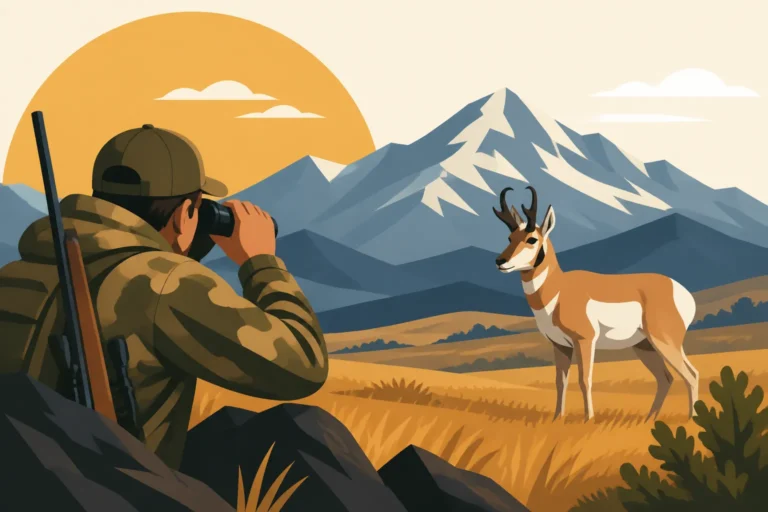
- Extensive Glassing: This is the cornerstone of rifle hunting pronghorn. You'll spend hours behind high-quality binoculars and spotting scopes, systematically gridding the landscape from elevated vantage points. Look for the distinct white patches and dark bodies of pronghorn, often visible from miles away. Once spotted, assess the buck, the terrain, and plan your approach. Investing in quality optics is crucial for Best Optics for Colorado Big Game.
- Strategic Stalking: Even with a rifle, you'll need to stalk to get within ethical shooting range and position yourself for a stable shot. Use every dip, swell, and piece of sagebrush for cover. Always approach with the wind in your favor.
- Focus on Post-Rut Feeding Patterns: After the rut, pronghorn often form larger herds and concentrate on feeding. Locate prime feeding areas, like agricultural fields or particularly lush native grass, and observe their daily patterns. You might be able to intercept them as they travel between feeding and bedding areas. Our detailed guide on How to Hunt Pronghorn in Colorado covers these techniques in more depth.
Ultimately, the "best" time to hunt pronghorn in Colorado is a personal choice, influenced by your preferred hunting method, your tolerance for heat or pressure, and your desired experience. The peak rut in mid-September is undeniably exciting for archery and muzzleloader hunters due to buck behavior. For rifle hunters, early to mid-October often provides a good balance of cooler weather, post-rut animal patterns, and a solid opportunity for success. Regardless of when you go, thorough preparation, understanding pronghorn behavior, and adapting to the conditions are your greatest assets. Good luck out there!
Disclaimer
Hunting in Colorado involves inherent risks. Always prioritize safety, adhere to all Colorado Parks and Wildlife (CPW) regulations, and ensure you have the appropriate licenses and tags. The information provided here is for general guidance only and should not replace official CPW resources or professional advice. Seasons, regulations, and unit specifics can change, so always verify the latest information before planning your hunt.