Colorado Ptarmigan Hunting
Many hunters feel the immense pull of the high country, drawn by the challenge and beauty, but sometimes the sheer scale of the landscape and the elusive nature of its inhabitants can feel truly overwhelming. If you've ever dreamt of pursuing a truly unique game bird, one that blends seamlessly with the stark, rocky terrain of Colorado's highest peaks, then ptarmigan hunting might be calling your name. It's a different kind of hunt, often feeling like a high-altitude treasure hunt for a ghost in the clouds, and knowing where to start, what to pack, and how to approach these masters of camouflage can be a real head-scratcher. This guide is here to unravel those mysteries, equipping you with the knowledge to confidently venture above timberline and seek out Colorado's fascinating ptarmigan.
Understanding Colorado Ptarmigan Species and Habitat
Before you even think about lacing up your boots, it's crucial to understand the stars of the show: the ptarmigan themselves. Colorado is home to one primary species, with two others making extremely rare appearances. Knowing what you're looking for, and where they make their homes, is the first step in successful ptarmigan hunting.
The Three Ptarmigan Species of Colorado
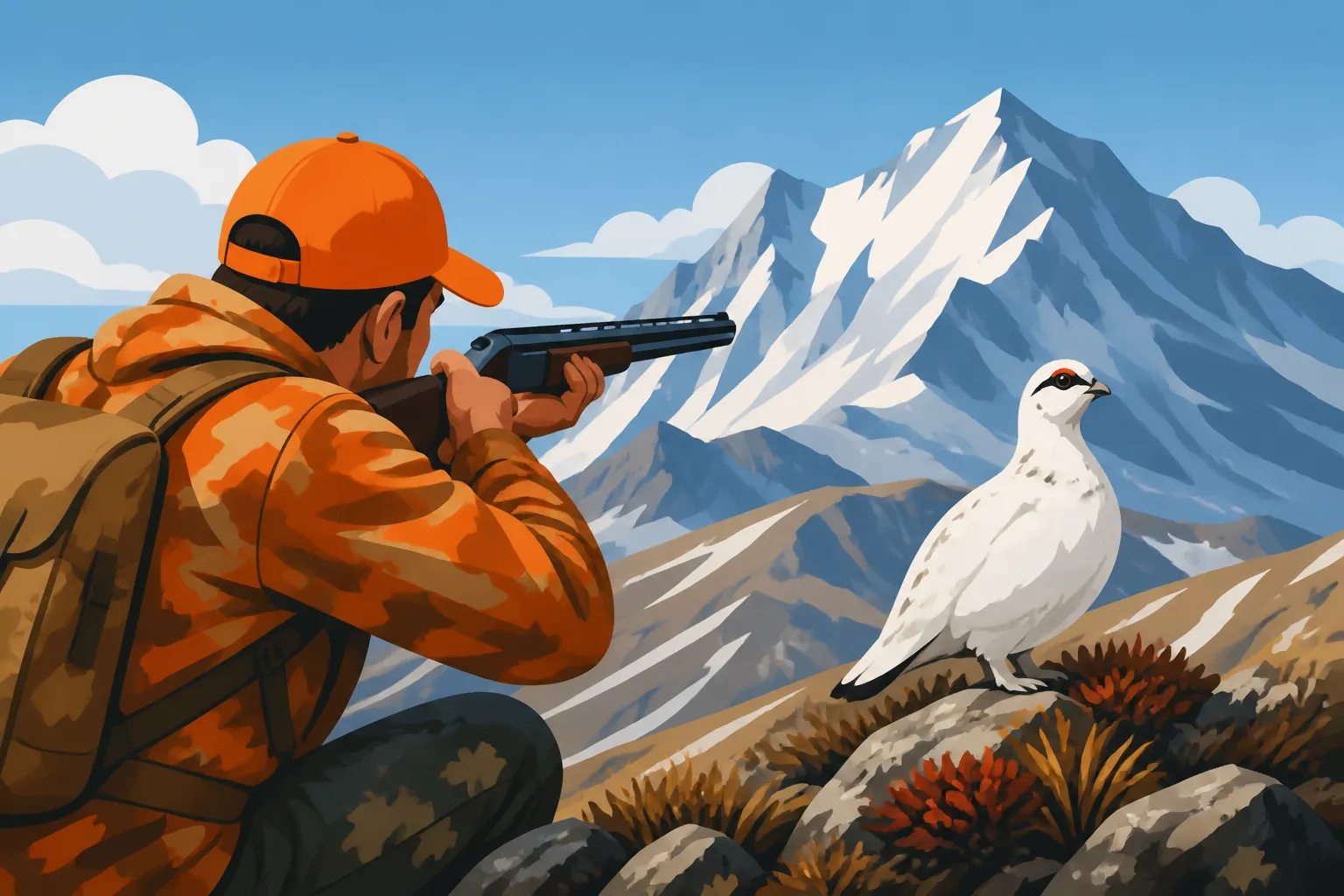
While Colorado technically hosts three species of ptarmigan, the vast majority of hunters will encounter, and specifically target, the White-tailed Ptarmigan. This bird is unique because it's the only one of the three species found in the state that retains white tail feathers year-round, making identification simpler even when their body plumage changes. White-tailed Ptarmigan are the smallest of the North American grouse, weighing in at around 12-16 ounces, and their entire evolutionary existence is tied to the harsh alpine environment.
The other two species, the Rock Ptarmigan and the Willow Ptarmigan, are extremely rare visitors to Colorado, primarily found in more northerly latitudes like Alaska and Canada. Any sightings or harvests of these two species in Colorado would be exceptional and often require specific confirmation. For all practical purposes of hunting, you'll be focusing your efforts on the White-tailed Ptarmigan. What makes them truly remarkable is their incredible camouflage. Their plumage undergoes seasonal changes, shifting from a mottled brown and gray in the summer to almost pure white in winter, allowing them to blend perfectly with the rocks and snow. This ability to disappear into their surroundings is a key characteristic you'll need to overcome as a hunter.
High-Altitude Habitats and Ecosystems
Ptarmigan are true alpine specialists. They live exclusively above timberline, typically at elevations ranging from 11,000 feet up to the highest peaks of the Colorado Rockies. This means their habitat is characterized by rocky tundra, sprawling scree fields, and hardy, low-growing vegetation. Forget thick forests or open plains; we're talking about a landscape dominated by rocks, sparse grasses, sedges, lichens, and resilient alpine willows. This environment is exposed, often windy, and can experience rapid and dramatic weather shifts.
During the warmer months, you'll find them foraging among the willows and various alpine plants, often near lingering snowfields or areas with abundant insect life. As winter approaches, their movements become more restricted, typically sticking to sheltered rock fields where they can find protection from the brutal winds and access to sparse food sources. These birds don't undertake long horizontal migrations like some other game birds; instead, they make relatively short vertical migrations, moving to slightly lower, but still above timberline, elevations to escape the very worst of the winter storms. Understanding these subtle shifts, and the specific plant communities they rely on, is critical for narrowing down your search in what can otherwise seem like an endless sea of rock.
When and Where to Hunt Ptarmigan in Colorado
Timing and location are everything when it comes to ptarmigan. Unlike big game, where the rut often dictates prime hunting windows, ptarmigan hunting is largely about their accessibility and camouflage patterns throughout the season.
Colorado Ptarmigan Season Dates and Regulations
Colorado Parks and Wildlife (CPW) offers a generous season for ptarmigan, typically running from early August through the end of October or even into early November, depending on the specific year's regulations. This long season provides ample opportunity, but savvy hunters know that different times of the season present unique challenges and advantages. For instance, early season hunts in August mean the birds are still in their mottled summer plumage, which can be harder to spot against the colorful tundra. By late September and October, their transition to white feathers begins, and depending on snow cover, they can be either easier or much harder to see.
The daily bag limit for ptarmigan is usually 3 birds, with a possession limit of 9. It’s important to always check the current year’s Colorado Parks and Wildlife small game regulations, as these dates and limits can change. Remember, you’ll need a valid Colorado small game hunting license, and if you’re a non-resident, the Colorado Hunting License Costs can be found on the CPW website. Hunter education requirements also apply, so if you're a new hunter, make sure you meet the Colorado Hunter Education Requirement before heading out. While many hunting areas are vast public lands like National Forests or BLM, be mindful of specific restrictions within wilderness areas or adjacent to national parks where hunting may be prohibited or limited.
Locating Productive Ptarmigan Hunting Areas
The sheer amount of high-altitude terrain in Colorado can be daunting, and simply driving to the nearest mountain range isn't a strategy for success. You need to focus your efforts on areas that consistently hold ptarmigan. These are typically public lands above 11,000 feet, far from major roads, and often within designated wilderness areas or vast tracts of National Forest. The Colorado National Forest Hunting Guide can provide excellent context for these public lands.
Tools like GoHunt are invaluable for narrowing down your search. Using their mapping overlays, you can easily identify public land boundaries, elevation contours, and even look for drainages or basins that contain the specific high-alpine vegetation ptarmigan prefer. I've spent countless hours with GoHunt open, virtually "scouting" potential areas, looking for those expansive rock fields interspersed with small pockets of willows or tundra grasses. Look for north-facing slopes which might retain snow longer, or high basins with a mix of rocks and wet areas from snowmelt. Accessing these areas often requires significant hiking, so consider units with long, roadless approaches. This is where a good understanding of How to E-Scout Before a Colorado Hunt really pays off, allowing you to identify these remote, less-pressured zones before you even leave your living room. The Western Slope, particularly regions like the San Juan Mountains and portions of the Flat Tops, are well-known ptarmigan strongholds, but quality hunting can be found across many of Colorado's major mountain ranges.
| Ptarmigan Species | Primary Habitat | Key Identification Feature | Status in Colorado |
|---|---|---|---|
| White-tailed Ptarmigan | Alpine tundra, >11,000 ft | White tail feathers year-round | Common and Hunted |
| Rock Ptarmigan | Arctic tundra, rocky slopes | Black stripe through the eye | Extremely Rare/Accidental |
| Willow Ptarmigan | Willow thickets, subalpine | Red combs above eyes (males), larger size | Extremely Rare/Accidental |
Essential Gear for Your Ptarmigan Hunt
Hunting ptarmigan means hunting in some of Colorado's most challenging environments. The right gear isn't just about comfort; it's about safety and success. You'll be far from civilization, so every item in your pack needs to pull its weight.
Layering for Variable Alpine Weather
The alpine environment is notoriously unpredictable. You can start your day in crisp, clear sunshine and find yourself battling a full-blown blizzard by lunchtime. This is why a robust layering system is non-negotiable. Forget cotton; it holds moisture and loses its insulating properties when wet. Instead, invest in high-quality wool or synthetic base layers that wick moisture away from your skin.
Your mid-layers should provide insulation, such as a fleece jacket or a lightweight puffy. For your outer layer, a waterproof and windproof shell is absolutely critical. This shell will protect you from sudden rain, snow, or the relentless alpine wind that can quickly lead to hypothermia. Always pack a warm hat, gloves, and a neck gaiter, even on what seems like a warm day. The sun at high altitude is also intense, so sunglasses, sunscreen, and a wide-brimmed hat are just as important as your rain gear. Planning for every weather scenario means you're prepared for anything the mountains throw at you, ensuring you can stay out longer and focus on the hunt, not on being miserably cold or wet.
Footwear, Navigation, and Optics
Your feet are your most important tool when ptarmigan hunting, so don't skimp on footwear. You need sturdy, waterproof hiking boots with excellent ankle support and a stiff sole to navigate rocky, uneven terrain. Many hunters find that the same durable boots they'd use for elk hunting are perfect for ptarmigan, such as the kind recommended in the Best Boots for Colorado Elk Hunting guide. Ensure they are well broken-in to prevent blisters, and pair them with high-quality wool socks.
Navigation is paramount. While a physical map and compass are excellent backups, a reliable GPS device or a smartphone app like GoHunt or onX Hunt is essential. These apps allow you to mark your vehicle, track your route, pinpoint potential ptarmigan habitat, and stay within public land boundaries. Beyond navigation, optics are your secret weapon. A good pair of 8x or 10x binoculars will save you countless steps and greatly increase your chances of spotting camouflaged birds before they flush. Spend time glassing distant rock fields, willow patches, and snow lines. Your backpack should be large enough to comfortably carry your layers, plenty of water (at least 2-3 liters), high-energy snacks, a comprehensive first-aid kit, a headlamp, fire-starting materials, and an emergency shelter. For a similar discussion on backcountry packing, check out the Colorado Backcountry Hunting Gear List. As for your firearm, a lightweight shotgun is ideal. A 20-gauge or even a .410 loaded with smaller shot sizes (like 6 or 7.5) is usually plenty for these relatively small birds.
Canine Companions on the Tundra
Bringing a well-trained bird dog on a ptarmigan hunt can dramatically increase your success and enjoyment. Their keen noses can find birds that are virtually invisible to the human eye, and their pointing ability allows you to approach slowly and flush the birds on your terms. Breeds like English Setters, German Shorthaired Pointers, or Brittany Spaniels excel in this role. However, it's not without its challenges.
The high altitude is tough on dogs, just as it is on humans. Ensure your dog is in excellent physical condition and acclimatized to the elevation. This means building up their endurance and allowing them to adjust to the thinner air over several days, similar to how a human might prepare for a high-altitude hunt as discussed in Altitude Training for Colorado Hunting and How to Physically Prepare for Colorado Elk. Dog boots are a must to protect their paws from the sharp rocks and scree, and a protective vest can help prevent injuries from falls or sharp debris. Always carry extra water for your dog, and be mindful of their body language for signs of fatigue or overheating. If your dog isn't used to alpine hunting, start with shorter trips to build their stamina and confidence in this unique environment.
Ptarmigan Hunting Tactics and Strategies
Ptarmigan hunting is less about speed and more about patience, observation, and an intimate understanding of the alpine landscape. It’s a hunt that rewards careful strategy over brute force.
Spot-and-Stalk in the Alpine
The most effective method for hunting ptarmigan in Colorado is a patient spot-and-stalk approach. These birds hold incredibly tight, relying on their camouflage to avoid detection. You're rarely going to just stumble upon them without actively searching. Begin your hunt by finding a high vantage point that allows you to glass large expanses of suitable habitat. Use your binoculars to systematically scan rock fields, the edges of snow patches, and any willow thickets. Look for movement, a slight disruption in the pattern of the rocks, or the tell-tale white of a bird beginning to transition its plumage.
Once you spot a bird or a small covey, the stalk begins. Use the terrain to your advantage, moving slowly and deliberately, taking cover behind boulders or rises. The key is not to rush; ptarmigan will often let you get surprisingly close before they flush. If they do flush, they typically fly a short distance and re-land, often allowing for a second opportunity if you marked where they went down. This technique requires a keen eye and an understanding of how their seasonal plumage changes affect their visibility. A bird in full winter white against a patchy snowfield can be incredibly difficult to see, blending in almost perfectly.
Working Drainages and Rock Fields
Ptarmigan aren't randomly scattered across the tundra; they concentrate in specific micro-habitats within the broader alpine zone. Focus your efforts on working drainages, especially those with small streams or lingering snowmelt, as these areas often support more vegetation and insect life, attracting the birds. The edges of large rock fields and talus slopes are also prime spots. These areas offer both food and crucial cover from predators and the elements.
When moving through these areas, adopt a slow, grid-like pattern. Don't just walk in a straight line; instead, crisscross potential feeding and loafing areas. Ptarmigan will often seek shelter under large rocks or in the depressions between boulders, particularly during midday or when the weather turns foul. Pay close attention to any changes in the ground cover—even a small patch of denser willows can hold a covey. Remember, these birds are experts at disappearing. A group of birds that just flushed might resettle mere yards away, completely out of sight in the rocky jumble. Patience and thoroughness are your allies here.
Understanding Ptarmigan Behavior and Calls
While ptarmigan aren't typically called in like elk or turkeys, understanding their behavior and vocalizations can be beneficial. Ptarmigan are often found in coveys, especially outside of breeding season. A covey might consist of a few birds or a dozen or more. When one bird flushes, the others often follow suit, though sometimes one or two will hold even tighter. Their flight is strong and direct, but usually not for long distances in the rugged terrain.
Their primary vocalization is a series of harsh, cackling calls, especially when flushed or alarmed. Listening for these calls can alert you to their presence even if you haven't seen them. During early morning or late evening, or in the breeding season, males might make soft hooting or clucking sounds. Observing their feeding patterns is also key: they primarily browse on buds, catkins, leaves, and berries of alpine plants, particularly willow, sedge, and dwarf birch. When you find these food sources, you're likely to find ptarmigan. These birds also dust bathe in dry, sandy spots, so watch for tell-tale depressions in softer soil.
Respecting the Resource and Ethical Hunting
Ptarmigan hunting, like all hunting, comes with a responsibility to the resource, the land, and yourself. Being prepared for the unique challenges of the alpine environment is as much a part of the hunt as finding the birds themselves.
Altitude Awareness and Safety
Hunting above timberline means contending with significant altitude, which can affect even the fittest individuals. Always be aware of the signs of altitude sickness: headache, nausea, dizziness, and extreme fatigue. Stay hydrated by drinking plenty of water, even if you don't feel thirsty. Consider taking a few days to How to Acclimate to Colorado Elevation before your hunt, gradually gaining altitude.
Weather in the mountains can change in an instant. A sunny morning can turn into a lightning storm, hail, or snow squalls within minutes. Always check the forecast, but be prepared for the unexpected. Have a plan for seeking shelter, and be willing to turn back if conditions become too dangerous. Know your route, carry a fully charged phone for emergencies, and let someone know your itinerary. Hunting alone, while possible, adds a layer of risk. Consider bringing a partner, even if they're not hunting, for added safety. The beauty of the high country is undeniable, but it demands respect and careful planning.
Field Care, Quartering, and Packing Out
Once you’ve successfully harvested a ptarmigan, proper field care is essential to ensure the meat is of the highest quality. Because ptarmigan are relatively small, many hunters simply breast them out in the field. This involves plucking the breast feathers and removing the breast meat, leaving the rest behind for scavengers. If you prefer to take the whole bird, you'll want to gut it immediately to allow the body cavity to cool.
Cooling is critical, especially if hunting in warmer early-season conditions. Place the birds in a game bag that allows for airflow, and keep them out of direct sunlight. If you're backpacking deep into the mountains, consider carrying a small cooler or insulated bag if temperatures are warm. Packing out these small birds is usually simple; they don't add significant weight to your pack. Just ensure they are protected from being crushed and have adequate airflow. Once home, clean the birds thoroughly, removing any shot, and prepare them for cooking. Ptarmigan meat is lean and flavorful, similar to other grouse, making for a delicious meal that's a true reward for your high-country efforts. For more general guidelines on processing game, you can look at articles like How to Quarter an Elk in the Field to understand the principles of field dressing, even though the scale is much smaller for ptarmigan.
Disclaimer
Please remember that hunting regulations, season dates, and license requirements can change annually. Always consult the official Colorado Parks and Wildlife (CPW) website or the current year's hunting brochures for the most accurate and up-to-date information before planning your hunt. Safety is paramount; be prepared for all weather conditions, understand the risks of high-altitude environments, and practice ethical hunting behaviors.