Colorado Dusky Grouse Hunting
If you've ever spent countless days chasing elk across Colorado's rugged mountains, only to come home empty-handed, you know the feeling of wanting a simpler, yet still rewarding, high-country hunting experience. Or maybe you're just looking for a fantastic way to extend your time in the beautiful fall wilderness after big game seasons, or a great family-friendly hunt. Whatever your motivation, Colorado dusky grouse hunting offers an accessible and incredibly fun challenge for hunters of all skill levels, providing delicious table fare and ample opportunities to explore stunning landscapes. This comprehensive guide will walk you through everything you need to know to successfully pursue these often-underestimated upland birds.
Understanding the Elusive Dusky Grouse
The dusky grouse, often affectionately called a "pine chicken" or, more controversially, a "fool hen," is a truly unique bird that calls the high elevations of Colorado home. They're a staple for many upland hunters, especially those who appreciate the solitude and beauty of the mountains. Getting to know their characteristics and habits is the first step toward a successful hunt.
Identifying Dusky Grouse vs. Other Upland Birds
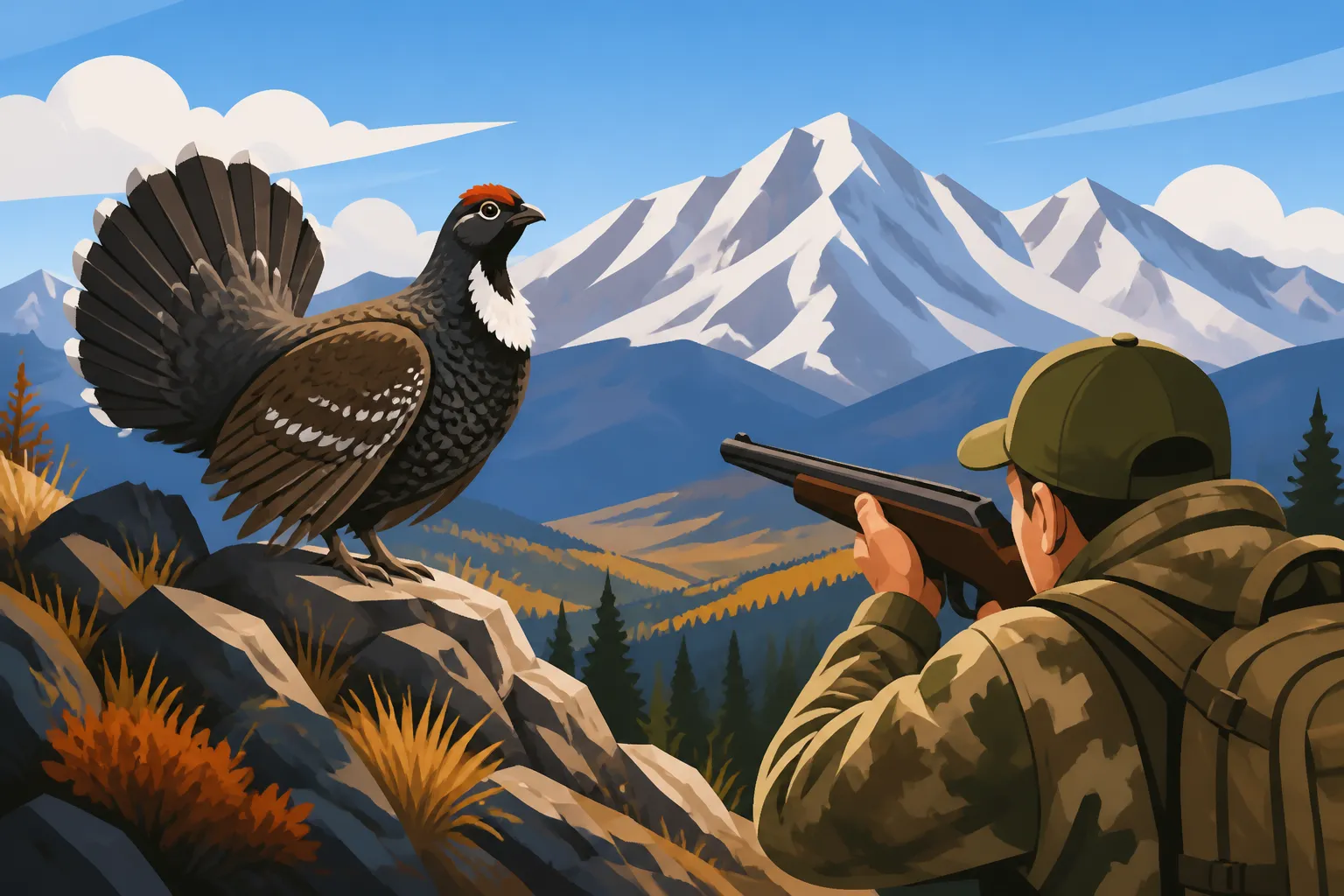
Dusky grouse (Dendragapus obscurus), formerly known as blue grouse, can be a bit tricky to identify initially, especially since Colorado is home to several grouse species. These birds are medium-sized, typically weighing between two and three pounds, with mottled gray-brown plumage that provides excellent camouflage against tree bark and forest floors. Males are generally larger and darker than females, and during the breeding season, they display yellowish-orange combs above their eyes and emit deep, hooting calls.
It's crucial to distinguish dusky grouse from other species like ruffed grouse, which are smaller and often found in aspen groves and riparian areas with more dense undergrowth, and have a distinct black band on their tail. Spruce grouse, another resident, are usually darker, found in denser spruce and fir forests, and males have a noticeable red comb. White-tailed ptarmigan, while also an alpine bird, are much smaller and turn entirely white in winter. Knowing the visual cues and typical habitats is key to ensuring you're targeting the right bird, and avoiding any unintentional ethical or legal missteps.
Their Habitat and Range in Colorado
Dusky grouse are quintessential mountain birds, perfectly adapted to the high-elevation conifer forests of Colorado. You'll primarily find them between 7,000 and 11,000 feet, though they can sometimes venture lower or higher depending on the season and specific conditions. Their preferred habitats are mature spruce, fir, and pine forests, particularly those with a dense canopy, north-facing slopes, and pockets of aspens mixed in. They love areas where the timber transitions to open parks, old logging roads, or clear-cuts that offer both cover and feeding opportunities.
In the early season, especially during September when the hunt typically opens, dusky grouse might be found higher up in the subalpine zones, feasting on berries and succulent greens before snow pushes them lower. As the season progresses and temperatures drop, they descend into denser timber, often seeking out protected areas on north-facing slopes where they can find evergreen needles, their primary winter food source. Think about the sprawling evergreen forests of the White River National Forest or sections of the San Juan National Forest – these are classic dusky grouse havens.
Dusky Grouse Behavior and Biology
These birds are fascinating creatures, often earning their "fool hen" moniker due to their tendency to hold tight, sometimes allowing hunters to approach within a few yards before flushing. This isn't always the case, especially in areas with more hunting pressure, but it's a common characteristic. Their diet is largely seasonal; in spring and summer, they munch on insects, berries, and green vegetation. As fall deepens and winter approaches, their diet shifts almost entirely to conifer needles, particularly those of Douglas fir, true firs, and spruce. This unique diet gives their meat a slightly "piney" flavor, which some hunters adore and others learn to appreciate with proper preparation.
Dusky grouse typically feed in the mornings and evenings, often dusting themselves in dry soil or taking grit from dirt roads and trails. During the mid-day, they tend to roost in trees, sometimes high up, making them even harder to spot. Males will also "hoot" during the breeding season, a low-pitched, resonant sound that can sometimes be heard echoing through the timber. Understanding these daily and seasonal patterns is paramount to locating them consistently. When you learn how to hunt elk at high elevation, you'll find yourself in the same beautiful country that these grouse call home, often encountering them unexpectedly while on a bigger game quest.
Seasons, Regulations, and Licensing for Colorado Dusky Grouse
Before you head into the mountains, it's absolutely critical to understand the rules of the game. Colorado Parks and Wildlife (CPW) sets specific regulations to ensure healthy populations and fair chase. Don't let enthusiasm override your due diligence; a quick check of the current regulations can save you a lot of headache and potential fines.
Key Season Dates and Bag Limits
Dusky grouse season in Colorado generally opens on September 1st each year and typically runs through November 30th, though it's always wise to double-check the latest CPW small game regulations brochure, as dates can shift slightly. This long season provides ample opportunity, often overlapping with the earlier archery and muzzleloader elk seasons, making it a perfect companion hunt for big game enthusiasts. Imagine a morning elk hunt followed by an afternoon pursuing grouse!
The daily bag limit for dusky grouse is usually three birds, with a possession limit of nine. This means you can harvest three birds per day, and once you have nine birds at home, you need to stop hunting until you've consumed some. These limits are designed to allow for sustainable harvest while ensuring the populations remain robust. Always ensure you are within legal limits, especially when hunting with others who may also be harvesting birds. If you're planning a full trip, understanding the full scope of Colorado hunting seasons explained will be beneficial.
Licensing Requirements and Fees
To hunt dusky grouse in Colorado, you'll need a valid Colorado Small Game License. This is separate from big game licenses and generally more affordable. Additionally, all hunters 18 years of age or older must purchase a Colorado Habitat Stamp annually. This stamp helps fund crucial habitat conservation efforts across the state, benefiting not just grouse but all wildlife. It's usually good for a full year, running from April 1st to March 31st.
Non-residents will find the small game license and habitat stamp costs a bit higher than residents, but still very reasonable for the access and opportunities provided. Hunters born on or after January 1, 1949, must also have successfully completed an approved hunter education course. You can find all the details on how to apply for a Colorado hunting license on the CPW website, including qualifying license requirements and information on obtaining your habitat stamp. Make sure to carry your license and stamp with you at all times while hunting.
Ethical Hunting Practices and Safety
Hunting dusky grouse, like all hunting, comes with significant ethical responsibilities and safety considerations. The "fool hen" reputation can sometimes lead to unethical practices if hunters aren't careful. It's easy to walk up close to a bird sitting in a tree, but a truly ethical hunter practices fair chase. If a bird is seemingly unaware of your presence and offering an overly easy shot, consider whether that's the experience you're truly seeking. Many hunters prefer to kick the tree or make noise to encourage the bird to flush, providing a more challenging and rewarding shot.
Safety should always be your top priority. When hunting in groups, wearing blaze orange is highly recommended, especially during overlapping rifle seasons. Be absolutely certain of your target and what's beyond it before taking any shot. Mountain terrain can be steep and uneven, so always be mindful of your footing. Carry a first-aid kit, know how to use your GPS or map and compass, and inform someone of your hunting plans and expected return time. This is especially important if you're venturing deep into a Colorado backcountry hunting guide area where cell service might be nonexistent.
Finding and Scouting Dusky Grouse Hotspots
Finding grouse isn't always about walking aimlessly through the woods. Like any successful hunt, a bit of planning and understanding their preferred haunts will dramatically increase your odds. Knowing where to look and what signs to seek out will make your time in the mountains more productive and enjoyable.
Prime High-Country Environments
Dusky grouse are creatures of the timber, particularly the higher elevation conifer forests. When you're looking at a map, or even just driving through the mountains, think about areas with mature spruce, fir, and pine stands. They often prefer north-facing slopes and drainages where the timber is dense and provides ample cover from predators and harsh weather. These areas tend to hold moisture longer, which can mean more insects and green forage in the early season.
Look for areas where the timber transitions into small clearings, old logging roads, or edges of meadows. These "edge habitats" provide feeding opportunities while keeping the safety of dense cover nearby. Pay special attention to areas with good water sources, even small seeps or intermittent streams, as grouse will visit these. The vast public lands of Colorado, including National Forests like the Rio Grande National Forest or BLM lands around areas like Grand Mesa, offer extensive habitat. Remember that grouse, like elk, will move seasonally, often higher early in the fall and then dropping into denser timber as snow falls.
Utilizing E-Scouting Tools
In today's hunting world, e-scouting is an invaluable tool, and it's just as effective for small game as it is for big game. Platforms like GoHunt provide incredible satellite imagery and public land overlays that can help you pinpoint potential grouse hotspots from your couch. Look for the distinct dark green patches on the maps indicating dense conifer forests. Cross-reference these with elevation lines, focusing on that 7,000 to 11,000-foot sweet spot.
GoHunt allows you to identify public land access, wilderness areas, and road systems. You can mark potential areas of interest—dense timber pockets near water, old logging roads, or north-facing slopes—and then upload those waypoints to your GPS or phone for use in the field. This way, when you're physically scouting or hunting, you're not just wandering; you have a focused plan. Using these tools for how to e-scout before a Colorado hunt can save you precious boot leather and significantly improve your chances of success.
On-the-Ground Scouting Techniques
While e-scouting gets you in the ballpark, boots on the ground are always the best way to confirm an area's potential. When you're out in the woods, look for specific signs of grouse presence. Their droppings, which resemble small, dark pellets, can be found on logs, under roosting trees, or along trails. You might also find dusting bowls, shallow depressions in dry soil where grouse have ruffled their feathers to clean themselves.
Listen for the subtle sounds of the forest. In the early morning or late evening, you might hear a grouse clucking or the tell-tale wing beats of a bird flushing from cover. If you're scouting during the spring or early summer, you might even hear the distinctive hooting of a male dusky grouse. Pay attention to the undergrowth—do you see any berry bushes like huckleberry or currant that grouse might be feeding on? A good rule of thumb is to look for varied terrain within a conifer forest – areas that aren't monotonous provide more resources and cover, and are often more productive.
Essential Gear for Dusky Grouse Hunting
You don't need a massive amount of specialized gear to hunt dusky grouse, but having the right tools for the mountain environment will make your hunt much more comfortable, safe, and effective. From your firearm to your footwear, thoughtful preparation pays off.
Shotguns and Ammunition
When it comes to shotguns for dusky grouse, versatility is key. While any shotgun can technically take a grouse, a lighter 12 or 20-gauge shotgun is often preferred for the long hikes in the mountains. A 28-gauge or even a .410 can also be effective for close-range shots if you're confident in your aiming, but they offer a tighter pattern and less forgiveness. An over/under or side-by-side shotgun offers quick follow-up shots, while a pump or semi-automatic can provide more capacity.
As for ammunition, stick with smaller shot sizes. No. 6, 7.5, or 8 shot are perfect for grouse. These smaller pellets provide a dense pattern that's effective on these relatively small birds without causing excessive meat damage. For choke, an improved cylinder or modified choke is generally ideal for the typical ranges at which grouse are shot, which are often close. Too tight a choke, like a full choke, can make shooting flushing birds difficult at close quarters and potentially ruin the bird. Remember, safety first, always check your gun's chamber and carry it responsibly.
Clothing and Footwear for Mountain Terrain
Colorado's mountains can be unpredictable, even in early fall. Layering is not just a suggestion; it's a necessity. Start with a moisture-wicking base layer, add an insulating mid-layer (fleece or down), and top it off with a waterproof and windproof outer shell. Even in September, a sudden afternoon thunderstorm or a cold front can drop temperatures dramatically. Opt for durable, quiet fabrics that won't snag easily in brush.
Your footwear is arguably the most critical piece of gear for dusky grouse hunting. You'll be covering steep, uneven, and potentially slippery terrain. Invest in high-quality, waterproof hiking boots with excellent ankle support and aggressive tread. Brands like Schnee's, Kenetrek, or Crispi are popular among western hunters for good reason, offering the durability and comfort needed for miles of mountain trudging. Consider a pair of gaiters to keep debris and moisture out of your boots. Many of the considerations for the best boots for Colorado elk hunting also apply directly to grouse hunting in the same environments.
Optics and Navigation Tools
While you won't need super-powerful spotting scopes like you might for sheep or goats, a good pair of binoculars (8x or 10x) can be incredibly useful. They help you scan distant timber for birds, especially if they're roosting in trees, and aid in general navigation and identifying potential habitat.
For navigation, a reliable GPS unit or a smartphone with a dedicated hunting app like the GoHunt mapping platform is essential. These tools allow you to pinpoint your exact location, track your route, mark grouse sightings, and navigate confidently, even in dense timber or unfamiliar territory. Download offline maps before you go, as cell service is often nonexistent in grouse country. A traditional map and compass are also excellent backups, and knowing how to use them can literally be a lifesaver. Don't forget a headlamp, even if you plan to be back before dark; unexpected delays happen. These are among the best Colorado elk hunting gear items you'd typically pack, highlighting the overlap between many mountain hunts.
Effective Hunting Strategies for Dusky Grouse
Dusky grouse can be hunted in several ways, and the most effective strategy often depends on the terrain, the time of season, and whether you're hunting with a dog. Regardless of your approach, patience and stealth are your best allies.
Still-Hunting the Timber
Still-hunting is perhaps the most common and effective method for pursuing dusky grouse, especially if you're hunting solo or without a dog. This technique involves moving slowly and deliberately through the timber, pausing frequently to observe, listen, and scan your surroundings. Think of it as a silent, methodical patrol. Take three to five steps, then stop and look for five to ten seconds. Scan the ground, the low branches, and even high up in the trees.
Dusky grouse are masters of camouflage, and they often sit incredibly still, blending perfectly with their environment. Many times, you'll walk right past a bird only to have it explode from cover behind you. By stopping frequently, you give yourself a chance to spot them before they flush, and you also give any grouse you might have spooked a chance to settle down before you move into their immediate vicinity. This method also allows you to cover vast amounts of ground quietly, increasing your odds of stumbling upon a bird. This technique is similar to how to still-hunt Colorado timber for deer or elk.
Using Hunting Dogs
Bringing a well-trained bird dog into the mix can elevate your dusky grouse hunting experience to a whole new level. Pointers, setters, and even flushers like Brittany spaniels or Springer spaniels can be incredibly effective. A pointing dog will scent a bird, lock up on point, and allow you to walk in for the flush and shot. This is not only exhilarating but often increases your shot opportunities dramatically, as you're prepared for the flush.
Flushers, on the other hand, will work through the timber, pushing birds out. While this can sometimes lead to surprise flushes, a good flusher knows how to work within gun range. The advantage of a dog is their superior sense of smell and their ability to cover ground more thoroughly and efficiently than a human can. They also help tremendously in locating downed birds in dense cover, preventing lost game. Be sure your dog is in good physical condition for the mountain terrain, just like you would ensure your own fitness for altitude training for Colorado hunting.
Post-Flush Tactics
Unlike many upland birds that might fly for hundreds of yards after being flushed, dusky grouse often make short, parabolic flights, landing in a nearby tree or on the ground a relatively short distance away. This characteristic is what gives them their "fool hen" reputation, as they might flush from a tree, fly twenty yards, and land in another tree, only to be shot at again.
When a grouse flushes, try to mark its flight path and where it lands. If it lands in a tree, approach slowly and cautiously, scanning the branches. It might try to sit tight again, giving you a second opportunity. If it lands on the ground, move to the area it landed and begin a careful search. Sometimes, a flushed bird will just run a short distance on the ground before freezing. This short-flight characteristic makes them excellent candidates for a second chance, but it also demands that you pay close attention to where they go.
Field Care and Culinary Delights of Dusky Grouse
So you've successfully harvested a dusky grouse – congratulations! Now, the next crucial steps involve proper field care to ensure the meat is of the highest quality, and then transforming it into a delicious meal.
Field Dressing and Cooling Your Birds
Like all wild game, proper field care begins immediately after the harvest. The sooner you field dress your grouse, the better the meat quality will be. Start by removing the entrails. Many hunters prefer to simply breast out the bird, taking only the breast meat and sometimes the legs and thighs, especially if they have a long hike back to camp or the vehicle. To breast out, make an incision down the center of the breastbone, then peel the meat away from the rib cage. The legs can be twisted off at the joint.
Once the meat is separated or the bird is gutted, it needs to cool down quickly. Avoid piling birds together in a game bag, as this can trap heat. If temperatures are warm, hang the birds in a shady, breezy spot or place the meat in a breathable game bag, like those offered by Argali or Caribou Gear, inside your pack. Never put warm game meat directly into a sealed plastic bag, as this can cause spoilage. The goal is to get the internal temperature of the meat down as quickly as possible to prevent bacterial growth.
Preparing Dusky Grouse for the Table
Dusky grouse meat is lean, dark, and has a distinct flavor that some describe as subtly gamey or "piney," especially if they've been feeding heavily on conifer needles. This unique flavor is part of the experience of eating wild game. Many find that a quick soak in saltwater or buttermilk can help mellow the flavor, though it's not strictly necessary.
Grouse meat shines in recipes that account for its leanness and flavor profile. Pan-searing the breasts quickly in butter or olive oil, perhaps with some garlic and herbs, is a simple and delicious preparation. They also work wonderfully in stews, chili, or wrapped in bacon and grilled. For the legs and thighs, which can be tougher, slow-cooking methods like braising are ideal. Don't be afraid to experiment! Many recipes suitable for pheasant or quail will also work well for grouse. For a truly authentic mountain meal, pair it with some wild mushrooms you might have foraged on your hunt.
Safe Handling and Storage
After field dressing and cooling, safe handling and storage are paramount to enjoying your harvest. Once you're back home, promptly process your grouse. If you haven't already, skin and pluck the birds. Rinse the meat thoroughly with cold water and pat dry. If you plan to eat the meat within a few days, store it in the refrigerator. Otherwise, it's best to freeze it.
To freeze, wrap individual pieces tightly in plastic wrap or vacuum seal them to prevent freezer burn. Properly packaged grouse meat can last 6-12 months in a standard freezer. Always label your packages with the date to keep track of freshness. Remember, wild game is a precious resource, and proper care ensures you honor the animal and enjoy every last bite.
Disclaimer
Hunting is an inherently risky activity. This guide provides general information and recommendations; however, all hunters are responsible for understanding and adhering to current Colorado Parks and Wildlife regulations, ensuring personal safety, and exercising ethical judgment in the field. Always prioritize safety, respect wildlife, and know your limits.