How to Hunt Colorado Elk from a Base Camp
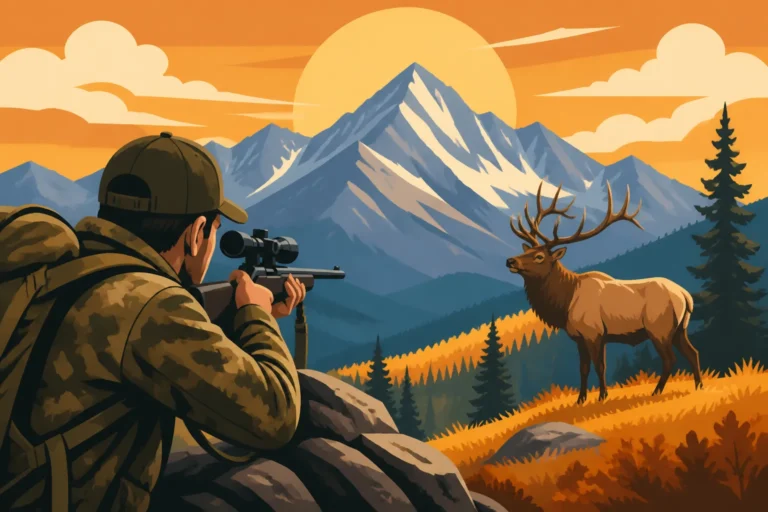
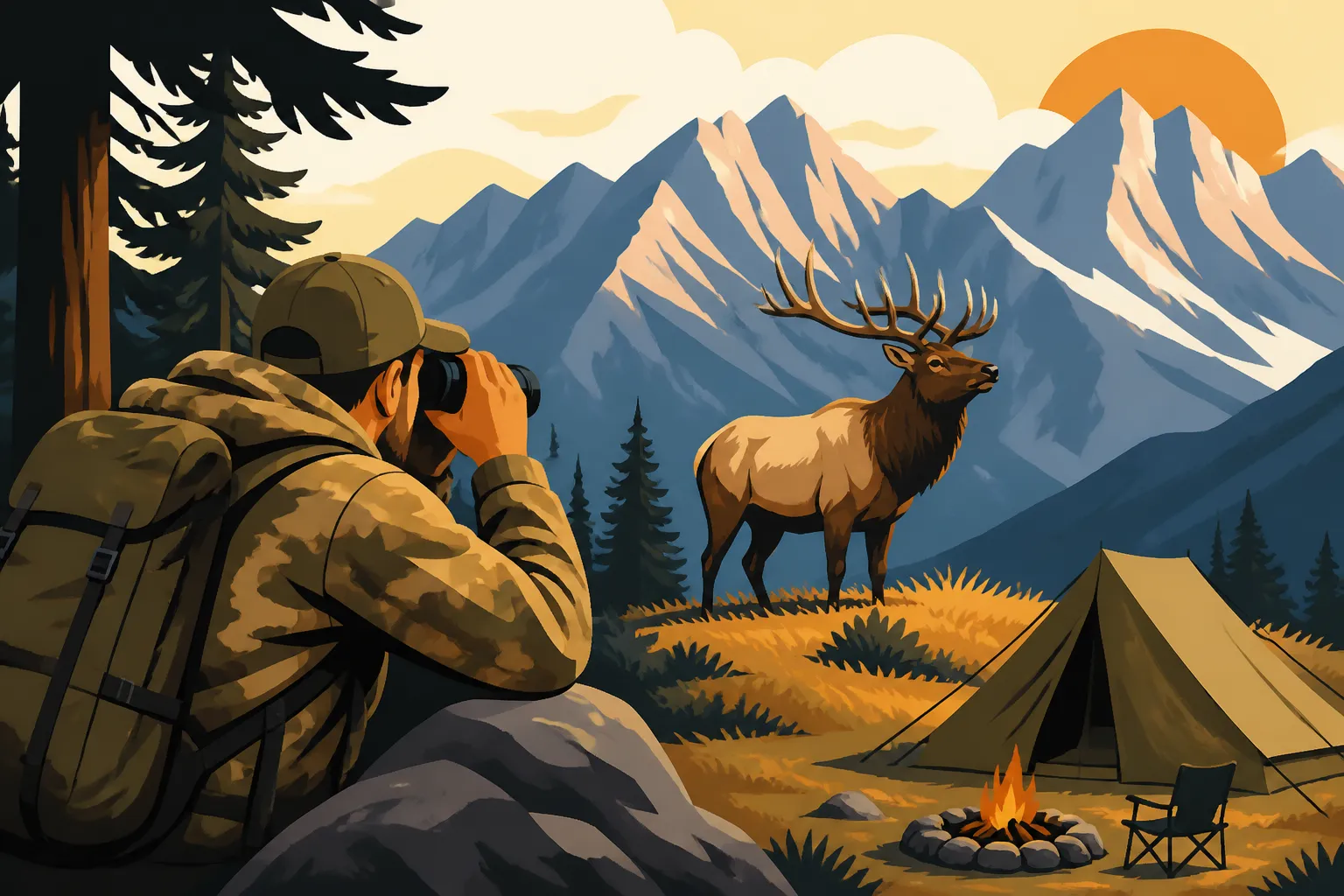
The thought of chasing elk through the rugged Colorado mountains is incredibly exciting, but for many hunters, the idea of a deep backcountry pack-in hunt can feel utterly overwhelming. Between the sheer physical demands, the intricate logistics, and the constant worry about comfort, it's enough to make you question if it's even worth the effort. But what if I told you there's a fantastic, often more practical way to experience the thrill of a Colorado elk hunt without sacrificing all your creature comforts? Hunting from a well-established base camp offers a brilliant blend of accessibility and effectiveness, allowing you to maximize your time in the field while still having a comfortable "home" to return to each evening. This guide will walk you through everything you need to know about setting up and successfully hunting Colorado elk from a base camp, proving that you don't always have to suffer to succeed.
Understanding the Base Camp Advantage for Colorado Elk
Let's be real: not everyone is built for a true backcountry expedition, and even those who are might not always want one. Hauling a heavy pack miles into the wilderness, sleeping on the ground in a tiny tent, and subsisting on dehydrated meals for a week straight is an incredible challenge, but it's not the only path to success. A base camp hunt provides a vital middle ground, giving you a distinct advantage in comfort and logistics that can actually translate into better hunting performance.
Comfort and Logistics: Your Mountain Home Away From Home
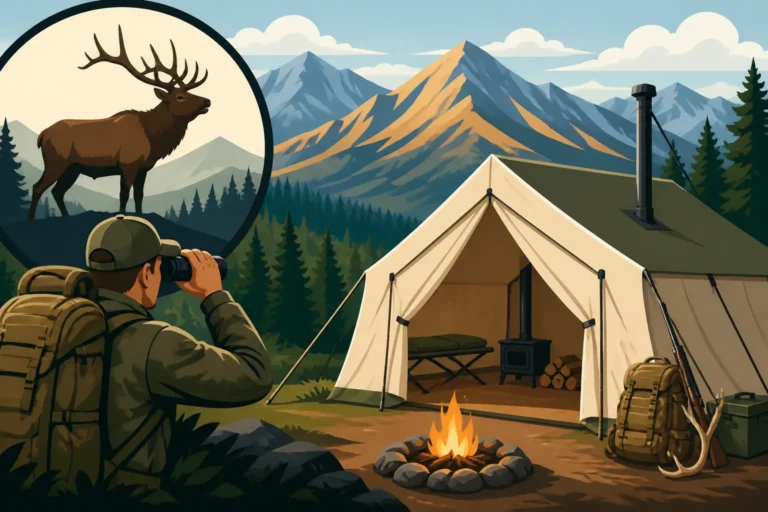
One of the biggest, most underestimated benefits of hunting from a base camp is the sheer comfort it affords. Imagine this: after a long day of navigating steep ridges and deep timber, you don't return to a tiny backpacking tent where you have to meticulously unpack and prepare a minimal meal. Instead, you're heading back to a spacious wall tent, perhaps with a wood stove radiating warmth, a comfortable cot waiting, and the smell of a hearty, home-cooked meal permeating the air. This isn't just about luxury; it's about recovery.
Being able to properly dry your gear, get a full night's sleep in a warm sleeping bag on a comfortable pad, and fuel your body with substantial food can make all the difference in maintaining energy and focus throughout a physically demanding week. For those who value a good night's rest and a warm meal, a base camp means you’re not fighting the elements as much when you’re not hunting, which leaves you more mental and physical reserves for when you are hunting. It’s about being able to recover and recharge completely each day, so you can hit the ground running with renewed vigor every morning.
Accessibility vs. Deep Wilderness: Finding the Sweet Spot
When we talk about "base camp," we're often talking about areas that are accessible by vehicle – think trucks, ATVs, or even horses if you're feeling ambitious – but still provide direct access to prime elk habitat. This means you might be driving several miles in on a forest service road, parking, and then establishing your camp within a short walk of the vehicle. This approach strikes a fantastic balance. You’re not miles from civilization with everything on your back, but you’re also not hunting pressured areas right off the highway.
These base camp locations are frequently situated near trailheads that lead into more remote, roadless areas. You can make daily forays deep into the mountains, hunting hard for miles, and then return to your established camp. This differs significantly from a dedicated backcountry hunt, where your camp is wherever your pack takes you. With a base camp, you have a fixed point from which to launch your daily hunts, making it easier to plan routes, pack lighter day bags, and expand your hunting range without the burden of hauling an entire camp with you every single day. It opens up opportunities to hunt areas that are too far for a day trip from the truck but don't quite warrant a full spike camp.
Strategic Location: Where to Set Up Your Colorado Elk Base Camp
Choosing the right spot for your base camp is arguably one of the most critical decisions you'll make, impacting everything from your daily hunting efficiency to your overall comfort and safety. This isn't just about finding a pretty clearing; it's about strategic placement that leverages terrain, proximity to elk, and logistical advantages.
Proximity to Elk Habitat and Water
The golden rule of any hunt is to hunt where the animals are, and a base camp is no exception. Before you even set foot in Colorado, your e-scouting game needs to be strong. Tools like GoHunt's mapping features can be incredibly helpful here. You’ll want to identify potential bedding areas, feeding grounds, and, critically, water sources within reasonable hiking distance of your proposed camp. Elk often frequent north-facing slopes for bedding cover and thermal regulation, especially during warmer early seasons. Look for thick timber, dark timber, and areas with good forage.
Consider the thermals in your chosen area. Elk country is full of constantly shifting air currents. Morning thermals typically rise, carrying your scent uphill, while evening thermals fall, carrying your scent downhill. Position your camp to minimize scent contamination of prime hunting areas as you leave in the morning or return in the evening. A poorly placed camp can alert elk to your presence long before you even draw your bow or shoulder your rifle. Proximity to reliable water sources isn't just for the elk; it's also essential for your camp's needs, be it for cooking, cleaning, or a quick sponge bath after a sweaty hike. Remember, an ideal base camp location offers a strategic jumping-off point into these crucial elk zones.
Considerations for Access and Safety
While you want to be close to the elk, you also need practical access and a safe environment for your camp. This often means utilizing designated campsites or less-trafficked forest service roads in national forests or BLM land. Colorado's vast public lands offer incredible opportunities, but popularity means you might share areas with other hunters. Scouting beforehand can help you find those quieter pockets.
Think about the conditions. Will the road be muddy or snow-covered during your season? Is there a turnaround spot for your vehicle? How exposed is the camp to high winds or potential lightning storms? Consider natural cover for your tents. Safety also extends to wildlife: ensuring your food is stored in bear-proof containers or hung properly is non-negotiable, especially in areas with known bear activity. You don't want a curious black bear making an uninvited visit to your tent in the middle of the night. Also, evaluate the risk of forest fires, especially in dry conditions; always adhere to fire restrictions.
Public Land vs. Private Land Options
Colorado offers diverse hunting access. The majority of elk hunting takes place on public lands, including vast tracts of national forests and Bureau of Land Management (BLM) areas. These are often the most common places to establish a DIY base camp, given their expansive nature and generally unrestricted access for camping within regulations. Learning about Colorado National Forest Hunting Guide or Colorado BLM Land Hunting can be incredibly useful here.
On the other hand, some hunters opt for private land access, which can range from guided hunts on large ranches where an outfitter provides a base camp, to leasing private ground. While private land usually means less hunter pressure and potentially higher success rates due to limited access, it comes with a significantly higher price tag. For the budget-conscious or the DIY enthusiast, public land remains the go-to, requiring diligent research and potentially more effort to find unpressured areas. A good strategy might involve setting up your base camp on public land that borders private property, allowing you to intercept elk moving between the two.
Essential Gear and Setup for a Successful Base Camp Elk Hunt
One of the greatest luxuries of base camp hunting is the ability to bring more gear, which directly translates to increased comfort and preparedness. Unlike a true backpack hunt where every ounce is scrutinized, a base camp allows for items that enhance your experience and even your hunting effectiveness.
Shelter and Camp Comfort: Beyond the Bivy
Forget the ultralight backpacking tent; for a base camp, you're looking for space and durability. A wall tent is often considered the gold standard. These sturdy canvas tents can be equipped with a small wood-burning stove, turning a cold mountain night into a surprisingly cozy experience. They offer ample room to stand up, move around, and organize gear, which is a huge morale booster over a multi-day hunt. If a wall tent is too much, large dome tents or even multiple smaller tents for different functions (sleeping, cooking, gear storage) can work.
Inside, elevate your sleeping game. Cots or thick sleeping pads make a world of difference for a good night's sleep, crucial for physical recovery. Good lighting, perhaps propane lanterns or battery-powered LED strips, transforms a dark tent into a functional space for evening routines, map study, or simply relaxing. Don’t forget a durable floor tarp to keep moisture and dirt at bay. These elements of comfort directly contribute to your ability to stay out longer and hunt harder.
Cooking and Food Management: Fueling Your Body
With a base camp, your culinary options expand significantly beyond dehydrated meals. A two-burner propane stove is a game-changer, allowing for hot breakfasts and hearty dinners. Think about bringing actual pots, pans, and utensils. Planning your meals to be high in protein and carbohydrates will sustain your energy throughout long days of hiking. Chili, stews, pasta, and even fresh eggs and bacon can be on the menu.
Food storage is paramount, especially in bear country. Large, durable coolers are essential for keeping food fresh and game meat cool. When discussing How to Keep Elk Meat Cool in Warm Weather, having a reliable base camp with good coolers makes this task much more manageable. Use bear-resistant containers or implement a hanging system for food and anything with a strong odor, keeping it away from your sleeping quarters. Proper waste management, including packing out all trash, is also crucial to maintain a clean camp and avoid attracting unwanted visitors.
Hunting Gear Considerations from Camp
While your daily hunting gear will largely remain the same – your rifle or bow, ammunition/arrows, calls, optics, and navigation tools – a base camp influences certain aspects. You'll likely carry a day pack that's lighter than a backpacking setup, focusing on essentials like water, snacks, emergency first-aid, navigation (GoHunt's offline maps are excellent for this), and a lightweight rain shell.
However, the base camp itself becomes the hub for your larger, specialized gear. This might include a larger spotting scope and tripod that you wouldn't pack deep into the mountains, extra clothing layers for varied weather, and perhaps a full game processing kit (knives, game bags, sharpening tools). For recovery, consider a game cart if your hunting area permits it or a robust pack frame specifically for hauling meat. A good pair of boots, like those mentioned in Best Boots for Colorado Elk Hunting, are vital for the daily grind from camp. Having all these resources at your base camp simplifies daily preparations and ensures you have the right tool for any scenario.
Daily Base Camp Hunting Strategies for Colorado Elk
A base camp isn't just a place to sleep; it's a strategic platform from which to launch your daily hunting efforts. The key to success lies in consistent, disciplined execution of strategies tailored to your chosen terrain and the behavior of Colorado elk.
Morning and Evening Routines: The Bookends of Your Hunt
The moments directly before you leave camp and immediately upon your return are critical. Mornings start early, often before first light. This requires discipline. You want to be at your hunting location well before the sun comes up, ready to catch elk moving from feeding areas to bedding. A quiet departure from camp is essential; avoid slamming doors, loud talking, or clanging gear that can spook nearby animals. Pay attention to the wind direction as you leave camp, using it to your advantage.
Evenings involve similar considerations. As you return, exhausted, it’s easy to get sloppy. However, you might be walking through prime elk habitat. Move quietly, keep an eye out for late-moving animals, and maintain scent control until you're safely back at camp. Once there, your routine should involve caring for your gear, reviewing your GoHunt maps for the next day, and getting a good meal and rest. This consistent, quiet, and thoughtful approach sets the stage for productive hunting days.
Hunting from the Hub: Day Hunts and Spiking Out
The primary advantage of a base camp is its function as a central hub for daily forays. You'll often be undertaking what amounts to advanced day hunts, covering significant ground on foot or via ATV from your camp. These day hunts allow you to explore vast areas, push deeper into wilderness zones, and return to comfort each night. For strategies on covering ground, reading sign, and approaching elk, guides like Colorado Elk Hunting Methods Explained offer great insights.
However, there might be times when the elk are simply too far for a comfortable day trip. This is where the concept of "spiking out" comes into play. You pack a minimal, ultralight camp (small tent or bivy, sleeping bag, dehydrated food) and push a few miles beyond your base camp to a temporary spike camp. This allows you to hunt a more remote area for a day or two, then return to your main base camp for resupply and full recovery. This hybrid approach allows you to leverage the best of both worlds – the comfort of a base camp and the deep penetration of a backcountry hunt – without committing to a full week of roughing it. This flexibility is a huge plus when trying to locate and pursue animals, especially when they go quiet.
Post-Harvest Logistics: Getting Your Elk Home
So, you’ve put in the work, you’ve located the elk using your e-scouting, tracked them down through the timber, and made a clean shot. Now what? This is another area where a base camp shines. The ability to return to a well-equipped camp with game bags, a sturdy processing area, and ample coolers for meat preservation is invaluable. How to Pack Out an Elk in Colorado details the physical challenges, but having a warm, dry place to debone and bag your animal after the initial field dressing is a significant advantage.
Once the animal is quartered and in game bags, you’ll need to transport the meat back to camp. This might involve multiple trips on your pack frame, or if feasible, using an ATV or even horses. Back at camp, the meat can be properly cooled in large coolers packed with ice, ensuring it maintains quality until you can get it to a processor or home. This is especially crucial during warmer early archery seasons or if you're hunting in areas like those discussed in How to Hunt Elk in Early Archery Season. The base camp acts as your central processing and storage facility, simplifying what can be an incredibly arduous task in the true backcountry.
| Feature | Base Camp Hunting | Pack-in Backcountry Hunting |
|---|---|---|
| Camp Location | Accessible by vehicle (truck, ATV, horse); fixed location. | Carried on your back; can move daily. |
| Comfort Level | High (large tents, cots, stove, fresh food). | Low (small tent, minimal sleeping pad, dehydrated food). |
| Gear Capacity | High (can bring more specialized/comfort items). | Low (every ounce scrutinized). |
| Physical Demand | High for daily hunts, but low for camp setup/return. | Very High (hauling gear + hunting daily). |
| Logistics | Simpler resupply; fixed point for planning/return. | Complex resupply; always carrying essentials. |
| Game Recovery | Easier storage/cooling at camp; potentially closer vehicle access. | More challenging; must pack out everything to vehicle. |
| Flexibility | Good for day hunts, option to spike out. | Excellent for deep penetration, but camp is always on your back. |
Disclaimer
Hunting is an inherently dangerous activity. This guide provides general information and recommendations. Always consult the official Colorado Parks and Wildlife regulations for the most current rules, seasons, and licensing requirements. Ensure you have the necessary skills, physical conditioning, and gear for a safe and ethical hunt. Always prioritize safety, respect wildlife, and practice Leave No Trace principles.